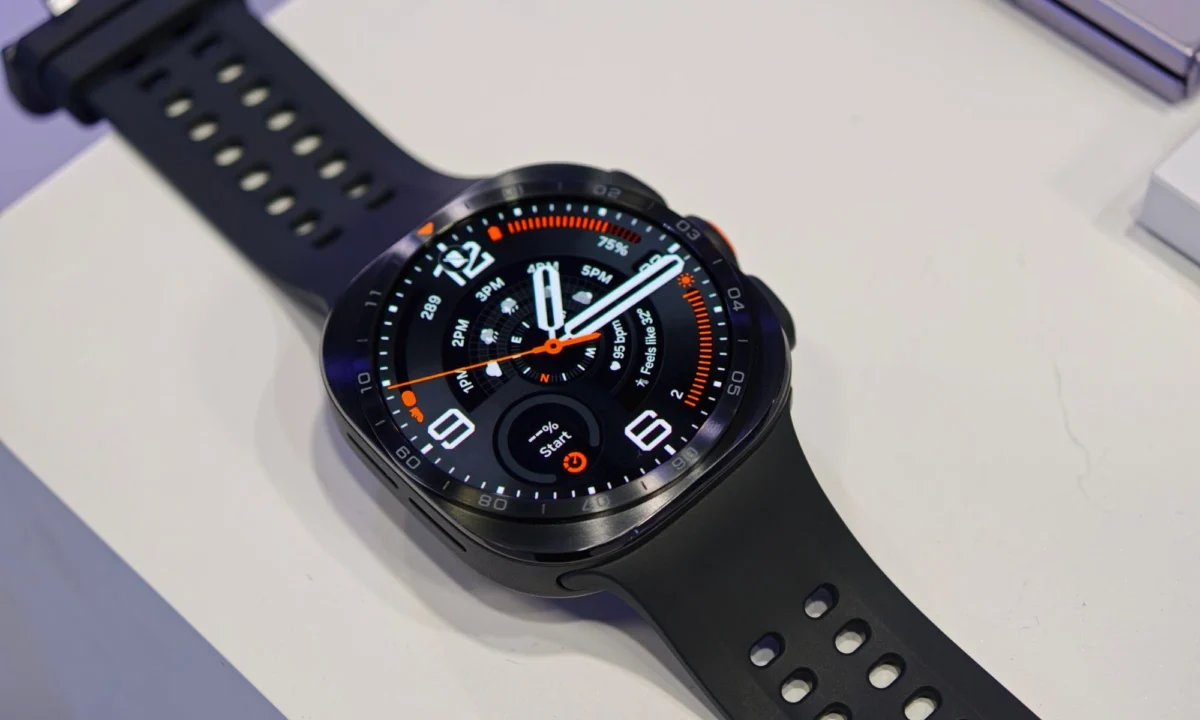











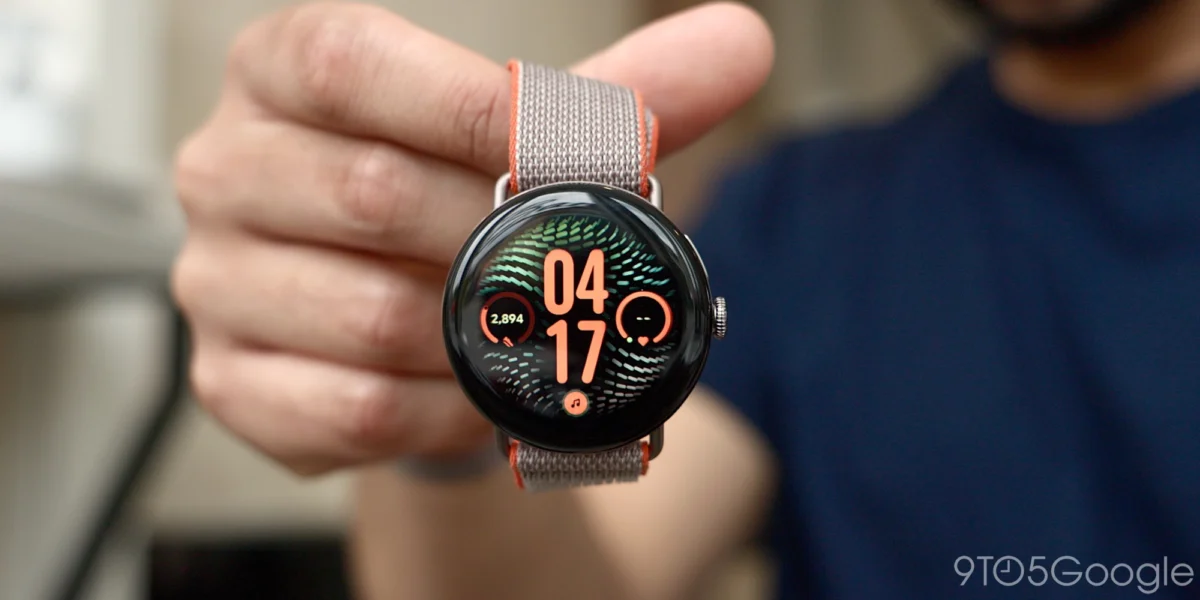
A growing number of Google Pixel Watch users are reporting significant, unexplained battery degradation across multiple generations of the wearable device. According to recent online discussions and user feedback, owners of the Pixel Watch 2 and the newer Pixel Watch 4 are experiencing a sharp decline in battery longevity, with some devices losing up to 20% of their charge in just a few hours. These reports have surfaced primarily on platforms such as Reddit, where users are sharing anecdotal evidence of their devices failing to maintain the standard operational timeframes typically expected under normal usage conditions.
The Scope of the Reported Battery Issues
The complaints are not isolated to a single model, suggesting a potential underlying software conflict rather than a hardware-specific defect. One prominent report involves a Pixel Watch 2 owner who claims their device’s battery life has plummeted to approximately 12 hours on a single charge. Under standard conditions, with the Always-On Display (AOD) feature disabled, this model is generally expected to provide up to 48 hours of use. A similar trend has been observed among Pixel Watch 4 users, who report that their devices, which typically boast a multi-day battery life of up to 2.5 days, are now failing to last through a single 24-hour cycle.
While these accounts are not representative of every user—as many have reported no change in performance—the volume of activity in dedicated online forums suggests a trend that warrants further investigation. The timing of these issues remains inconsistent; while some users report that the drain began immediately following a recent system update, others indicate the problem has persisted for several weeks, suggesting that the root cause may be tied to a staggered rollout of software changes or a background process that is being triggered under specific user configurations.
Timeline of Software Changes and Potential Catalysts
The emergence of these reports follows a series of updates released by Google for the Pixel Watch ecosystem in late 2026. Understanding the correlation between these updates and the reported battery drain requires an examination of the recent software deployments.
In mid-September 2026, Google pushed a major update to the Pixel Watch 2 and subsequent models. This update introduced "Gemini Personalization," an artificial intelligence-driven feature designed to integrate with a user’s historical interaction data, including Google Calendar, Gmail, and other Workspace apps. The goal of this feature is to provide context-aware, personalized responses directly on the wrist. However, the introduction of advanced AI processing—especially when it involves background synchronization with cloud-based services—is known to be energy-intensive. If the synchronization processes or the local machine learning models are not optimized for the constraints of a smartwatch’s battery, they can significantly increase power consumption.
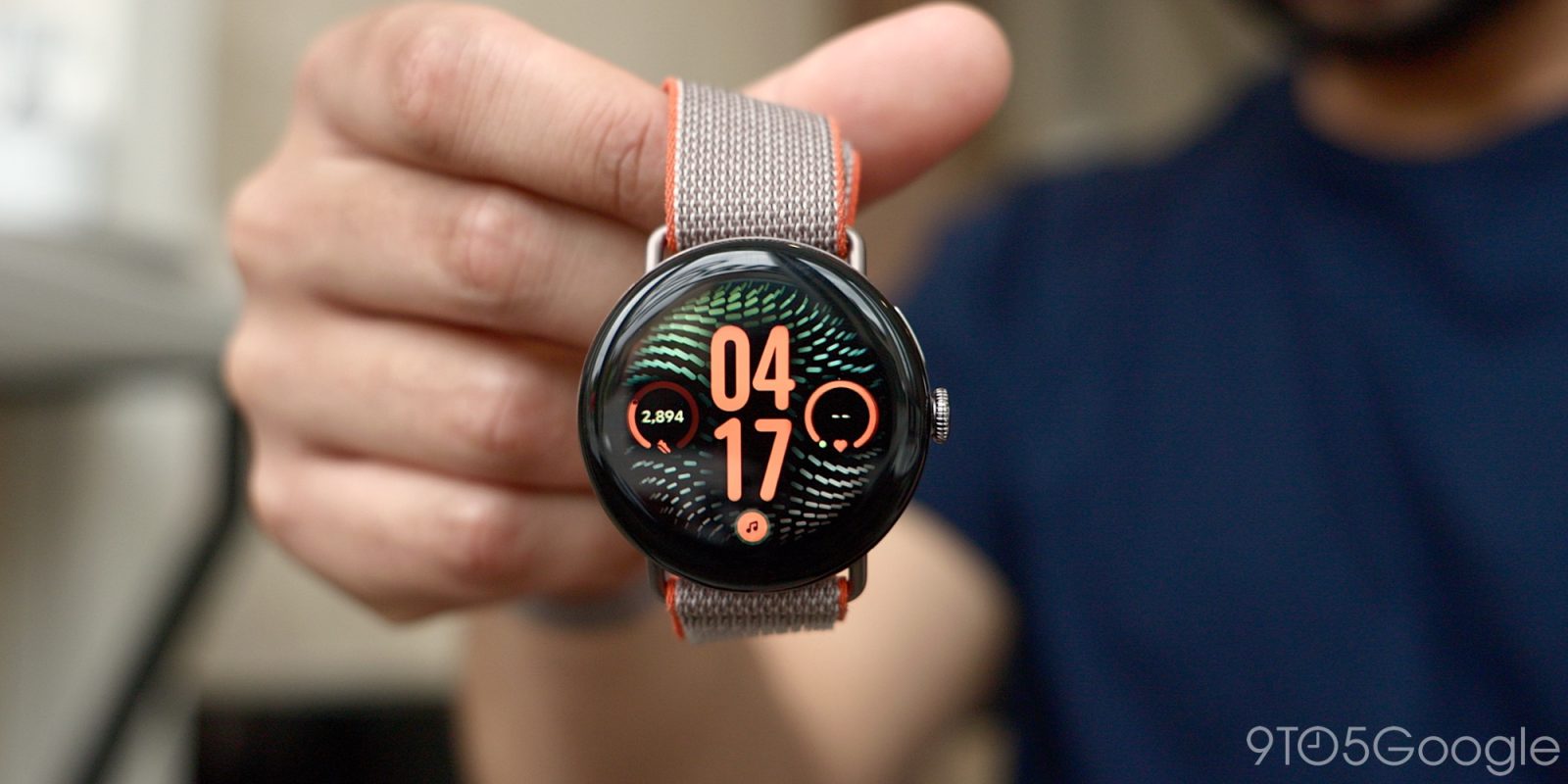
Furthermore, a recent update to the Google Health ecosystem in October 2026 introduced enhanced, automatic activity tracking. While this feature improves the device’s utility for fitness enthusiasts, it requires the persistent use of onboard sensors, such as the accelerometer and heart rate monitor. The continuous polling of these sensors to distinguish between varying types of physical activity often leads to higher power consumption. If the device is forced to wake up more frequently to categorize movement, the cumulative impact on battery life could be substantial.
Technical Analysis of Power Consumption in Wearables
From a technical standpoint, the power management system in modern smartwatches is a delicate balance of processor efficiency, sensor polling, and wireless radio activity. The Pixel Watch series, which utilizes the Wear OS platform, relies on a sophisticated "Doze" mode to minimize background activity when the watch is not in active use.
When a software update introduces new background processes, it can inadvertently prevent the processor from entering its lowest-power state. For instance, if an AI agent like Gemini is constantly "listening" or refreshing data to maintain its personalization features, the watch may experience "wakelocks." A wakelock occurs when software prevents the system from entering a sleep state, causing the battery to drain rapidly even when the device is sitting idle on the user’s wrist.
The discrepancy between the reported experiences—where some users suffer extreme drain while others report normal behavior—suggests that the issue may be triggered by specific settings or third-party app integrations. For example, users who have enabled all health-tracking features and have a high volume of email and calendar notifications may be triggering the power-intensive processes more frequently than those with a more minimalist configuration.
Industry Context and Historical Precedents
Battery drain issues following major software updates are not unique to Google or the Pixel Watch line. Historically, both Apple’s watchOS and various Android-based wearable platforms have encountered similar hurdles after the release of significant feature-rich updates. Often, the culprit is a process known as "indexing," where the system re-evaluates files or database entries following an OS upgrade. While indexing usually resolves within 24 to 48 hours, issues that persist for longer periods often point to deeper optimization flaws.
In the case of the Pixel Watch, the situation is exacerbated by the diverse range of hardware involved. Supporting both the Pixel Watch 2 and the newer Pixel Watch 4 with a unified update necessitates careful calibration for different battery capacities and processor architectures. If the optimization for the newer hardware is not perfectly mapped to the legacy architecture of the previous generation, the result is often an inefficient power profile that manifests as rapid battery drain.

Absence of Official Acknowledgment and Next Steps
As of this writing, Google has not issued an official statement or a formal acknowledgement regarding the widespread battery drain reports. In the absence of a direct fix, technical experts suggest several troubleshooting steps for affected users. These include:
- Clearing Cache: Clearing the cache for system-level apps and the Wear OS interface can sometimes resolve conflicts caused by corrupted temporary files following an update.
- Reviewing Permissions: Users are advised to check which apps have permission to run in the background. Restricting high-drain apps or disabling "Always-On" features temporarily can help isolate whether the issue is tied to display settings or software processes.
- Factory Reset: While often considered a last resort, performing a factory reset can clear out problematic background processes that may have become "stuck" during the update installation.
- Monitoring Battery Usage: Using the built-in battery management tools in the Pixel Watch app on the paired smartphone can help identify which specific apps or services are consuming the most power.
Broader Implications for the Wearable Ecosystem
The situation highlights the growing tension between the demand for more intelligent, AI-driven features and the hardware limitations of current-generation smartwatches. As manufacturers like Google, Samsung, and Apple strive to turn their wearables into "personal assistants" rather than mere fitness trackers, the energy requirements will continue to rise.
If Google is unable to address these battery concerns via an over-the-air (OTA) patch in the coming weeks, it could lead to a decline in user trust and a potential impact on the adoption of future software updates. For a product category where daily, reliable performance is paramount, any degradation in battery life is viewed by consumers as a critical failure.
For now, the community continues to monitor the situation, with many users opting to delay further updates until a clear resolution or a statement from Google is provided. The incident serves as a reminder of the fragility of modern consumer electronics, where a single line of code in an update can drastically alter the user experience. As the company continues to iterate on its hardware and software offerings, the balance between innovation and battery efficiency will remain the most critical challenge for the engineering teams at Google.
The coming weeks will be telling. If the reports continue to proliferate, Google will likely be compelled to release a maintenance update specifically targeting power management. Until then, the user community remains the primary source of diagnostic data, effectively acting as an open-source testing ground for the software’s stability. Users experiencing these issues are encouraged to report their findings through the official Google feedback channels to ensure that the development team has access to the necessary logs for investigation.