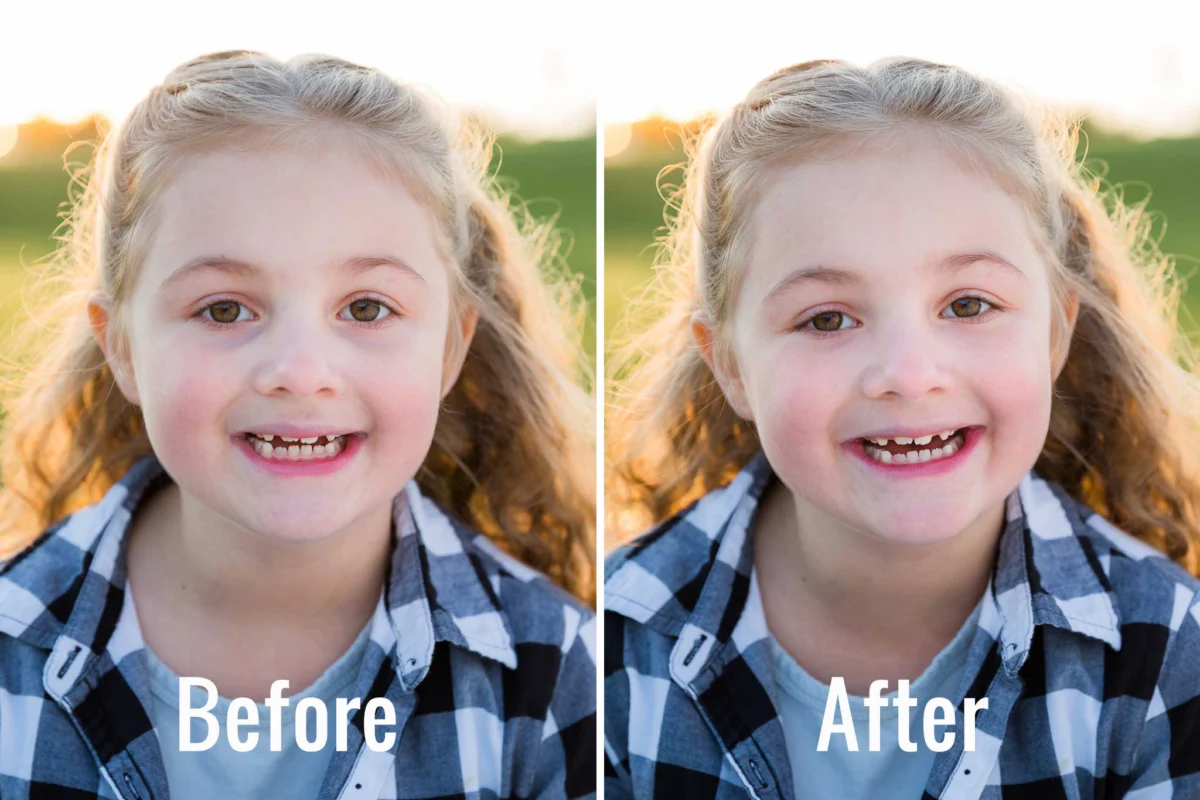
The challenge of capturing a genuine expression in child portraiture has long been a focal point for professional photographers. While the "Smile on Demand" (S.O.D.)—a learned, performative grin often exhibited by children as young as four or five—is technically functional, it frequently lacks the emotional resonance that clients seek. Recent industry analysis suggests that parental preference in family photography overwhelmingly favors candid, high-energy expressions over static, posed smiles. Professional photographers are increasingly moving away from traditional "say cheese" directives in favor of psychological engagement techniques designed to trigger authentic, spontaneous human responses.

The Psychology of the Genuine Smile
Research in behavioral psychology indicates that the Duchenne smile, or the "genuine" smile, involves the involuntary contraction of both the zygomatic major muscle and the orbicularis oculi muscle. This physiological response is difficult to simulate on command, as it is typically tied to an internal emotional state rather than a motor instruction. When a photographer demands a smile, the subject often engages only the mouth muscles, resulting in the "fake" look that many parents find jarring.
To circumvent this, successful portrait photographers have adopted the "Serious Face" technique. By instructing a child to hold a neutral or exaggeratedly stern expression, the photographer creates a state of cognitive dissonance. Because children are naturally prone to laughter, the act of suppressing a smile or maintaining a "serious" face creates a build-up of tension that is almost invariably released through laughter. This transition period—the micro-seconds following the release of the "serious" pose—is where the most authentic, genuine expressions occur.

Chronology of a Successful Session
For a professional photographer, the window of opportunity to capture this specific expression is narrow. The process typically follows a structured timeline:
- The Engagement Phase (Minutes 0–10): The photographer establishes rapport, transitioning from a stranger to a peer. This involves getting down to the child’s eye level and identifying individual interests.
- The Directive Phase (Minutes 10–20): The photographer initiates the "Serious Face" challenge. By providing a clear, playful instruction, the child is given a "task" that creates a lighthearted atmosphere.
- The Laughter Phase (Minutes 20–25): As the child struggles to maintain the serious face, they succumb to laughter. The photographer maintains a continuous shutter speed, documenting the transition from stoicism to amusement.
- The "After-Smile" Capture (The Golden Window): Immediately following the laughter, there is a brief moment of organic, post-giggle joy. This is the precise frame that most professional photographers prioritize for final client delivery.
Technical Requirements for Success
Capturing these fleeting expressions requires more than just behavioral strategy; it demands technical readiness. Industry standards for this type of portraiture recommend the use of continuous shooting modes, often exceeding 10 frames per second on modern mirrorless or DSLR systems. Because the "real" smile often occurs for only a fraction of a second, the camera must be set with a fast enough shutter speed—typically 1/500th of a second or higher—to freeze the motion of the child’s head and the intensity of the laughter.

Furthermore, the integration of camera-mounted accessories has become a common practice. Devices such as "Shutter Huggers" or hot-shoe-mounted puppet attachments serve a dual purpose: they act as a focal point for the child’s eyes and provide a non-threatening, familiar visual anchor. By directing the child to look for a "friend" living inside the camera, the photographer ensures consistent eye contact while simultaneously lowering the intimidation factor of the large lens.
Broader Implications for the Photography Industry
The shift toward behavioral-based photography has broader implications for the business of portraiture. Data from client surveys in the family photography sector indicate that "authenticity" is the primary driver of repeat business. Clients are significantly more likely to invest in professional services when the resulting imagery differentiates itself from the quality achievable via high-end smartphone cameras.

"Parents are looking for a story, not just a document," notes industry analyst Marcus Thorne. "The ability to capture a child’s personality in its rawest form is a premium skill. When a photographer provides a collection of images that captures a child’s specific brand of joy, they are providing an emotional asset that families consider invaluable."
Engagement Strategies Beyond the Lens
Beyond the specific "Serious Face" trick, professional photographers utilize a multi-pronged approach to keep children engaged for the duration of a 60-to-90-minute session.

- Establishing Alliances: Photographers often "secretly" coordinate with parents to create a narrative. By allowing the photographer to be the bearer of "secrets"—such as the promise of an upcoming treat or a special activity—the child begins to view the photographer as an ally rather than an authority figure.
- Active Movement: Recognizing the physiological limitations of children, modern sessions incorporate movement as a standard practice. By alternating between structured posing and games like races or dance contests, photographers manage the child’s energy levels and avoid the burnout that often leads to tantrums or disengagement.
- The Role of Play: Humor remains the most effective tool. Photographers often arrive prepared with age-appropriate jokes, funny noises, or even mobile applications that produce sounds to pique a child’s curiosity. The goal is to create a dynamic environment where the camera is a secondary element, not the primary focus.
The Economic Value of the "Perfect" Imperfection
There is a consensus in the industry that technical perfection—defined as sharp focus, correct exposure, and perfect framing—is subordinate to emotional impact. In a test of consumer preferences, parents shown a technically flawless, staged portrait alongside a slightly motion-blurred, candid capture of genuine laughter consistently selected the latter.
This finding has forced a re-evaluation of professional standards. The industry is moving away from the "posed and polished" aesthetic that dominated the 1990s and early 2000s, embracing a more documentary-style approach. For the professional, this means mastering the technical settings to ensure that when the "real" moment happens, the gear is capable of keeping up.

Conclusion: The Future of Child Portraiture
The evolution of child photography is a reflection of changing societal values. As families place higher importance on preserving the "authentic self" rather than a performative image, photographers who can bridge the gap between technical expertise and child psychology will continue to thrive. By utilizing techniques like the "Serious Face," maintaining a high-energy environment, and focusing on the moments that occur in the periphery of a child’s laughter, professionals can provide a service that transcends simple image-making. The result is not just a photograph, but a preserved memory of a child’s unique spirit, which remains the ultimate goal for parents worldwide.