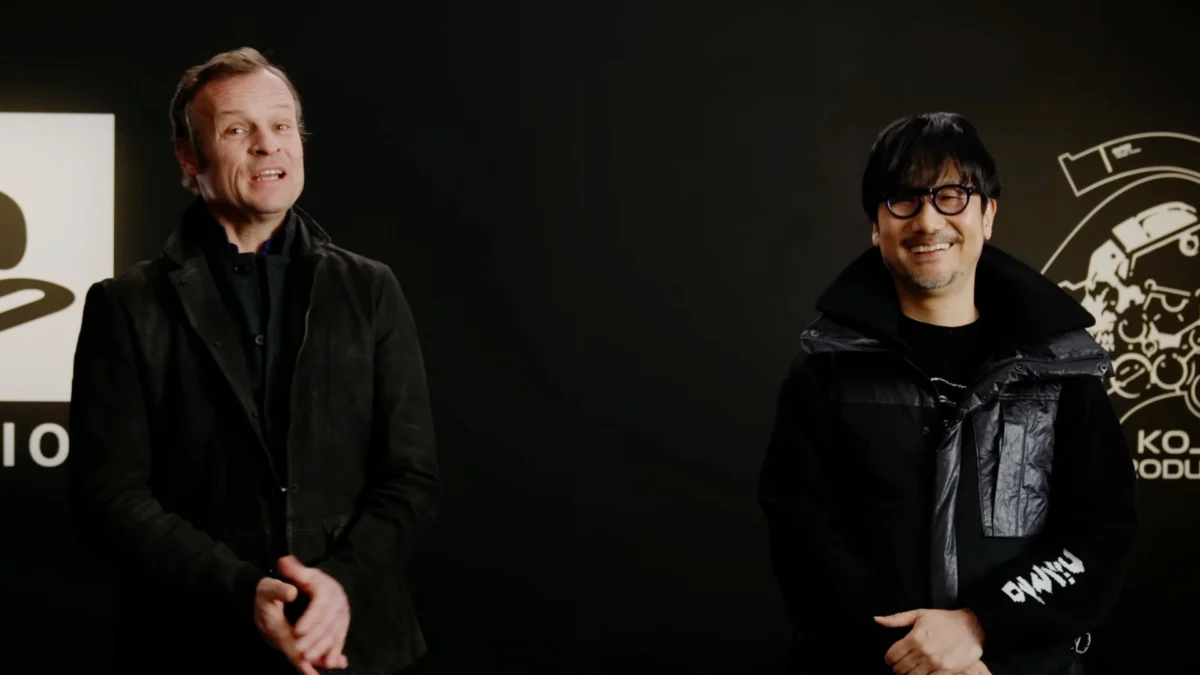
The recent dissolution of the partnership between Sony Interactive Entertainment and Kojima Productions regarding the upcoming action-espionage title Physint represents a significant shift in the strategic landscape of the global video game industry. Initially announced with great fanfare as a flagship project for the PlayStation ecosystem, the game—described by Hideo Kojima as a cinematic experience that blurs the lines between film and interactive media—has officially shifted its publishing alignment to Xbox. This transition marks the end of a long-standing collaborative history and highlights the growing friction between traditional platform-exclusive business models and the escalating costs of high-fidelity game development in 2026.
The Breakdown of a High-Profile Partnership
For years, the relationship between Hideo Kojima and Sony was viewed as a cornerstone of the PlayStation brand’s identity. Following the high-profile 2015 split between Kojima and Konami, Sony was the primary entity that stepped in to support Kojima Productions, providing the resources necessary to launch Death Stranding. However, reports emerging from Bloomberg and industry insiders suggest that the collaborative environment soured significantly during the development cycle of Physint.
The primary catalyst for this split was a fundamental misalignment regarding fiscal responsibility and project milestones. Sony, currently navigating a period of internal austerity following the disastrous launch and rapid closure of the live-service shooter Concord, has adopted a more stringent approach to greenlighting and funding projects. Sources indicate that Kojima Productions failed to meet critical development milestones, leading to internal concerns within Sony’s leadership regarding the project’s long-term financial viability.
A Chronology of Declining Returns
To understand why Sony would abandon a title from one of the most recognizable names in the industry, one must look at the recent historical performance of Kojima’s output. While critically acclaimed, Death Stranding and its sequel, Death Stranding 2, failed to reach the astronomical revenue thresholds required to justify the massive production budgets Sony had invested.
In the eyes of PlayStation executives, the "Kojima premium"—the prestige associated with having a legendary designer exclusively on their platform—was no longer sufficient to offset the risk. The timeline of the breakdown is telling:
- 2023-2024: Initial development of Physint begins under the Sony umbrella with high expectations for a groundbreaking cinematic espionage experience.
- Early 2025: As production costs for the title begin to balloon, Sony initiates a stricter audit of development progress and milestones.
- Late 2025: Following the Concord failure, Sony management signals a pivot toward more predictable, fiscally conservative software pipelines.
- Q3 2026: Formal negotiations regarding the project’s future reach an impasse. Sony declines to provide additional funding, effectively "dropping" the project.
- Q3 2026 (Present): Kojima Productions formally pivots to Xbox as the new publishing partner, opening the door for a potential multi-platform release, including a highly anticipated PC version.
Fiscal Realities and the Cost of Innovation
The gaming industry is currently facing a "bottleneck of excellence," where the cost of creating AAA, photorealistic, and cinematic games has reached a point where even minor delays or budget overruns can jeopardize a studio’s survival. According to financial analysts tracking the sector, the average budget for a top-tier title in 2026 has increased by nearly 40% compared to 2020 levels, largely due to advancements in engine technology and the demand for high-fidelity assets.
Physint was reportedly positioned as a "game-as-a-movie," a concept that requires not only significant engineering resources but also extensive motion capture, long-term talent retention, and high-end cinematographic production. Sony’s hesitation to continue funding this project reflects a broader trend among hardware manufacturers: a preference for "safe" investments that offer recurring revenue models, such as sequels with established fanbases or games-as-a-service (GaaS) titles that provide long-term engagement.
The Xbox Opportunity and Strategic Implications
The decision by Xbox to pick up Physint is a calculated gamble. By securing the publishing rights, Microsoft effectively gains a massive public relations victory, positioning itself as the "home of the auteur" while simultaneously weakening the exclusivity narrative that has traditionally defined the PlayStation brand. For Xbox, the potential for a PC port—which has become a standard requirement for major publishers to maximize ROI—is a feature, not a bug.
However, this move also carries risks. If the project remains over-budget and continues to miss deadlines under the Microsoft banner, it could serve as a case study in the difficulties of managing high-concept projects in the modern era. The industry will be watching closely to see if the Xbox team can provide the structural support necessary to bring the vision of Physint to market without succumbing to the same fiscal pressures that drove Sony away.
Industry Impact: What This Means for Smaller Studios
The "hot potato" treatment of a creator as famous as Hideo Kojima sends a chilling signal to the broader development community. If a developer of his stature, with an established track record and a massive global fanbase, can be dropped due to budget concerns and missed milestones, the implications for independent and mid-tier studios are severe.
Industry analysts suggest that this event marks the end of the "prestige era" of game development, where platforms would bankroll experimental projects regardless of immediate profit. We are entering an era of "pragmatic development," where publishers are increasingly risk-averse. For studios without a massive back catalog or a clear, quantifiable path to revenue, the window for securing funding from major console holders is rapidly closing.
Conclusion: A New Landscape for Publishing
The transition of Physint from PlayStation to Xbox is more than just a publishing change; it is a symptom of a maturing and increasingly volatile industry. Sony’s decision, while criticized by some as a failure to recognize the value of creative risk-taking, is framed by its leadership as a necessary correction to protect the bottom line in an era of narrowing margins.
As for Hideo Kojima, the move to Xbox provides a fresh start and a broader canvas. Whether this results in the masterpiece he has promised or serves as a cautionary tale about the limits of creative autonomy in a corporate-dominated market remains to be seen. What is certain is that the industry has entered a new phase of consolidation and caution, where the brand of the creator is no longer a shield against the cold, hard realities of the balance sheet. For gamers, the hope remains that the finished product will justify the turbulence of its inception, but the path to launch has become demonstrably more difficult for everyone involved.