Abode, a prominent player in the DIY smart home security market, has officially expanded its product portfolio with the introduction of two specialized monitoring devices: the Garage Tilt Sensor and the Outdoor Contact Sensor. These new additions are specifically engineered to bridge the gap in home perimeter security, targeting entry points that have historically been difficult to monitor with standard indoor equipment. Both devices integrate seamlessly with the Apple Home ecosystem, as well as Amazon Alexa and Google Assistant, marking a significant step forward in Abode’s strategy to provide comprehensive, cross-platform smart home automation.
The Strategic Shift Toward Perimeter Security
For years, the smart home security industry focused heavily on internal protection, prioritizing motion detectors for living rooms and contact sensors for main front and back doors. However, recent security industry data suggests a shift in criminal methodology. According to various residential security reports, burglars frequently identify side gates, detached sheds, and poorly secured garages as the "soft targets" of a modern household. Because these areas are often detached from the main structure or situated on the periphery, they are frequently excluded from comprehensive security monitoring.
Chris Carney, CEO and Founder of Abode, emphasized that this product launch is a direct response to the vulnerability of the home perimeter. "Break-ins usually don’t start at the front door," Carney stated during the product announcement. "Unlocked side gates or garages present vulnerable access points often left unmonitored by homeowners. We built these sensors because the perimeter of a home deserves the same protection as the inside of it." By addressing these specific architectural challenges, Abode is attempting to capture a segment of the market that has felt neglected by traditional indoor-centric security providers.
Technical Specifications and Device Functionality
The two new sensors utilize Abode’s proprietary CUE automation engine, which allows users to create complex, conditional logic. For example, a user can program their smart lighting system to illuminate the driveway the moment a gate is opened after dark, or set a timer to automatically close a garage door that has remained in the open position for more than ten minutes.
The Garage Tilt Sensor
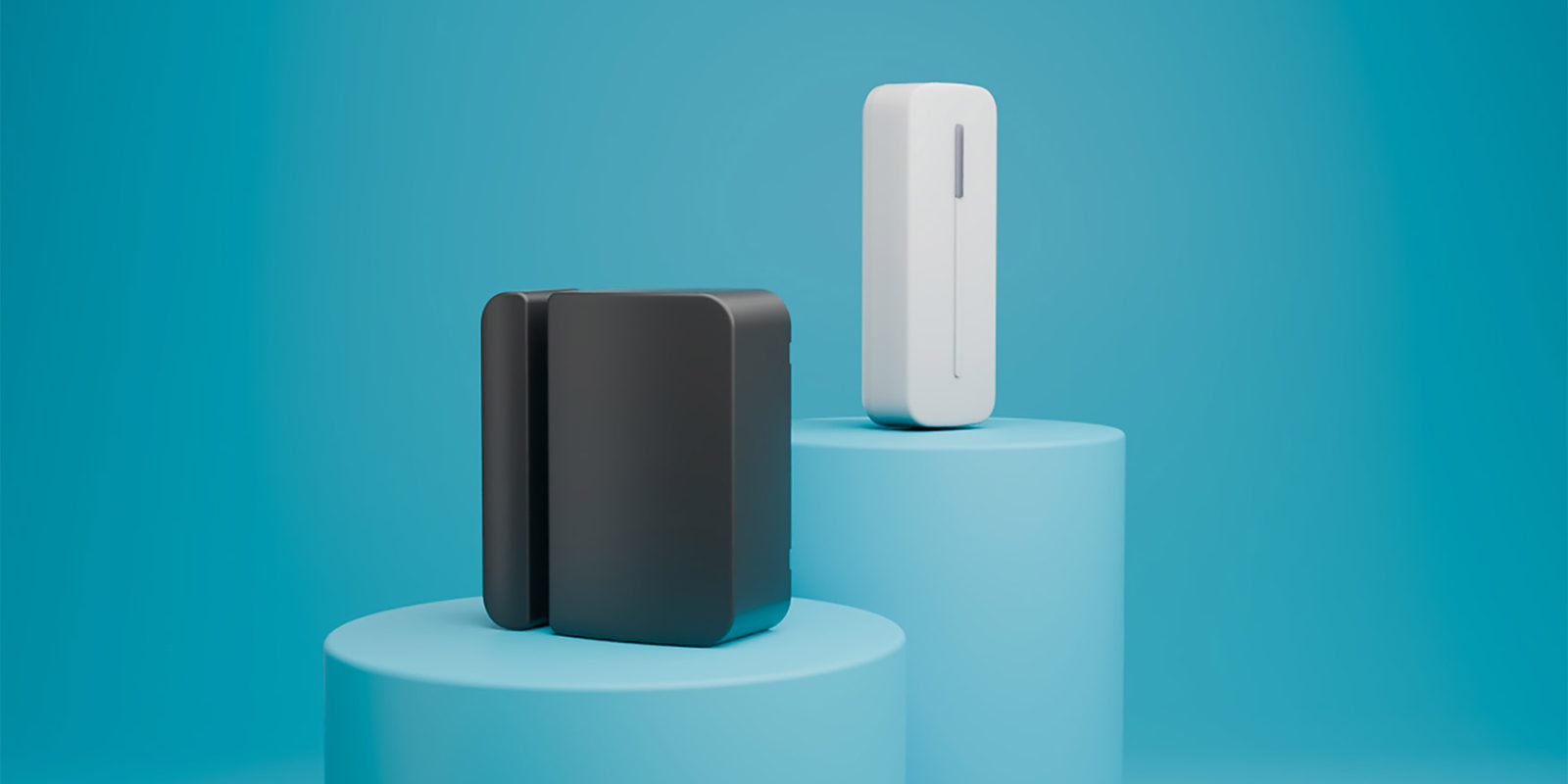
The Garage Tilt Sensor is designed for versatility, utilizing a high-precision accelerometer to detect orientation changes. The device triggers an alert whenever the surface it is mounted to moves more than 45 degrees from its resting position. This design is particularly effective for "up-and-over" style garage doors, attic hatches, basement tilt windows, and various hinged panels. A standout feature of this device is its energy efficiency; Abode claims an industry-leading battery life of up to 10 years, which significantly reduces the maintenance burden on the homeowner.
The Outdoor Contact Sensor
The Outdoor Contact Sensor, conversely, is built to withstand environmental rigors. Rated IP66, it is protected against dust and powerful water jets, making it suitable for outdoor installation on metal gates, sheds, and detached storage units. To address the common issue of false alarms—often caused by environmental interference or the shifting of metal structures—the sensor incorporates a high-strength magnet and a widened activation gap. This engineering choice ensures that the sensor maintains a reliable connection even when mounted on non-traditional surfaces, providing users with immediate notifications via the Abode mobile application.
Connectivity and Range Performance
One of the primary challenges with outdoor smart sensors is signal degradation caused by walls, fences, and distance from the central hub. Abode has addressed these concerns by optimizing the wireless radio performance of these devices. Under what the company defines as "optimal conditions," the sensors can maintain connectivity with the Abode gateway at distances up to 500 feet.
To assist with installation, Abode provides comprehensive setup documentation that includes a range-testing feature. This allows users to verify signal strength before permanently mounting the devices, preventing the frustration of discovering dead zones after the installation process is complete. This focus on "installability" is a hallmark of the DIY security market, where the consumer is responsible for the configuration and maintenance of the system.
Market Context and Industry Implications
The introduction of these sensors comes at a time when the smart home security market is undergoing a period of intense competition. Major technology conglomerates are increasingly prioritizing interoperability through standards like Matter, and smaller, specialized players like Abode must differentiate themselves through niche hardware and deeper integration capabilities.
By supporting Apple Home, Amazon Alexa, and Google Assistant, Abode is positioning itself as a platform-agnostic solution. This is a critical factor for consumers who may have already invested in a specific ecosystem—such as an iPhone-heavy household—but want the flexibility to use a dedicated security system that doesn’t lock them into a single vendor’s restrictive cloud environment.
Furthermore, the price points of $34.99 for the Garage Tilt Sensor and $49.99 for the Outdoor Contact Sensor place these devices in the mid-range of the DIY security market. This pricing strategy suggests that Abode is targeting the mass-market consumer who is looking for incremental security upgrades rather than a full, professional-grade security overhaul.

Chronology of Abode’s Security Evolution
The release of these sensors follows a multi-year trend for Abode, which has consistently focused on expanding its modular ecosystem.
- Early Phase: Abode began by offering a standard base station and indoor door/window sensors.
- Integration Phase: The company quickly moved to integrate with Apple HomeKit (now Apple Home), a move that solidified its standing among privacy-conscious and tech-savvy users.
- Expansion Phase: With the introduction of the CUE automation engine, the company moved beyond simple "alerting" and toward "active prevention," allowing the house to react to environmental triggers.
- Perimeter Phase: Today’s announcement represents the latest iteration, where the security perimeter is pushed further away from the physical home, addressing the "unmonitored zones" of the modern property.
Future Outlook and Analysis
From an analytical perspective, the success of these sensors will likely depend on their real-world performance regarding false positives. In the outdoor security market, the "crying wolf" effect—where a system triggers an alarm due to a gust of wind or a stray animal—is the primary cause of customer churn. By specifically highlighting the "stronger magnet and wider activation gap" in their marketing, Abode is signaling that they are aware of these pain points and have specifically engineered the hardware to mitigate them.
Moreover, the integration of these devices into the Apple Home app offers significant value. Users can view the status of their gates and garage doors alongside their smart locks and cameras in a single, unified dashboard. This "single pane of glass" approach is increasingly what consumers demand. As residential security continues to shift away from traditional, wired alarm panels toward modular, wireless, and software-defined systems, companies that can provide high-reliability sensors with long battery lives and deep integration with popular voice assistants will likely dominate the market.
Abode’s move to expand its outdoor sensor lineup is a calculated effort to increase the "stickiness" of its platform. By adding more sensors to the periphery of the home, the company ensures that users are more deeply embedded in the Abode ecosystem, as each additional device creates more complex automation possibilities and a higher barrier to switching to a competitor. As the smart home continues to evolve into a more proactive, automated environment, the ability to monitor the "outer rim" of the home will become a fundamental requirement for any serious security solution.