The upcoming Motorola Edge 70 Neo has been the subject of intense speculation within the mobile technology sector, following a series of premature disclosures that have unveiled nearly every facet of the device before its official market debut. While Motorola initially provided an inadvertent glimpse of the handset in August, a comprehensive new leak has now detailed the internal architecture, imaging capabilities, and endurance metrics of this forthcoming mid-range powerhouse. These revelations suggest that Motorola is positioning the Edge 70 Neo as a high-performance alternative in a crowded market, emphasizing a unique balance between battery capacity and display fidelity.
A Chronology of the Motorola Edge 70 Neo Disclosures
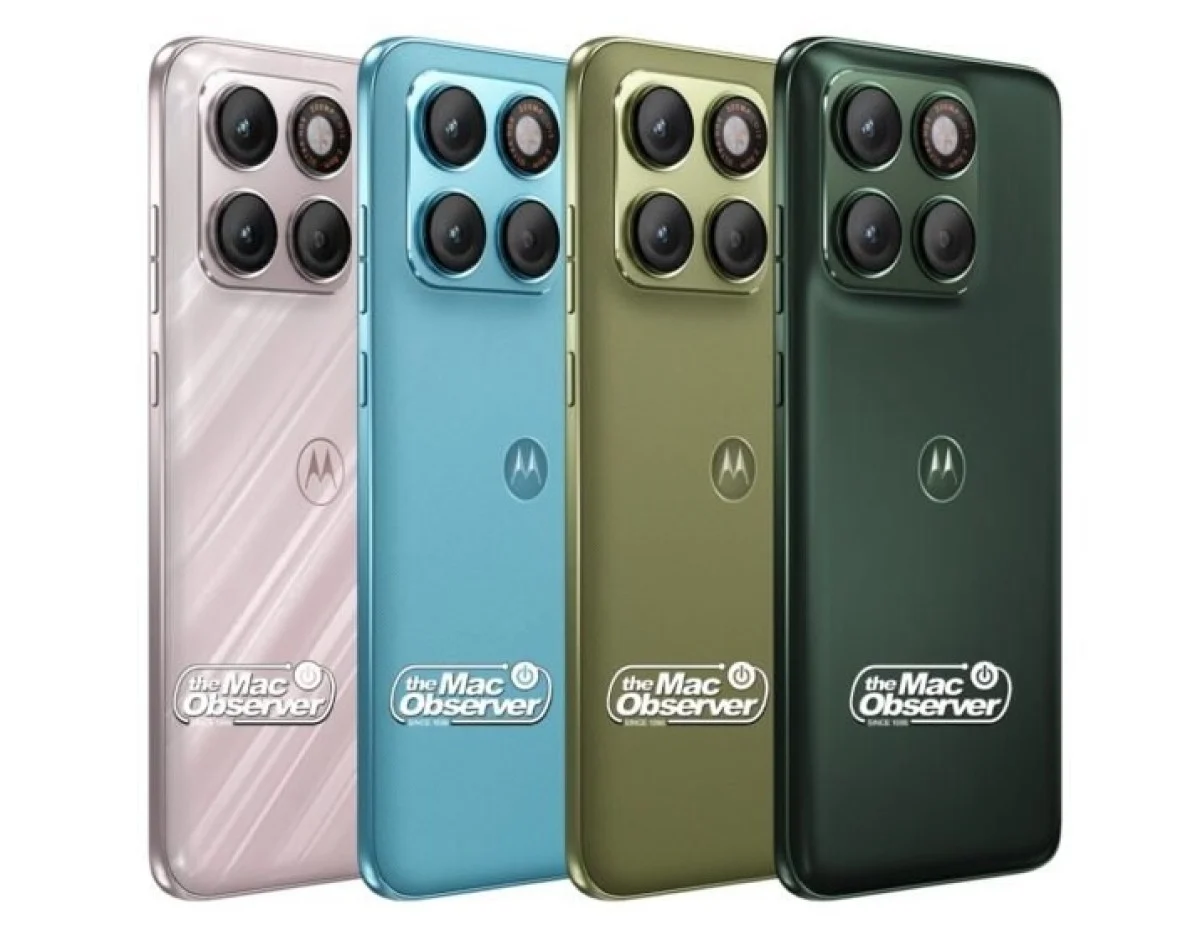
The saga of the Motorola Edge 70 Neo began in August, when the company’s internal digital infrastructure accidentally broadcasted the device’s existence. This inadvertent teaser served as the first public confirmation that Motorola was actively developing a successor to its popular Neo lineup. Shortly after this initial slip, the rumor mill intensified as high-resolution renders began to circulate online. These images provided the industry with a clear view of the handset’s aesthetic, revealing a sleek, modern chassis and a diverse palette of color options.
The latest wave of information represents the most significant data dump to date. By bridging the gap between aesthetic design and technical capability, these leaked specifications provide a roadmap for what consumers can expect when the device eventually hits retail shelves. The rapid succession of these leaks—from the initial accidental teaser to the detailed schematics now available—highlights the intense interest surrounding Motorola’s design philosophy for the 2025-2026 product cycle.
Display Technology and Processing Power
Central to the Motorola Edge 70 Neo’s appeal is its display hardware. According to the most recent reports, the device is slated to feature a expansive 6.78-inch AMOLED panel. AMOLED technology has become the industry standard for flagship and mid-range devices due to its ability to produce deep blacks and vibrant color saturation. The inclusion of a 144Hz refresh rate is a notable upgrade, placing the Edge 70 Neo in a competitive position against other devices in the mid-range category that typically cap refresh rates at 90Hz or 120Hz. A 144Hz panel ensures smoother UI transitions, more fluid gaming, and a highly responsive touch experience.
Under the hood, the device is expected to be powered by the Qualcomm Snapdragon 7s Gen 3 chipset. This processor is engineered to provide a sophisticated balance of power efficiency and computational performance. As the industry moves toward more integrated AI-driven features, the Snapdragon 7s Gen 3 offers the necessary overhead to manage complex background processes without excessive thermal throttling. By opting for this chipset, Motorola appears to be prioritizing longevity and day-to-day reliability over raw, high-heat performance, a strategy that aligns well with the "Neo" branding, which typically targets value-conscious consumers who still demand modern features.
Optical Systems and Imaging Capabilities
Imaging has historically been a critical differentiator for Motorola’s Edge series. The Edge 70 Neo is reported to feature a 50MP primary rear sensor utilizing Sony’s LYTIA 710 technology. Sony LYTIA sensors have gained significant traction in the mobile photography space for their advanced light-gathering capabilities and improved dynamic range. By pairing a 50MP primary lens with a 2MP macro sensor, Motorola seems to be focusing on the quality of the primary focal length rather than the quantity of auxiliary cameras.

In addition to the rear configuration, the device is rumored to include a rear-mounted light sensor, which likely assists with automatic exposure adjustments and color temperature calibration. For front-facing interactions, a 32MP selfie camera is expected to handle both social media photography and high-definition video conferencing. This resolution is more than adequate for most users, suggesting that Motorola intends to maintain the Edge 70 Neo’s relevance in an era dominated by short-form video content creation.
Battery Capacity and Power Management
Perhaps the most surprising aspect of the leaked specifications is the inclusion of a 7,000mAh battery. In an era where most smartphones are trending toward 5,000mAh capacities to maintain slim profiles, the decision to incorporate a significantly larger power cell is a bold move. This capacity, combined with the power-efficient Snapdragon 7s Gen 3 processor, suggests that the Edge 70 Neo could offer industry-leading battery life, potentially lasting up to two days on a single charge under moderate usage conditions.
To mitigate the time required to charge such a large battery, Motorola has opted for 45W fast charging. While 45W is not the fastest charging standard currently available—with some competitors offering 100W or higher—it represents a reliable compromise that maintains battery health over long-term ownership while still providing significant top-ups in under an hour.
Durability, Software, and Design Aesthetics
The Motorola Edge 70 Neo is also expected to carry an IP64 rating. While not fully submersible, an IP64 rating provides robust protection against dust ingress and resistance to splashing water, which is a necessary baseline for modern mobile devices intended for daily use in varied environments.
On the software front, the device is tipped to ship with Android 16 out-of-the-box. This aligns with industry cycles and ensures that the device will have the longest possible support window for security updates and future OS iterations. Motorola’s "near-stock" Android experience remains a primary selling point for the brand, and the inclusion of the latest software ensures that the device remains intuitive and bloatware-free.
The design language, as confirmed by the leaked color options, continues Motorola’s tradition of using evocative naming for its finishes. The handset will be available in Gray Lilac, Mountain View, Milky Blue, and Sage. These choices indicate a pivot toward more muted, sophisticated, and earthy tones, departing from the high-gloss, neon-heavy aesthetics of previous years.
Strategic Implications for Motorola
The leak of the Motorola Edge 70 Neo provides a clear window into the company’s broader strategic positioning. By focusing on a high-refresh-rate AMOLED display, a substantial battery, and a capable Sony-engineered sensor, Motorola is clearly aiming to capture the "prosumer" segment of the mid-range market.
The competitive landscape for sub-flagship devices is currently dominated by brands that prioritize aggressive pricing over feature sets. Motorola, however, is leveraging its brand heritage to provide a "premium mid-range" experience. The decision to equip the device with a 7,000mAh battery is particularly telling; it targets the specific consumer pain point of "battery anxiety." If the software optimization matches the hardware potential, the Edge 70 Neo could become a reference device for battery endurance.
Furthermore, the timing of these leaks—occurring well in advance of a potential holiday season or early-year launch—suggests that Motorola is confident in the device’s marketability. While the company has yet to provide an official launch date, the comprehensive nature of the leaks indicates that the device is likely in the final stages of pre-production.
Broader Market Context
The mobile industry is currently undergoing a period of stabilization, where incremental hardware updates are being supplemented by software-driven enhancements. Motorola’s approach with the Edge 70 Neo reflects this reality. Rather than chasing the latest high-end silicon that would push the price point into the $1,000 range, Motorola is optimizing the experience for the vast majority of users.
The inclusion of the Sony LYTIA sensor is a strategic move to address criticisms of previous Motorola imaging performance. By utilizing specialized sensor hardware, Motorola can compete more effectively with brands that have historically outperformed them in computational photography. This suggests that the company is listening to feedback and iterating on its weakest points.
As the device approaches its inevitable official announcement, the focus will likely shift from the hardware specifications to the pricing strategy. The Edge 70 Neo, given its current feature set, will likely be priced to undercut traditional flagships while offering performance that satisfies 90% of the average user’s needs. If Motorola can maintain this price-to-performance ratio, the Edge 70 Neo could prove to be one of the most significant releases in the company’s recent history.
Conclusion
The Motorola Edge 70 Neo stands as a testament to the brand’s commitment to refining its mid-range portfolio. Through a combination of a high-refresh-rate AMOLED display, a massive 7,000mAh battery, and a capable 50MP Sony-powered imaging system, the handset is well-equipped to face the challenges of an increasingly demanding mobile market. The leak of the color options—Gray Lilac, Mountain View, Milky Blue, and Sage—adds a layer of personality to the device, confirming that Motorola remains focused on design as a primary pillar of its identity.
While the official launch date remains under wraps, the industry now has a clear picture of what the Edge 70 Neo will bring to the table. As consumers look for devices that offer value without compromising on the modern features that define the current mobile experience, Motorola’s upcoming offering appears to be a calculated and well-executed response to those demands. The company has successfully built anticipation, and all eyes now turn to the official unveiling to see how these specifications translate into real-world performance and, ultimately, market success.