General Motors is initiating a significant shift in its digital strategy, effectively backtracking on its controversial 2023 decision to abandon smartphone mirroring services in future vehicle lineups. The automaker has confirmed that the 2027 Chevrolet Silverado and 2027 GMC Sierra will feature a redesigned user interface that incorporates both Apple CarPlay and Android Auto. This development marks a pivotal moment for the Detroit-based giant, which had previously signaled a complete transition toward a proprietary, subscription-based software ecosystem powered by Google Automotive Services.
The Evolution of the Digital Cockpit Strategy
The automotive industry has spent the last decade grappling with the role of consumer technology in vehicle interiors. For years, Apple CarPlay and Android Auto served as the gold standard, offering drivers seamless access to familiar navigation, messaging, and media applications. However, automakers have increasingly viewed these platforms as a strategic threat. By ceding the dashboard to Silicon Valley, manufacturers have struggled to harvest user data, maintain control over the customer experience, and monetize digital services—a growing revenue stream in an era of connected, software-defined vehicles.
In March 2023, General Motors made headlines by announcing that it would phase out Apple CarPlay and Android Auto support in its electric vehicles. The company’s rationale was centered on the belief that a native system could provide a more cohesive experience, specifically regarding vehicle-to-infrastructure communication, such as range-aware routing for EVs and deeper integration with autonomous driving suites like Super Cruise. The industry response was immediate and largely skeptical; consumers and analysts alike questioned the wisdom of stripping away features that have become primary purchase drivers for modern car buyers.
A Chronology of the Policy Shift
The timeline of this transition highlights the tension between manufacturer autonomy and consumer demand:
- March 2023: General Motors announces that all future electric vehicles, starting with the Chevrolet Blazer EV, will omit Apple CarPlay and Android Auto in favor of a proprietary system developed with Google.
- Late 2023: GM reinforces its commitment to this strategy, citing the "integration" benefits of a unified system.
- Early 2024: Market feedback indicates persistent resistance from consumers, with many potential buyers expressing frustration over the lack of familiar smartphone connectivity.
- Late 2024: Reports emerge of a "scalable foundation" being developed for future infotainment systems.
- Early 2025: General Motors confirms that the 2027 Chevrolet Silverado and GMC Sierra will feature an integrated UI capable of running native software alongside phone-mirroring protocols.
Technical Implementation: The Side-by-Side Model
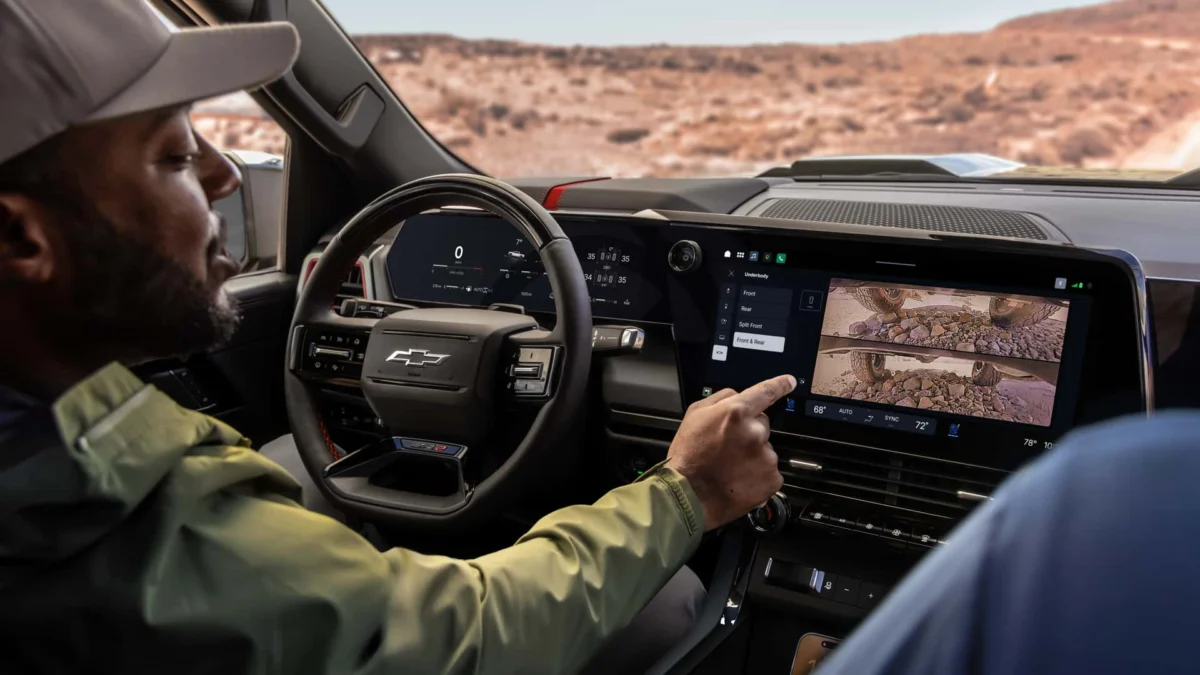
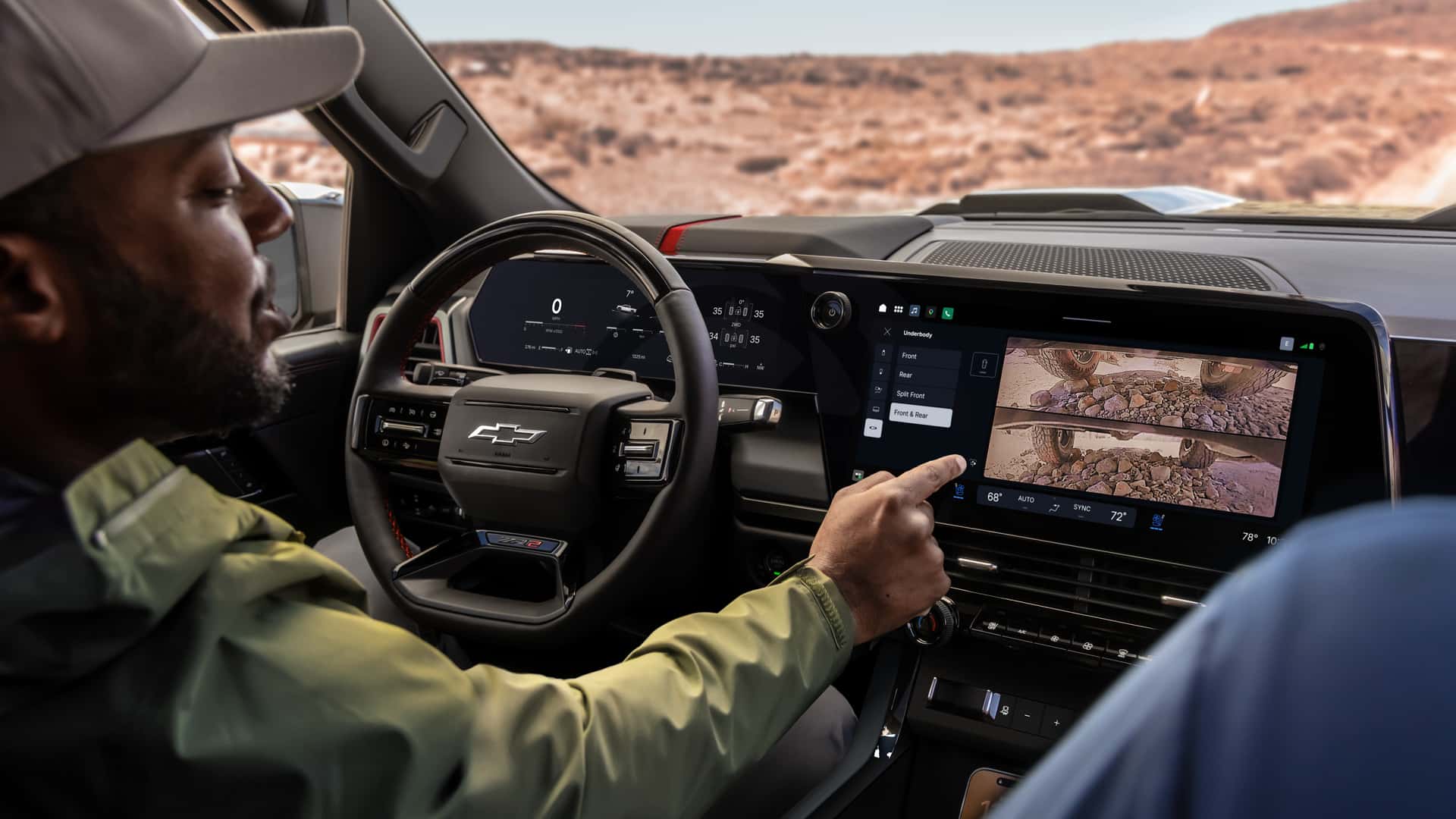
The new interface addresses one of the core complaints GM leveled against smartphone mirroring: the friction involved in switching between the vehicle’s native system and the phone interface. In the upcoming 2027 light-duty trucks, the system utilizes a high-resolution, high-contrast display that employs a split-view layout as its default state.
By casting the smartphone interface into a large window that occupies a significant portion of the infotainment screen, the new system allows for simultaneous operation. A driver can, for instance, maintain the vehicle’s native climate and off-road monitoring settings on one side of the screen while utilizing Apple Maps or Spotify via CarPlay on the other. This "integrated" approach effectively nullifies the argument that the native system and third-party apps must be mutually exclusive.
Official Statements and Clarifications
The ambiguity surrounding whether this rollout signals a total reversal for all GM vehicles has prompted further clarification from the manufacturer. In a formal statement provided to the press, a GM spokesperson emphasized the distinction between the capability of the software framework and the specific product roadmap.
"A ‘scalable foundation’ is intended to convey the flexibility of the framework, not necessarily signify future implementations across the entire portfolio," the spokesperson noted. The company pointed out that as gas-powered vehicles, the Silverado and Sierra were always slated to retain traditional connectivity features. The primary innovation, according to GM, is the refinement of the user interface to ensure that the coexistence of native and mirrored content is seamless and distraction-free.
Industry Implications and Market Sentiment
The decision to re-integrate these features represents a victory for consumer preference over manufacturer control. Several major automakers have taken divergent paths regarding this issue. While companies like Rivian and Tesla have maintained a "walled garden" approach—arguing that complete vertical integration of software is necessary for the future of autonomous driving—other manufacturers have doubled down on connectivity.
Ford, for example, has consistently maintained that Apple CarPlay and Android Auto are essential components of their user experience, citing customer satisfaction data that suggests these features remain top-tier priorities for buyers. The move by General Motors suggests that even the most ambitious software-first strategies must be tempered by the practical realities of the retail market. If a vehicle lacks the connectivity features a driver uses daily, the risk of brand attrition increases significantly.
Enhancements to the Native User Experience
Beyond the return of CarPlay and Android Auto, the 2027 interface update introduces significant improvements to the native software experience. The system is designed to be "mode-aware," meaning the digital gauge cluster adjusts its display based on the vehicle’s operating context.
For instance, when a driver engages the Super Cruise hands-free driving system, the display transforms to provide a 3D visualization of the vehicle’s surroundings. Using cameras and sensors, the screen displays lane markers, detected vehicles, and traffic flow in real-time, providing the driver with greater transparency into the system’s "vision." Similarly, when the vehicle is placed in off-road mode, the interface highlights relevant telemetry, such as pitch, roll, and tire pressure, ensuring that the most critical information is available without the need to navigate through complex sub-menus.
The Future of the "Software-Defined" Vehicle
The broader implication of this change is the shifting definition of what constitutes a "software-defined vehicle." For years, the industry narrative suggested that software-defined meant "proprietary software." However, the current trend indicates that the most successful vehicles will likely be those that act as a platform for third-party innovation rather than those that attempt to replace it.
By adopting a flexible, scalable architecture, GM is positioning its future infotainment systems to be more adaptable to changing consumer trends. This modularity allows the company to deploy updates more rapidly, potentially bridging the gap between its long-term vision of an AI-driven, autonomous, and proprietary digital ecosystem and the immediate, practical needs of the modern driver.
Concluding Analysis
The return of smartphone mirroring to General Motors’ high-volume truck segment is a pragmatic concession to the realities of the modern automotive marketplace. While the company continues to push for deeper, more sophisticated integration within its own proprietary systems, it has recognized that consumer choice is a non-negotiable factor in vehicle design.
As the industry moves toward 2027 and beyond, the success of this new UI will likely serve as a blueprint for other manufacturers. If the integrated, side-by-side display proves effective at reducing driver distraction while maintaining the utility of smartphone connectivity, it may well become the new industry standard. For now, the move represents a rare and significant pivot, demonstrating that even the largest automotive entities must remain agile in response to the clear and consistent demands of their user base. The focus now shifts to whether this "scalable foundation" will eventually find its way into the company’s electric vehicle portfolio, potentially completing a full circle in GM’s digital strategy.