
United Airlines CEO Scott Kirby has confirmed that the carrier’s aggressive deployment of SpaceX’s Starlink satellite internet currently serves as its most potent competitive advantage within the United States aviation sector. While acknowledging that this technological edge remains inherently temporary as rival airlines eventually adopt low-Earth-orbit (LEO) broadband infrastructure, United is moving swiftly to capitalize on its multi-year head start. The airline plans to leverage this connectivity window to convert trial users into long-term, loyal customers who utilize its broader ecosystem of technological, physical, and digital upgrades.
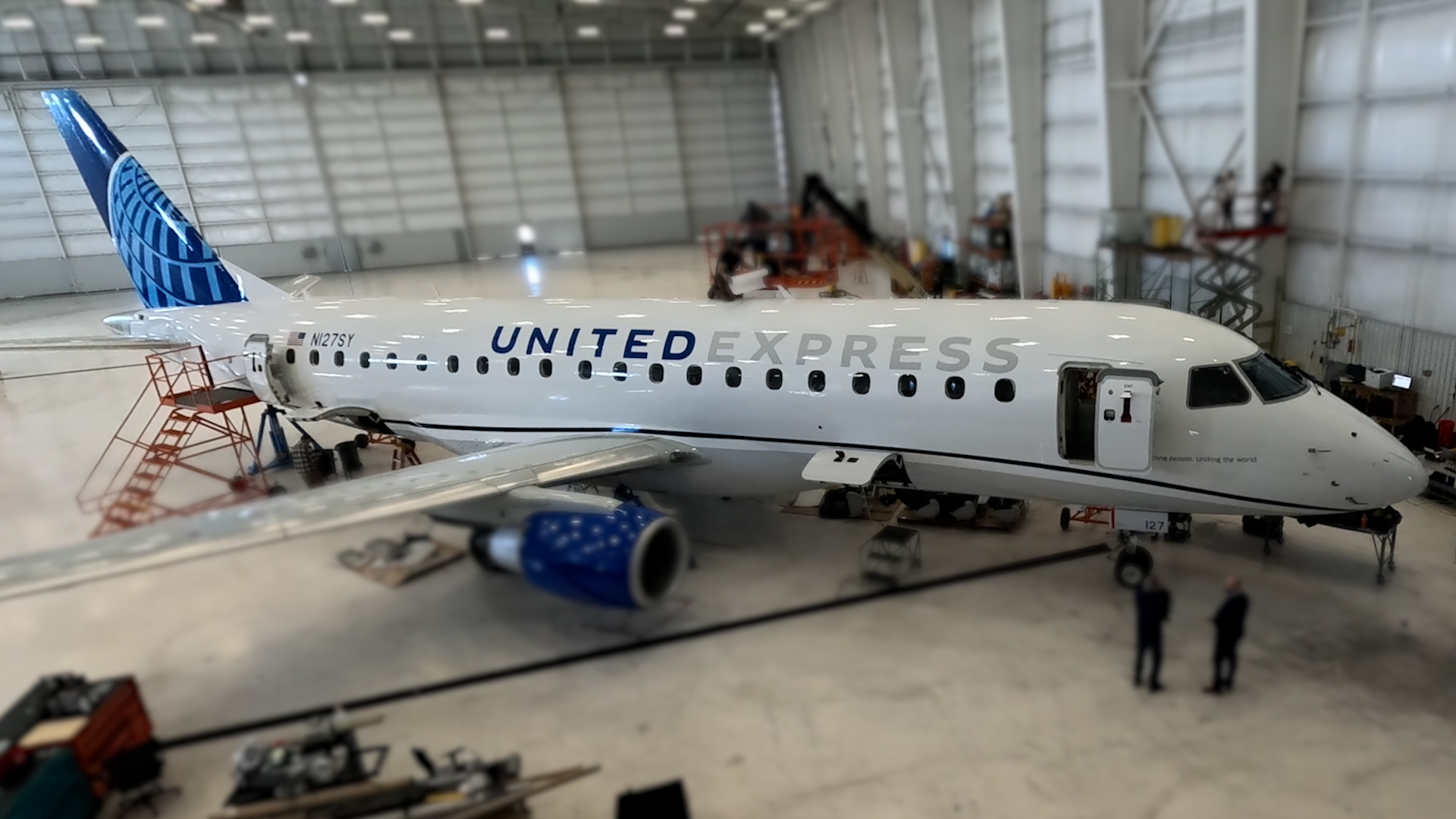
The rollout pace underscores a decisive strategy to pull ahead of major domestic competitors. As of late October 2026, Starlink hardware has been successfully installed on approximately 43 percent of United’s operating fleet. The airline’s current roadmap outlines reaching 61 percent fleet coverage by the end of 2026, scaling to 87 percent by June 2027, and achieving complete fleet-wide integration before the close of next year. Industry analysts note that United currently operates a larger volume of Starlink-equipped flights than all other U.S. carriers combined, establishing a distinct operational footprint in the commercial skies.
Chronology and Operational Expansion
United’s integration of SpaceX’s LEO constellation has accelerated rapidly since initial flight trials commenced. The carrier’s operational milestones trace a clear trajectory toward total network saturation:

- Early Integration Phase (2025–Mid 2026): Initial testing and passenger flight rollouts begin, focusing on specific domestic routes out of key hubs such as Chicago and Detroit. Customer satisfaction scores for Wi-Fi on these equipped aircraft instantly double compared to legacy air-to-ground systems.
- Late 2026 Milestone: Fleet-wide integration reaches the 43 percent threshold by October, with projections targeting 61 percent coverage by December. Los Angeles International Airport (LAX) is officially slated to become United’s premier 100 percent Starlink hub during the first half of 2027.
- 2027 Projection Horizon: Fleet coverage is slated to hit 87 percent by June 2027, culminating in 100 percent deployment across mainline and regional operations by the end of the year. Concurrently, the United mobile application will introduce dynamic tracking features allowing passengers to view the specific Starlink equipment odds for their scheduled flights prior to departure.
This aggressive timeline leaves competing legacy carriers struggling to catch up. While Southwest Airlines initiated its own installation schedule in 2025 with expectations of swift completion, Delta Air Lines has opted to pursue Amazon’s competing LEO network architecture. Meanwhile, American Airlines has indicated plans to begin Starlink integration in early 2027, though comprehensive deployment timelines for its regional fleet remain unannounced. This divergence in procurement and execution schedules grants United a clear multi-year monopoly on large-scale, high-speed aviation broadband.
Capitalizing on the Head Start
Kirby’s primary objective relies on behavioral economics: utilizing superior connectivity as a customer acquisition tool while relying on the airline’s broader product investments for retention. Early data indicates that the strategy is yielding tangible results. Passengers loyal to competing carriers have reportedly altered their travel itineraries to secure Starlink-equipped flights. United, alongside American Airlines, has previously utilized targeted status-match programs to lure disgruntled flyers. Early indications suggest that incoming passengers are transitioning to co-branded airline credit cards, signaling a permanent shift in brand allegiance.

Once onboard, travelers encounter a modernized cabin experience designed to complement the digital upgrade. Investments include enlarged overhead storage bins, upgraded seat-back entertainment screens with high-definition displays, and a streamlined mobile application infrastructure that independent tech evaluations frequently rank above industry averages. Wi-Fi customer satisfaction metrics on Starlink-equipped aircraft consistently score nearly double those of legacy connectivity systems, validating the core technological thesis.
Industry Implications and Financial Targets
The aggressive push for connectivity is directly tied to United’s broader financial architecture, which includes achieving a sustainable 10 percent pre-tax margin goal. High-speed, low-latency internet is no longer viewed as a peripheral amenity; it is a fundamental requirement for business travelers, remote professionals, and premium ticket holders who demand continuous connectivity for video conferencing, cloud computing, and real-time media streaming.

However, airline executives remain cognizant of the fleeting nature of hardware-based monopolies. As LEO satellite constellations from SpaceX, Amazon, and other providers achieve global saturation, high-speed inflight internet will transition from an exclusive differentiator to a standard utility expected across all commercial flights. Consequently, United’s long-term success will hinge on whether its operational excellence, fleet comfort, and digital ecosystem can permanently retain the customer base secured during its current window of exclusivity. By pressing its technological advantage today, United is attempting to build an institutional moat that will withstand the eventual commoditization of in-flight broadband.