The global electric vehicle landscape has shifted dramatically over the past several years, with Chinese automakers consistently pushing the boundaries of what consumers can expect from entry-level transportation. Leading this charge is Build Your Dreams, globally known as BYD, which has officially launched the second-generation iteration of its phenomenally successful Seagull electric hatchback. Priced aggressively in its domestic market starting at just 62,900 yuan (approximately $9,500 USD) with limited-time promotional incentives, and standard retail pricing beginning at 65,900 yuan ($9,900 USD), the heavily revised city car redefines the parameters of budget-friendly mobility.
Beyond its remarkable price point, the newly engineered subcompact introduces sophisticated safety hardware historically reserved for luxury segments. Most notably, the vehicle integrates a revolutionary high-speed tire blowout stabilization system engineered to maintain complete lane control at speeds reaching up to 140 kilometers per hour (roughly 87 miles per hour). This technological leap, paired with substantial dimensional growth, enhanced cabin luxury, improved powertrain dynamics, and cutting-edge battery charging capabilities, underscores BYD’s aggressive strategy to dominate both domestic volume sales and international export markets.
Background Context and Evolution of the Seagull Platform
The journey of the BYD Seagull represents a masterclass in rapid product iteration and market responsiveness. When the first-generation Seagull debuted, it quickly captured the imagination—and wallets—of Chinese consumers, cementing itself as a cornerstone of BYD’s extensive "Ocean Series" lineup. Designed to democratize electric vehicle ownership, the original model successfully lowered the barrier to entry for zero-emission driving, proving that affordable urban EVs did not need to compromise on build quality or core functionality.
As the vehicle’s popularity transcended Chinese borders, BYD adapted its branding and distribution for international audiences. In European and United Kingdom markets, the hatchback found commercial footing under the moniker Dolphin Surf, while other global emerging markets embraced it as the Dolphin Mini. Despite this international acclaim, market feedback highlighted specific areas for optimization, including rear-seat passenger capacity, high-speed ride comfort, and cabin technology integration.
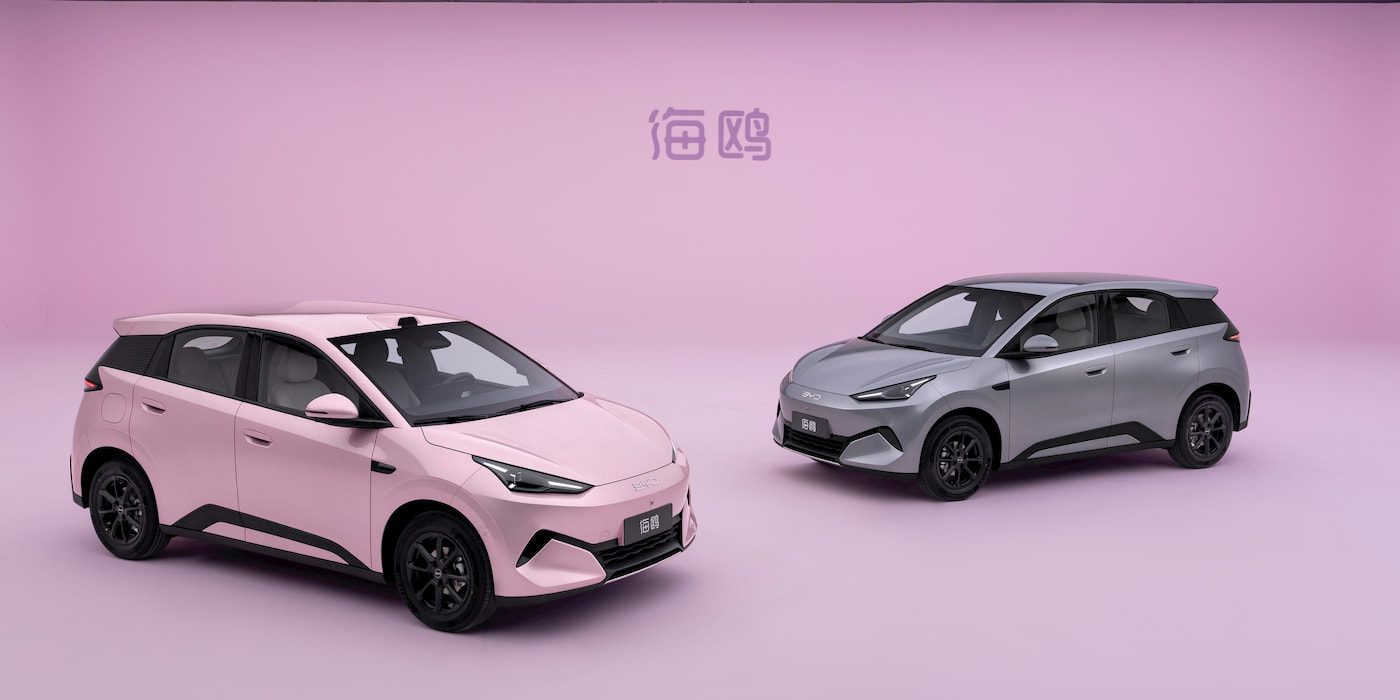
Rather than resting on its laurels, BYD initiated a comprehensive engineering overhaul for the second-generation platform. The vehicle transitioned from a four-passenger layout to a fully certified five-passenger vehicle, facilitated by significant structural expansion. The new Seagull measures 4,205 millimeters in length, 1,810 millimeters in width, and 1,570 millimeters in height, anchored by a stretched wheelbase spanning 2,650 millimeters. Compared to its predecessor, the vehicle is an impressive 425 millimeters longer with a 150-millimeter extension in its wheelbase, fundamentally transforming interior packaging and legroom.
Engineering Breakthroughs: High-Speed Tire Blowout Stability
The most striking technological inclusion in the second-generation BYD Seagull is its standard-equipped high-speed tire blowout stability system. Catastrophic tire failures at highway velocities traditionally pose severe safety risks, often resulting in sudden loss of vehicle control, unintended lane departures, and dangerous rollovers—particularly in lightweight, short-wheelbase urban vehicles.
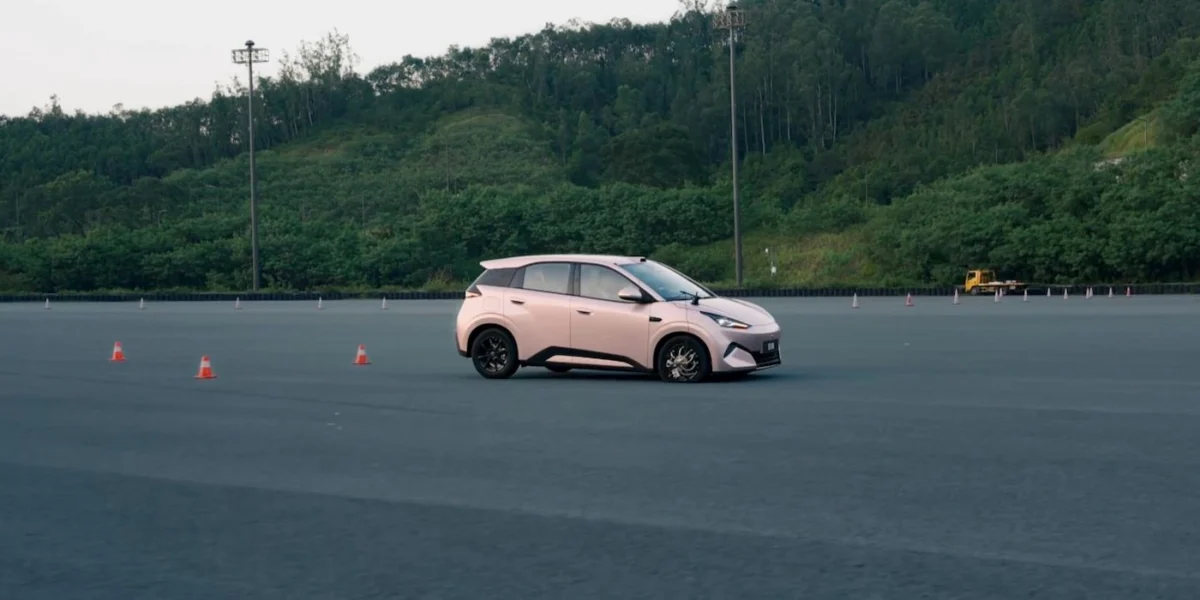
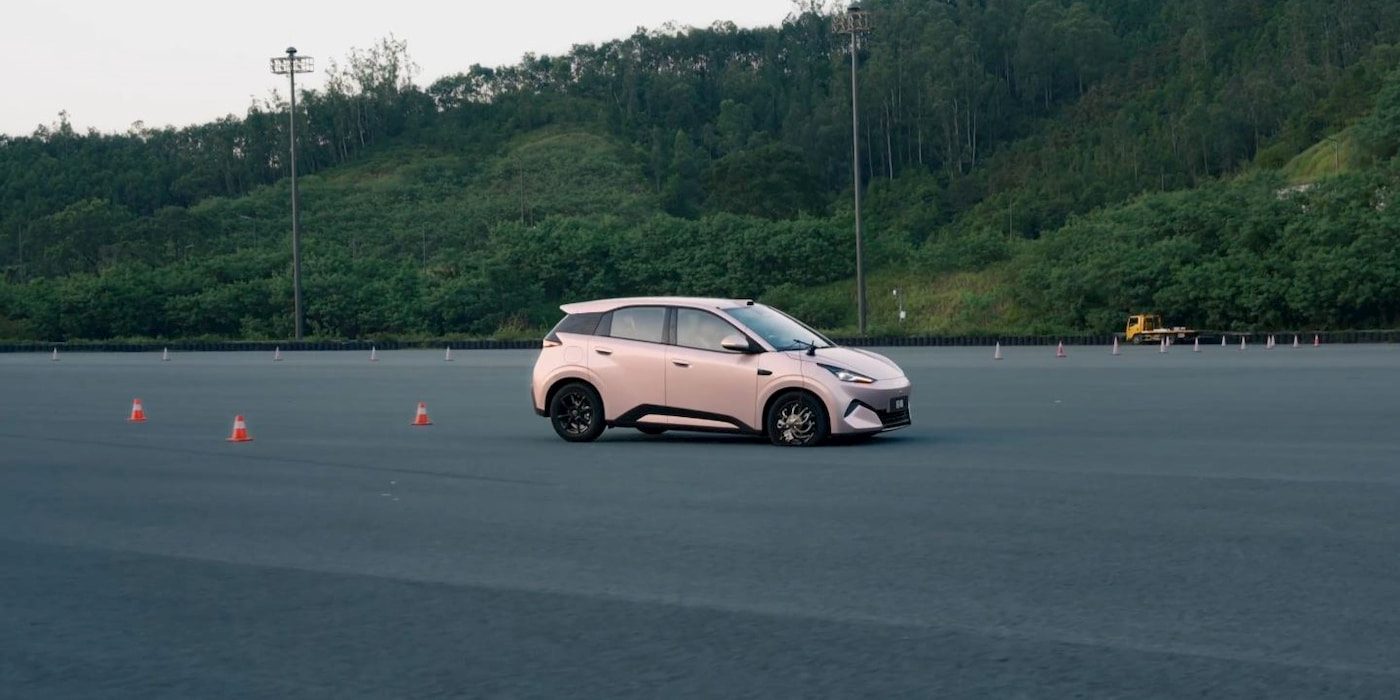
To demonstrate the efficacy of this proprietary stabilization technology, Zhang Zhuo, General Manager of BYD’s Ocean Series, released rigorous testing footage. In the demonstration, the updated Seagull experiences an intentional high-speed tire blowout while traveling at a brisk 140 km/h (87 mph). Remarkably, the vehicle exhibits minimal trajectory deviation, allowing the driver to maintain absolute lane composure and safely bring the hatchback to a controlled, complete stop. Industry analysts have praised the inclusion of this active safety feature as a major milestone for micro-cars, effectively bridging the safety gap between entry-level commuters and premium highway cruisers.
In addition to blowout mitigation, the vehicle embraces advanced autonomous driving hardware. Higher-tier trims of the new Seagull feature a roof-mounted LiDAR sensor suite, enabling buyers to upgrade to the sophisticated DiPilot 300 intelligent driving assistance system. Powered by BYD’s proprietary "God’s Eye" architecture, the advanced driver-assistance system (ADAS) introduces capabilities such as City Navigation on Autopilot (CNOA) and automated smart parking routines, bringing semi-autonomous navigation to the sub-$15,000 vehicle segment.
Powertrain, Blade Batteries 2.0, and Ultra-Fast Charging Performance
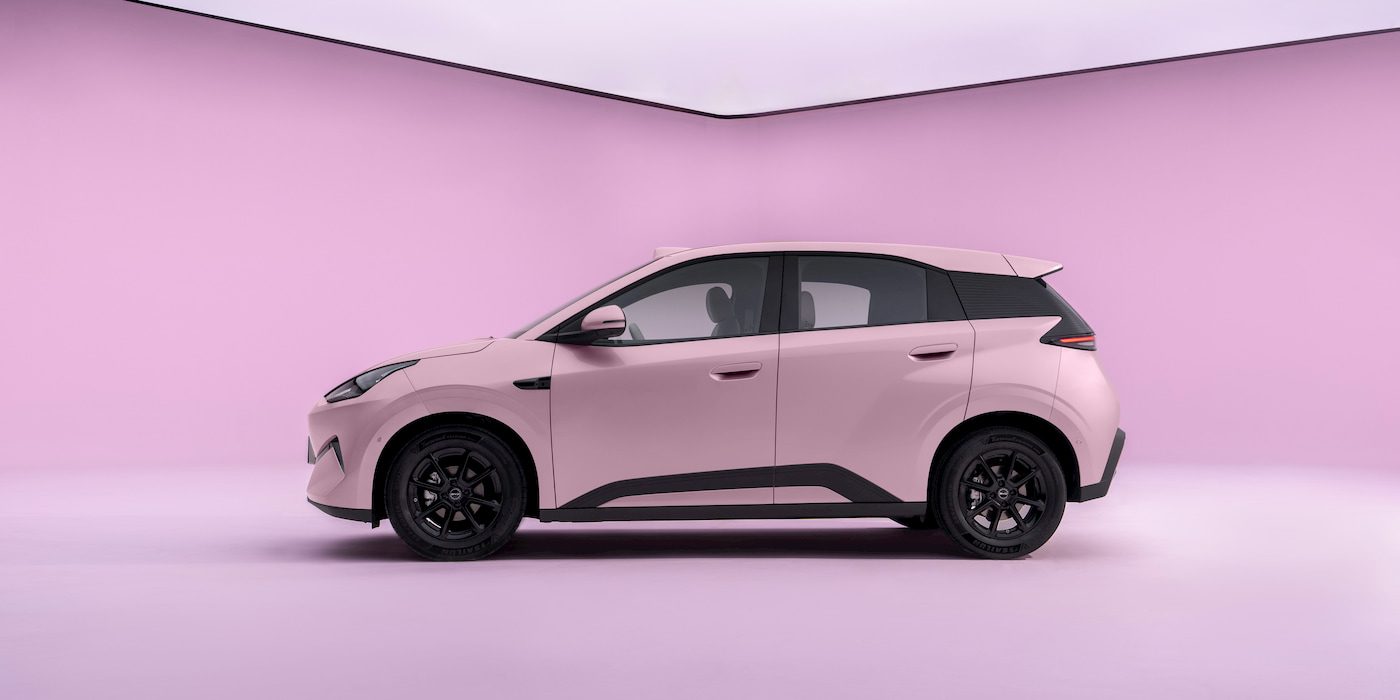
Underneath its aerodynamic exterior, the second-generation Seagull benefits from a complete mechanical overhaul. Moving away from the rear-wheel-drive or modest front-drive setups of the past, the new model adopts a front-wheel-drive layout powered by significantly more robust permanent magnet synchronous motors. Buyers can choose between motor configurations outputting 85 kW (114 horsepower) and 95 kW (127 horsepower), representing a massive leap from the modest 55 kW (75 horsepower) motor found in the original generation. To match this increased power output and refine ride dynamics, BYD engineers discarded the torsion beam rear setup in favor of a sophisticated multi-link independent rear suspension system, vastly improving handling agility and cabin ride comfort over uneven road surfaces.
Energy storage and replenishment represent another area of dramatic advancement. The Seagull utilizes BYD’s next-generation Blade Batteries 2.0 paired with advanced Flash Charging Technology. The vehicle is offered with two distinct Lithium Iron Phosphate (LFP) battery pack capacities: a 30.1 kWh unit delivering a CLTC-rated driving range of 320 kilometers (199 miles), and a larger 39.2 kWh pack extending the CLTC range to 420 kilometers (261 miles).
The charging performance figures are particularly revolutionary for an entry-level platform. When plugged into a high-powered DC fast-charging station, the battery can replenish its energy state from 10% to 70% in a mere five minutes. A nearly complete charge from 10% to 97% requires just nine minutes. Furthermore, BYD has engineered thermal management systems specifically designed for extreme climates; even in punishing sub-zero ambient temperatures plunging to -30°C, the battery package can charge from 20% to 97% in just 12 minutes, effectively mitigating the range anxiety and cold-weather charging degradation that traditionally plague electric vehicles.
Interior Refinements and Luxury Amenities
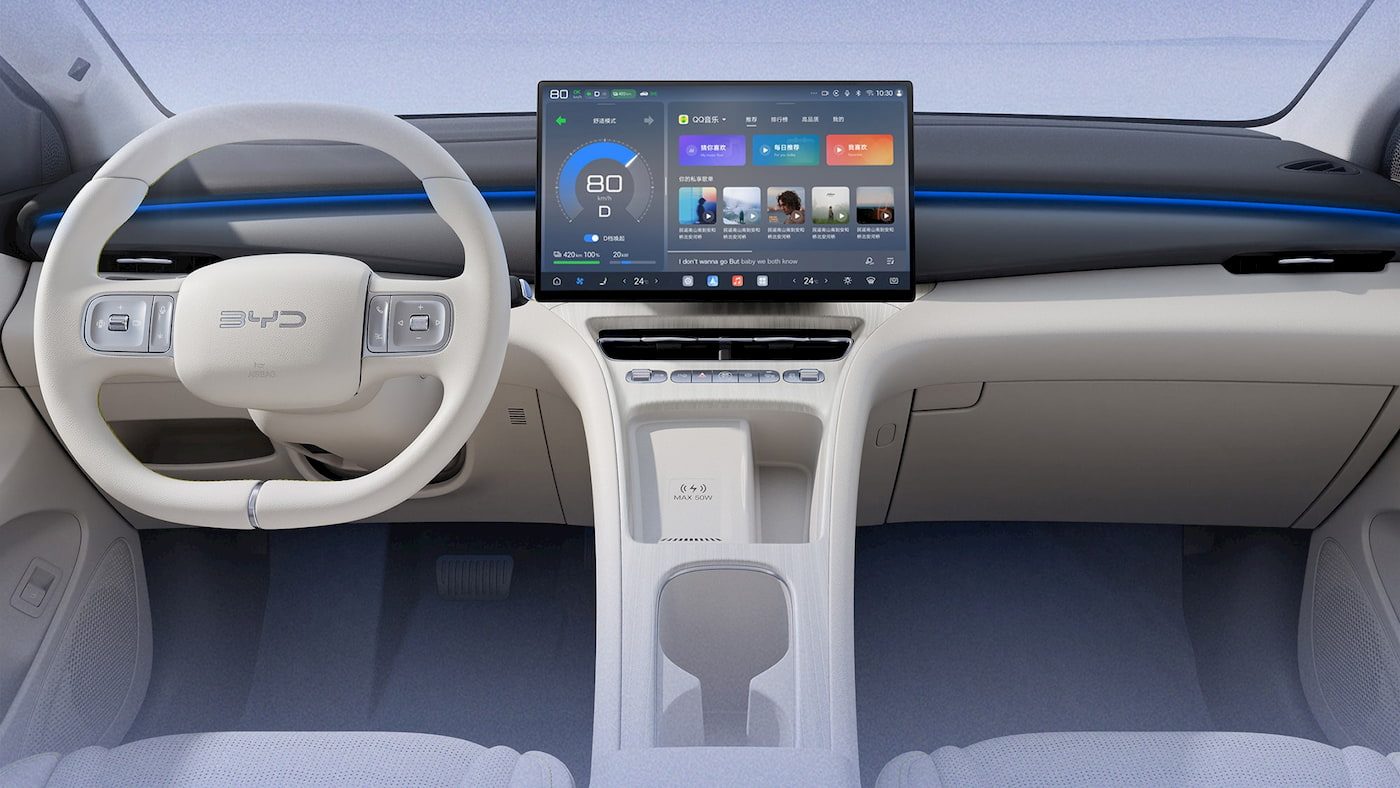
Stepping inside the cabin, occupants are greeted by a significantly more upscale interior environment that defies the vehicle’s budget-friendly pricing structure. The dashboard is anchored by a prominent 15.6-inch central infotainment touchscreen running BYD’s responsive DiLink 150 smart cockpit software interface. This system provides seamless smartphone integration, voice-activated controls, and over-the-air software update capabilities.
To enhance passenger comfort during long journeys, BYD integrated premium amenities traditionally reserved for luxury executive sedans. The front seating configuration now features integrated heating, ventilation, and multi-mode massage functions. Practicality has also been prioritized through clever cabin storage solutions, ambient interior mood lighting, and a high-output 50-watt wireless smartphone charging pad located conveniently on the center console.
Market Pricing and Global Implications
The commercial rollout of the second-generation Seagull spans five distinct trim variants in China, with retail pricing structured between 65,900 yuan and 99,900 yuan (approximately $9,900 to $15,000 USD) before accounting for promotional trade-in incentives. By maintaining an aggressively low entry price while packing the vehicle with advanced safety equipment, cutting-edge infotainment, and ultra-fast charging capabilities, BYD has effectively escalated the price-to-performance war within the global automotive sector.

Industry observers and economic analysts suggest that the launch of this second-generation platform holds profound implications for legacy automakers. As BYD prepares to transition the updated hatchback to international export markets under its established global nomenclature—such as the Dolphin Surf and Dolphin Mini—foreign competitors face mounting pressure to develop competing affordable electric vehicles. Traditional automotive manufacturers in Europe, North America, and other major markets have struggled to engineer profitable EVs priced below the $20,000 threshold, let alone incorporate advanced driver-assistance systems and rapid-charging battery architecture at a sub-$10,000 price point.
Ultimately, the second-generation BYD Seagull demonstrates that affordable electric mobility no longer requires utilitarian compromises. By merging high-speed safety innovations, luxury-grade interior amenities, and revolutionary charging speeds into an accessible urban package, BYD continues to cement its status as a formidable global titan in the ongoing transition toward sustainable transportation.