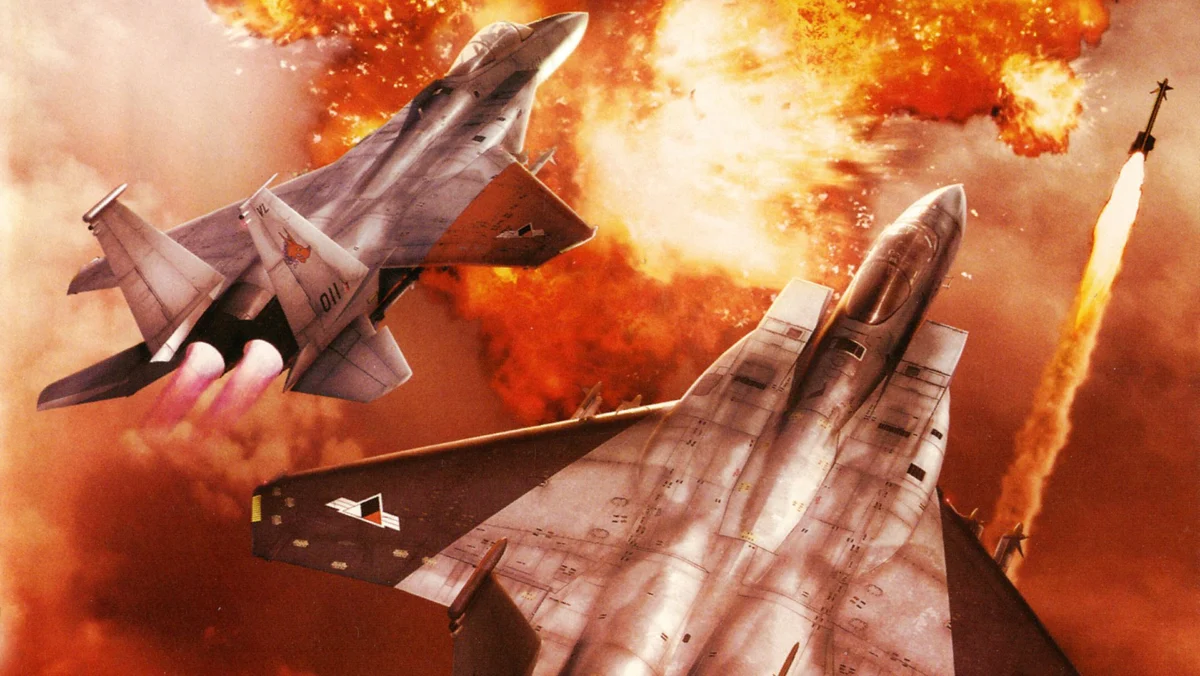
The highly anticipated launch of Ace Combat 8: Wings of Theve, the latest installment in Bandai Namco’s long-running aerial combat franchise, has been overshadowed by significant consumer dissatisfaction regarding the implementation of its primary pre-order incentive. While the title officially debuts this Thursday, a subset of the player base who secured the $90 Deluxe Edition gained early access, providing an immediate window into the technical execution of the game’s delivery method. Central to the brewing controversy is the inclusion of Ace Combat Zero: The Belkan War, a beloved 2006 title that had remained absent from the PC platform until this release. Despite being marketed as a significant bonus for standard and premium edition pre-orders, the integration of Zero has resulted in a wave of negative reviews on Steam, currently threatening the title’s overall reception.
A Discrepancy in Product Delivery
The core of the issue lies in a perceived "bait-and-switch" regarding how the legacy title is accessed by users. Early documentation and promotional materials suggested that Ace Combat Zero would be provided as a standalone application, a detail that resonated strongly with long-time fans of the franchise who viewed the inclusion as a major selling point. However, upon the rollout of the early access period, players discovered that the game is not a standalone executable but rather a DLC package tethered strictly to the 140GB installation of Ace Combat 8.
For a legacy title originally released during the PlayStation 2 era—a game that occupies roughly 3GB of disk space—the requirement to install the entire 140GB footprint of the new title has drawn sharp criticism from the PC community. This technical decision has implications for both storage management and user experience, particularly for those on limited data plans or smaller SSDs. Furthermore, the absence of separate Steam achievements and cloud save support for the Zero component has highlighted a lack of parity between the PC version and its console counterparts. On platforms like the PlayStation 5, Zero is often handled with greater integration flexibility, allowing for a more seamless legacy experience that the Steam release currently fails to replicate.
Chronology of the Development and Launch
The excitement for Ace Combat 8 began in earnest following its announcement, with Bandai Namco leveraging nostalgia to drive pre-orders. By mid-September, the developer confirmed the inclusion of The Belkan War as a "thank you" to the community.
- September 28: During an official developer livestream, representatives addressed the inclusion of Ace Combat Zero. They noted that the licensing agreements for the real-world aircraft featured in the 2006 title were complex and only permitted the distribution of the game as a free add-on, rather than a standalone commercial product.
- Early Access Period (Pre-Launch): As the $90 Deluxe Edition owners began to download the game, the reality of the implementation became clear. The store page descriptions were updated to clarify that Zero is a "DLC executable," causing immediate friction among the player base.
- Current Status: With nearly 1,000 negative reviews logged on Steam, the platform is witnessing a sharp divide between those enjoying the core gameplay of the new release and those frustrated by the technical architecture of the pre-order bonus.
Technical Limitations and Licensing Constraints
Bandai Namco’s reliance on licensing restrictions to explain the current delivery method has met with skepticism from technical analysts and the community. While the developer maintains that the legal framework surrounding the aircraft models—which includes intellectual property from various aerospace manufacturers—prevents a standalone release, industry precedents suggest alternative paths were available.
The industry has seen similar challenges addressed through clever distribution models. For instance, the Hitman World of Assassination trilogy successfully managed legacy content through "Access Passes." These passes function as distinct entries in a user’s library or as DLC add-ons that do not necessarily force the installation of the entire primary game suite if not desired. Critics point out that even if the game could not be sold independently, creating a separate "app ID" on Steam would have allowed players to install and manage the 3GB legacy title without the overhead of the massive 140GB base game. The failure to adopt such a modular approach has been interpreted by some as a lack of consideration for PC-specific usage patterns.
The Broader Impact on Consumer Trust
The controversy surrounding Ace Combat 8 highlights a broader tension between publishers and the PC gaming audience. When a publisher markets a "standalone" experience, the expectation is that the product will operate with the flexibility inherent to the PC platform. By bundling a legacy title into a massive modern installation, the developer has inadvertently created a barrier to entry for the very fans they intended to reward.
The technical complaints go beyond the Zero issue, however. Many users have cited broader concerns, including:
- Flight Physics: A segment of the community feels the flight model in Wings of Theve is overly "weighty" compared to the arcade-style responsiveness of previous entries.
- Peripherals: A lack of robust HOTAS (Hands-On Throttle-and-Stick) support has been a frequent point of contention, as the flight simulation community generally expects high-end peripheral compatibility as a baseline feature.
- Connectivity: Multiplayer stability during the early access launch window has been noted as inconsistent, further compounding the negative sentiment.
Analyzing the Future Outlook
The long-term impact on the success of Ace Combat 8 will depend largely on whether Bandai Namco chooses to address these technical grievances. While the core gameplay of the eighth installment is being praised by some for its graphical fidelity and mission design, the negative sentiment regarding the "Zero" bonus is likely to persist until a patch or update provides a more modular installation process.
For publishers, the event serves as a case study in the importance of clear communication. The transition from promising a "standalone application" to delivering a "DLC executable" represents a failure in expectations management. In the competitive landscape of the digital storefront, where user reviews serve as a critical gatekeeper for potential buyers, these technical missteps can have lasting consequences on a game’s "Mostly Mixed" or "Mostly Negative" rating.
As more players join the server on the official launch day, the weight of these reviews will either solidify into a permanent critique of the product or be diluted by the broader player base. However, the situation remains a cautionary tale about the complexities of porting and bundling legacy content in the modern age. Bandai Namco has yet to issue a formal statement regarding a potential "de-coupling" of the Zero executable from the base game, but the pressure from the community continues to mount. For now, the legacy of The Belkan War remains tied to the fate of Wings of Theve, an entanglement that neither the developer nor the players seem entirely satisfied with. The industry will be watching closely to see if post-launch updates provide the modularity that the community is currently demanding.