The Rise of the Quadruped Economy
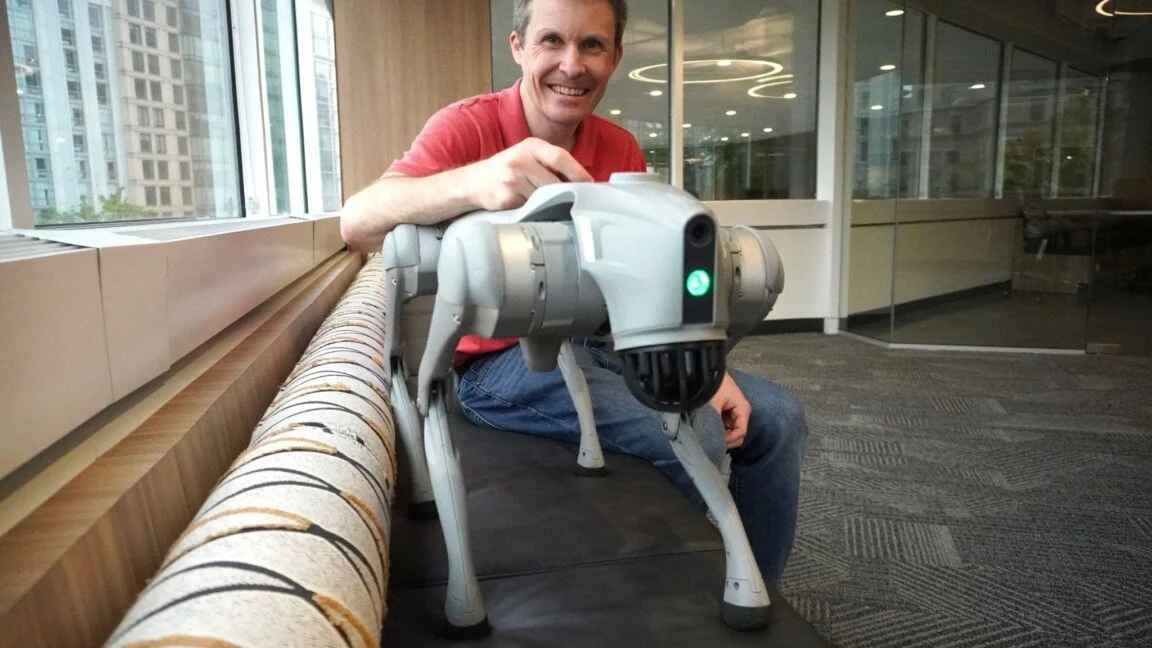
Unitree, a Chinese robotics firm founded by Wang Xingxing in 2016, has fundamentally altered the robotics industry by democratizing access to complex hardware. Historically, quadruped locomotion was the exclusive domain of elite research institutions and deep-pocketed defense contractors. For years, companies like Boston Dynamics, with their iconic Spot robot, defined the state of the art. However, Boston Dynamics’ units often carried price tags in the tens of thousands of dollars, effectively walling off the technology from smaller laboratories, startups, and individual enthusiasts.
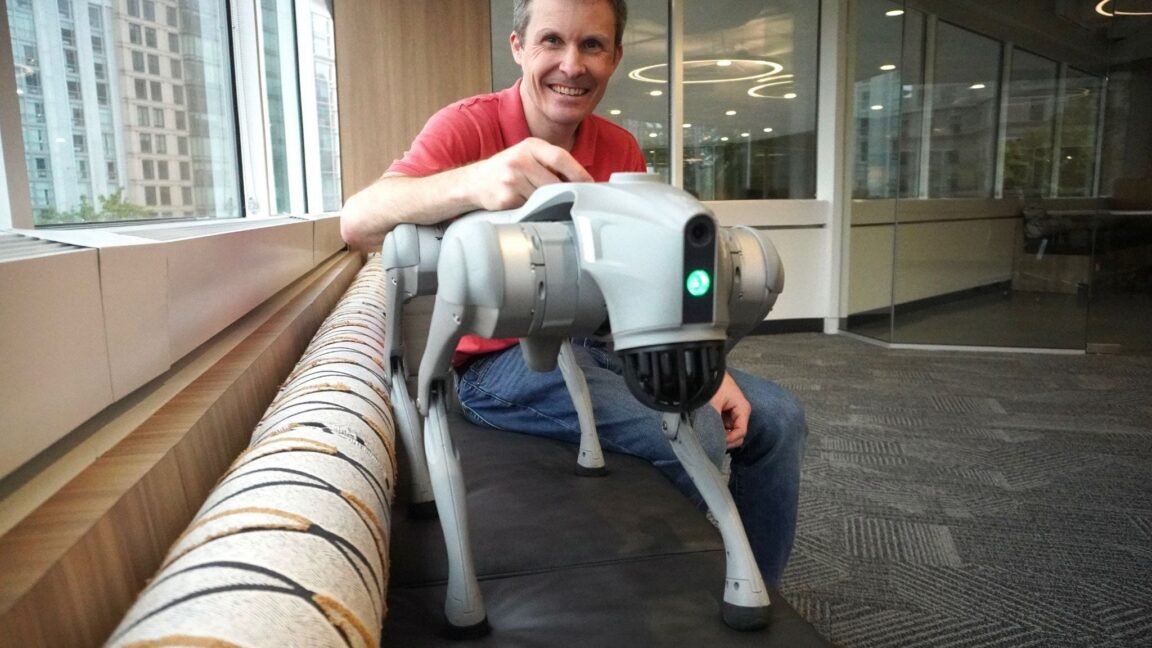
Wang, who developed an early prototype known as XDog for his master’s thesis, explicitly aimed to bridge the gap between industrial-grade machinery and consumer accessibility. By 2021, the launch of the Go1 series signaled a shift in strategy, offering a base model for approximately $2,700. This trend continued with the Go2, which introduced enhanced mobility and sensor arrays at even lower price points. By the time of the 2026 market evaluation, the Go2 Pro was retailing for roughly $4,000, a price point that, while significant for a consumer, represents a 95 percent reduction in cost compared to legacy industrial competitors.
Technical Foundations and Cost-Saving Strategies
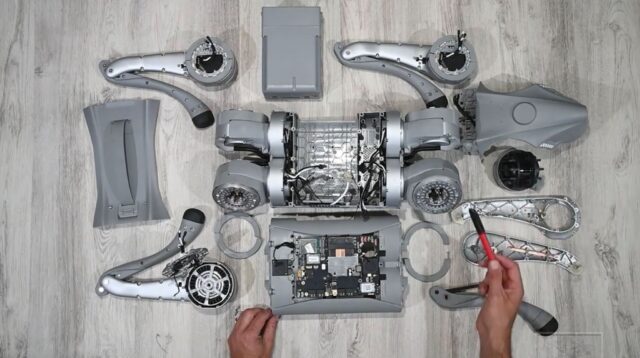
The engineering philosophy behind Unitree’s success is rooted in aggressive simplification and vertical integration. A teardown of the Go2 Air conducted by the engineering firm Simplexity revealed a design focused on modularity and component reuse. Each of the robot’s four legs is powered by three identical motors, an arrangement that drastically reduces the number of unique parts required for assembly. This "parts commonality" approach allows for economies of scale that are rarely seen in low-volume specialized robotics.
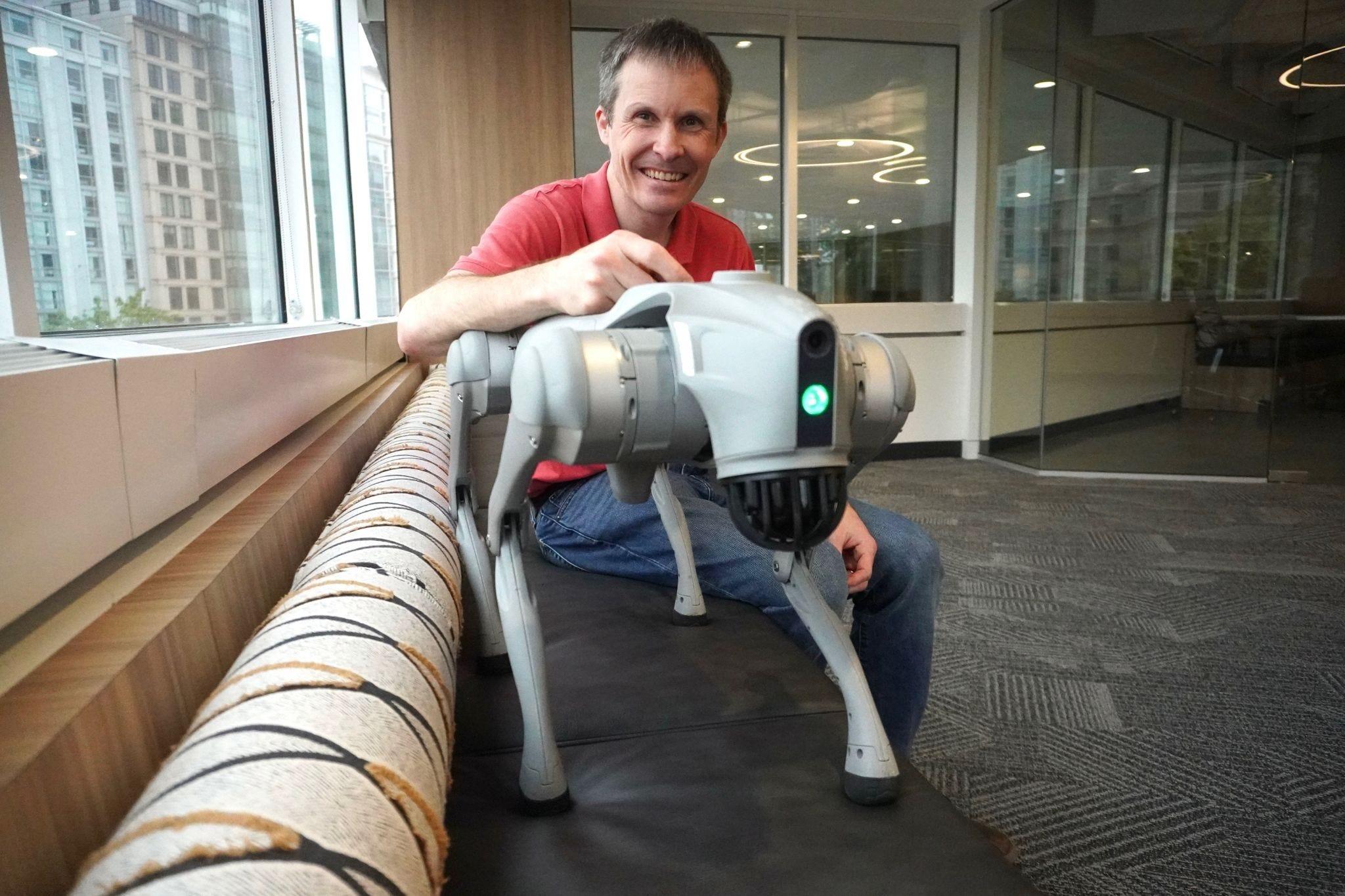
Furthermore, Unitree’s mechanical strategy departs from traditional industrial design. While high-end robots often utilize complex, high-ratio gear reducers to achieve precise, rigid movement, Unitree employs lower gear ratios (specifically 6.33-to-1) paired with more powerful, in-house designed motors. This design choice results in a higher degree of "backdriveability," allowing the robot to sense physical resistance and yield gracefully when it encounters obstacles. While this may sacrifice the extreme precision required for factory-floor assembly lines, it provides the agility and responsiveness necessary for navigating unpredictable outdoor environments.
The Shift to Humanoids
Following its success in the quadruped market, Unitree has pivoted aggressively toward the humanoid sector. The company launched the H1 in 2023, followed by the more advanced G1 in 2024. The G1, which features 23 motors—compared to the 12 found in the Go2 quadruped—represents a significant leap in complexity. Despite this, Unitree has managed to price the consumer version of the G1 at approximately $13,500.
The financial data underscores the success of this transition. According to filings related to the company’s August 2026 Shanghai stock market debut, revenue from humanoid units saw an eightfold increase between 2024 and 2025. By 2025, humanoids accounted for over half of the company’s total revenue, cementing Unitree’s position as a leader in a market that many analysts believe will define the next decade of automation.
Comparative Market Analysis and Geopolitical Implications
The rapid ascent of Unitree invites comparisons to DJI, the drone manufacturer that effectively monopolized the global aerial photography market by moving the most difficult components—such as flight controllers and gimbals—in-house. By controlling the entire manufacturing stack, Unitree has achieved cost efficiencies that Western startups, which often rely on third-party suppliers for motors and sensors, struggle to match.
However, this growth has occurred against a backdrop of increasing geopolitical tension. The United States and other Western nations have begun to view the proliferation of Chinese-manufactured robotics as a potential national security concern. In June 2026, bipartisan legislation was introduced in the U.S. House of Representatives specifically targeting the import of Chinese robotics, with Unitree explicitly named in official communications. Subsequent regulations imposed by the FCC in July 2026 further tightened the net, signaling a potentially difficult road for the company’s expansion in the American market.
Challenges and Future Outlook
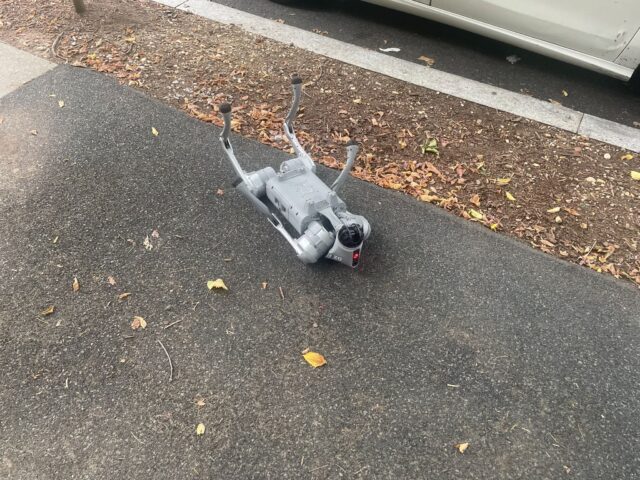
Despite its market dominance, Unitree’s products are not without significant flaws. The software ecosystem remains a point of frustration for many users. Bugs in the control applications, intermittent connectivity, and the failure of features like autonomous stair-climbing or human-following remain common complaints. The incident where a unit collapsed during a commute, potentially due to overheating or power management failures, highlights the "rough edges" inherent in pushing bleeding-edge technology to the mass market.
Furthermore, competition within China is intensifying. While Unitree maintains its lead in quadrupeds, firms like AgiBot are making significant strides in the humanoid sector, at times outselling Unitree in the domestic Chinese market. The existence of these smaller, highly specialized rivals suggests that the era of rapid iteration and cost-cutting is far from over.
The broader implication of this technological trajectory is the potential for a bifurcated global market. If Western nations continue to restrict access to Chinese hardware, they risk creating a "robotics backwater" where domestic firms are protected but potentially slower to innovate due to the lack of competitive pressure and manufacturing efficiencies enjoyed by their Eastern counterparts. As the industry moves toward integrating AI into mobile hardware, the ability to produce affordable, reliable robots will likely become a critical measure of national technological capacity.

For now, the Unitree experience—one of both wonder and frustration—serves as a preview of a world where robotic companions are no longer science fiction, but consumer commodities. Whether these machines will evolve into useful household helpers or remain expensive, sophisticated novelties depends on the industry’s ability to bridge the gap between the current state of "buggy" hardware and the promise of robust, autonomous utility. As the company prepares for its next phase of growth, it remains at the center of a technological arms race that is rewriting the rules of industrial production and global trade.