











In a major blow to illicit high-tech supply chains, Malaysian customs authorities have intercepted a massive shipment of advanced artificial intelligence hardware valued at over $12 million (49.5 million Malaysian ringgit). The operation marks one of the most significant single-day seizures of high-performance computing components in the region, highlighting the growing black market demand for specialized AI hardware under strict international trade restrictions.
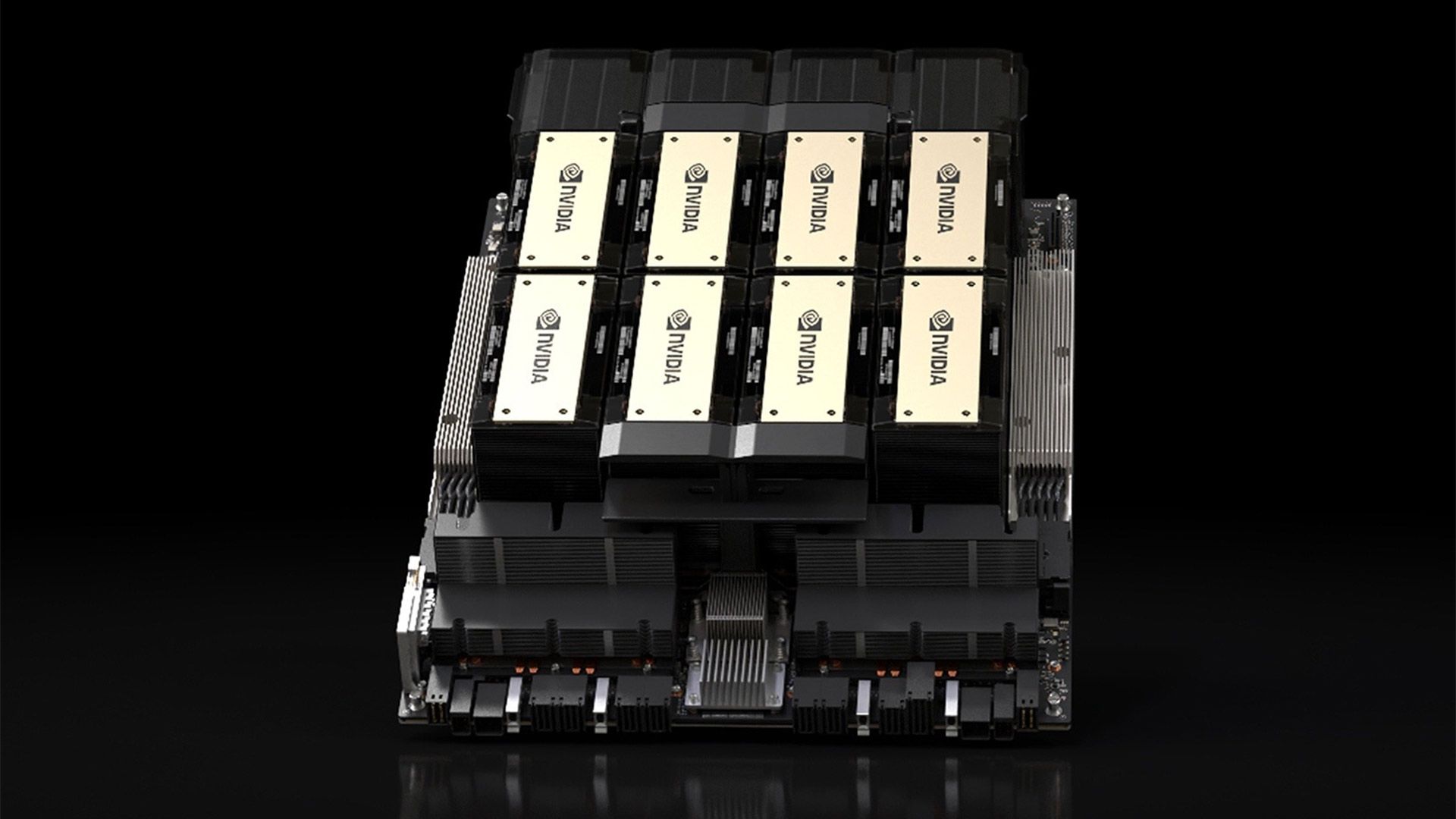
According to official reports released on October 28, the bust took place on October 15 at the free trade zone of Kuala Lumpur International Airport. Customs enforcement teams targeted a suspicious cargo transit point, uncovering 30 enterprise-grade servers heavily packed with cutting-edge AI processing units. Preliminary investigations indicate that the multi-million-dollar cargo originated from an unspecified Asian manufacturing nation and was routed through Malaysia as a transit hub, with a final destination in another undisclosed Asian country.
The scale of the seizure has drawn intense scrutiny from regional authorities and international trade monitors, who are increasingly tracking how sophisticated logistics networks attempt to bypass export controls on critical semiconductor technologies.
Chronology of the Seizure and Initial Investigation
The operation unfolded in the middle of October following weeks of intelligence gathering by Malaysian enforcement agencies monitoring high-value electronic transshipments.
On October 15, customs officers stationed at the Kuala Lumpur International Airport free trade zone flagged a high-priority cargo consignment scheduled for transfer. Upon conducting a physical inspection of the palletized freight, officials discovered 30 server chassis modified to house high-density AI accelerators. The total market valuation of the hardware was subsequently calculated at approximately 49.5 million Malaysian ringgit ($12.1 million USD).
By October 28, the Royal Malaysian Customs Department officially briefed media outlets on the operation, confirming that a formal investigation into a transnational smuggling syndicate had been initiated. Investigators are currently examining shipping manifests, digital logs, and intermediary logistics firms to determine the exact points of origin and the intended end-users of the restricted hardware. No arrests have been publicly announced as the cross-border inquiry remains active.
The Global Semiconductor Landscape and Export Controls
The multi-million-dollar seizure underscores the immense geopolitical and economic value of advanced AI hardware in the modern technological landscape. High-performance processors manufactured by industry leaders such as Nvidia, AMD, and specialized fabless design firms have become the foundational building blocks for training and deploying large-scale artificial intelligence models.
In recent years, major economies—most notably the United States—have implemented stringent export controls and licensing requirements to restrict the flow of advanced computing technology to specific nations and regions over national security concerns. These regulations have created a stark supply-demand imbalance, driving up market prices for server-grade AI chips and incentivizing illicit gray-market operations.
Transshipment hubs across Southeast Asia have increasingly become targets for smuggling rings attempting to exploit complex supply chains, loose transit regulations, and free trade zones to obscure the final destination of restricted goods. Because free trade zones often facilitate rapid cargo movement with minimized regulatory friction, they are frequently vulnerable to exploitation by sophisticated trafficking networks.
Economic and Strategic Implications for Malaysia
For Malaysia, the high-profile seizure presents both challenges and opportunities regarding its status as a burgeoning semiconductor hub. Over the past several decades, Malaysia has established itself as a critical node in the global backend semiconductor supply chain, specializing in outsourced semiconductor assembly and test (OSAT) operations, packaging, and testing for multinational technology giants.
As global demand for semiconductor manufacturing and packaging surges, the Malaysian government has aggressively sought to position the country as a trusted, transparent partner in the global tech ecosystem. Incidents involving the smuggling of high-value restricted electronics threaten to complicate regulatory compliance for legitimate operators within the country’s thriving industrial parks and logistics hubs.
In response, national authorities have signaled a zero-tolerance policy toward illicit trade. Industry analysts note that enhanced enforcement actions at critical gateways like Kuala Lumpur International Airport demonstrate Malaysia’s commitment to international trade compliance and its determination not to become a backdoor for restricted high-tech hardware.
Industry and Regulatory Fallout
As global regulatory bodies tighten the screws on semiconductor diversion, hardware manufacturers and logistics providers are facing heightened pressure to implement end-to-end tracking mechanisms. Major tech firms utilize rigorous serial-number tracking and software locks to monitor where enterprise GPUs and AI servers are deployed, but gray-market traders frequently rely on shell companies, falsified customs declarations, and circuitous routing to evade detection.
Security experts suggest that the interception at Kuala Lumpur will likely prompt other regional customs authorities to increase surveillance on tech cargo passing through Southeast Asian ports and airports. Intelligence-sharing agreements between regional governments and international trade watchdogs are expected to intensify as the financial incentives for smuggling advanced computing power continue to escalate.
The ongoing investigation in Malaysia is anticipated to yield further details regarding the operational structure of the syndicate behind the shipment. Whether the seized servers will be returned to the original manufacturers, repurposed, or held as evidence pending legal proceedings remains to be determined by the Malaysian judiciary. Meanwhile, the incident serves as a stark reminder of the lengths to which illicit networks will go to acquire the hardware powering the global artificial intelligence revolution.