






Crystal Dynamics has officially confirmed that eight employees have been laid off in the latest reduction of its workforce, marking the fifth instance of staff cuts at the studio in less than two years. This decision, while numerically smaller than recent industry-wide contractions seen at major developers like Firaxis, underscores a persistent pattern of instability for the studio behind the iconic Tomb Raider franchise. The company has stated that the layoffs are a "difficult, but necessary business decision" and has assured the public that no ongoing development projects are currently slated for cancellation or significant disruption due to these personnel changes.
A Pattern of Attrition
The announcement, initially brought to light by industry reporting from Vertical Slice, highlights a troubling trend for Crystal Dynamics. Over the past 24 months, the developer—which operates under the umbrella of the Embracer Group—has been forced to undergo repeated staff reductions. Approximately 70 employees have been let go throughout this two-year period, representing a significant cumulative loss of institutional knowledge and talent.
In its official statement regarding the most recent cuts, the studio emphasized that it is providing comprehensive support to the affected individuals. "Whenever we phase roles off a project, we make every effort to find new spots for our great colleagues first," a spokesperson for the company noted. "Everyone affected receives a full severance package as well as job placement assistance to aid them through this transition. We wish them the best and hope to work together in the future."
Despite the recurrence of these layoffs, the studio maintains that the core operations of its primary intellectual properties remain intact. However, the frequency of these events has led to growing concern among industry analysts and the gaming community regarding the long-term health and stability of the studio, especially as it attempts to manage high-profile projects amid a broader climate of corporate restructuring within its parent organization, Embracer Group.
Chronology of Recent Challenges
The current state of affairs at Crystal Dynamics is deeply intertwined with the broader financial and strategic shifts occurring within the global games industry. Since regaining control of the Tomb Raider intellectual property in 2022 following a complex acquisition process, the studio has faced several hurdles in transitioning its roadmap into reality.
- 2022: Crystal Dynamics officially reclaims the Tomb Raider franchise, signaling a major strategic pivot for the studio.
- 2023–2024: The studio undergoes a series of recurring, smaller-scale layoffs, with this latest round marking at least the fifth such instance in under two years.
- June 2025: The highly anticipated remake project, Tomb Raider: Legacy of Atlantis, is officially delayed until February 2027.
- July 2025 (Early): The studio faces a significant setback as Microsoft cancels the Perfect Dark reboot project, which Crystal Dynamics had been co-developing with The Initiative for four years.
- July 2025 (Late): The all-new franchise entry, Tomb Raider: Catalyst, is pushed back to a 2028 release window.
These delays suggest that the studio is managing a delicate balancing act. While the leadership maintains that the projects are safe, the extended timelines for flagship titles like Catalyst and the Legacy of Atlantis remake point to potential production bottlenecks, resource constraints, or shifts in the project scopes that may be necessitating these frequent personnel adjustments.
Industry Context and Macroeconomic Factors
The situation at Crystal Dynamics cannot be viewed in a vacuum. The gaming industry has been experiencing a "correction" period following the rapid growth seen during the COVID-19 pandemic. Since 2023, thousands of developers across the globe have lost their jobs as major publishers and studios look to cut operational costs, streamline portfolios, and appease shareholders concerned about rising development budgets.
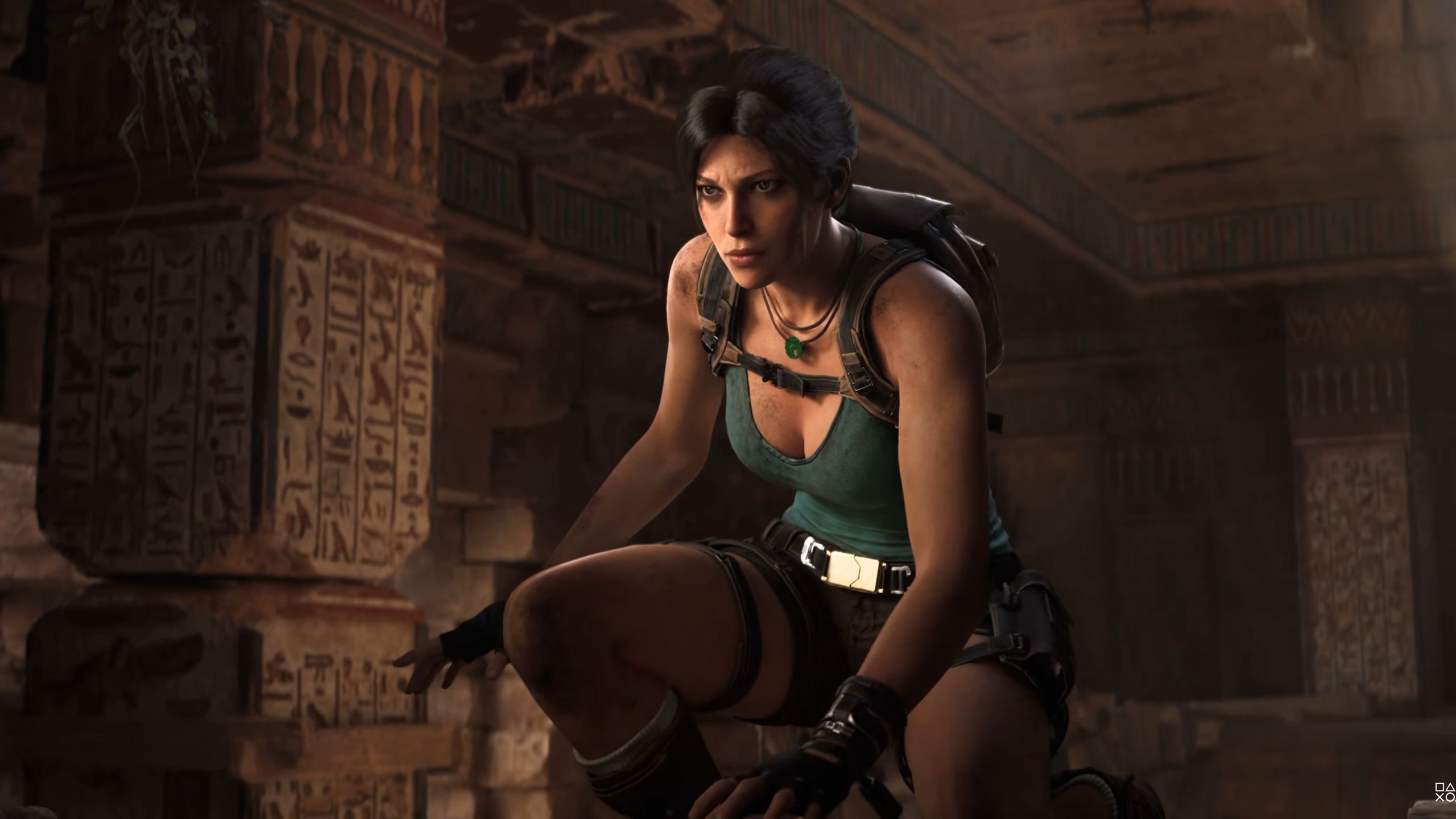
The specific case of Crystal Dynamics is complicated by its ownership under Embracer Group. Embracer, which underwent a massive period of aggressive acquisition, has spent the last year attempting to pivot toward a "restructuring" phase, which has involved divestitures, studio closures, and significant layoffs across its various subsidiaries. The ongoing downsizing at Crystal Dynamics is consistent with this broader directive to reduce overhead and focus on high-yield, long-term assets.
Impact on Project Development
The cancellation of the Perfect Dark project in mid-2025 serves as a notable case study for the current climate. After four years of collaborative development, the termination of the project by Microsoft was a blow to the industry and highlighted the fragility of long-term co-development ventures. For Crystal Dynamics, losing such a significant project meant the loss of a major revenue stream and a significant portion of its workload, likely necessitating the realignment of teams that followed.
The delay of the next mainline Tomb Raider game to 2028 is particularly significant. A four-year window for a major title is a long cycle in modern AAA development. While such delays are often framed as a commitment to "quality" or "polishing," they also represent financial risks. In a market where investors demand consistent output, the inability to release major titles in a timely fashion can lead to further budget scrutiny, creating a feedback loop that often results in, or is exacerbated by, staff reductions.
Analysis: What Lies Ahead for the Studio?
The cumulative impact of these layoffs, coupled with the extended release timelines for its upcoming games, raises questions about the studio’s morale and its ability to retain top-tier talent. While the studio continues to offer severance and job placement services, the loss of experienced staff can lead to "brain drain," where the departure of senior developers impacts the efficiency and creative direction of future projects.
From a business perspective, the studio is clearly trying to maintain a lean profile to satisfy its parent company’s financial requirements. However, there is a limit to how many times a studio can undergo "rightsizing" before it begins to impact the actual output of its games. The coming year will be critical for Crystal Dynamics. With no major releases slated for the immediate future, the studio is effectively in a "wait-and-see" mode, where it must demonstrate that it can navigate the development of Tomb Raider: Legacy of Atlantis and Tomb Raider: Catalyst without further organizational upheaval.
Stakeholder and Community Reaction
The reception to these news reports within the gaming community has been one of fatigue. As news of layoffs at other major studios—such as the significant cuts at Firaxis—emerges simultaneously, the public perception of the gaming industry as an increasingly precarious environment for developers has solidified.
While Crystal Dynamics maintains its standard professional communications regarding these layoffs, the lack of a clear, long-term stability plan remains a point of contention for followers of the studio. The studio’s ability to turn the tide will likely depend on whether they can stabilize their workforce and meet the revised 2027 and 2028 deadlines. Until then, the recurring nature of these announcements will likely keep the studio under the microscope, as industry observers wait to see if the "beleaguered" label currently applied to the developer can be shed in favor of a narrative defined by successful releases and sustainable growth.
In summary, while the loss of eight employees is, in absolute terms, a minor numerical adjustment, it is symbolic of a much larger, ongoing struggle within Crystal Dynamics. The studio remains in a state of transition, caught between the demands of its parent company, the pressures of the modern AAA development cycle, and the need to preserve the legacy of one of gaming’s most important franchises. The future of the Tomb Raider series, and indeed the future of the studio itself, depends on navigating these turbulent waters without further thinning the ranks of the team responsible for building the next generation of Lara Croft’s adventures.