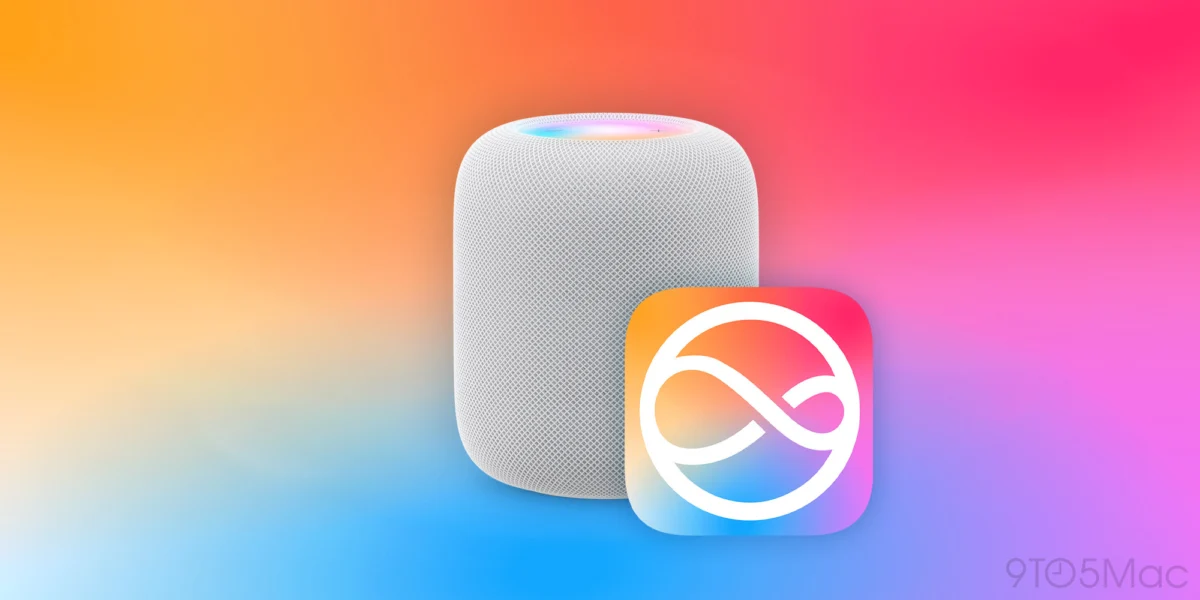
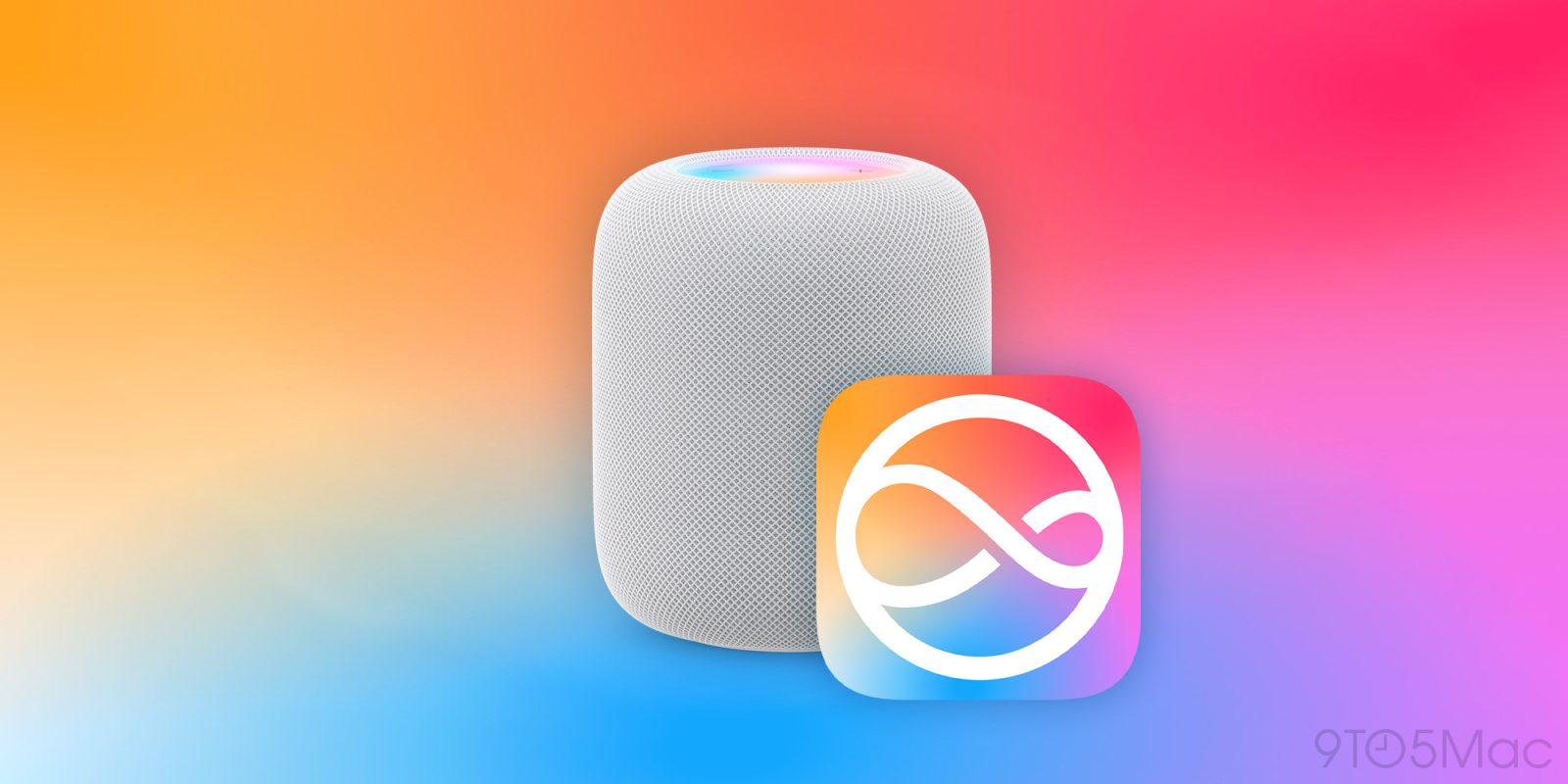
For years, Apple’s smart home ecosystem has occupied a static position in the company’s broader product portfolio. While competitors like Amazon and Google have aggressively iterated on smart displays, security cameras, and integrated hubs, Apple’s offerings—primarily the HomePod mini and the Apple TV 4K—have remained relatively unchanged for several years. However, internal shifts at Apple and the recent integration of Apple Intelligence suggest that the company is on the precipice of a significant hardware renaissance. By aligning its hardware roadmap with the computational requirements of advanced artificial intelligence, Apple is positioning itself to reclaim market share in a sector that has long felt stagnant.
The primary catalyst for this shift is the maturation of Siri. For years, the voice assistant served as a bottleneck for hardware innovation, often criticized for lagging behind the conversational capabilities of LLM-based competitors. With the arrival of AI-powered Siri, the technical prerequisites for a new generation of hardware have finally been met. Reports indicate that Apple is preparing a multi-phased rollout of devices designed to function as nodes for its new intelligence-driven ecosystem.
The Imminent Hardware Refresh: Fall 2026
The first wave of this product refresh is expected to arrive later this fall, focusing on incremental but vital updates to the core HomePod and Apple TV lines. The strategy here appears to be one of "future-proofing," ensuring that the installed base of Apple devices is equipped to handle the local processing demands of modern AI.
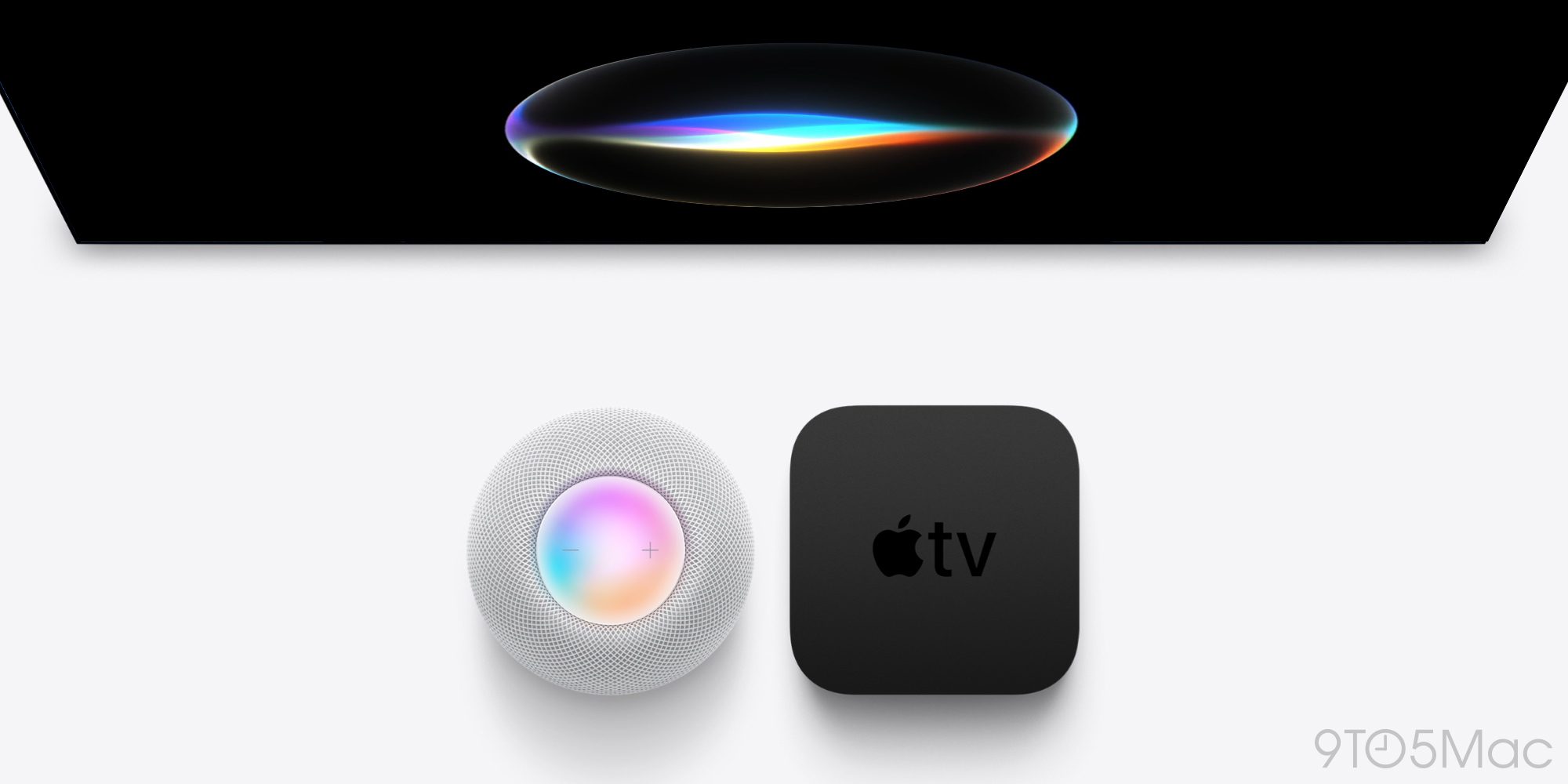
The HomePod mini, a staple of the Apple smart home, is slated for a significant internal upgrade. Current iterations, powered by the S5 chip, are expected to be replaced by the S9 silicon—the same chip currently powering the more capable second-generation HomePod and Apple Watch models. This transition is not merely about raw speed; it is essential for the device to manage on-device AI tasks, enabling faster response times and enhanced privacy by reducing the need to rely on cloud-based queries. Furthermore, the inclusion of the N1 wireless chip—introduced in recent iPhone cycles—suggests improved ultra-wideband performance, which could allow for more seamless "handoff" experiences when users move between rooms.
Simultaneously, the Apple TV 4K is expected to see a major performance jump. Moving from the A15 Bionic to the A17 Pro chip marks a significant leap in potential. While the A17 Pro is several years old by current standards, it provides the necessary Neural Engine performance to execute Apple Intelligence features locally. By keeping the Apple TV 4K as the "brain" of the home, Apple is signaling that it intends for the living room to remain the hub of its digital lifestyle strategy. Speculation also points toward a refined, perhaps more ergonomic, remote design, addressing one of the few persistent user interface criticisms regarding the current hardware.
The Rise of homeOS and the Smart Home Hub
Beyond these iterative updates, Apple is venturing into a new product category that bridges the gap between a tablet and a dedicated smart speaker. This device, often referred to by industry analysts as the "HomePad," represents a pivot toward the smart-display market currently dominated by the Google Nest Hub and Amazon Echo Show.
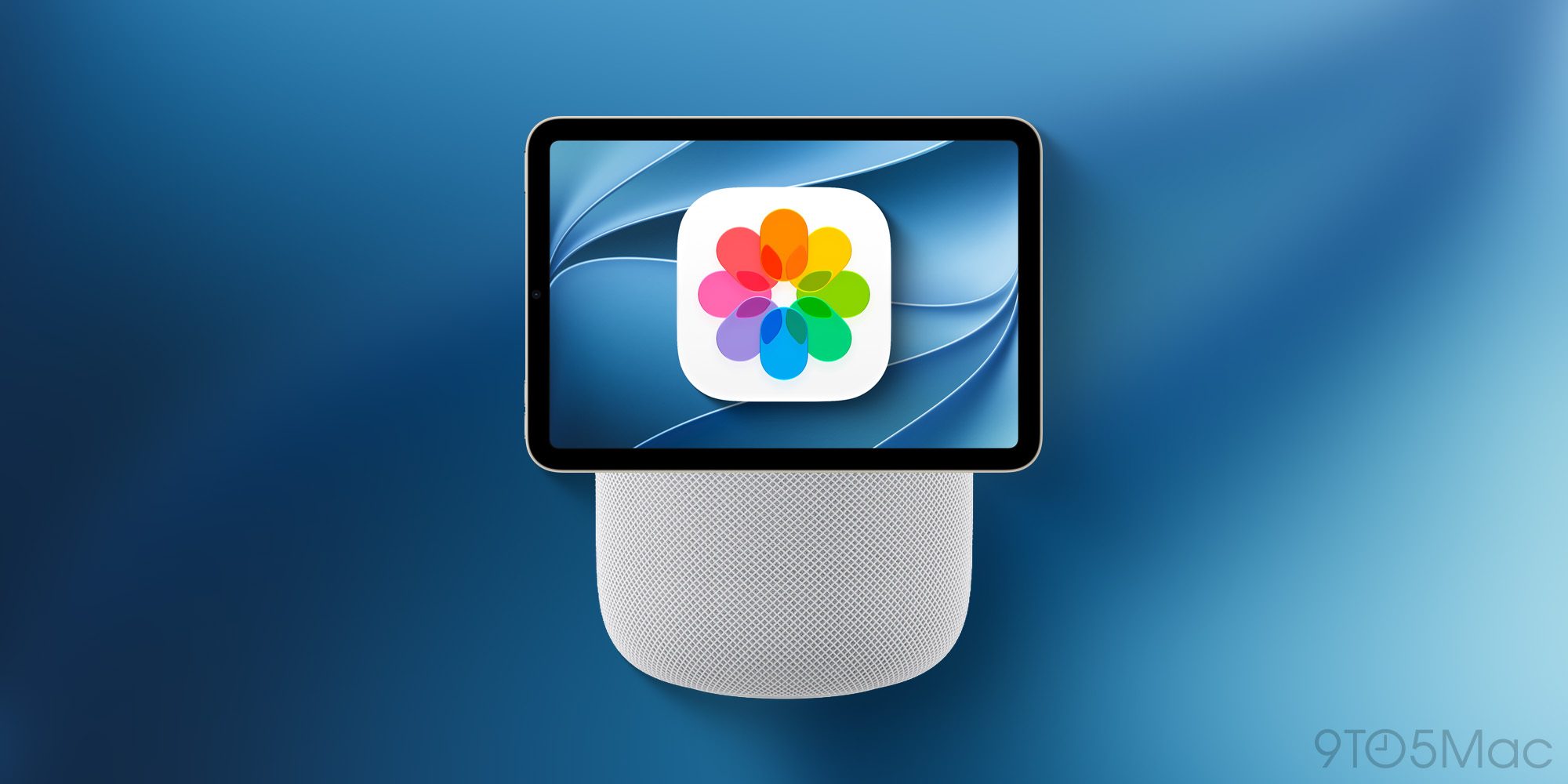
The device is expected to feature a 7-inch square display and run a proprietary operating system, internally dubbed "homeOS." This platform is designed specifically for the unique needs of a stationary smart home device, prioritizing FaceTime integration, smart home device management via the Home app, and real-time interaction with the new Siri. At its core, the device is rumored to house the A18 chip, ensuring that it remains performant for years to come.
The product’s design is reportedly flexible, with two primary configurations: a magnetically mounted wall unit and a version integrated into a dedicated speaker base. This modular approach suggests that Apple is aiming for a versatile ecosystem where users can place different versions of the hub in various rooms, depending on whether they need a wall-mounted controller or a tabletop companion. The timeline for this launch is currently pegged for late 2026 to early 2027, placing it firmly in the center of Apple’s next fiscal year growth strategy.
Expanding the Ecosystem: Security and Robotics
Looking further into the future, Apple’s strategy appears to involve a deeper vertical integration of home security. The company is reportedly developing its own branded security cameras and smart doorbells. This move is significant, as it marks a departure from the "HomeKit" model—where Apple provides the software interface for third-party manufacturers—toward an "Apple-made" ecosystem. By controlling both the hardware and the software, Apple can ensure tighter security, end-to-end encryption, and deeper integration with Apple Intelligence, potentially offering features like advanced facial recognition and behavioral analysis that third-party devices may struggle to match.
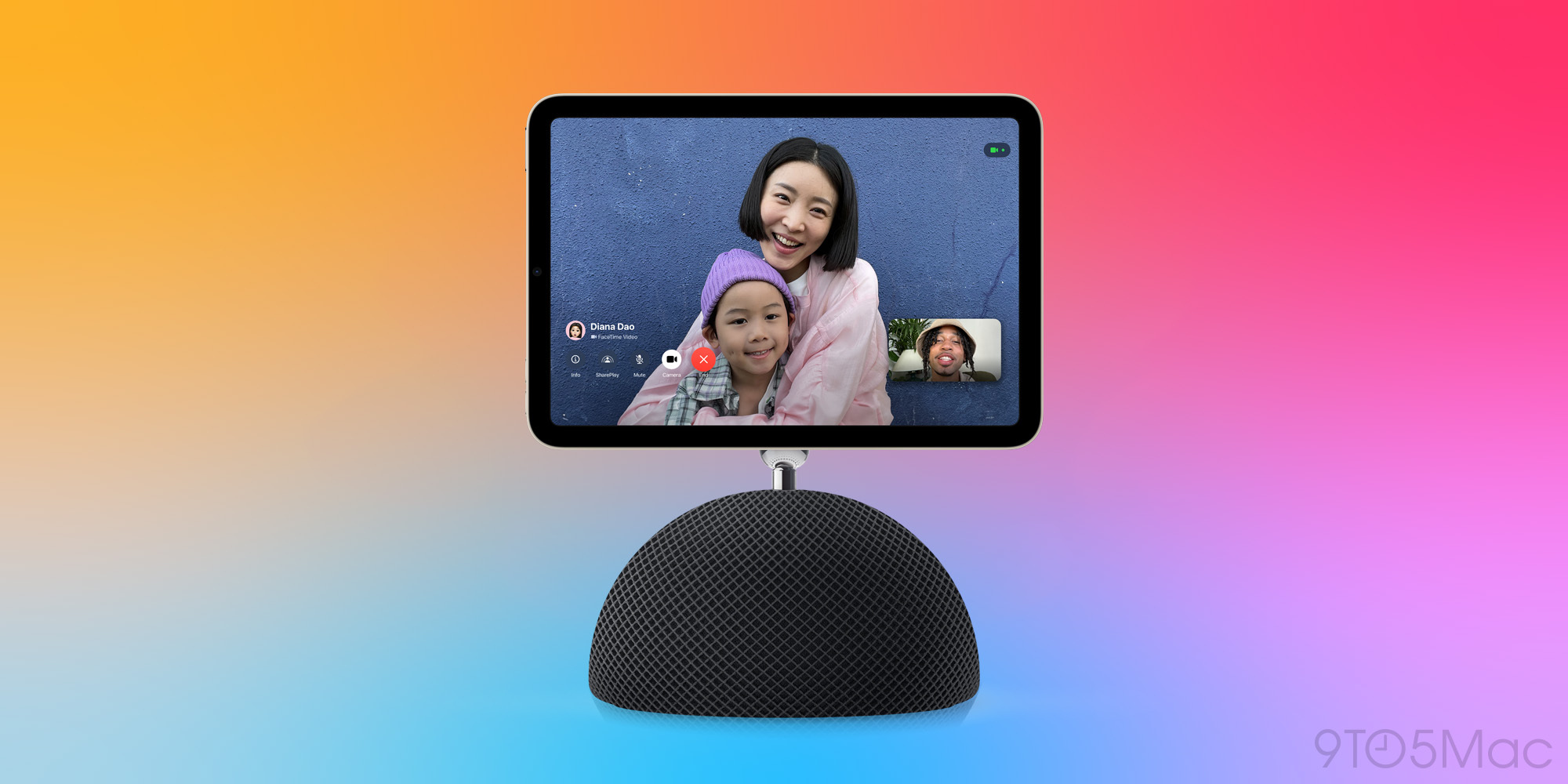
The most ambitious project in the pipeline, however, is a tabletop robotic device. This product, described as an advanced evolution of the smart display, would feature a larger 9-inch screen mounted on a robotic arm. This arm would allow the display to track the user’s movement during a FaceTime call or adjust its angle based on the user’s position in the room. While this technology has been described by some analysts as both "excellent and potentially invasive," it underscores Apple’s commitment to "ambient computing"—the idea that technology should fade into the background until it is explicitly needed.
Implications of the Strategic Shift
The transition from a passive smart home provider to an active, intelligence-first ecosystem carries significant implications for the broader market. First, it directly challenges the dominance of Amazon and Google. By leveraging its established user base of iPhone and Mac owners, Apple is betting that consumers will prefer an ecosystem that prioritizes local data processing and seamless continuity over the more open, data-hungry models of its competitors.
Second, the hardware refresh signals a change in the product lifecycle of smart home devices. Historically, smart speakers were viewed as low-margin, long-term products. By necessitating newer chips for AI functionality, Apple is effectively shortening the upgrade cycle for home hardware, aligning it more closely with the iPhone and iPad markets. This is a high-risk, high-reward strategy; while it ensures that customers have the latest AI capabilities, it also risks alienating users who prefer the "set it and forget it" nature of traditional smart home devices.
Finally, the success of this roadmap depends entirely on the stability and utility of Siri. If the new AI-powered Siri fails to provide a meaningful improvement over existing voice assistants, the new hardware—regardless of how powerful its silicon is—will struggle to find a market. However, if Apple succeeds in making Siri a truly proactive, context-aware assistant, the HomePod and the upcoming "HomePad" could become the primary interface through which consumers manage their lives.
As of mid-2026, the smart home market is at a critical juncture. The integration of generative AI is no longer a luxury but a requirement. With its planned hardware overhaul, Apple is clearly signaling that it has no intention of ceding this territory. The months ahead will be decisive as the company moves from the planning phase to the consumer launch phase, testing whether its vision for an intelligent, private, and highly integrated home ecosystem resonates with a market that has grown increasingly weary of fragmented smart home experiences.

The financial performance of these upcoming products will also be closely monitored by shareholders. The current pricing structure—with the HomePod mini at $129 and the Apple TV 4K at $199—has held steady since the June price adjustments. Maintaining these price points while introducing more sophisticated hardware, such as the A18-equipped home hub, will require significant operational efficiency. If Apple can maintain these margins, it will solidify its position as the premium player in the smart home space, further distancing itself from the lower-cost, high-volume competitors that currently populate the entry-level smart home market.