The landscape of outdoor adventure is dictated by the relentless variables of nature—unpredictable weather, rugged terrain, and the physical demands of high-altitude exploration. In this environment, the reliability of gear is not merely a convenience; it is a fundamental component of safety and success. As the industry marks the milestone of 2026, Berghaus, the legendary British outdoor brand, is leveraging sixty years of institutional knowledge to introduce a new era of technical apparel to the North American market. With a heritage rooted in the pioneering spirit of Northeast England, the brand’s arrival in the United States represents a significant expansion for a company that has spent the last six decades refining the intersection of durability and human comfort.
A Chronology of Innovation: From Newcastle to the Global Stage
The story of Berghaus began in 1966 in Newcastle upon Tyne, founded by climbing partners Gordon Davison and Peter Lockey. At the time, the outdoor equipment market was fractured and often relied on rudimentary materials. Davison and Lockey, frustrated by the lack of high-performance gear available to them, began by importing and selling high-quality climbing equipment. Their transition from retailers to manufacturers was a natural evolution, driven by a desire to provide gear that met the specific, rigorous needs of mountaineers.
The 1970s marked the brand’s first major technological leap, as Berghaus became one of the first European companies to utilize Gore-Tex fabric, a move that fundamentally altered the waterproof-breathable outerwear landscape. Through the 1980s and 1990s, the brand solidified its reputation through its "Extrem" range, which was subjected to the world’s most punishing environments by professional alpinists. By the early 21st century, Berghaus had successfully bridged the gap between professional-grade mountaineering kit and accessible outdoor apparel, consistently iterating on designs to improve ergonomic mobility and weather resistance. Now, in the final quarter of 2026, this decades-long trajectory of development culminates in a broader, more sophisticated expansion into the U.S. consumer market.
The Technical Architecture of Modern Protection: The Kara-Su Series
The centerpiece of the brand’s current U.S. launch is the Kara-Su series, a collection that distills six decades of engineering into three distinct, high-performance garments. The Kara-Su 7000 GTX Jacket is perhaps the most notable, functioning as the brand’s flagship for extreme weather protection.
The jacket utilizes a three-layer Gore-Tex Pro membrane, a gold-standard material in the textile industry. With a hydrostatic head rating of 28,000mm, the fabric is engineered to withstand high-pressure water ingress, effectively acting as a fortress against driving rain and heavy sleet. However, the true innovation lies in the integration of the Mera Peak hood system. This design, which has been refined over years of mountain testing, utilizes four points of adjustment. This allows users to seal the hood against gale-force winds while maintaining peripheral vision, a critical safety factor in alpine navigation. The strategic placement of high hand pockets—positioned specifically to remain accessible while wearing a heavy pack’s hip belt—demonstrates a granular understanding of the functional needs of long-distance trekkers.
Complementing the jacket, the Kara-Su Pant reflects the modern requirement for versatility. By utilizing a polyamide and elastane blend, the garment achieves a balance between windproofing and mechanical stretch. The inclusion of articulated knees is a direct response to the physiological demands of climbing and scrambling, ensuring that the fabric does not restrict the user’s range of motion. The design ethos here is one of adaptability, allowing the wearer to transition from high-intensity ascent to low-intensity approach without needing to change layers.
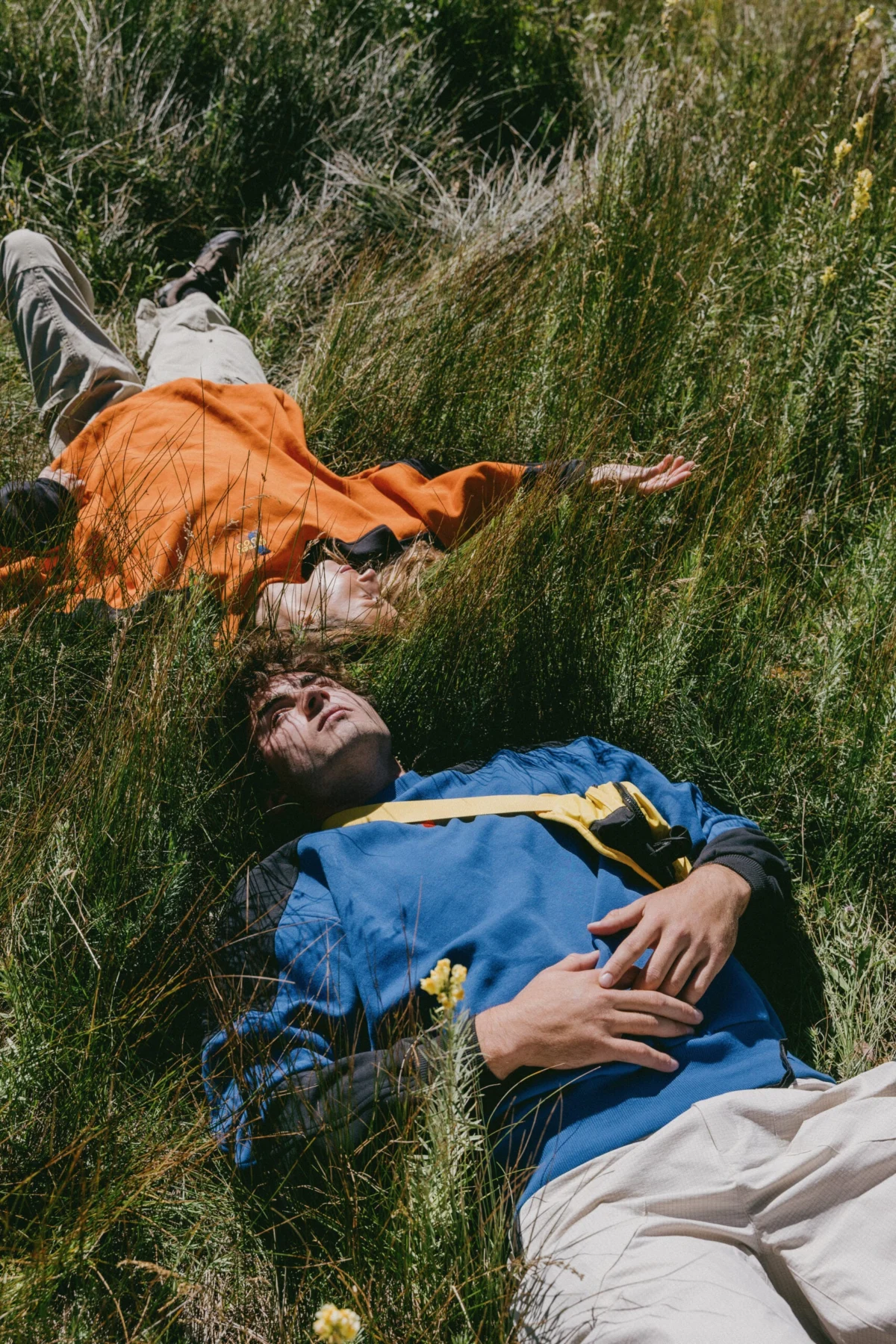
The Kara-Su Sweater rounds out the collection by addressing the growing demand for "crossover" apparel—gear that retains professional-grade warmth and moisture management while adhering to a more lifestyle-oriented, vintage-inspired aesthetic. This piece highlights the brand’s strategy of blending its heritage—marked by the classic Extrem 7000 embroidery—with modern comfort features like brushed jersey fabrics and optimized, relaxed layering fits.
Market Implications and Industry Context
The entry of a legacy brand like Berghaus into the U.S. market at this juncture is not incidental. The North American outdoor apparel industry is currently experiencing a shift, with consumers increasingly favoring brands that demonstrate long-term sustainability and proven technical credentials. According to recent industry data, the global outdoor clothing market is projected to reach approximately $50 billion by the end of the decade, driven by a post-pandemic surge in interest regarding hiking, trail running, and alpine exploration.
For Berghaus, the challenge lies in differentiating its narrative in a saturated market dominated by both established incumbents and emerging direct-to-consumer labels. Industry analysts suggest that the brand’s "authentic legacy" strategy—emphasizing its 1966 origins and its history of technical innovation—provides a significant competitive advantage. By focusing on products that are built to last rather than disposable "fast-fashion" outdoor gear, Berghaus aligns itself with the growing consumer preference for longevity and product durability, which are key pillars in the broader conversation surrounding circularity in the fashion industry.
Official Responses and Strategic Vision
While the brand has not released specific financial projections for its U.S. expansion, internal messaging from the company’s leadership emphasizes a "measured and values-driven" approach to growth. The emphasis is on building a community of enthusiasts who value the technical pedigree of the product. By providing both a digital storefront and a presence in specialized physical retailers, the company intends to maintain the level of customer engagement that defined its success in the European market.
The decision to launch the Kara-Su collection specifically is viewed as a strategic move to showcase the breadth of the brand’s capabilities. By offering a high-end technical jacket alongside a versatile, everyday sweater, Berghaus is signaling that its technology is applicable across a spectrum of activities, from multi-day mountain expeditions to casual urban commutes.
Broader Impact on Technical Apparel Design
The broader implications of the Berghaus expansion are likely to be felt in the design departments of competing firms. The integration of high-pressure hydrostatic protection with ergonomic features like the Mera Peak adjustment system sets a high bar for performance-to-weight ratios. As competitors look to counter the market entry, we can expect an accelerated cycle of innovation in membrane technology and seam construction.
Furthermore, the brand’s commitment to "heritage-inspired" aesthetics suggests a move away from the hyper-minimalist designs that have dominated the outdoor industry for the last decade. By embracing a visual style that pays homage to the 1970s and 1980s—the "golden era" of mountaineering—Berghaus is tapping into a cultural zeitgeist that values both the look of the past and the capabilities of the future.
Conclusion: A Legacy for the Next Generation
As Berghaus looks toward the next sixty years, its strategy remains anchored in the same philosophy that drove Davison and Lockey in 1966: the belief that the right equipment transforms the outdoor experience from a struggle against the elements into a sustainable, comfortable engagement with the natural world. The launch of the Kara-Su series in the United States is more than a simple product introduction; it is an assertion that technical innovation, when paired with decades of experience, remains the most effective way to navigate an unpredictable future. Whether through the uncompromising protection of the Gore-Tex Pro membrane or the refined comfort of its mid-layers, Berghaus is positioning itself as an essential partner for the modern adventurer. As the company integrates itself into the American outdoor landscape, it does so with the confidence of a brand that has already weathered the harshest storms, and is prepared to face whatever challenges the next decade of exploration may bring.