The legal conflict between Apple Inc. and the medical technology firm Masimo Corporation reached a critical milestone this week as a California federal judge denied Apple’s motion to overturn a $634 million patent infringement verdict. U.S. District Judge James V. Selna rejected Apple’s request for a judgment as a matter of law or a new trial, effectively solidifying a jury’s earlier finding that the tech giant infringed on Masimo’s proprietary health-monitoring technology. The ruling represents a significant blow to Apple’s efforts to resolve a multi-year litigation cycle that has already seen product bans, sensor redesigns, and high-stakes courtroom drama.
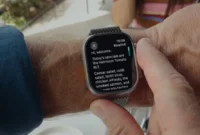
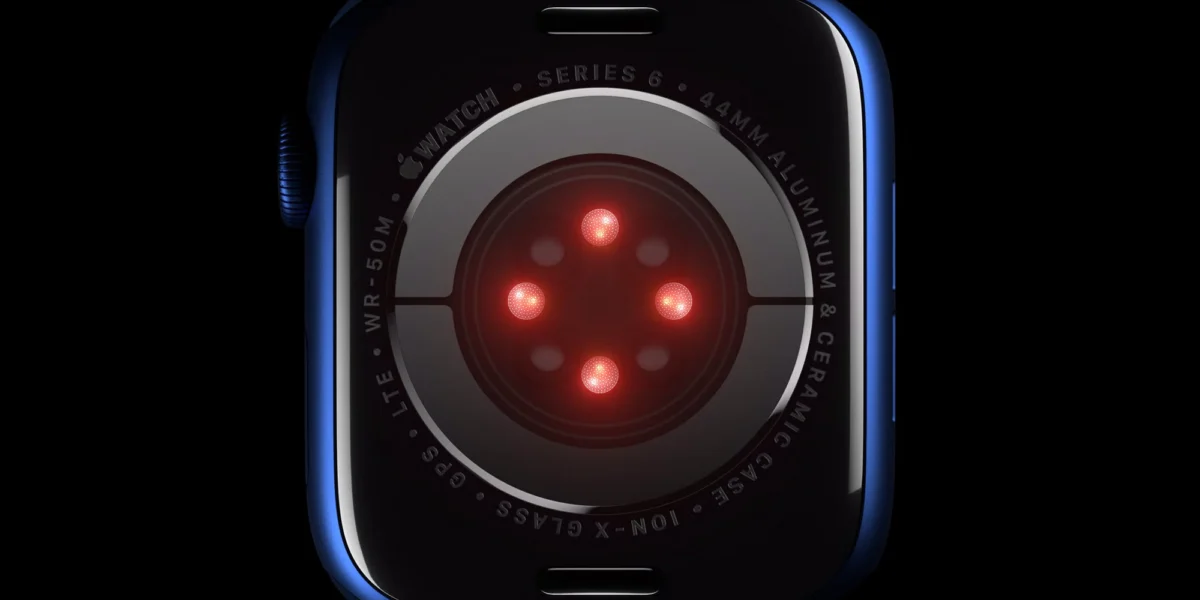
The dispute centers on the pulse oximetry technology integrated into the Apple Watch, a feature designed to measure blood oxygen saturation (SpO2) levels using optical sensors. Masimo, a leader in hospital-grade monitoring equipment, has long maintained that Apple’s implementation of these features was built upon stolen trade secrets and infringed patents. While Apple has consistently denied these allegations, the legal tide has increasingly turned in favor of Masimo, leading to the massive financial penalty and ongoing restrictions on Apple’s flagship wearable device in the United States.
The Core of the Ruling: Defining a "Patient Monitor"
A central pillar of Apple’s defense rested on the definition of the term "patient monitor." In its motion to toss the $634 million verdict, Apple argued that the Apple Watch should not be classified as a patient-monitoring device under the specific language of Masimo’s patent. Apple’s legal team contended that the patent was intended to cover professional, hospital-grade medical equipment used in clinical settings, rather than a consumer-facing smartwatch intended for general wellness and fitness tracking.
However, Judge Selna dismissed this narrow interpretation. In his ruling, the judge sided with the jury’s broader assessment, concluding that the Apple Watch’s heart-rate monitoring and blood-oxygen notification features allow it to function as a patient monitor within the "everyday meaning" of the term. The court found that because the device is capable of tracking vital signs and alerting users to potential health issues, it falls within the scope of the patent protections held by Masimo.

Furthermore, Apple’s bid for a new trial was rejected. The company had raised objections regarding the jury instructions provided during the initial trial and argued that the court had improperly excluded testimony from one of its technical experts. Judge Selna ruled that these factors did not constitute errors significant enough to warrant a retrial, stating that the original proceedings were conducted fairly and that the jury’s decision was supported by the evidence presented.
A Chronology of the Apple-Masimo Conflict
The legal battle between the two companies traces back more than a decade, beginning with a series of meetings that eventually soured.
- 2013: Apple reportedly reached out to Masimo to discuss a potential partnership. During these discussions, Apple met with Masimo executives and engineers to learn more about their Signal Extraction Technology (SET), which is widely considered the gold standard for pulse oximetry in hospitals.
- 2014: Apple began hiring key personnel from Masimo and its spinoff company, Cercacor, including Masimo’s Chief Medical Officer, Michael O’Reilly. Masimo later alleged that these hires were part of a calculated effort to "poach" talent and gain access to confidential intellectual property.
- 2020: Masimo filed its first major lawsuit against Apple in the U.S. District Court for the Central District of California, alleging that the Apple Watch (specifically the Series 6 and later) infringed on 10 of its patents and involved the theft of trade secrets.
- 2023: Masimo secured a major victory through the International Trade Commission (ITC). The ITC ruled that Apple had infringed on Masimo’s patents, leading to an import ban on Apple Watch models with blood oxygen sensors.
- Late 2023 – Early 2024: To comply with the ITC ruling and avoid a total sales blackout during the holiday season, Apple briefly paused sales before resuming them with the blood oxygen feature disabled in new units sold within the United States.
- 2025: Apple introduced a redesigned software architecture that offloaded the processing of blood oxygen data to the paired iPhone, displaying results in the Health app. Masimo challenged this workaround, leading to further litigation with U.S. Customs and Border Protection.
- November 2025: A separate jury trial in California concluded that Apple’s heart-rate monitoring and notification systems infringed on a specific Masimo patent. The jury awarded Masimo $634 million in damages.
- July 2026: Judge Selna officially denies Apple’s post-trial motions, upholding the $634 million award.
Technical and Financial Implications
The $634 million verdict is one of the largest patent-related penalties Apple has faced in recent years. While the sum represents a fraction of Apple’s quarterly revenue—which frequently exceeds $90 billion—the ruling has broader implications for the company’s product roadmap and its "Health" ecosystem.
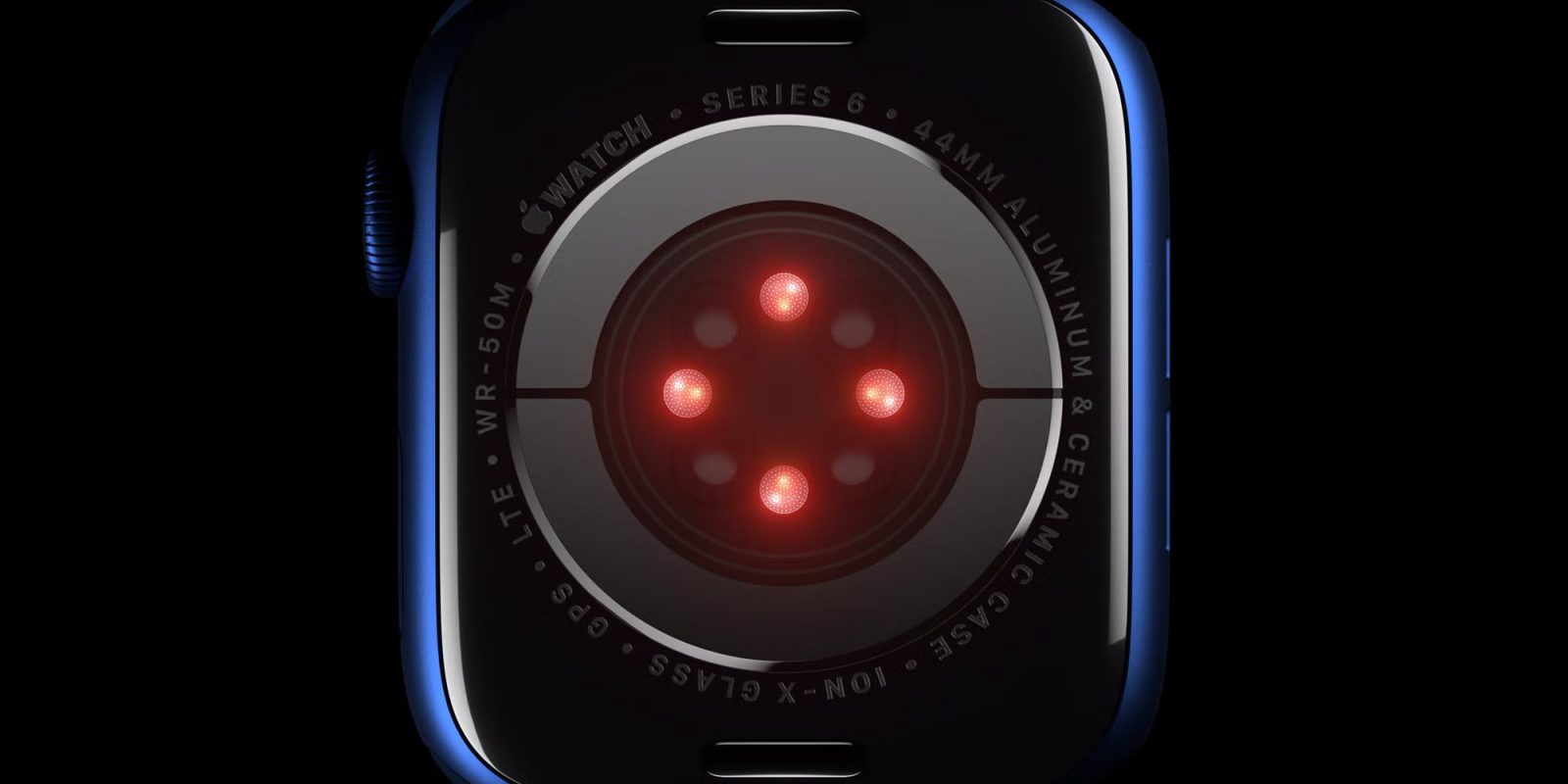
Pulse oximetry works by emitting red and infrared light through the skin to the blood vessels. Oxygenated hemoglobin absorbs more infrared light, while deoxygenated hemoglobin absorbs more red light. By calculating the ratio of light absorption, the device determines the user’s blood oxygen percentage. Masimo’s patents cover the specific methods of filtering out "noise" (such as movement or ambient light) to ensure accuracy—a field where Masimo holds hundreds of patents.
For Apple, the loss in court complicates the future of the Apple Watch as a medical-grade diagnostic tool. Apple has spent years marketing the watch as a "guardian for your health," adding features like ECG, fall detection, and sleep apnea tracking. If Apple is forced to pay ongoing royalties or permanently disable certain features in the U.S. market, it could lose its competitive edge against rivals like Garmin, Samsung, and Google’s Fitbit, who are also racing to integrate advanced health sensors.
Official Statements and Reactions
Following the judge’s decision, Apple reiterated its intent to fight the ruling in higher courts. In a statement, the company framed Masimo as a litigious entity that does not contribute to the consumer electronics market.
"Masimo is a medical device company that does not sell any products to consumers," an Apple spokesperson stated. "Over the past six years, they have sued Apple in multiple courts and asserted over 25 patents, the majority of which have been found to be invalid. The single patent in this case expired in 2022 and is specific to historic patient monitoring technology from decades ago. We plan to appeal."
Masimo, led by CEO Joe Kiani, has taken a different stance, viewing the verdict as a victory for independent innovation. Kiani has frequently argued that if a company as large as Apple can "infringe with impunity," it discourages smaller medical firms from investing in life-saving research. In previous comments, Kiani noted that Masimo was willing to settle the dispute, but only if Apple agreed to a licensing deal and changed its "culture" regarding intellectual property.
Analysis of the Broader Legal Landscape
The Apple-Masimo case is a high-profile example of "Big Tech" vs. "Specialized Innovation." In the tech industry, this is often referred to as "efficient infringement," where a large company calculates that the cost of potentially losing a lawsuit years down the line is cheaper than paying for a license upfront. However, the $634 million verdict, combined with the ITC import ban, suggests that the legal system is becoming more aggressive in protecting specialized patent holders against dominant platforms.
The ruling also highlights the challenges of the "convergent device" market. As smartwatches evolve from gadgets into medical devices, they fall under stricter regulatory and legal definitions. Apple’s argument that its watch isn’t a "patient monitor" failed because the company’s own marketing often suggests otherwise. By touting the device’s ability to monitor heart health and oxygen levels, Apple inadvertently helped Masimo’s legal team argue that the device serves the same purpose as hospital equipment.

Future Outlook: The Appeals Process
The battle is far from over. Apple has already confirmed its plan to appeal the decision to the U.S. Court of Appeals for the Federal Circuit, which specializes in patent cases. This process could take another 12 to 18 months to resolve. During this time, Apple may seek a stay on the payment of damages.
In the meantime, the "stripped-down" versions of the Apple Watch Series 9, Ultra 2, and the newer Series 10 continue to be sold in the United States without the active blood oxygen feature. For international consumers, the features remain active, as the current legal rulings only apply to U.S. sales and imports.
If the $634 million verdict is upheld on appeal, it could set a precedent for other medical tech companies to challenge Apple’s health features. It may also force Apple back to the negotiating table with Masimo to secure a global licensing agreement, potentially costing the company billions in the long run but allowing it to restore full functionality to its devices in its most important market.
As the wearables market continues to grow—projected to reach over $150 billion by 2030—the outcome of the Apple-Masimo saga will likely serve as the definitive case study for how intellectual property is managed at the intersection of consumer technology and healthcare. For now, the $634 million judgment stands as a stark reminder of the legal risks inherent in the race to own the data on the human wrist.