
On August 4, 2026, climbers at the iconic Flatirons in Colorado observed a shifting trend in athletic preparation that underscores a broader transformation in the sport of rock climbing. While historical accounts of the region—such as the 1987 ascent of the route Slave to the Rhythm—feature stories of climbers nailing improvised wooden slats to trees to serve as makeshift warm-up tools, the contemporary era has seen a departure toward highly engineered, ergonomic training apparatuses. This transition from rudimentary methods to standardized equipment reflects the professionalization of climbing as both a recreational pursuit and a competitive discipline.
A Historical Perspective on Training Logistics
In the late 1980s, the prevailing philosophy regarding climbing projects was characterized by a lack of specialized warm-up infrastructure. Climbers often arrived at crags with the belief that muscles should remain "fresh," leading to a reliance on immediate, high-intensity attempts that frequently resulted in preventable injuries. Historical records indicate that early pioneers, such as Dan Michael, began experimenting with localized training aids—often using extruded geological features or nailed wood—to bridge the gap between physical capacity and the demands of technical routes.

This "benighted era" of climbing training was defined by logistical limitations. Hangboards, when they existed, were often abrasive, rudimentary, and difficult to install. The current industry standard has evolved to include refined materials, such as sculpted resin and high-grade woods like European beech, which prioritize skin health and biomechanical safety. This shift has not only lengthened the career longevity of professional climbers but has also democratized access to high-level training tools for the general public.
Technological Advancements in Training Equipment
The modern market for climbing training aids is now categorized by high-precision manufacturing. Wood has emerged as the preferred material for these devices due to its natural friction properties, which demand higher levels of pure finger strength compared to the high-friction resin holds found in many commercial gyms.
Beastmaker 1000 Series: A Benchmark for Consistency
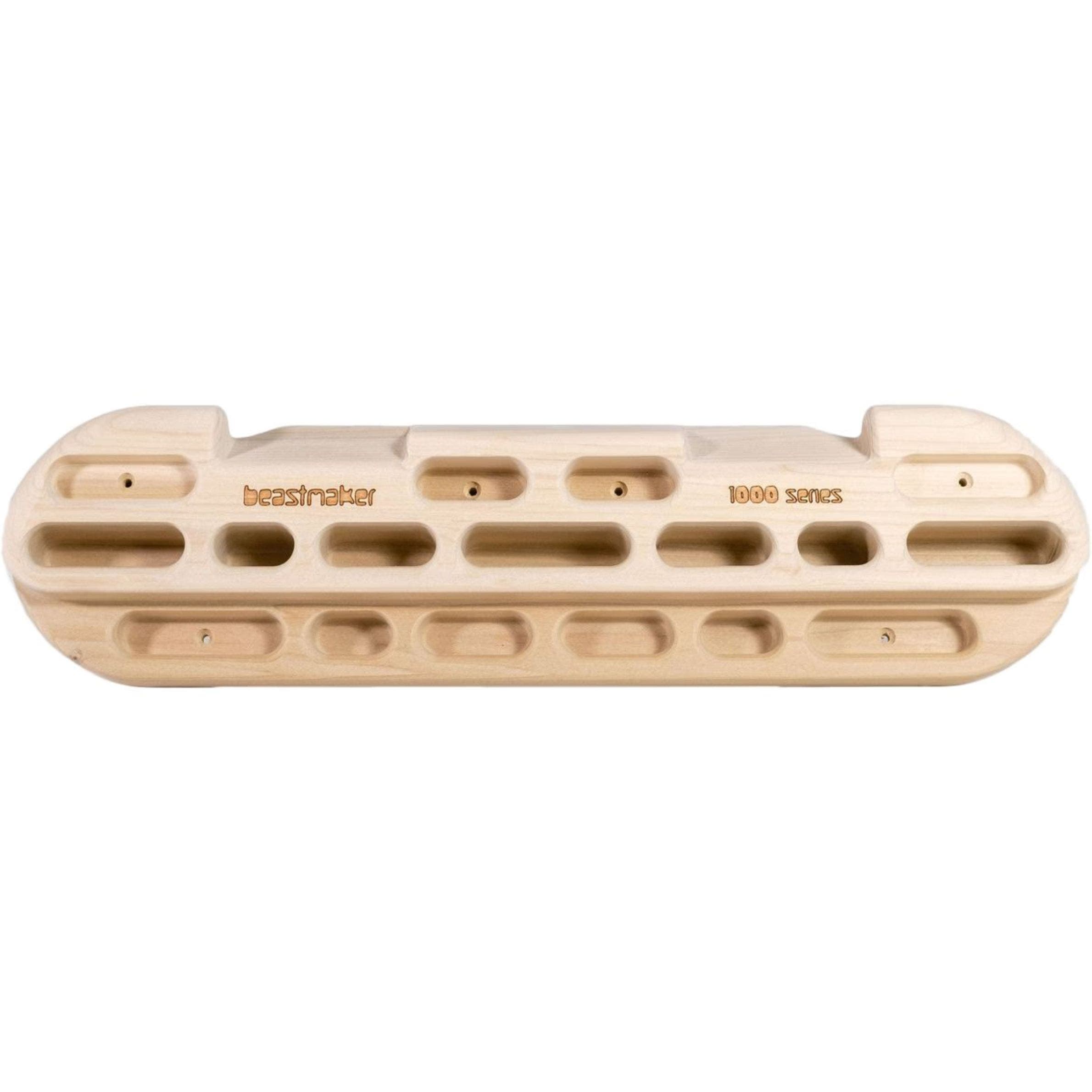
The Beastmaker 1000 has established itself as a staple in training facilities worldwide. Unlike its counterpart, the 2000 series—which is engineered for elite athletes with a focus on monodoigt (single-finger) strength—the 1000 series is designed for broad-spectrum utility. Featuring pockets ranging from 40 mm to 10 mm, it allows for structured "repeater" drills that simulate the endurance requirements of modern sport climbing. Industry data suggests that the use of such standardized boards allows for more accurate tracking of strength gains over time, a critical component of professional training cycles.
Metolius Nano Rings: Portability and Weight Reduction
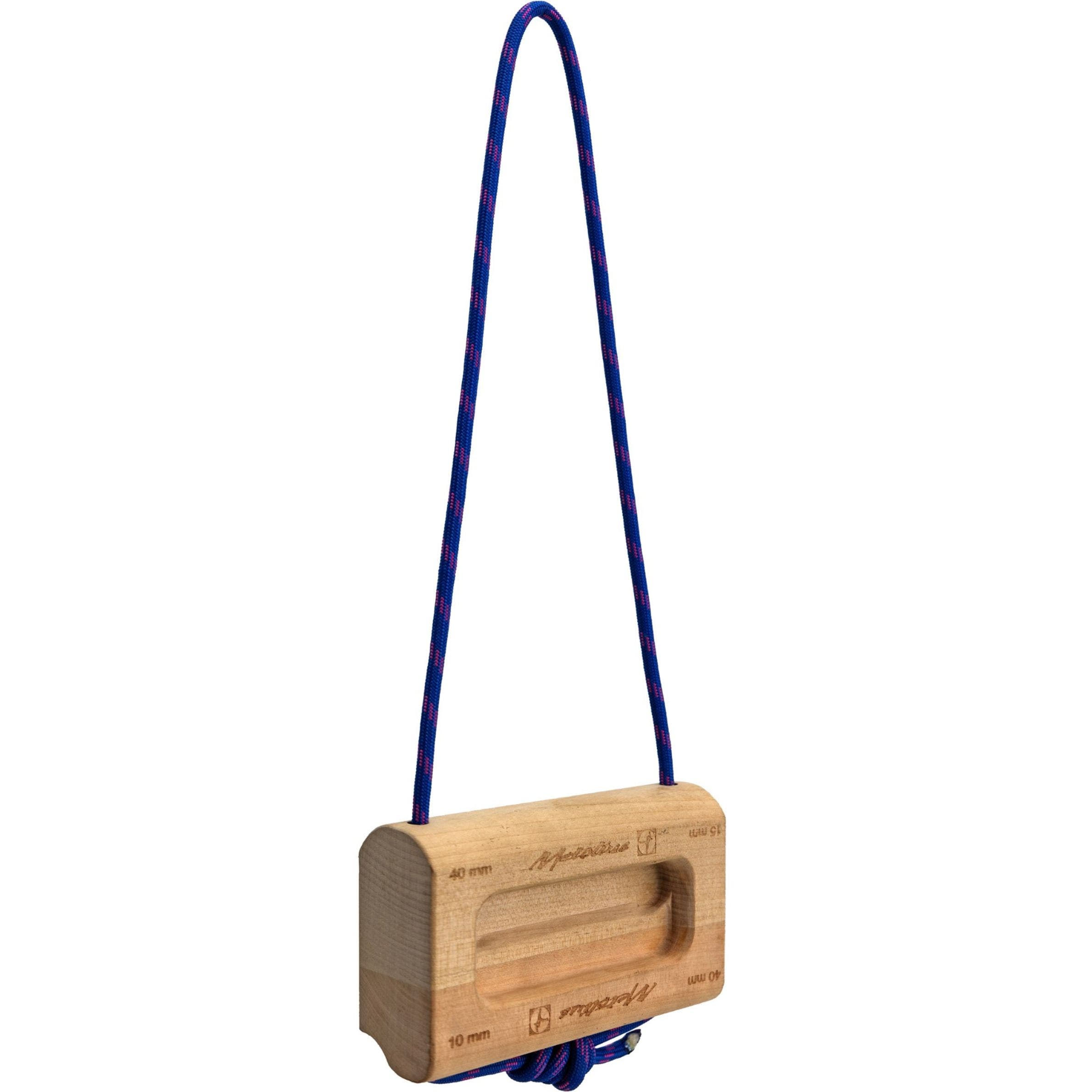
As the sport has moved toward more remote crags, the demand for portable equipment has increased. The Metolius Nano Rings represent a significant advancement in miniaturization. Weighing roughly the same as a standard nutritional bar, these rings provide eight distinct grip profiles. Their adoption among climbers performing long-approach treks—such as the high-vertical-gain routes in the Flatirons—has allowed for consistent warm-ups in environments where traditional fixed boards are unavailable. By allowing for a "crimp ladder" progression, these rings enable athletes to transition from large jugs to small edges in a controlled manner, reducing the risk of tendon strain.
Tension Climbing: The Block and Whetstone Systems
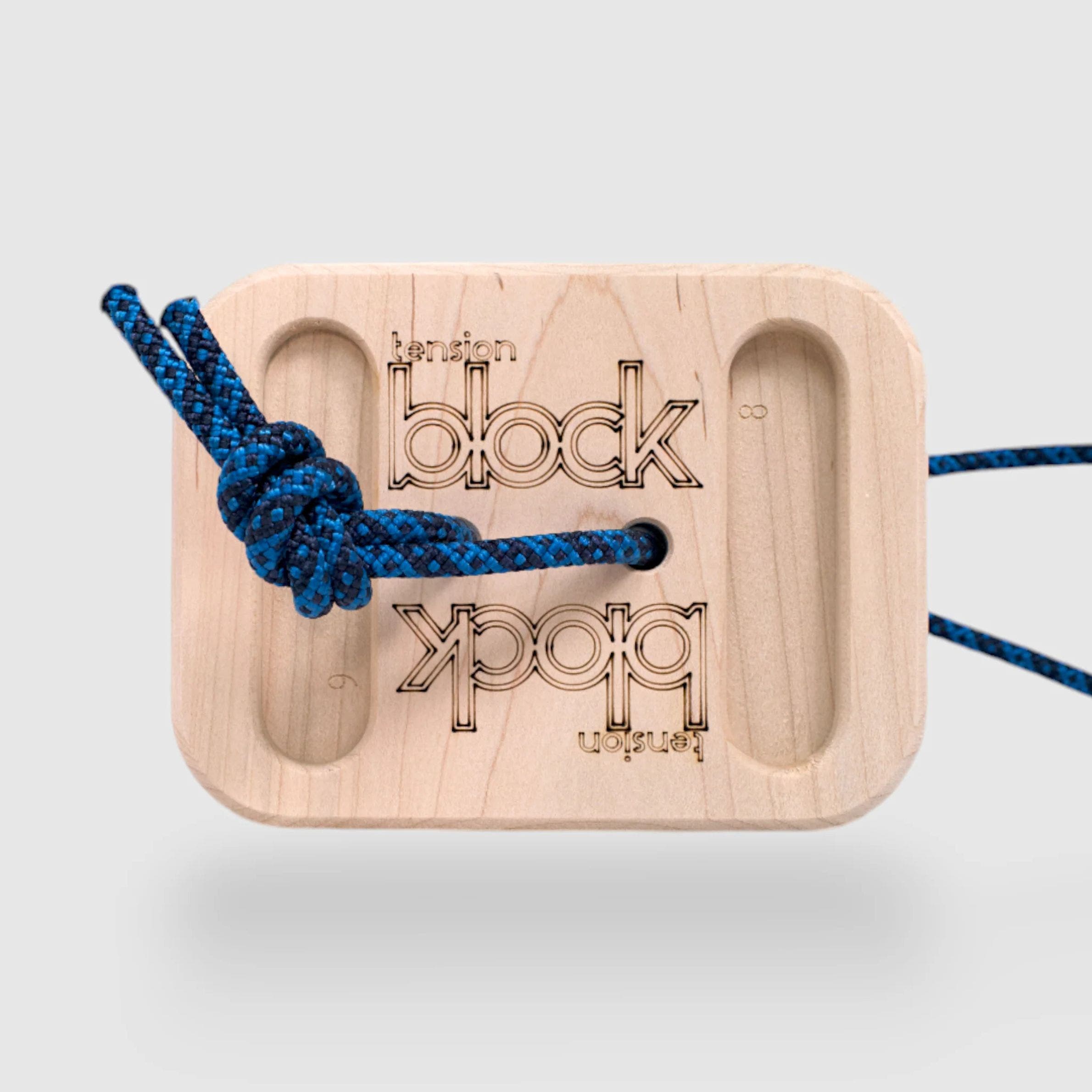
The introduction of Tension Climbing’s "The Block" in 2019 marked a turning point in multifunctional training. These 4-inch by 6-inch blocks are versatile enough to be used for traditional deadhangs, weighted pulls, or as anchors for cable machines. Their utility lies in their adaptability, serving as both a home-based training tool and a portable warm-up device. The company’s Whetstone board, which is often installed in professional training centers, complements this by offering an ergonomic layout that bridges the gap between amateur and professional-level training. Data from training centers like The Campus indicates that alternating between these boards—which offer hold sizes from 40 mm down to 8 mm—creates a comprehensive stimulus that optimizes muscle recruitment.
The Hangboard: Accessibility and Value
The recent emergence of high-quality, all-beech hangboards retailing for under $100 has addressed a long-standing barrier to entry: cost. The availability of these boards has enabled home-based training setups, which have become increasingly common since 2020. The inclusion of asymmetrical, clearly labeled edges allows users to standardize their workouts, ensuring that both casual climbers and elite athletes can monitor their progression on identical hardware.
Analysis of Physiological and Safety Implications
The transition toward wooden training surfaces has been praised by sports physiotherapists for its focus on skin preservation. Unlike resin, which can be overly abrasive, wood allows for prolonged training sessions—essential for endurance-heavy climbing styles—without causing significant epidermis degradation.
Furthermore, the emphasis on "frictionless" training is a deliberate design choice. By removing the crutch of high-friction holds, these boards force the athlete to rely on technical precision and raw finger strength. This approach is supported by longitudinal studies in sports science, which suggest that training under slightly more difficult conditions (lower friction) leads to superior performance gains in actual climbing environments.
Industry Impact and Future Outlook
The shift in training culture from the 1980s "nailed-to-a-tree" era to the present day reflects a broader trend toward data-driven athletics. Climbing, once considered an informal outdoor activity, now utilizes periodized training schedules, systematic recovery, and standardized metrics.
Professional athletes and coaches now emphasize that the most significant factor in long-term performance is the consistency of the training stimulus. The current availability of high-quality, specialized hardware—from portable rings to gym-installed wooden boards—allows athletes to maintain this consistency regardless of their geographical location.
As the industry looks toward the next decade, the focus is expected to remain on ergonomic safety and the further integration of biometric tracking. Manufacturers are already exploring ways to integrate sensors into wooden boards to measure force production in real-time, which would represent the next logical step in the evolution of climbing training.
In summary, the proliferation of specialized wooden training equipment has fundamentally altered the trajectory of the sport. By facilitating better warm-up habits and enabling precise, repeatable training protocols, these tools have helped mitigate the high injury rates that historically plagued the sport, effectively shifting the culture of climbing from one of sporadic, high-risk exertion to one of disciplined, evidence-based athletic advancement.