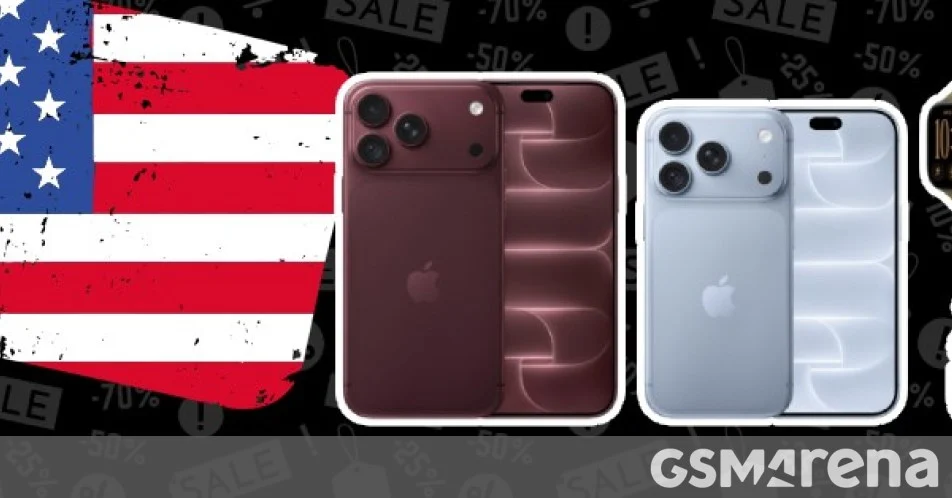
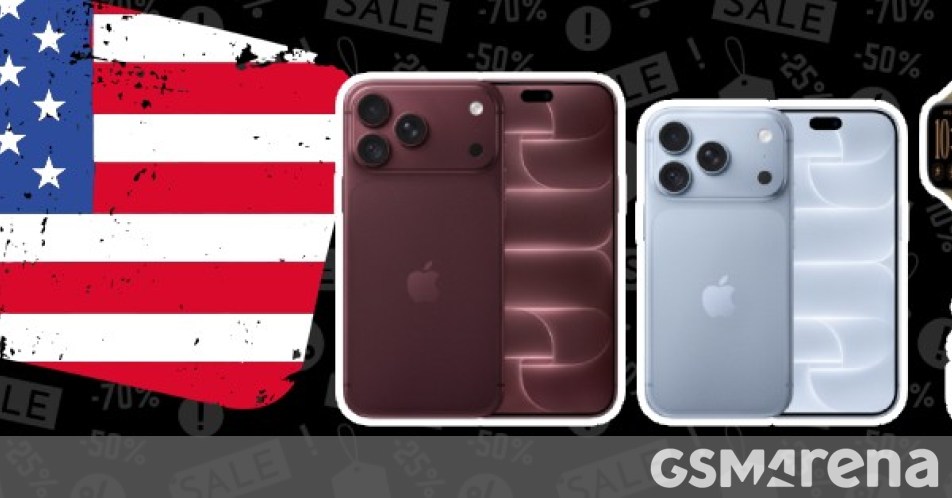
The global smartphone market reached a significant inflection point this Saturday as Apple officially opened pre-orders for the iPhone 18 Pro and iPhone 18 Pro Max. This launch arrives amidst a period of strategic recalibration for the Cupertino-based tech giant, characterized by a notable $100 price increase across the iPhone 16, 17, and Air product lines. As Apple positions its latest hardware at the premium end of the market, the release serves as a litmus test for consumer demand in an era of tightening economic constraints and rapid technological iteration. While the base iPhone 18 model remains on the horizon for a 2025 release, the current focus remains squarely on the Pro-tier offerings, which represent the pinnacle of Apple’s current silicon and imaging capabilities.
Technological Benchmarks and Performance Metrics
At the heart of the new iPhone 18 Pro and 18 Pro Max is the A20 Pro, the industry’s first 2nm-process chipset. This architectural leap allows for a peak clock speed of 4.93GHz, nearly touching the 5GHz threshold—a milestone that has already yielded record-breaking Geekbench scores. Beyond raw computational power, Apple has prioritized power efficiency, promising extended battery longevity for the Pro Max, a critical metric for power users.
The imaging system has also undergone a sophisticated refinement. The 48MP primary sensor, measuring 1/1.28 inches, now incorporates a mechanical variable aperture ranging from f/1.5 to f/4.0. This feature offers users greater control over depth of field and light intake, bridging the gap between mobile photography and traditional camera ergonomics. These hardware enhancements are further supported by a robust ecosystem of carrier incentives from major U.S. providers, including AT&T, T-Mobile, and Verizon, aimed at mitigating the higher entry price for consumers.
The Competitive Landscape: Samsung and Google
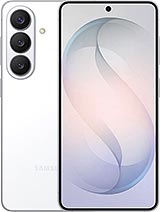
The launch occurs in a hyper-competitive landscape where rivals like Samsung and Google are offering increasingly potent alternatives. The Samsung Galaxy S26, for instance, enters the market with a 6.3-inch 120Hz LTPO display that stands as a direct peer to the iPhone 18 Pro’s screen technology. However, the divergence in camera strategy remains pronounced; while Samsung utilizes a 10MP 3x telephoto and a 12MP ultra-wide, Apple’s Pro setup leverages a 48MP 4x/100mm telephoto lens and a 48MP ultra-wide.
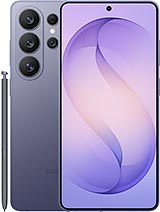
The Galaxy S26 Ultra presents a more aggressive value proposition, often retailing for less than the standard iPhone 18 Pro while boasting a 200MP main sensor, dual telephoto modules (3x and 5x), and unique quality-of-life features such as the S Pen and the proprietary Privacy Display. Similarly, Google’s Pixel 11 Pro offers a compelling alternative for those prioritizing computational photography, featuring a 50MP primary sensor and a 48MP 5x telephoto. While the Google Tensor G6 chipset continues to trail the A20 Pro in raw synthetic benchmarks, Google has addressed historical battery efficiency concerns, and the integration of "Pixelsnap" magnetic charging brings the device closer to the Apple ecosystem’s convenience standards.
The Foldable Frontier: The iPhone Duo vs. Industry Standards
Perhaps the most significant development in this product cycle is the introduction of the iPhone Duo, Apple’s maiden entry into the foldable segment. By opting for a wide-form factor, Apple is positioning the Duo as a direct competitor to the established Galaxy Z Fold8. The market analysis for this segment reveals a stark contrast in design philosophies: the Z Fold8 is notably slimmer at 9.7mm and lighter at 201g compared to the iPhone Duo’s 254g.
Samsung’s advantage in this sector stems from years of iterative optimization of the One UI interface for folding displays. Conversely, the iPhone Duo marks Apple’s initial attempt to manage the transition of iOS applications from a standard cover screen to a larger, unfolded internal canvas. While the iPhone Duo introduces under-display camera technology and stylus support—features that have been sidelined in recent Samsung iterations—the Galaxy Z Fold8 Ultra offers a more expansive 8-inch inner display and a 200MP camera system, all while maintaining a profile thinner than the iPhone 18 Pro Max.

Wearables and Ecosystem Expansion
Apple’s hardware event was not limited to smartphones; the company also unveiled the Apple Watch Series 12 and the Apple Watch Ultra 4. The Series 12 focuses on health diagnostics, introducing enhanced optical and electrical heart rate sensors alongside advanced AI-driven audio processing. These features include environmental sound recognition for users with auditory impairments and real-time conversation summarization.
The Apple Watch Ultra 4 addresses the primary constraint of the wearable category: battery life. With an official rating of 50 hours under normal usage and up to 84 hours in Low Power Mode, the Ultra 4 represents an 8-hour and 12-hour improvement, respectively, over its predecessor. Rounding out the peripheral updates are the AirPods 5, which feature improved noise cancellation, spatial audio, and Adaptive EQ. By offering these at a lower price point than the previous generation, Apple appears to be attempting to lower the barrier to entry for its high-margin audio ecosystem.

Implications and Market Outlook
The current hardware cycle underscores a broader trend in the consumer electronics sector: the move toward iterative, high-performance optimization rather than radical form-factor shifts, with the notable exception of the foldable market. The decision to raise prices on the iPhone 16 and 17 series, while simultaneously introducing a premium, high-cost iPhone Duo, suggests that Apple is banking on brand loyalty to insulate its margins against rising manufacturing costs associated with 2nm silicon and complex hinge mechanics.
From a macroeconomic perspective, the reliance on carrier-subsidized deals indicates that manufacturers recognize the growing price sensitivity of the global consumer base. As the "super-cycle" of the smartphone market matures, the competition has shifted from basic hardware specs to software-defined experiences, AI integration, and the seamlessness of the ecosystem.

For consumers, the choice between the iPhone 18 Pro and its Android counterparts has never been more nuanced. The decision now rests on a trade-off between the raw, industry-leading performance of Apple’s A20 Pro chip and the versatile, cost-effective, and feature-rich alternatives provided by Samsung’s S26 and Z Fold series, or the specialized imaging prowess of Google’s Pixel 11 Pro. As the industry moves into the final quarter of the year, the performance of these devices in real-world, long-term usage will determine which manufacturer successfully captures the shifting preferences of the modern user.
The trajectory of these releases, starting with the pre-order phase this Saturday and moving toward the mid-October launch of the foldable lineup, sets the stage for a critical fiscal year. Whether the market is willing to absorb the increased costs of these premium devices remains to be seen, but the initial response will likely serve as a definitive indicator of the health of the high-end smartphone market for the remainder of the decade.