
The modern outdoor recreation landscape is increasingly characterized by a paradox: while hikers seek wilderness escapes to disconnect from the hyper-connectivity of contemporary life, the primary tool used to capture these experiences is the smartphone—a device that ties users directly to the digital grid. This tension has catalyzed a broader cultural movement away from smartphones, particularly among younger demographics embracing minimalist "dumb phones" for everyday communication. However, this transition exposes a distinct operational challenge for outdoor enthusiasts: budget and basic communication devices routinely feature inferior optics, rendering them inadequate for capturing high-quality wilderness photography. To resolve this dilemma without compromising digital boundaries, a growing segment of hikers is experimenting with ultralight, retro-inspired keychain digital cameras. This analysis examines the technical performance, market context, and practical implications of utilizing ultra-minimalist imaging devices, such as the Life Camera S168, within the backcountry.
The Digital Detox Movement and the Backcountry Optics Dilemma
The impetus for adopting minimalist technology stems from widespread societal fatigue regarding constant connectivity. By late 2025, an escalating number of consumers—led prominently by Generation Z—began abandoning feature-rich smartphones in favor of basic voice-and-text cellular devices. This trend reflects a deliberate effort to reclaim personal time from algorithmic feeds, continuous work notifications, and the psychological weight of omnipresent digital communication.
For hikers and backpackers, however, the complete elimination of a smartphone presents a logistical obstacle. While traditional safety protocols and modern conveniences both benefit from communication tools, the cameras embedded in basic $15 to $50 feature phones are notoriously primitive. Producing images that frequently resemble views through smudged glass or heavily pixelated video footage, these devices fail to satisfy hikers who wish to document their journeys.
Faced with this limitation, outdoor enthusiasts confront a difficult choice. Carrying a traditional point-and-shoot camera adds unwanted weight and bulk to a pack—contrary to the ultralight ethos of modern backpacking—while continuing to carry a smartphone defeats the core purpose of a digital detox. This equipment gap has created an opening for an unexpected technological niche: thumb-sized, retro-styled keychain digital cameras that promise low-impact documentation without smartphone connectivity.
Chronology of the Retro Keychain Camera Trend
The resurgence of lo-fi, pocket-sized digital photography did not occur in a vacuum. The timeline of this micro-trend reveals a convergence of nostalgic consumer demand and manufacturing capabilities centered in late 2025:
- Late 2025: Amid rising cultural resistance to smartphones, consumer electronics manufacturers introduce novelty retro digital cameras, most notably the Kodak Charmera. Designed to evoke the aesthetic of late-1990s disposable cameras while utilizing modern digital storage, the device instantly sparks a market response with numerous direct-from-manufacturer alternatives.
- Late 2025 to Early 2026: Outdoor enthusiasts, seeking alternatives to heavy digital single-lens reflex (DSLR) systems and tethered smartphones, begin testing these keychain models on regional trails, day hikes, and family road trips.
- Spring and Summer 2026: Reviewers and outdoor gear publications initiate structured field tests to determine whether ultra-minimalist cameras are functional tools for wilderness documentation or merely short-lived novelties.
- October 2026: Comprehensive evaluations of models like the Life Camera S168 clarify the performance thresholds, optical limitations, and specific use-case scenarios for hikers operating outside the smartphone ecosystem.
Technical Specifications of Minimalist Imaging Devices
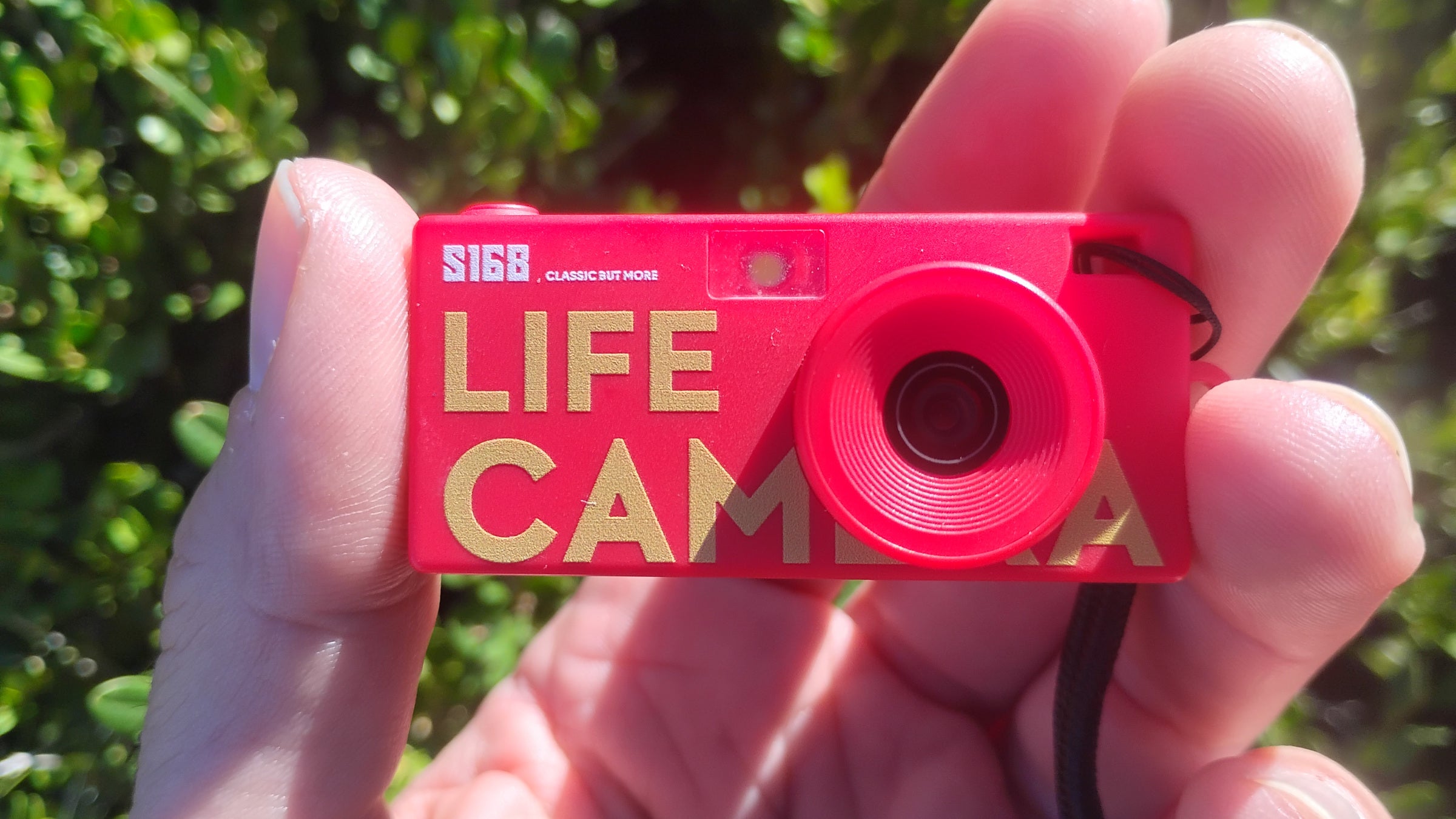
To evaluate the utility of keychain cameras in outdoor environments, industry analysts and gear testers rely on standardized performance metrics. Devices in this category, exemplified by the Life Camera S168 priced at approximately $30, are engineered for extreme minimalism.
Device dimensions prioritize weight reduction above all else. Weighing a mere 21 grams—roughly equivalent to a standard pack of chewing gum—the hardware imposes a negligible burden on lightweight backpacking setups. The physical interface is intentionally stripped down, typically featuring a molded plastic chassis with three primary inputs: a top-mounted shutter button and two side-mounted navigation buttons used to cycle through basic menu options. A miniature rear display screen serves strictly as a viewfinder for framing shots.
Optically, these devices represent a stark contrast to contemporary mobile phones. While modern flagship smartphones utilize sensors exceeding 48 megapixels supported by advanced computational photography and high dynamic range (HDR) algorithms, typical keychain cameras feature basic 2-megapixel sensors. Storage relies on removable MicroSD cards—often supporting capacities up to 128GB—allowing users to offload files directly to computers or smartphones via USB-C connectors. Power is supplied by internal rechargeable batteries, such as a modest 180mAh cell charged via USB-C.

Field Performance and Image Quality Analysis
Field testing across varied topography—ranging from the high-altitude aspen groves of Vail, Colorado, to the arid desert environments of the Little Book Cliffs Wild Horse Range and the Colorado National Monument—provides clear insight into the operational capabilities of these minimalist cameras.
Functionally, the user experience closely mirrors that of late-20th-century disposable film cameras. Operation is straightforward, requiring no manual adjustment of shutter speed, aperture, or focus. However, the resulting imagery is distinctly lo-fi. While photos are legible and capture the general composition of a landscape or subject when viewed at small scales (such as standard 3×5-inch prints), they exhibit significant grain and lack fine textural detail. Enlarging or zooming in on the digital files rapidly exposes the limitations of the low-resolution sensor.
Environmental lighting conditions significantly impact performance. High-contrast scenarios, which are common in alpine and desert hiking environments, expose major optical shortcomings. Bright daylight frequently causes landscape shots to suffer from blown-out highlights, where clouds and open skies dissolve into undifferentiated white areas. Similarly, portrait photography requires precise framing to avoid unnatural lighting balance on human subjects.
Video capture capabilities present a comparable profile. Although manufacturers frequently market these devices with specifications like 2K resolution recording, real-world output resembles the quality of digital camcorders from two decades prior. Footage exhibits visible grain and desaturated color palettes. Furthermore, compatibility issues can arise; certain keychain models record video in legacy formats such as AVI, requiring users to install third-party applications on modern mobile operating systems to playback files natively.
Market Implications and Industry Assessment

As outdoor gear analysts weigh the value of ultra-minimalist keychain cameras, the consensus divides sharply along user demographics and functional requirements.
For the vast majority of hikers—estimated at roughly 99 percent of the outdoor recreation community—who routinely carry smartphones and value integrated navigation, emergency communication, and high-fidelity photography, these keychain devices represent a specialized novelty rather than a functional upgrade. Modern budget smartphones consistently outperform micro-cameras in low-light conditions, dynamic range, and overall image sharpness.
Conversely, for the subset of outdoor enthusiasts committed to reducing screen time and stepping away from data-connected devices, the evaluation is nuanced. Traditional point-and-shoot cameras deliver superior optical performance but exact a heavy penalty in financial cost—often tripling the price—and physical weight, adding bulk to ultralight packs. Keychain cameras offer a middle ground for individuals who appreciate a nostalgic, tactile aesthetic reminiscent of physical photo albums rather than digital social media feeds.
Ultimately, industry experts suggest that while ultra-minimalist keychain cameras are unlikely to replace primary documentation tools for major expeditions or professional assignments, they occupy a viable niche. For casual overnight backpacking trips and local day hikes where the primary objective is unplugged personal enjoyment rather than high-resolution archival, these lightweight devices provide a practical compromise between digital abstinence and visual record-keeping.