The bride’s preparation phase serves as the narrative cornerstone of any wedding day documentation, setting the emotional trajectory for the entire visual story. When executed with precision, this period provides an intimate look at the transition from individual to spouse, ensuring the wedding album feels complete. Conversely, treating these hours as a mere formality often results in a fractured narrative, forcing photographers to spend the remainder of the day attempting to recreate lost moments. Professional photographic studios, such as Lin and Jirsa Photography, have identified that consistent, high-quality prep coverage requires a transition from passive observation to active, intentional direction.

The Strategic Importance of Early Arrival and Site Assessment
Professional standards in wedding photography dictate that arrival times should precede the scheduled start by at least 15 to 20 minutes. This buffer is not a suggestion but a critical operational requirement. Arriving early allows a photographer to conduct a comprehensive site assessment, identifying the room’s lighting conditions, potential spatial limitations, and logistical hurdles.

In the diverse environments of Southern California—ranging from cramped hotel suites to expansive, naturally lit estates—the ability to identify the primary light source is paramount. A north-facing window, for instance, provides a consistent, soft, directional light ideal for portraiture. In contrast, south-facing windows during mid-day hours present challenges with harsh, high-contrast illumination that can compromise skin tones. By assessing these variables before the bride and bridal party arrive, photographers can prepare lighting setups—such as off-camera flash or diffusers—in advance, avoiding time-consuming adjustments during the critical moments of dressing.

Prioritizing Detail Photography and Environmental Context
Detail shots, including rings, invitations, jewelry, and the wedding dress, should be captured before the preparation area becomes congested with personnel and personal belongings. Statistical data from industry workflows suggests that clearing the room of clutter early in the morning reduces post-production editing time by as much as 30%.

Effective communication with the bride in the days leading up to the event is the primary driver of this efficiency. By requesting that the bride centralize all accessories in one designated area, photographers can systematically document these items without interrupting the flow of hair and makeup services. This preparation ensures that the photographer can choose a background that complements the aesthetic of the wedding, avoiding cluttered hotel furniture or poorly lit corners. Hanging the dress in a space with clean, neutral tones and soft light is essential for establishing the elegance of the attire before it is worn.

Transitioning from Candid Observation to Directed Storytelling
A common misconception among emerging photographers is that the "getting ready" phase should be captured entirely through candid, documentary-style photography. In practice, the process of makeup application is rarely photogenic; subjects are often hunched over, eyes are closed, and stylists’ hands frequently obstruct the frame.

Instead, top-tier professionals employ a technique often referred to as "re-enacted moments." Once the makeup artist has completed the look, the photographer directs the artist to apply a finishing touch. This approach allows the bride to maintain a relaxed, photogenic posture while benefiting from optimal positioning relative to the light. Furthermore, photographers are not tethered to the makeup artist’s preferred workspace. If a professional lighting setup is required, politely requesting that the bride move to a window or a more suitable location ensures the highest quality of imagery. Advanced techniques, such as backlighting a hairspray mist with a strobe, can transform a mundane, windowless hotel room into a dramatic, high-end studio setting.

The Three-Tiered Framework for Narrative Completeness
To ensure a cohesive visual narrative, photographers should categorize their coverage into three distinct focal lengths: wide, medium, and tight. This methodology provides a structured approach to storytelling that mirrors the human eye’s experience of a space.

- Wide Angles (24mm–35mm): These shots serve to establish the environment. They provide the viewer with context, showing the scale of the suite, the presence of the bridal party, and the overall atmosphere of the morning.
- Medium Angles (50mm–85mm): This tier focuses on the subjects, capturing facial expressions and emotional reactions. It is here that the rapport between the bride and her entourage becomes the primary focus of the composition.
- Tight Angles (85mm–100mm Macro): These frames highlight the intimate details—the clasping of a necklace, the zipping of a dress, or a hand resting on a shoulder. These details anchor the story in reality, lending a documentary quality that bridges the gap between posed portraits and candid snapshots.
The Role of Efficient Portraiture and Group Posing
Once the bride is fully dressed, the schedule should allocate five to ten minutes for individual bridal portraits. By utilizing the lighting setup already established during the preparation phase, photographers can capture high-quality portraits without disrupting the timeline. Experts recommend an 85mm lens for these shots, as it offers flattering compression for both the face and the dress silhouette, minimizing the distortion common in wider lenses at close range.

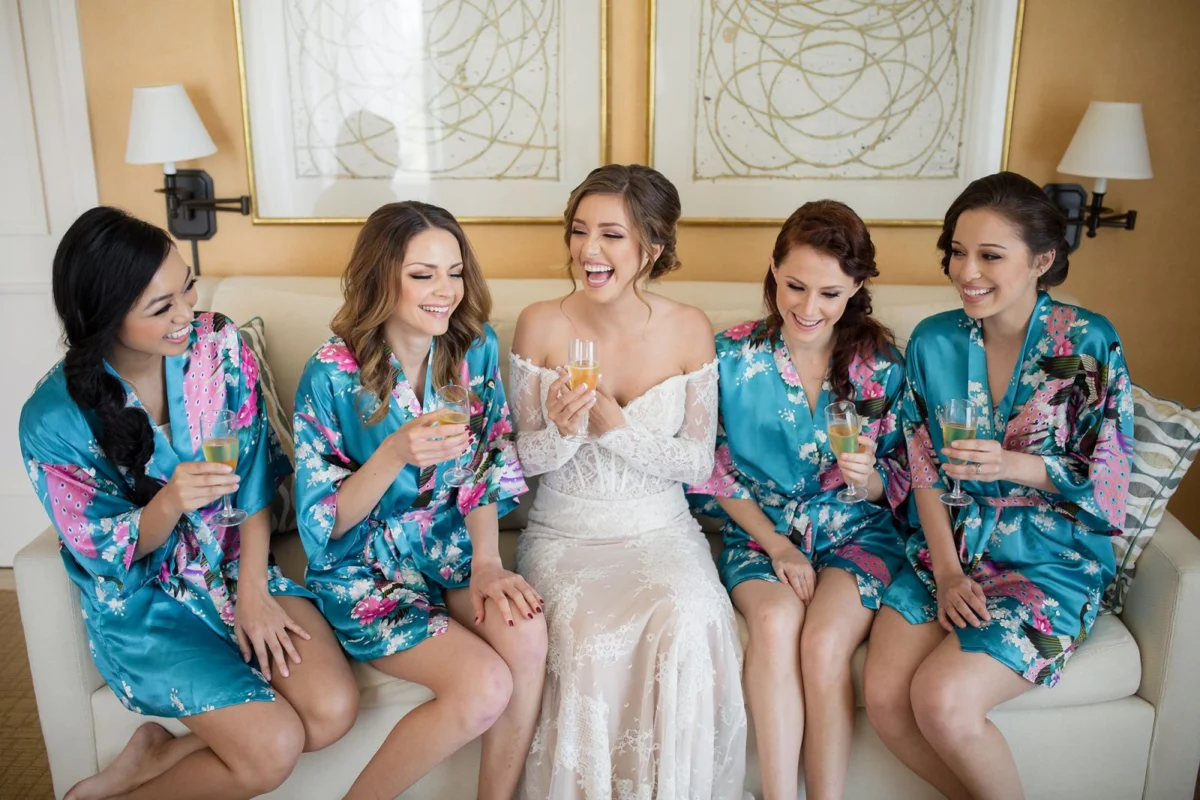
For bridal party group portraits, the focus should remain on physical connection rather than strict symmetry. While traditional symmetrical posing is efficient, instructing the group to link arms, touch shoulders, or lean in creates a sense of genuine intimacy. To elicit authentic expressions, photographers should rely on micro-adjustments—such as asking the bridesmaids to look at the bride rather than the camera—which consistently yields more natural results than standard commands to smile.

Broader Implications of Pre-Wedding Communication
The ultimate success of the preparation coverage is directly linked to the amount of information exchanged before the wedding day. Whether through a detailed questionnaire or a pre-event planning call, understanding the relationships within the bridal party and the bride’s specific visual preferences is critical.

The logistical implications of these preparations are significant. A well-prepared photographer can complete all required tasks—including detail photography, individual portraits, and group shots—within a 60-to-90-minute window. If this time is not managed, the photographer faces a "catch-up" scenario that often persists through the ceremony and reception. By investing time in planning, professionals ensure that they are not merely reacting to the day, but actively orchestrating the environment to capture the most poignant moments.

FAQ: Industry Standards for Preparation Coverage
How much time should be allocated?
A minimum of 60 to 90 minutes is recommended for a comprehensive session. For bridal parties larger than six or for shoots requiring complex editorial posing, adding 20 to 30 minutes of buffer time is standard industry practice.

What is the essential gear list?
The core kit includes a 35mm lens for wide environmental shots, an 85mm lens for portraits, and a speedlight with a portable softbox modifier. This combination provides the necessary versatility to handle diverse lighting environments, from bright suites to dark, windowless rooms.

How should flash be integrated?
Flash should be used as a tool to mimic or enhance natural light rather than to replace it. Bouncing light or using diffusers creates soft, flattering shadows. On-camera flash is generally discouraged due to its tendency to produce flat, clinical results that detract from the emotional weight of the images.

Why is pre-day communication so critical?
Identifying key individuals—such as parents or close friends who should be included in intimate moments—and understanding the bride’s vision prevents the photographer from wasting time on irrelevant shots. It allows the photographer to arrive as a director, capable of executing a plan rather than struggling to improvise under the pressures of a live event.

In summary, the preparation phase of a wedding is a complex, time-sensitive operation. By combining technical proficiency in lighting, a structured approach to narrative framing, and rigorous pre-event planning, photographers can deliver a product that captures not just the events, but the emotions of the wedding day.