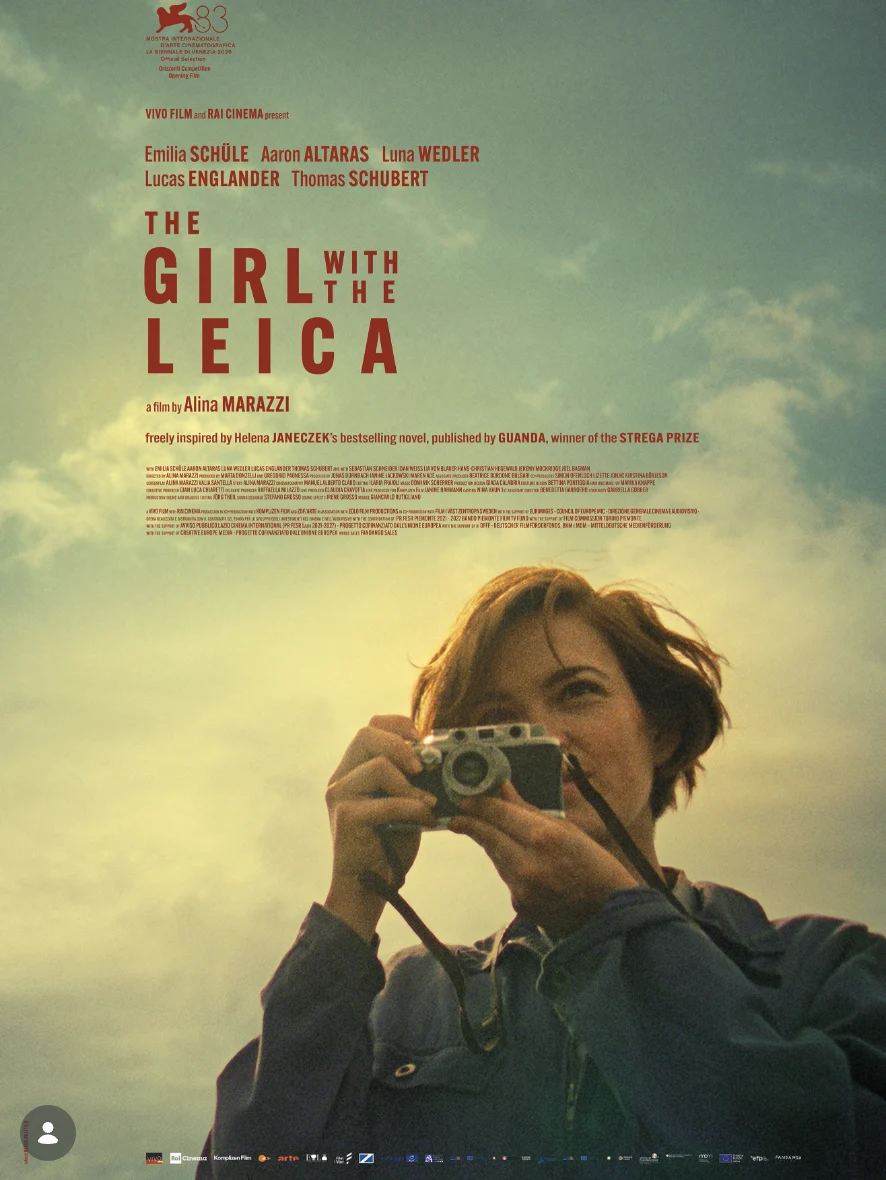
The 73rd Venice Film Festival served as the prestigious backdrop for the premiere of Alina Marazzi’s feature film The Girl with the Leica, drawing critical acclaim and intense public curiosity for its stylish, impressionistic exploration of pioneering war photographer Gerda Taro. While initial cinematic reviews have debated the film’s narrative successes and its stylistic portrayal of 1930s bohemian artist circles, the biographical drama casts a long-overdue spotlight on a foundational ethical controversy within the history of photojournalism. At the heart of the film is a tale of forced pseudonymity, romantic partnership, political survival, and a seven-decade-long battle for historical attribution that resonates deeply with modern debates surrounding intellectual property and creative credit.
The Genesis of Robert Capa: Survival and Strategy in Interwar Europe
The genesis of one of the most famous photographic monikers in history was born not out of artistic vanity, but out of desperate survival. In the mid-1930s, Gerda Taro—a Jewish refugee who had fled Nazi Germany—and André Friedmann, a Hungarian-Jewish émigré photographer, found themselves scraping by in Paris amid a rising tide of European fascism and economic scarcity.
Facing rampant antisemitism and systemic prejudice that routinely depressed freelance rates and blocked major editorial assignments for Jewish creatives, the pair devised a clever marketing strategy. They invented a glamorous, confident, and entirely fictitious American photographer named Robert Capa. The strategy worked brilliantly. Picture editors across Europe bought into the persona, editorial assignments increased, and the collective output of two distinct, talented photographers was funneled under a single, highly marketable male pseudonym.
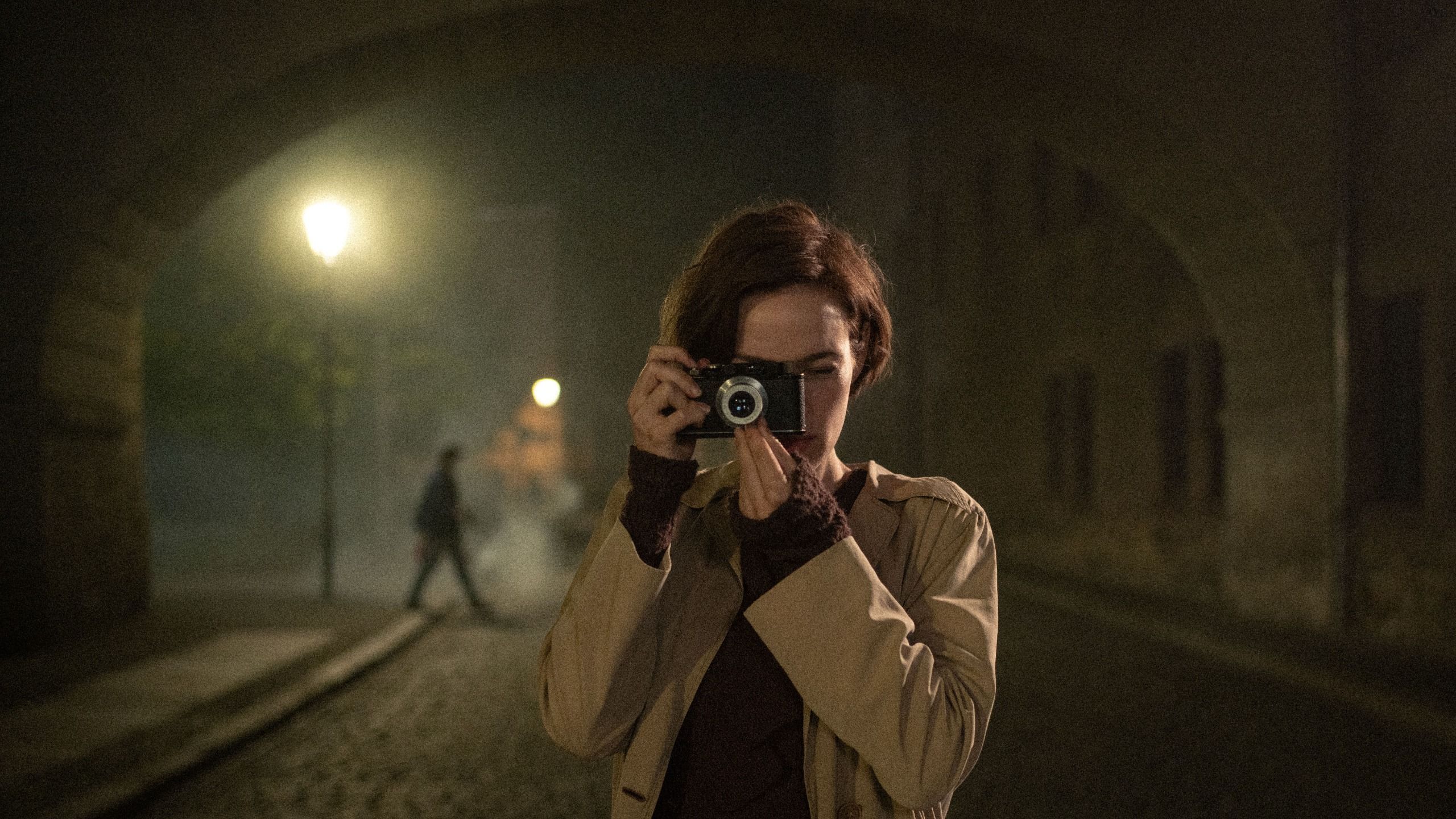
However, the historical trajectory of the moniker took a tragic turn with the outbreak of the Spanish Civil War. Taro and Friedmann traveled directly to the front lines to document the conflict, capturing harrowing, intimate, and visceral images of warfare that helped define modern photojournalism. Tragically, Taro’s career was cut short on July 25, 1937, when she was run over by a Republican tank during the chaotic retreat from the Battle of Brunete. She died of her injuries at the age of just 26, becoming the first female photojournalist to be killed while covering a front-line combat zone.
Following Taro’s untimely death, André Friedmann officially retained the professional name Robert Capa for himself, eventually ascending to legendary status as one of the preeminent combat photographers of the 20th century. For more than seventy years, a substantial portion of the images captured by Taro during their joint coverage in Spain remained filed within archives under Capa’s name, seamlessly absorbing into the singular legend of Friedmann and obscuring Taro’s individual artistic footprint.
Forensic Archival Work and the Mexican Suitcases
For decades, historians and photography purists suspected that the monolithic attribution of the "Robert Capa" archive oversimplified a collaborative partnership. Yet, proving the distinct authorship of images captured on the chaotic battlefields of Spain seemed an impossible task, especially given the loss of original primary sources and negatives during the tumultuous upheaval of World War II.
That dynamic shifted dramatically in 2007 with the extraordinary discovery of the legendary "Mexican Suitcases." Unearthed in Mexico City, the three long-lost boxes contained thousands of original negatives spanning the Spanish Civil War, including work shot by Taro, Capa, and their contemporary David "Chim" Seymour.
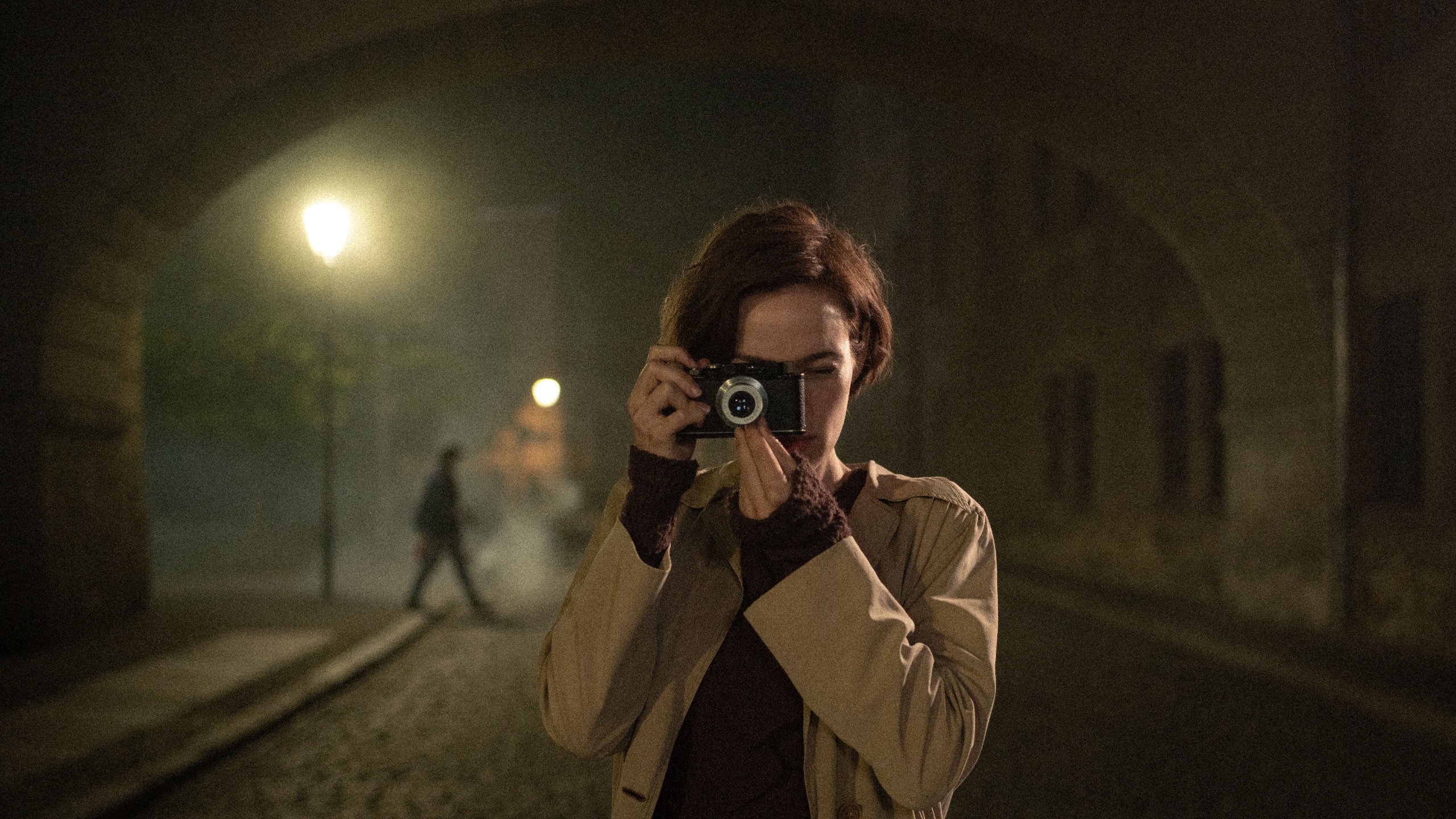
The recovery triggered a massive, meticulous forensic archival project. Historians, curators, and photography experts examined the cache frame by frame, analyzing camera mechanics, frame sequencing, and visual styles to differentiate between the exposures made on Taro’s personal Leica camera and those shot by Friedmann. This painstaking investigative work finally provided empirical evidence of Taro’s distinct compositional eye, separating her visual legacy from the blanket attribution that had dominated the historical record for over half a century.
Cinematic Adaptation and Critical Reception
Marazzi’s The Girl with the Leica dramatizes this complex historical friction, bringing audiences back to the politically fraught atmosphere of 1930s Europe where collaborative aliases were initially adopted as protective shields rather than tools for historical erasure. Actor Emilia Schüle steps into the role of Gerda Taro, capturing her vibrant energy alongside Aaron Altaras as André Friedmann.
Critical reception of the film has highlighted its artistic ambition. In his review for Screen Daily, critic Lee Marshall observed that the film’s impressionistic framing occasionally keeps its pioneering subject at a distance, struggling to fully tether Taro’s elusive persona to the screen. Yet, cultural analysts suggest that this stylistic elusiveness mirrors the very historical reality of Taro’s life and career—a brilliant artist whose actual name and contributions spent seventy years lingering just beyond the reach of mainstream recognition.
Broader Implications for Modern Journalism and Credit
Beyond its cinematic merits, The Girl with the Leica arrives at a time when the creative industries are increasingly grappling with issues of attribution, fair compensation, and the erasure of marginalized contributors. The historical suppression of Taro’s credit serves as an early, high-stakes parallel to contemporary debates over shared credit lines, editorial shortcuts, and the often-invisible labor of assistant photographers, co-creators, and secondary contributors.
In contemporary media, bylines and metadata are legally and ethically tied to professional reputation, copyright ownership, and career advancement. The saga of Taro and Friedmann demonstrates how easily economic pressures and historical inertia can combine to write a living contributor out of the historical record—and how difficult it is to correct those omissions decades later, even with the aid of modern forensic historical research.
Future Screenings and Release Outlook
As The Girl with the Leica continues its festival run following its Venice debut, it is scheduled to screen at Filmfest Hamburg in Germany on September 29. Producers have yet to announce a widespread international theatrical release date or streaming distribution partnerships, but festival programmers anticipate strong interest from history enthusiasts, photography societies, and art house cinema audiences alike.
By revisiting the life of Gerda Taro, the film and the discourse surrounding it offer a vital corrective to traditional historical narratives, ensuring that the woman behind the camera—and behind the myth of Robert Capa—finally reclaims her rightful place in the annals of photographic history.