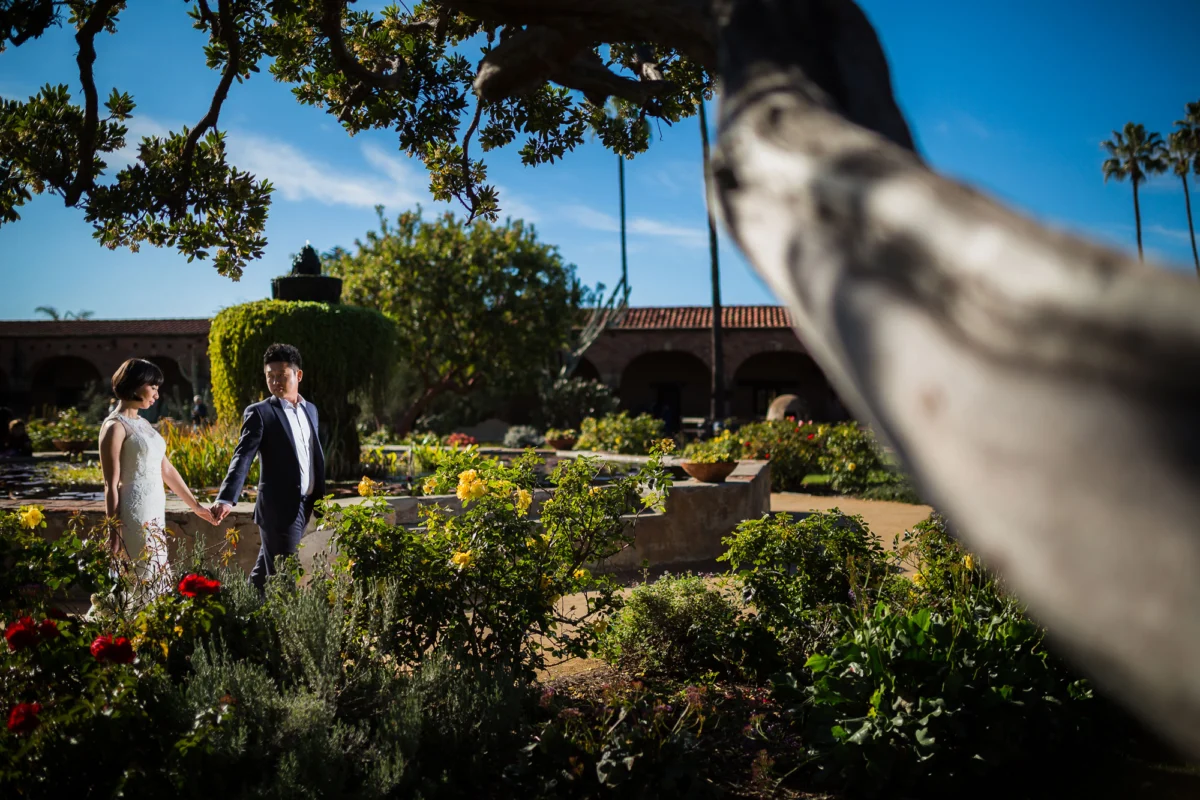
The Neutral Density (ND) filter, often relegated to the realm of landscape photographers seeking ethereal water motion or dramatic sky control, is a potent yet frequently overlooked tool that can profoundly transform portraiture. While its primary function of reducing light entry without altering color is well-established for capturing expansive vistas, its application in portrait photography offers a sophisticated pathway to greater creative control, particularly in challenging lighting scenarios. This exploration delves into three key methodologies for integrating ND filters into portrait sessions, alongside recommendations for selecting the appropriate gear to elevate your work.
Mastering Long Exposure Portraits with ND Filters
The ability to manipulate shutter speed is fundamental to photographic expression. In portraiture, intentionally blurring motion—a technique often referred to as "shutter drag" or "motion blur"—can imbue an image with a dynamic and artistic quality. Traditionally, achieving a sufficiently slow shutter speed in bright daylight to induce motion blur necessitates a very narrow aperture (high f-stop) to prevent overexposure. This approach, however, can limit the photographer’s ability to isolate the subject with a shallow depth of field.
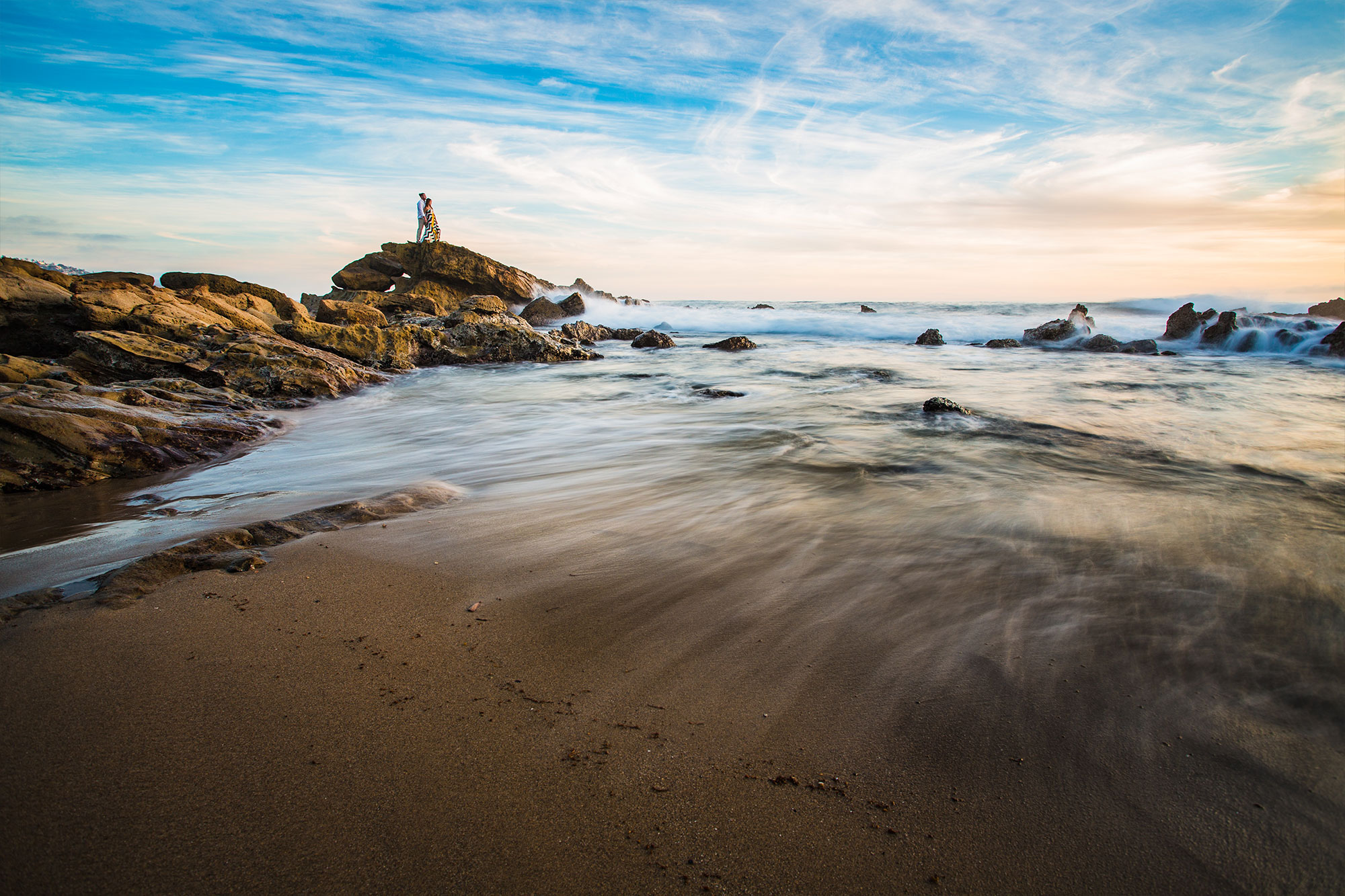
The introduction of an ND filter dramatically alters this equation. By reducing the amount of light entering the lens, an ND filter allows for a significantly slower shutter speed even under harsh sunlight, without forcing the aperture to an undesirable setting. Consider a scenario where a photographer aims to capture a subject against a backdrop of flowing water. Without an ND filter, achieving a one-second exposure to render the water silky smooth might require an f-stop of f/22 or even higher, rendering the subject soft and lacking definition due to diffraction and a deep depth of field.
With a 5-stop ND filter, this same one-second exposure becomes achievable at a more manageable aperture, say f/5.6 or even wider. This allows for a more pleasing separation of the subject from the background through a shallower depth of field. Furthermore, by enabling the use of a slower shutter speed at a low ISO (such as ISO 50, the base ISO for many cameras, which offers the maximum dynamic range), the photographer can capture richer detail in both highlights and shadows. This preserved detail in post-processing, using tools like Lightroom presets, allows for enhanced colors and lifted shadows, adding depth and vibrancy to the final image. The creative implications are substantial: a still portrait can now convey a sense of movement and energy, transforming a static scene into a narrative.
Expanding Dynamic Range in Portraits with ND Filters
Dynamic range, the measure of the difference between the lightest and darkest tones a camera can capture, is a critical factor in achieving well-exposed images, especially in high-contrast environments. Shooting at the lowest possible native ISO is paramount for maximizing this range, as it minimizes noise and preserves the most detail in both the bright skies and the deep shadows. However, when a photographer prioritizes a low ISO, the ambient light often becomes the sole light source for the subject. In bright daylight, this can lead to subjects appearing underexposed, even if the background is perfectly balanced.

This is where ND filters again prove indispensable. When a photographer chooses to shoot at their camera’s base ISO to maximize dynamic range, they might need to adjust their aperture and exposure to compensate for the available light. For instance, to achieve a desired aesthetic with specific light-scattering properties or to control the appearance of bokeh, a photographer might opt for a wider aperture like f/16. In such cases, an ND filter is crucial. By placing a 4-stop ND filter on the lens, the photographer can maintain the f/16 aperture and the low ISO while still controlling the overall exposure, preventing blown-out highlights in the sky and preserving detail in the shadows.
The ability to use a higher f-stop like f/16 can be artistically motivated. For example, when photographing subjects near water, a higher f-stop can contribute to creating "beads of light" or a more controlled rendering of specular highlights. Without an ND filter, achieving this would necessitate a much faster shutter speed, potentially leading to an underexposed scene or a higher ISO, thereby sacrificing dynamic range. The ND filter acts as an enabler, allowing photographers to balance the exposure of the ambient light and the subject, even when their creative choices (like a specific aperture for aesthetic reasons) would otherwise lead to exposure challenges. This control is vital for achieving images that exhibit both a rich tonal range and a well-defined subject.
Leveraging Flash Photography Without High-Speed Sync (HSS)
High-Speed Sync (HSS) is a feature on many flashes that allows photographers to use shutter speeds faster than their camera’s native sync speed. While HSS can be a convenient tool for overpowering the sun and maintaining a shallow depth of field in bright conditions, it comes with inherent drawbacks that can impact the consistency and efficiency of a portrait shoot.

One significant concern with HSS is its inconsistency. Each flash burst in HSS mode is a rapid succession of very short pulses, and the actual light output can vary slightly from shot to shot, making it challenging to replicate the exact lighting on subsequent frames. Furthermore, when attempting to overpower bright sunlight, HSS can lead to significantly reduced flash recycle times. This means the photographer has to wait longer between shots for the flash to recharge, slowing down the entire shooting process and potentially disrupting the flow of a portrait session.
An ND filter offers a more stable and consistent alternative to HSS for portraiture in bright daylight. By using an ND filter, a photographer can slow down their shutter speed to the camera’s native sync speed (typically 1/200th or 1/250th of a second) while still using a wide aperture like f/1.4 to achieve a shallow depth of field. The ND filter reduces the ambient light, allowing the photographer to then use their strobes to overpower the remaining daylight and illuminate the subject. This approach maintains a consistent flash output and faster recycle times, as the flash is firing in its standard mode.
For instance, a photographer might be using a Canon 5D Mark III with a Sigma Art 35mm lens at f/1.4 and ISO 50. In direct noon sun, without an ND filter, achieving a balanced exposure with flash would require HSS or a much higher f-stop. However, by attaching a Tiffen 1.2 Digital HT ND filter, the photographer can maintain the desired f/1.4 aperture and ISO 50 while shooting at the camera’s native 1/200th sync speed. Three Canon 600EX-RT flashes can then be used to overpower the sunlight, effectively "chiseling out" the subjects from the bright background. This method not only provides greater control over flash consistency but also allows for creative compositional choices, such as positioning subjects against bright highlights in the water to draw attention to their faces, while maintaining a slightly brighter ambient exposure for a more natural feel.
Essential Gear for ND Filter Portraiture
The effectiveness of an ND filter in portraiture hinges on its quality. When placing an accessory in front of the lens, it is imperative that it does not degrade the image quality. Cheaper ND filters often suffer from color casts or "tint defects" that can introduce unwanted hues into the image, complicating post-processing and compromising the natural color rendition of the scene.
For photographers employing strobes or seeking precise control over exposure in bright conditions, investing in reliable ND filters is crucial. The market offers various brands, but certain manufacturers have established a reputation for quality and performance. Tiffen, for example, has garnered significant acclaim, including an Oscar award for their ND filters, due to their consistency and reliability across different price points.
When selecting an ND filter, consider the "stop" rating, which indicates how much light the filter reduces. A 3-stop ND filter reduces light by a factor of eight, a 6-stop by a factor of 64, and a 10-stop by a factor of 1024. The choice of stop rating depends on the specific lighting conditions and the desired creative effect. For portraiture in bright daylight, a 3-stop or 6-stop ND filter is often sufficient to allow for wider apertures or slower shutter speeds.

The material and coatings of the filter also play a role. High-quality filters are made from optical glass with multi-coatings that minimize reflections and ensure color neutrality. Brands like B+W, Haida, and LEE Filters are also well-regarded for their premium ND filters. Ultimately, the goal is to find a filter that seamlessly integrates into the photographic workflow without introducing artifacts or compromises in image quality.
Conclusion: Embracing the ND Filter for Photographic Advancement
The Neutral Density filter, far from being a niche accessory for landscape specialists, represents a powerful catalyst for creative exploration in portrait photography. By enabling photographers to overcome the limitations imposed by bright light, ND filters unlock new possibilities for artistic expression. Whether it’s achieving dreamlike motion blur in daylight, meticulously controlling dynamic range for a balanced and detailed image, or maintaining consistent flash power without resorting to HSS, the ND filter empowers photographers to push creative boundaries. As the adage goes, "stop letting light stop you." By understanding and embracing the versatility of the ND filter, photographers can harness its power to not only adapt to challenging lighting conditions but to actively use them as tools for crafting compelling and visually striking portraits. The investment in a quality ND filter is an investment in expanded creative freedom and enhanced technical control, ultimately leading to a more robust and nuanced photographic portfolio.