
Amazon has officially retracted its controversial plans to integrate its Ring doorbell ecosystem with Flock Safety, a technology firm specializing in automated license plate recognition (ALPR) and wide-scale video surveillance. The decision, confirmed by Ring in a recent corporate blog post, follows months of mounting public criticism and intense scrutiny from privacy advocates who warned that the partnership would effectively transform private residential doorbells into a pervasive, state-adjacent surveillance grid.
The partnership, initially announced in October 2025, was intended to bridge the gap between Ring’s "Community Requests" feature and Flock’s extensive camera network. Had the integration moved forward, it would have streamlined the process for law enforcement agencies to request and access footage directly from homeowners, bypassing traditional investigative hurdles. While Amazon publicly cited "resource allocation" as the primary driver for the cancellation, industry analysts and privacy researchers suggest the retreat was a calculated move to mitigate reputational damage following a wave of public outcry.
A Chronology of Escalating Concerns
The friction between Amazon’s smart home ambitions and privacy advocates has been building for years, but the tension reached a boiling point in early 2026. The trajectory of this conflict can be traced through several key milestones:
- Pre-2025: Ring establishes thousands of partnerships with local police departments across the United States, allowing agencies to request video from users via the "Neighbors" app. Critics argue this creates a "digital dragnet" that disproportionately affects marginalized communities.
- October 2025: Ring and Flock Safety announce a formal integration. The plan is to allow law enforcement to leverage Flock’s sophisticated ALPR database in tandem with Ring’s residential doorbell footage.
- February 2026 (The Super Bowl Campaign): Amazon launches a high-profile Super Bowl advertisement promoting a "Ring Search Party" feature, marketed as a tool to help neighbors find lost pets.
- February 2026 (The Backlash): The ad campaign is met with immediate, widespread criticism. Privacy groups and civil liberties advocates argue that the technology used to identify a lost dog could be trivially repurposed to track humans—specifically those labeled as "suspicious" or targeted for immigration enforcement.
- Late February 2026: In the wake of the public outcry and increasing scrutiny regarding the use of AI in surveillance, Amazon officially terminates the Flock Safety integration.
The Technology at the Core of the Controversy
To understand why the partnership triggered such significant alarm, it is necessary to examine the capabilities of the technology involved. Flock Safety provides high-definition cameras that use machine learning to identify not just license plates, but also vehicle makes, models, and unique features like bumper stickers or roof racks.
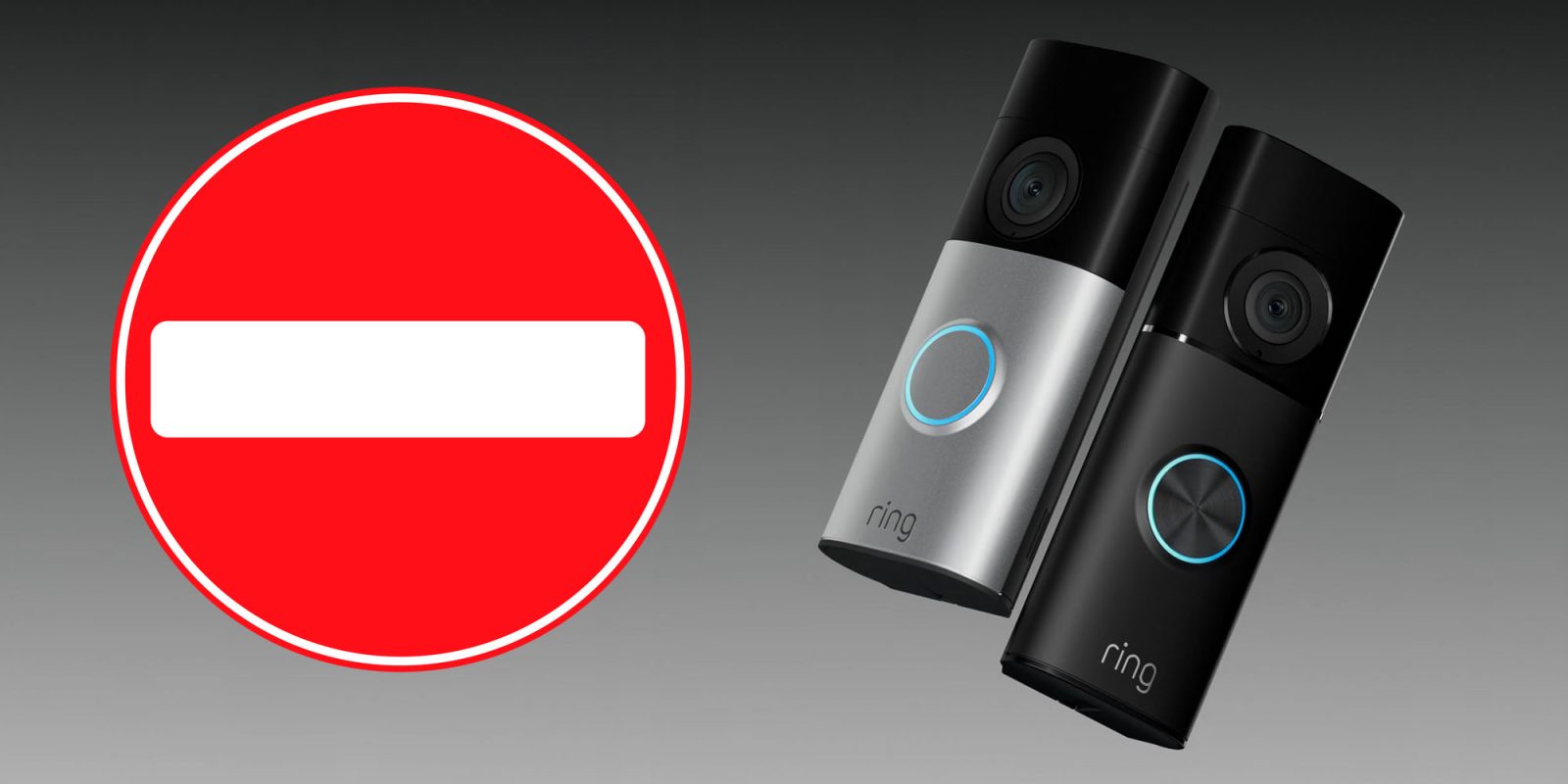
When coupled with Ring’s massive footprint—which includes millions of devices installed on private homes—the potential for a decentralized, always-on surveillance network becomes clear. Critics pointed out that while the companies framed these tools as public safety assets, they lacked the robust oversight and transparency mandates required for traditional government surveillance.
Furthermore, reports from organizations like 404 Media have highlighted that federal agencies, including U.S. Immigration and Customs Enforcement (ICE), have already utilized Flock’s database for various investigations. The fear among civil rights organizations was that a Ring-Flock integration would create a seamless pipeline, allowing federal authorities to tap into private residential cameras with minimal judicial oversight or public knowledge.
Analyzing the Official Stance
In its statement regarding the cancellation, Ring’s messaging focused on logistical constraints rather than ethical considerations. "Following a comprehensive review, we determined the planned Flock Safety integration would require significantly more time and resources than anticipated," the company stated. "As a result, we have made the joint decision to cancel the planned integration."
However, industry observers note that such "resource-based" explanations are common in corporate crisis management. By framing the cancellation as a technical or operational hurdle, Amazon avoids admitting that the product design itself was fundamentally incompatible with public expectations of privacy.
"The reality is that these companies operate on a ‘move fast and break things’ ethos, but when ‘breaking things’ involves the erosion of Fourth Amendment protections in residential neighborhoods, the public pushback becomes a significant business risk," says one security analyst familiar with smart home regulations. "Amazon has a massive interest in protecting the Ring brand from being associated with a ‘dystopian surveillance’ narrative, which is exactly what this partnership was starting to generate."

Broader Implications for Smart Home Privacy
The abandonment of the Flock Safety deal marks a significant moment in the ongoing debate over the role of private technology in public policing. The "Neighbors" app and similar platforms have long been criticized for facilitating racial profiling and encouraging "vigilante" behavior. By connecting these apps directly to professional law enforcement surveillance databases, Amazon was essentially attempting to formalize the role of private citizens as extensions of the police force.
The incident raises several critical questions about the future of the "Internet of Things" (IoT):
- Data Sharing Standards: To what extent should private companies be allowed to facilitate data sharing between their users and government agencies without explicit, granular consent for every single request?
- Algorithmic Bias: How can companies ensure that AI-driven surveillance tools, such as those used for identifying "suspicious" individuals, do not inherit or amplify existing societal biases?
- Corporate Accountability: As tech giants consolidate more control over the physical security of homes, what regulatory frameworks are necessary to ensure that these systems do not undermine the constitutional rights of the public?
The Path Forward
While the cancellation of the Flock Safety integration is a win for privacy advocates, the underlying infrastructure of the "Neighbors" app remains in place. Ring continues to host a platform where users share footage and discuss local activities, and law enforcement agencies continue to maintain relationships with the company.
The incident serves as a clear signal that consumers and privacy watchdogs are increasingly aware of the implications of their home devices. For Amazon, the challenge remains: how to grow the Ring ecosystem while managing a user base that is becoming more sensitive to the fine line between personal security and mass surveillance.
Moving forward, lawmakers and regulators are likely to continue investigating the intersection of private camera networks and law enforcement. Several municipalities have already begun drafting ordinances to restrict how police can request footage from private companies, signaling a shift toward more localized control over digital surveillance.

As for Amazon, the retreat from the Flock partnership suggests a pivot toward more conservative growth strategies for Ring. The company will likely focus on improving end-user security and encryption features in the near term, attempting to restore public trust that was eroded by the perception that the platform was becoming a tool for state-sponsored monitoring.
The failure of the Amazon-Flock integration demonstrates that even the largest technology firms are subject to the pressures of public perception. When the public perceives that the convenience of a smart doorbell comes at the cost of civil liberties, the backlash can be sufficient to halt even the most advanced corporate strategies. Whether this serves as a permanent change in direction for Amazon or merely a temporary pause remains to be seen, but the event has undeniably set a new precedent for the scrutiny of surveillance-tech partnerships.