The open-source home automation ecosystem has announced its latest major platform update, Home Assistant 2026.7. Developed collaboratively by a massive community of open-source contributors and coordinated by core maintainers, this release introduces profound shifts in how users interact with smart home routines, device configurations, and system logging. Among the most notable additions are purpose-built automation triggers and conditions graduating from the experimental Labs environment into core availability, a completely overhauled activity timeline replacing the legacy logbook, and streamlined bulk update functionality. This update arrives as the Open Home Foundation prepares for its historic debut exhibition at IFA Berlin in September 2026, marking another milestone in the mainstream adoption of local, privacy-focused smart home architectures.
Evolution of Smart Home Automation: More Power, Less Complexity
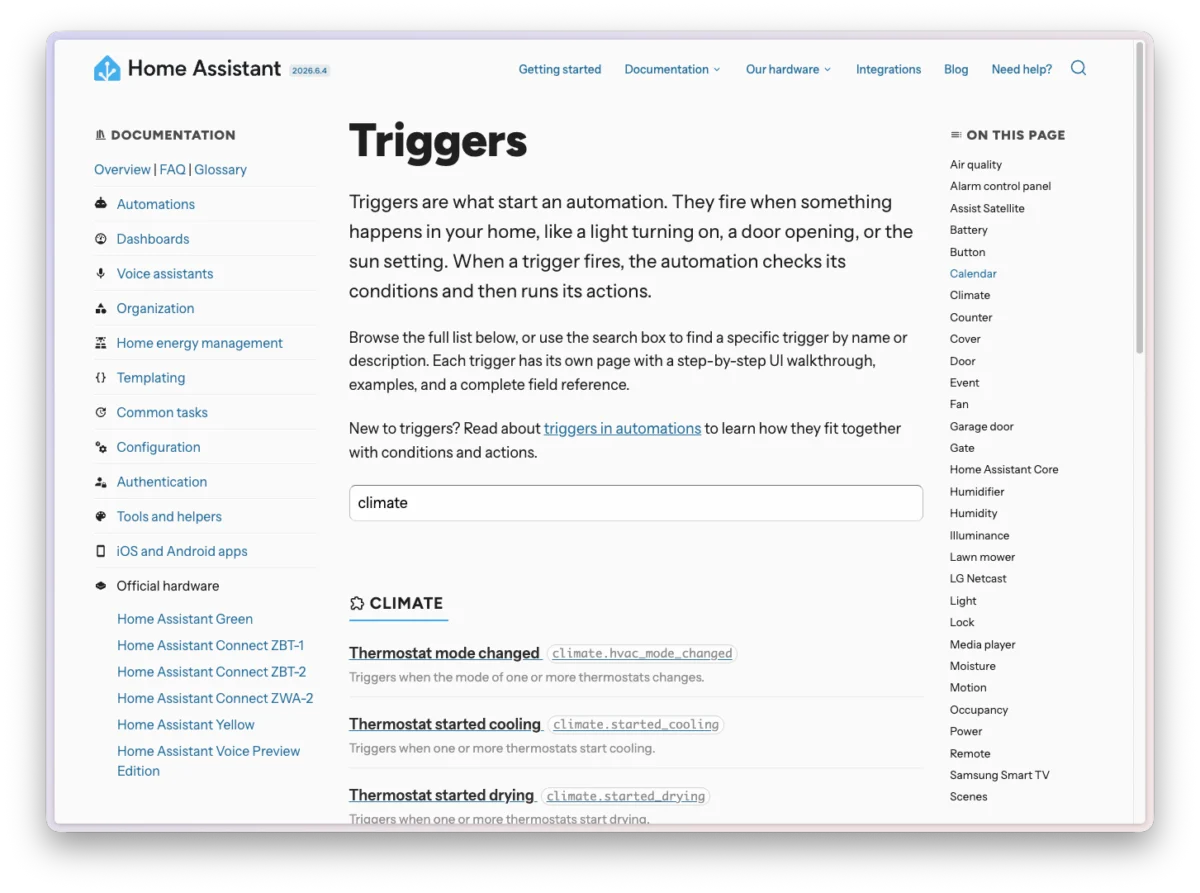
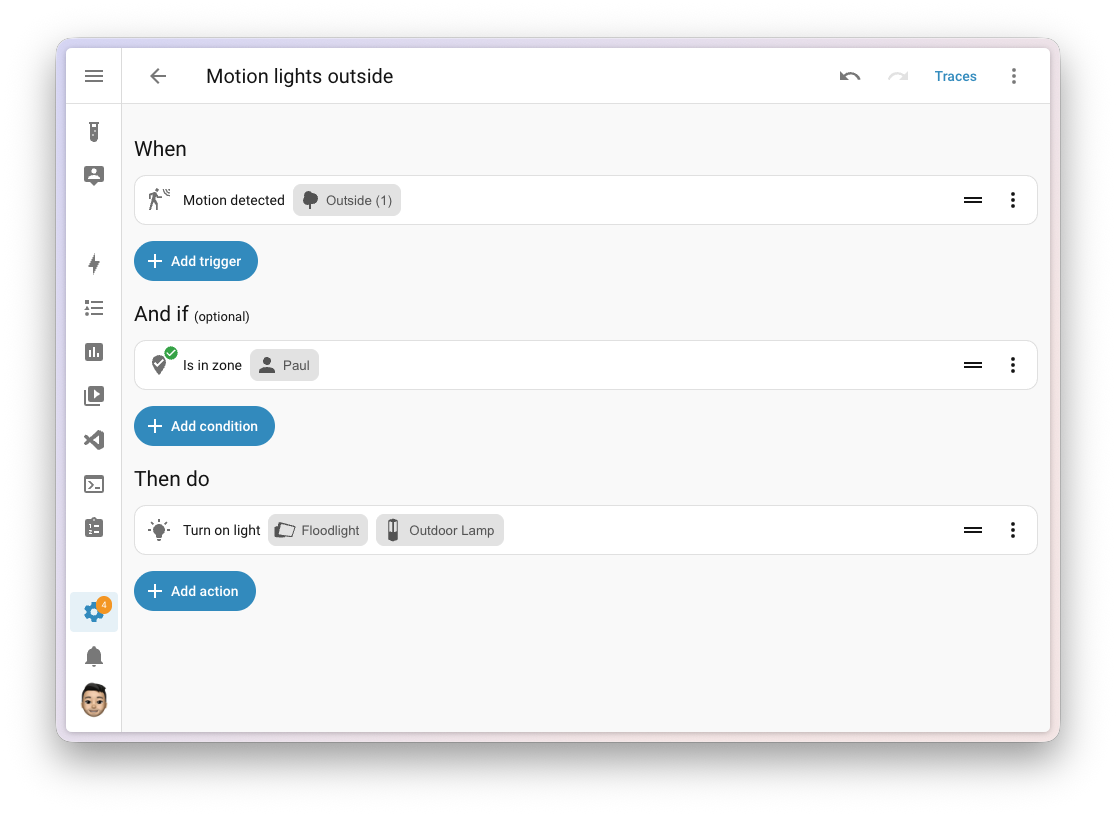
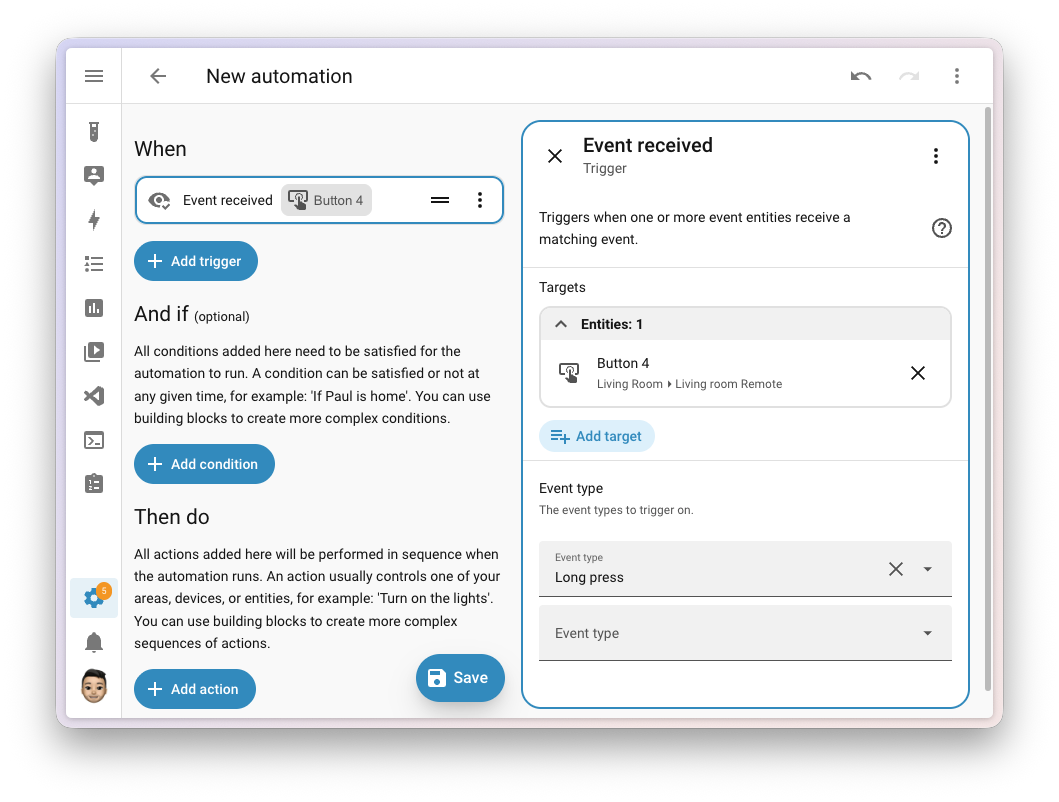
For years, setting up home automations required users to navigate technical software primitives, forcing them to think like the application’s underlying code rather than a human occupant. Users previously had to select specific entities, exact state changes, and evaluate numerical thresholds or system edge cases before executing a simple routine. Home Assistant 2026.7 eliminates this friction by officially graduating purpose-built triggers and conditions from the Labs feature set into the default user experience.
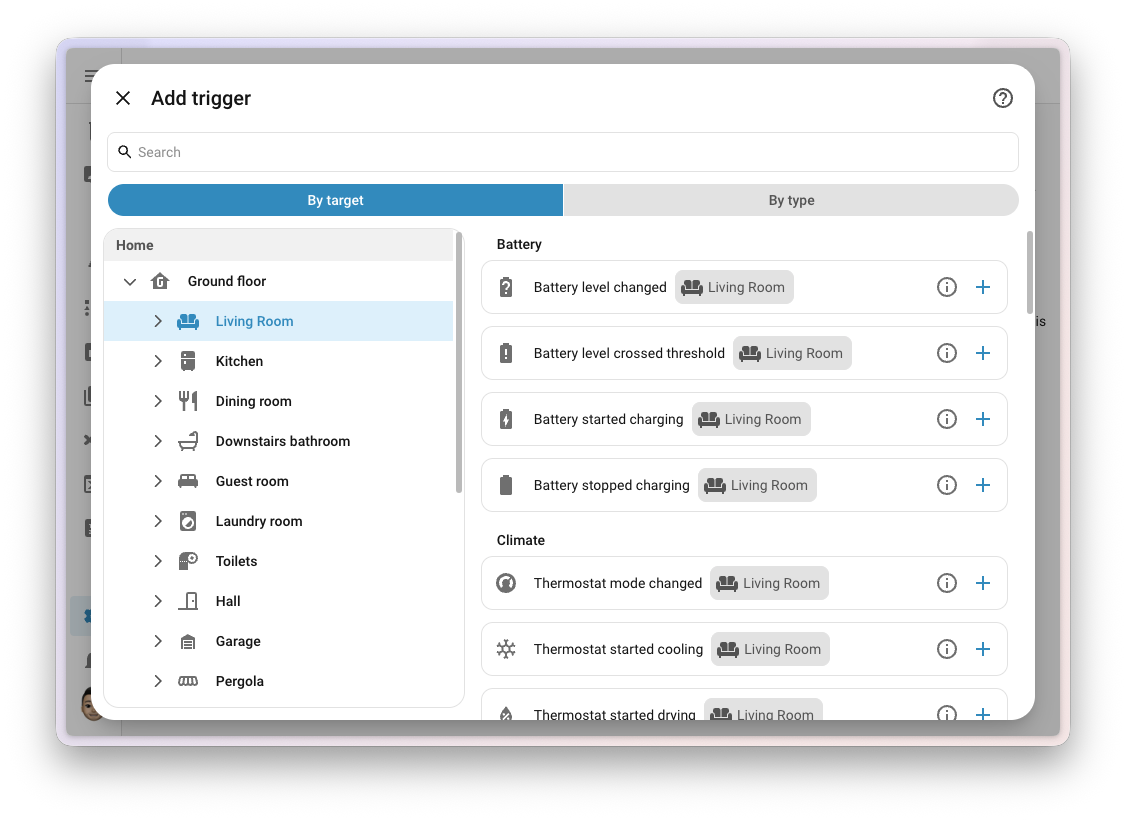
Developed over roughly eight months based on extensive telemetry and user feedback, the new automation engine allows configuration based on intent rather than technical implementation. For example, instead of defining a numeric state trigger tied to a specific temperature sensor entity ID, users can now select an intuitive "Temperature crossed threshold" condition or use area-based targeting. A routine can now be established around abstract concepts like motion in an entire room rather than a singular physical device. This ensures that if a sensor is replaced or additional hardware is added, the automation remains intact without requiring manual updates to brittle entity lists.
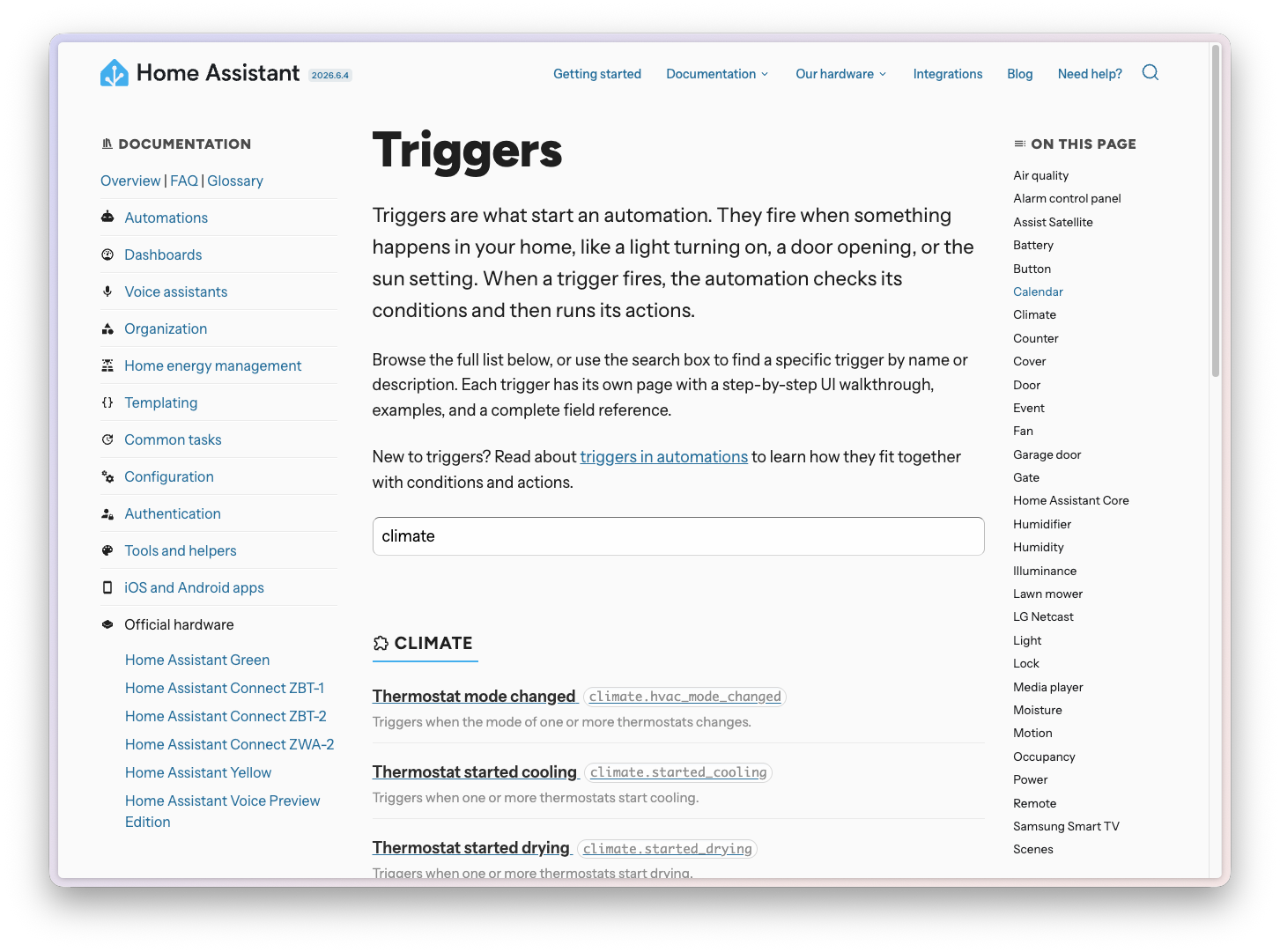
Furthermore, the updated architecture empowers custom and community-developed integrations to teach the automation engine their own specific triggers and conditions. Complex devices like washing machines, heat pumps, and energy monitors can natively expose human-readable triggers—such as "laundry is done" or "electricity price is lowest today"—sparing users from parsing raw sensor attributes and writing complicated template code. To support this paradigm shift, the core team has published exhaustive documentation for every trigger, condition, and action, ensuring both manual UI builders and advanced YAML scripters benefit from improved code readability and standardization.
Redesigning System Transparency: The New Activity Timeline
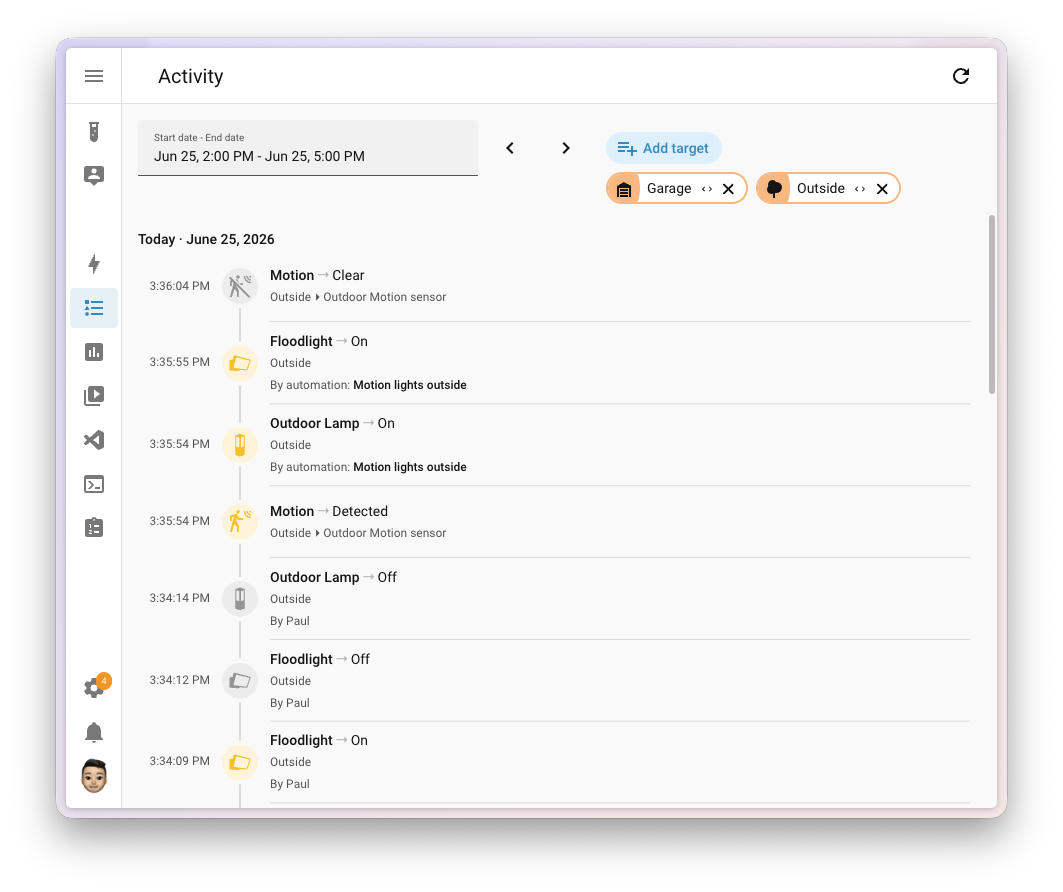
System monitoring and logbook reviews have likewise undergone a sweeping transformation in Home Assistant 2026.7. The legacy logbook feature has been entirely rewritten into a modern, streamlined activity timeline designed to answer system queries at a glance. Previous iterations suffered from information fatigue, presenting a flat list of redundant full sentences for every minor state adjustment.
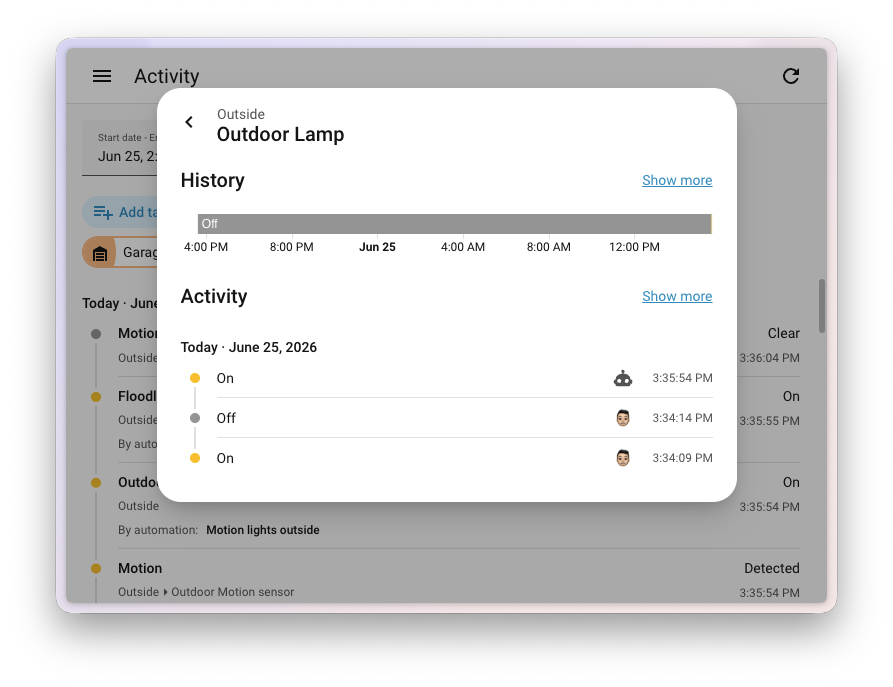
The new timeline employs a vertical rail interface featuring time indicators on the left, color-coded state dots with entity icons, and contextual text readouts. Entries are automatically grouped by chronological day markers such as "Today" and "Yesterday," allowing users to scroll through historical logs as naturally as a modern social media feed. The interface intelligently adapts to its viewing context—stripping away redundant device or area names when viewed directly from an individual entity page while remaining fully consistent across full-screen dashboards and compact mobile views.
Operational Efficiency: Bulk Updates and Expanded Hardware Management
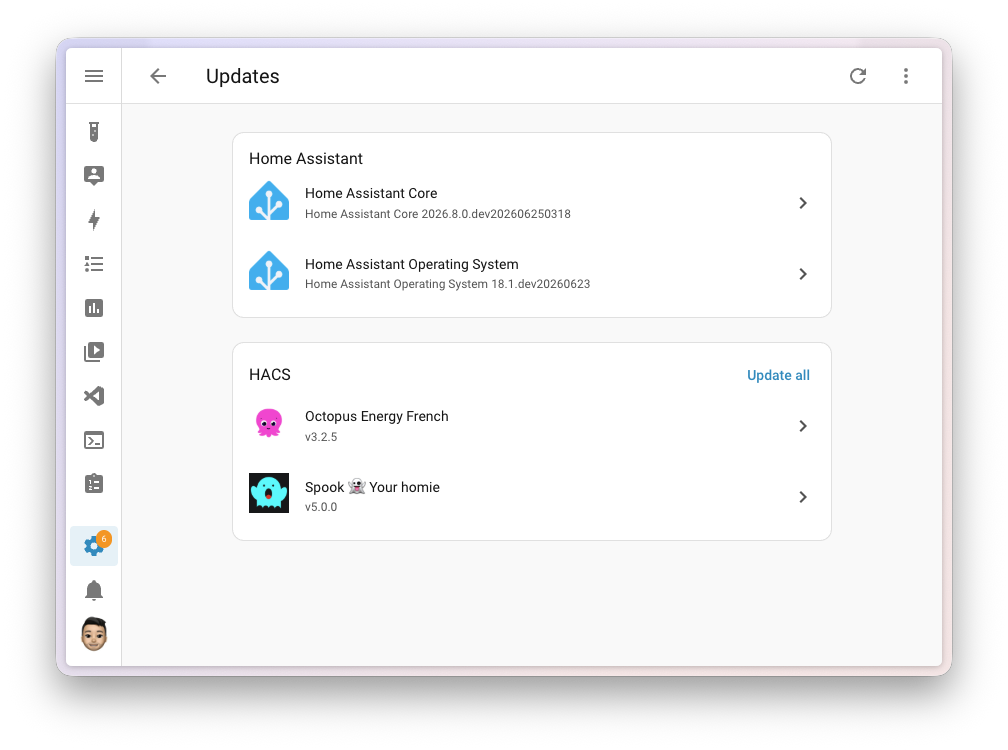
Maintenance overhead has historically been a pain point for dense smart home deployments encompassing dozens of firmware-dependent devices. Home Assistant 2026.7 addresses this by introducing a centralized "Update all" feature. The update management page has been decoupled from traditional linear lists, sorting pending updates into logical card categories covering the core application, companion apps, local integrations, and microcontroller hardware like ESPHome nodes. Users can now execute batch updates across entire device categories with a single command, significantly reducing administrative latency.
Hardware integration breadth also expands significantly in this release. Home Assistant 2026.7 adds native UI support for 10 new community-driven integrations, virtual integration stubs for enhanced findability, and substantial quality-scale enhancements for existing device platforms. Notably, users running the Home Assistant Operating System on a Raspberry Pi—representing approximately one-third of the platform’s total active installations according to public analytics—can now manage device bootloader and EEPROM firmware updates directly from the user interface. This eliminates the legacy requirement of flashing secondary storage media or executing manual command-line scripts, streamlining thermal and NVMe compatibility updates, particularly for Raspberry Pi 5 hardware.
Additionally, the release introduces dedicated navigation panels for infrared (IR) and radio frequency (RF) proxy devices under the system settings menu, alongside a completely revamped, tab-based device management interface for Zigbee installations utilizing ZHA. These panels remain hidden unless relevant hardware is detected, keeping the user interface clean and uncluttered.
Global Outreach and Future Outlook
Beyond software architecture improvements, the broader Home Assistant ecosystem is expanding its physical footprint. The Open Home Foundation has officially confirmed its inaugural exhibition at IFA Berlin, scheduled to run from September 4 to 8, 2026. Leadership and core developers will host a public community meetup on Sunday, September 6, inviting local developers, privacy advocates, and smart home enthusiasts to engage directly with the project creators.
As with any major platform update, Home Assistant 2026.7 includes a limited set of backward-incompatible changes designed to secure long-term platform stability. Notable adjustments involve key renames for the newly standardized purpose-specific triggers, updated location reporting for person entities within home zones, refined zone-counting logic for device trackers, and strict version requirements for ZWE-Wave JS servers. Detailed documentation and repair notifications have been integrated directly into the system to guide users through necessary configuration adjustments.
With its emphasis on natural language automation logic, visual clarity, and reduced administrative friction, Home Assistant 2026.7 reinforces the project’s foundational commitment: delivering enterprise-grade automation power while prioritizing local control, data privacy, and universal accessibility.