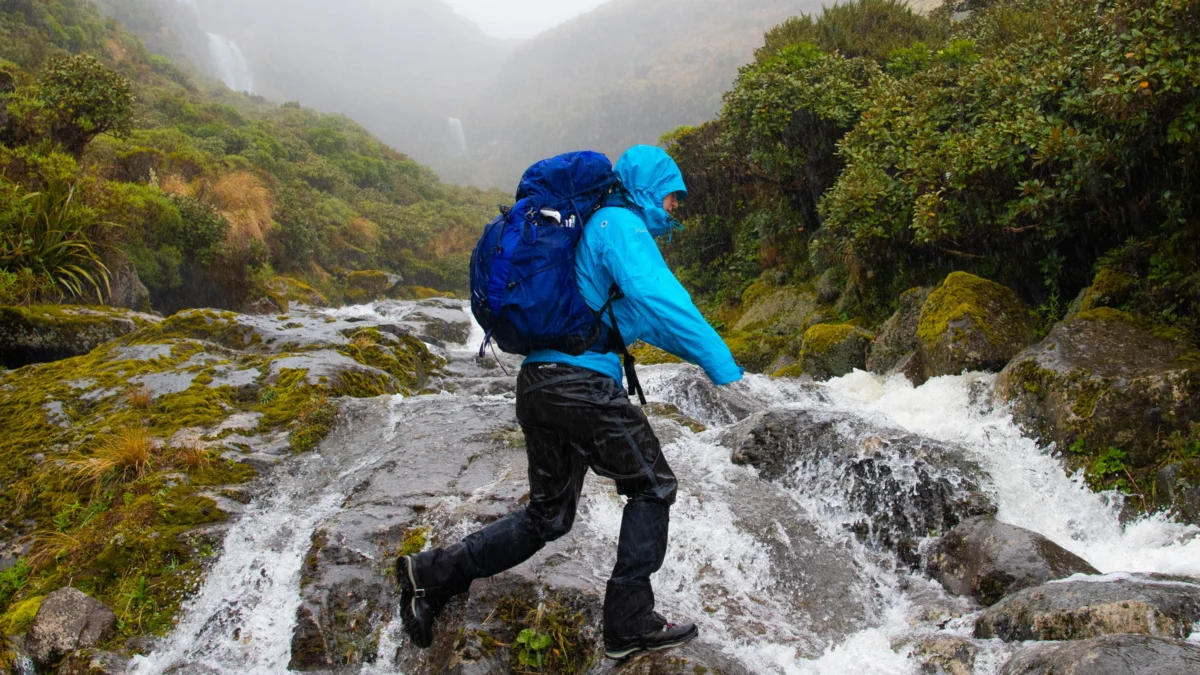
Heading into the backcountry without a reliable waterproof shell is not merely an inconvenience; it poses a genuine, calculated risk to outdoor enthusiasts. In modern survival training and wilderness planning, high-performance rain gear is universally recognized as a core component of the Ten Essentials—the foundational list of gear required to safely navigate emergency situations in the wild. Yet, the current consumer market presents a bewildering array of choices. From gossamer-thin emergency wind-and-rain layers weighing mere ounces to heavy-duty alpine shields designed to withstand punishing multi-day downpours, rain jackets vary drastically in weight, pricing, structural denier, and intended application. Choosing the wrong garment can easily transform an anticipated wilderness excursion into a miserable, hypothermia-adjacent ordeal.
To bring clarity to this crowded marketplace, an extensive testing initiative was launched by gear analysts and field researchers. Spanning rigorous real-world evaluations across diverse climates—from the rainy alpine paths of the Canadian Rockies and the Chugach National Forest in Alaska to the wind-scoured coastlines of Nova Scotia and the rugged mountain trails of New Mexico—testers rigorously examined the leading women’s waterproof shells available today. Furthermore, these field assessments were paired with exhaustive, standardized physical testing conducted inside the Outside Lab at the University of Colorado Denver, measuring exact metrics in hydrostatic head pressure, abrasion resistance, moisture vapor transmission, and air permeability.
Main Facts and Top Category Winners
Following months of combined laboratory profiling and grueling field use under torrential rain, heavy winds, and abrasive bushwhacking, the testing panel identified several standout models across distinct functional categories.
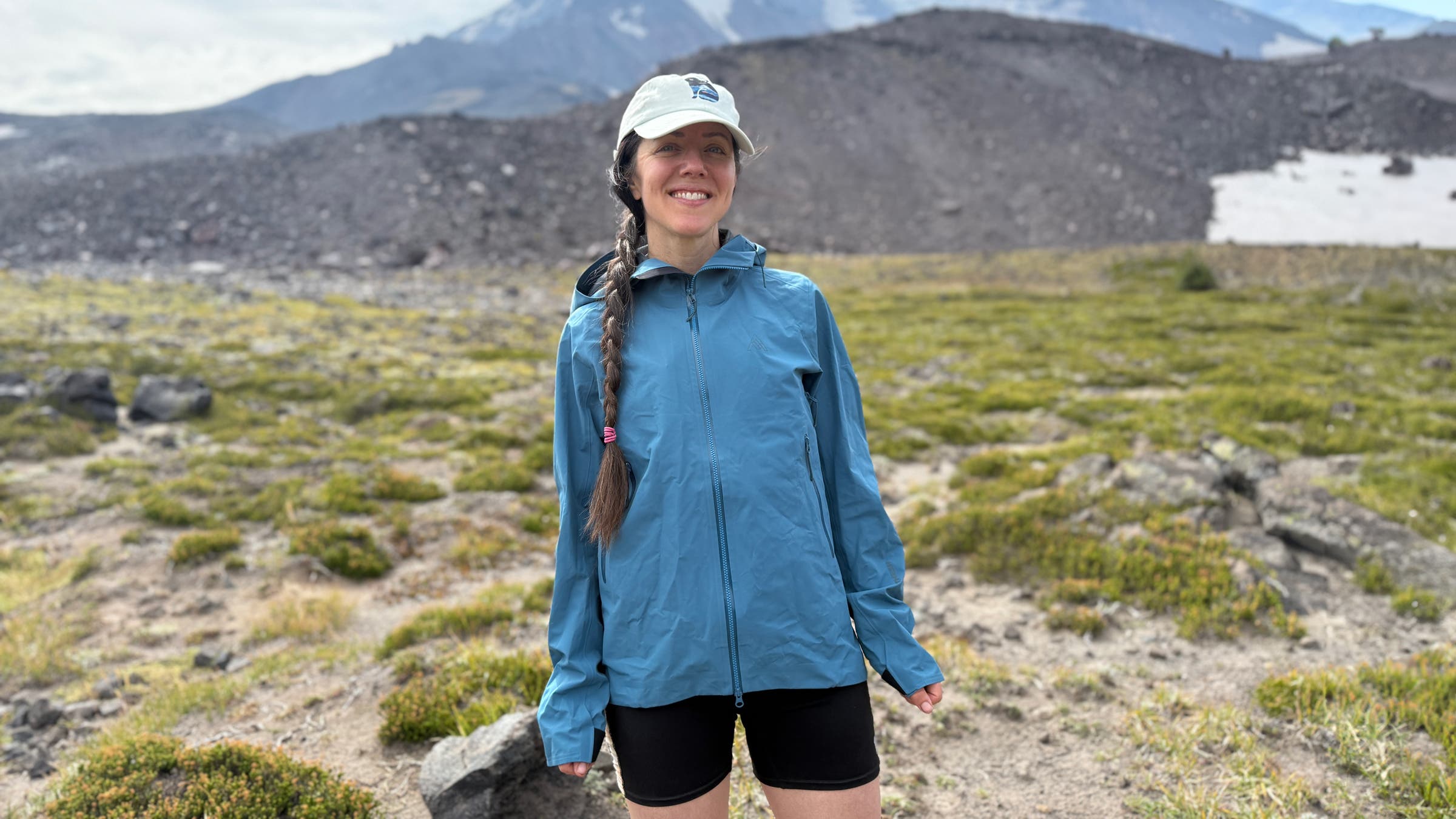
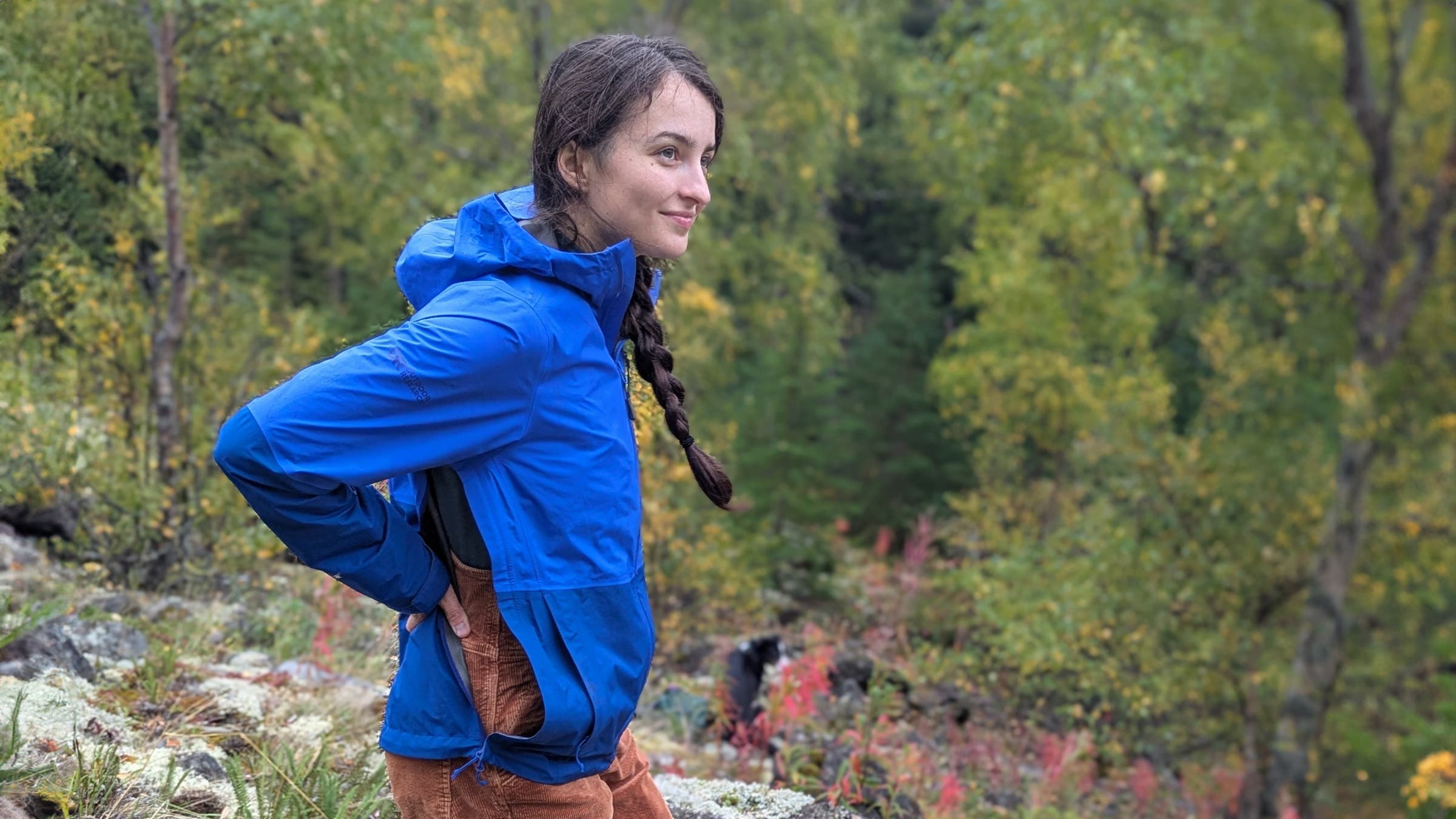
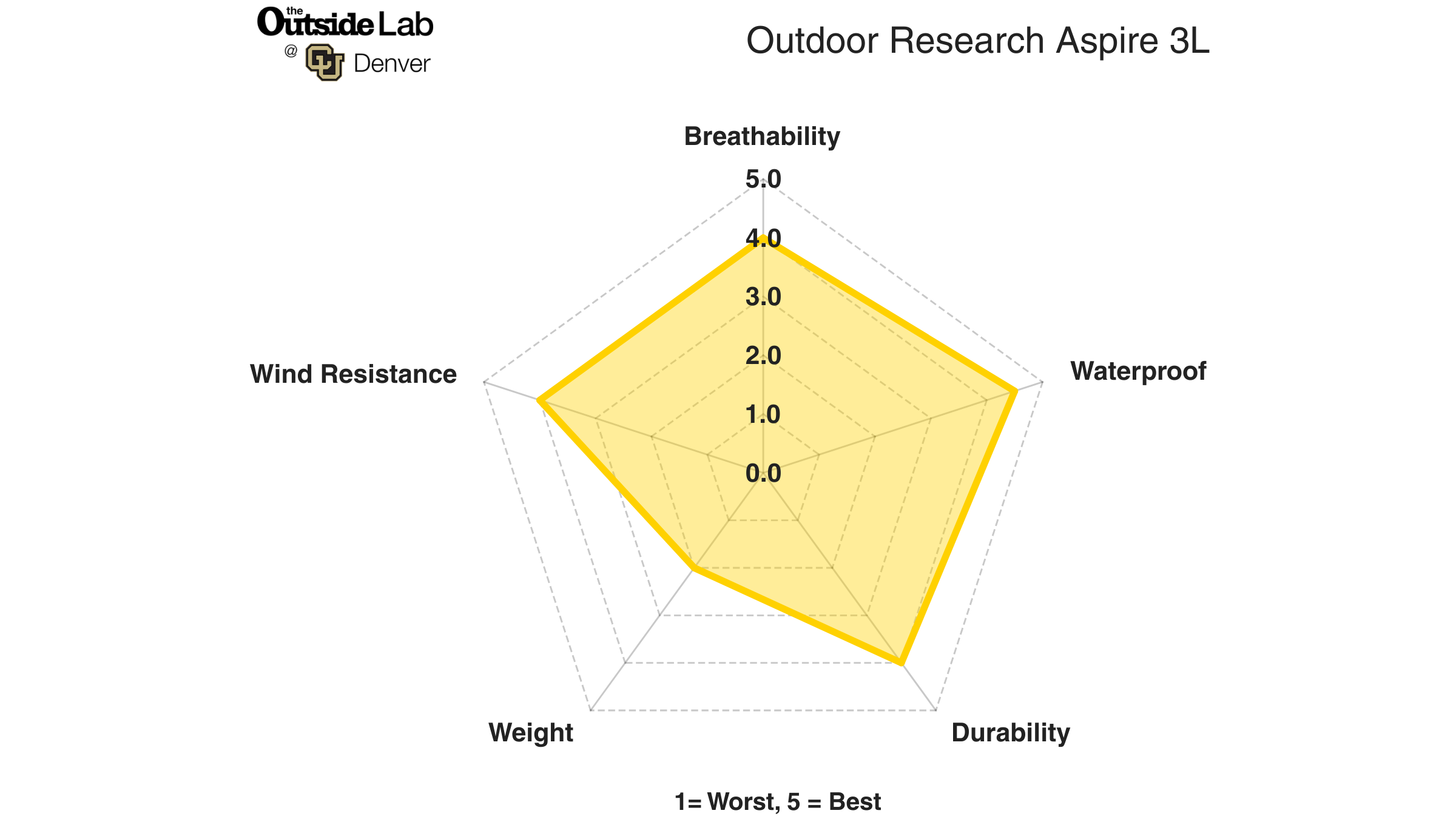
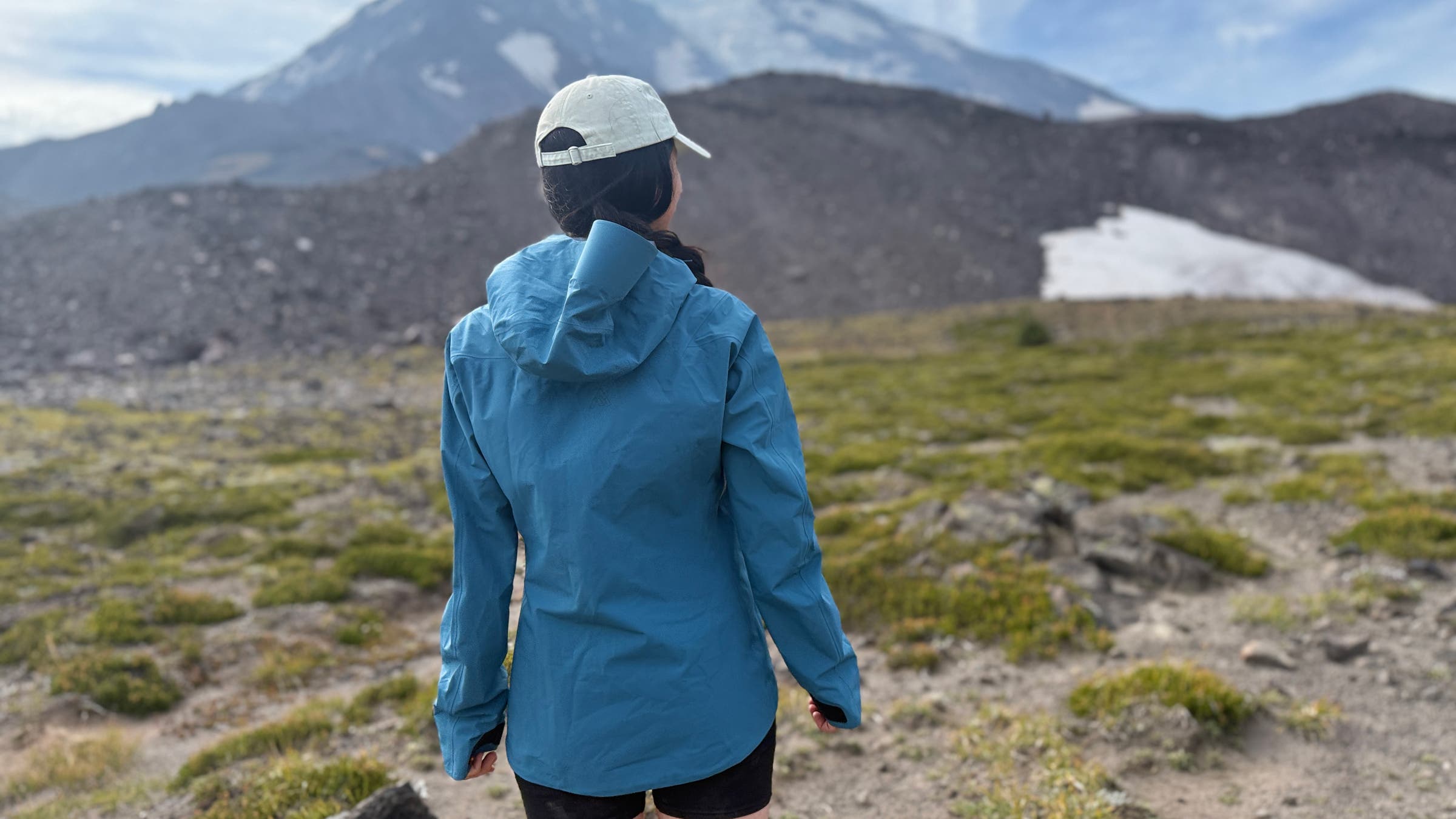
The title of Best Women’s Rain Jacket Overall was awarded to the Outdoor Research Aspire 3L Jacket. Retailing at an accessible price point and featuring a matching set of waterproof rain pants, the Aspire 3L relies on Outdoor Research’s proprietary AscentShell Dry fabric. This three-layer material incorporates a 40-denier, 100-percent recycled nylon face alongside a high-performance durable water repellent (DWR) coating. Weighing 12.4 ounces for a women’s medium, the jacket distinguished itself through exceptional breathability, mild mechanical stretch, and a certified carbon-neutral manufacturing process. Testers noted its efficiency during high-output alpine ascents, while two-way armpit-to-hem zippers allowed for rapid heat dumping.
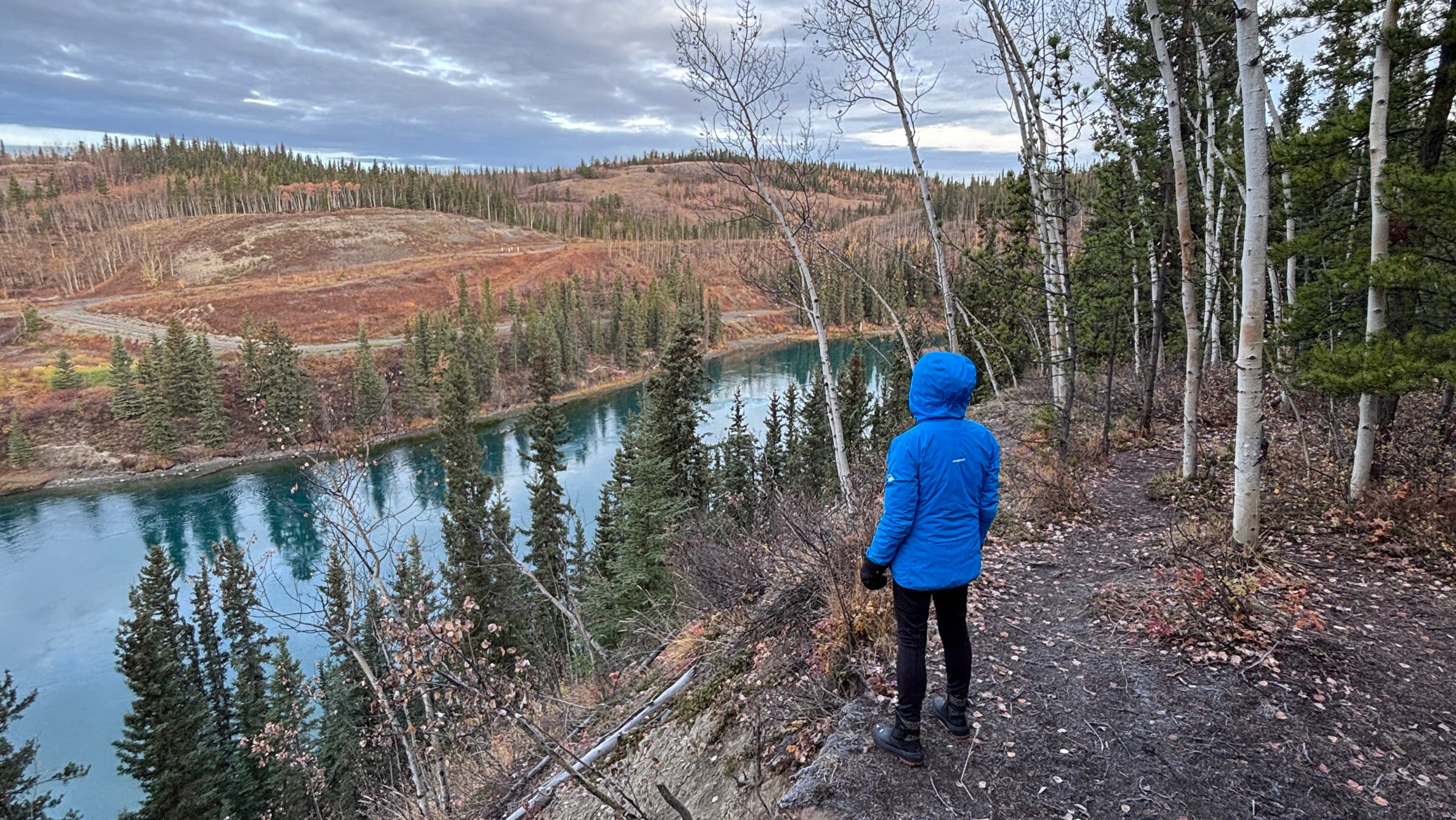
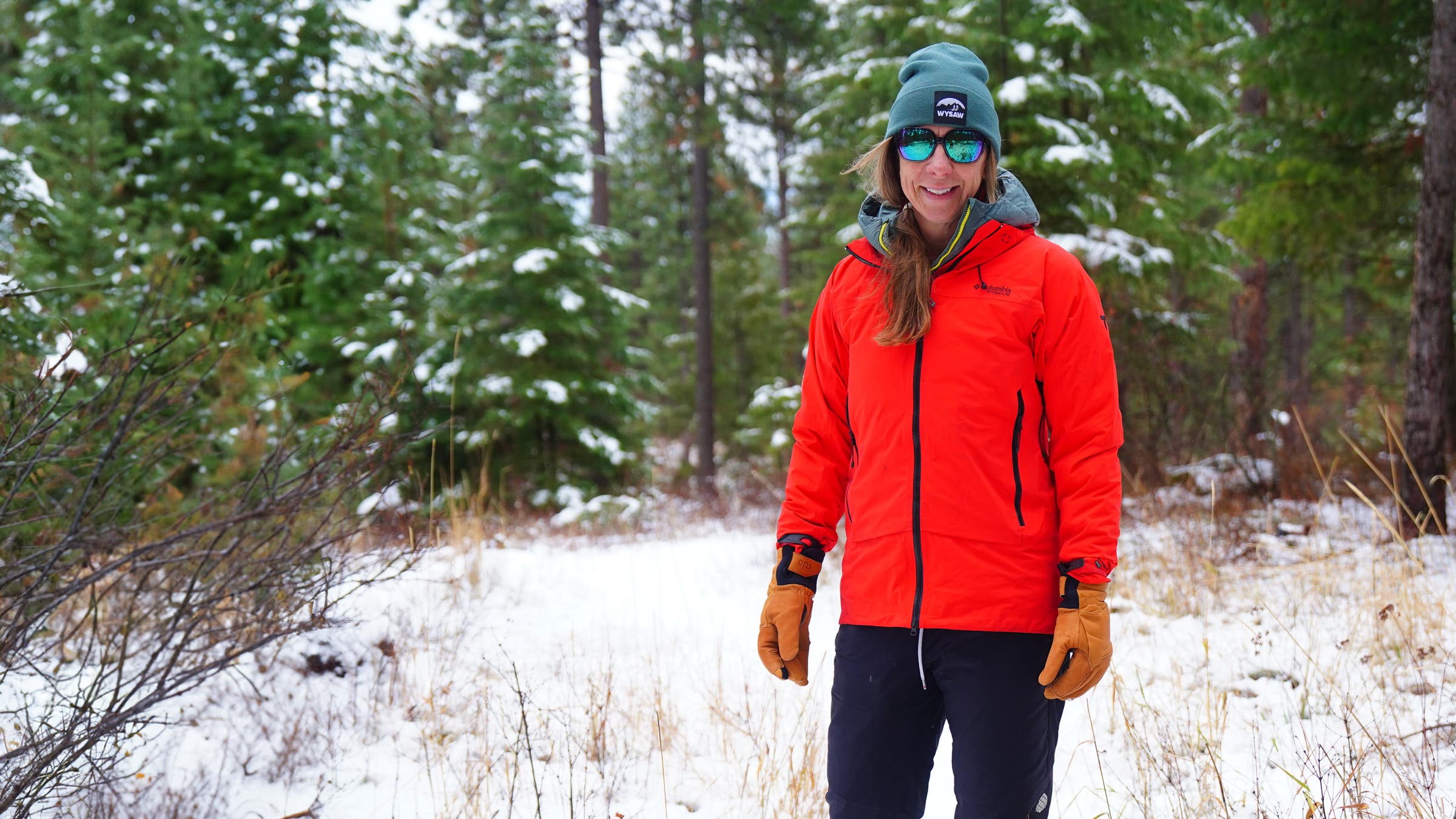
For users seeking all-season, multi-activity versatility without compromise, the 7mesh Guardian Apex emerged as the premier choice. Hailing from British Columbia, this premium shell utilizes a Gore-Tex membrane combined with a C-Knit backer and a sturdy 40-denier nylon face. Designed to seamlessly transition between mountain biking, backcountry skiing, hiking, and winter scrambling, the Guardian Apex features diagonal pit zippers to optimize airflow when arms are positioned at the sides, alongside an expandable helmet-compatible hood and adjustable cuffs designed to fit over thick winter gloves.
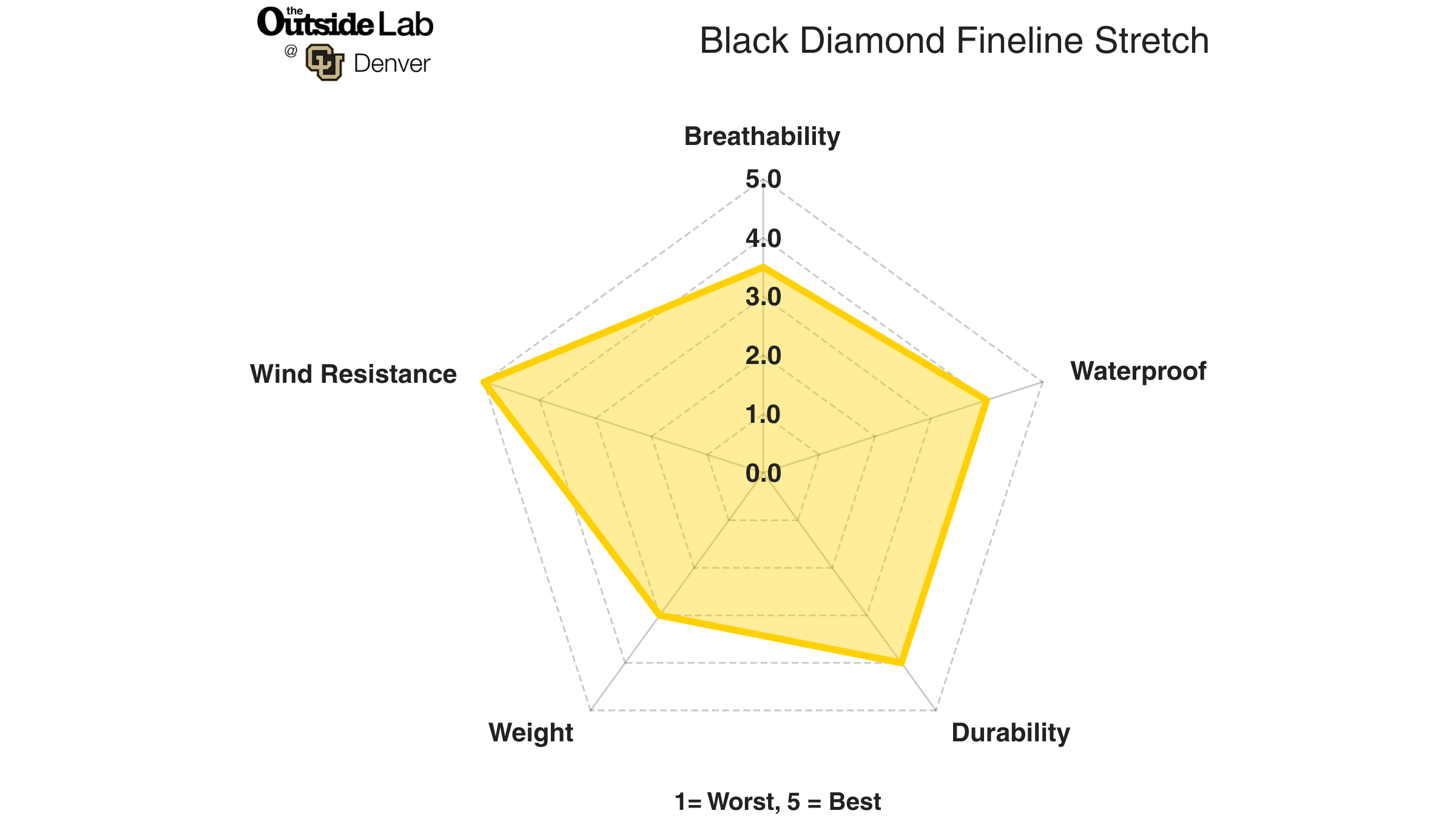
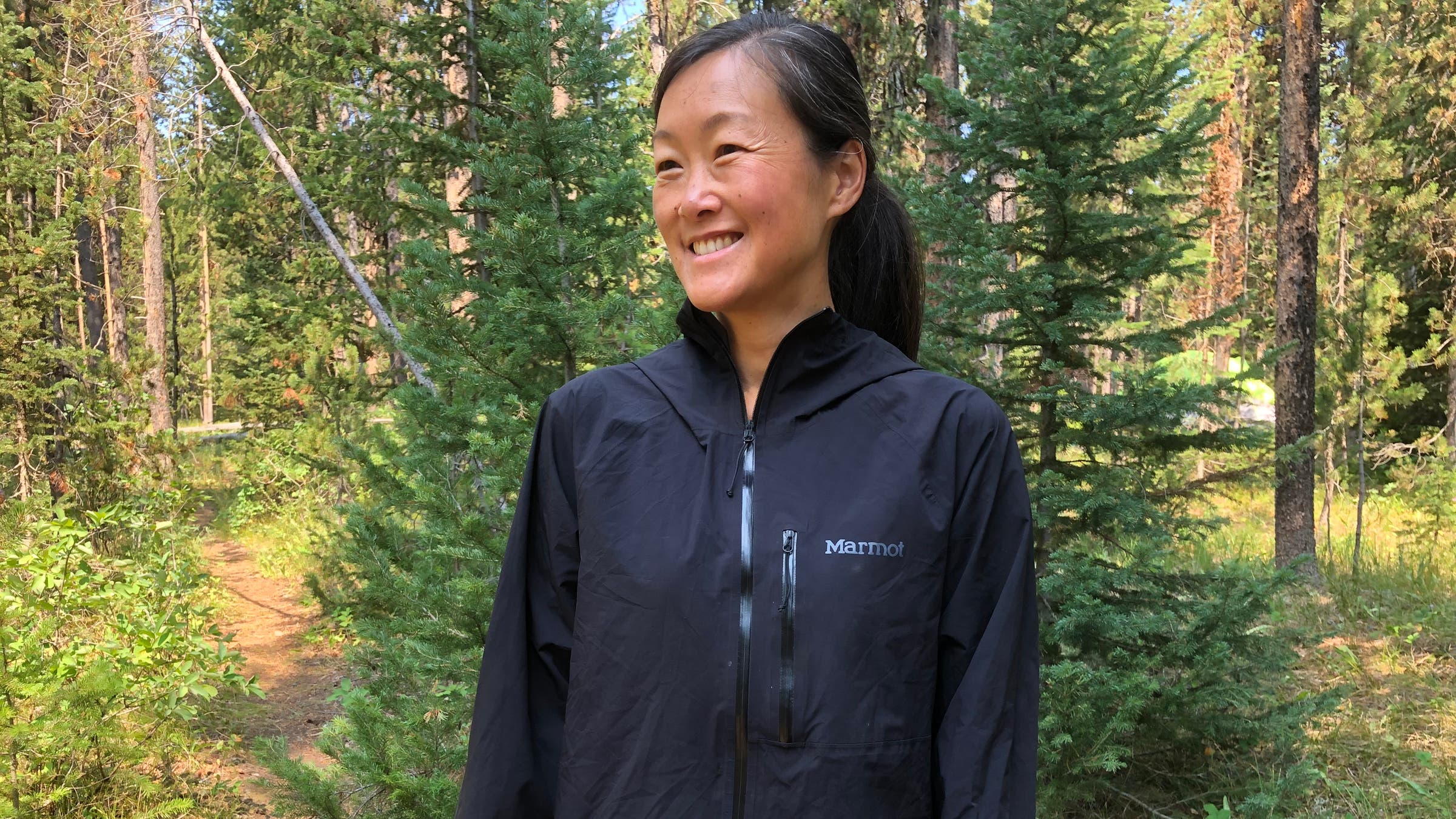
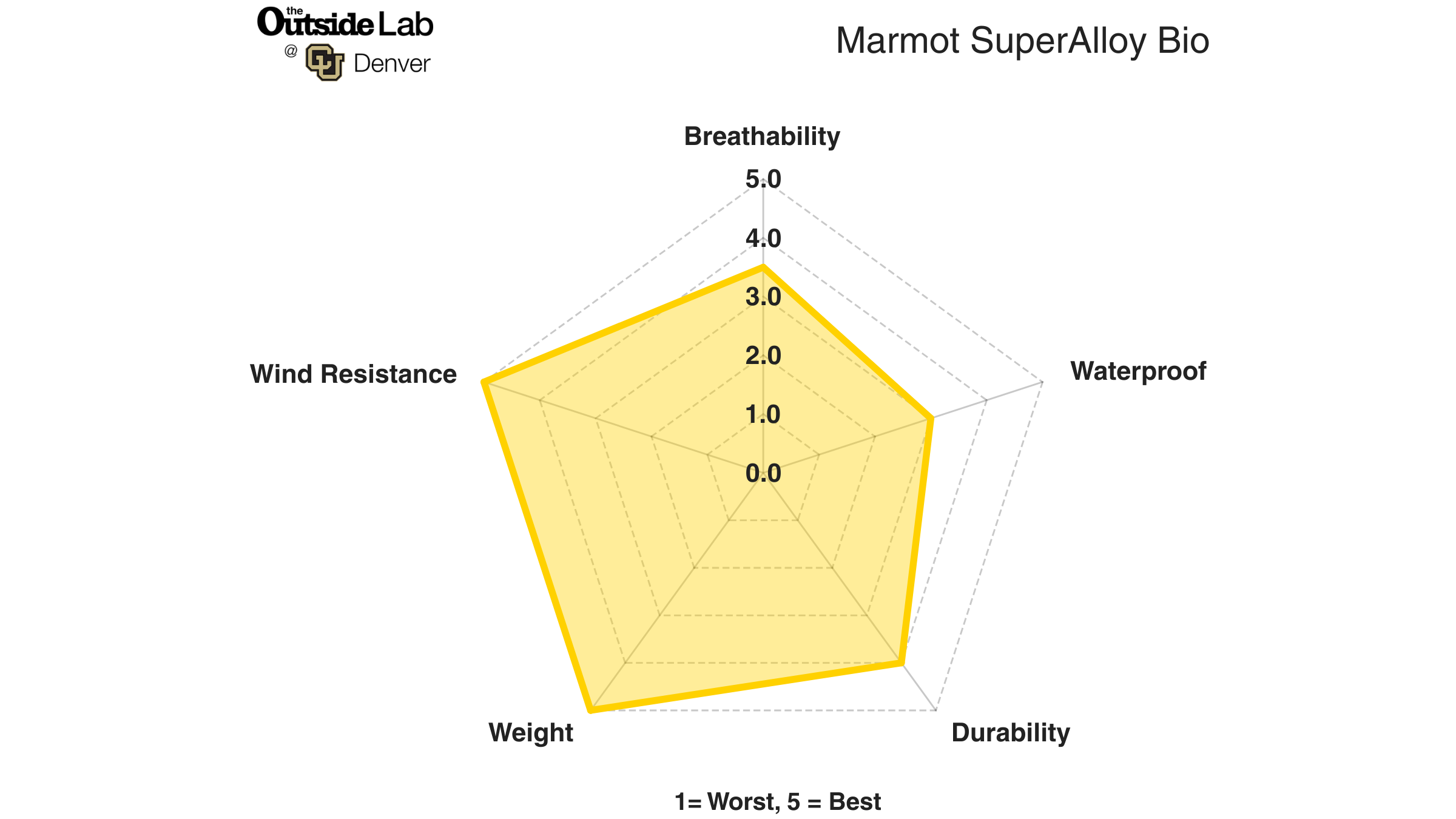
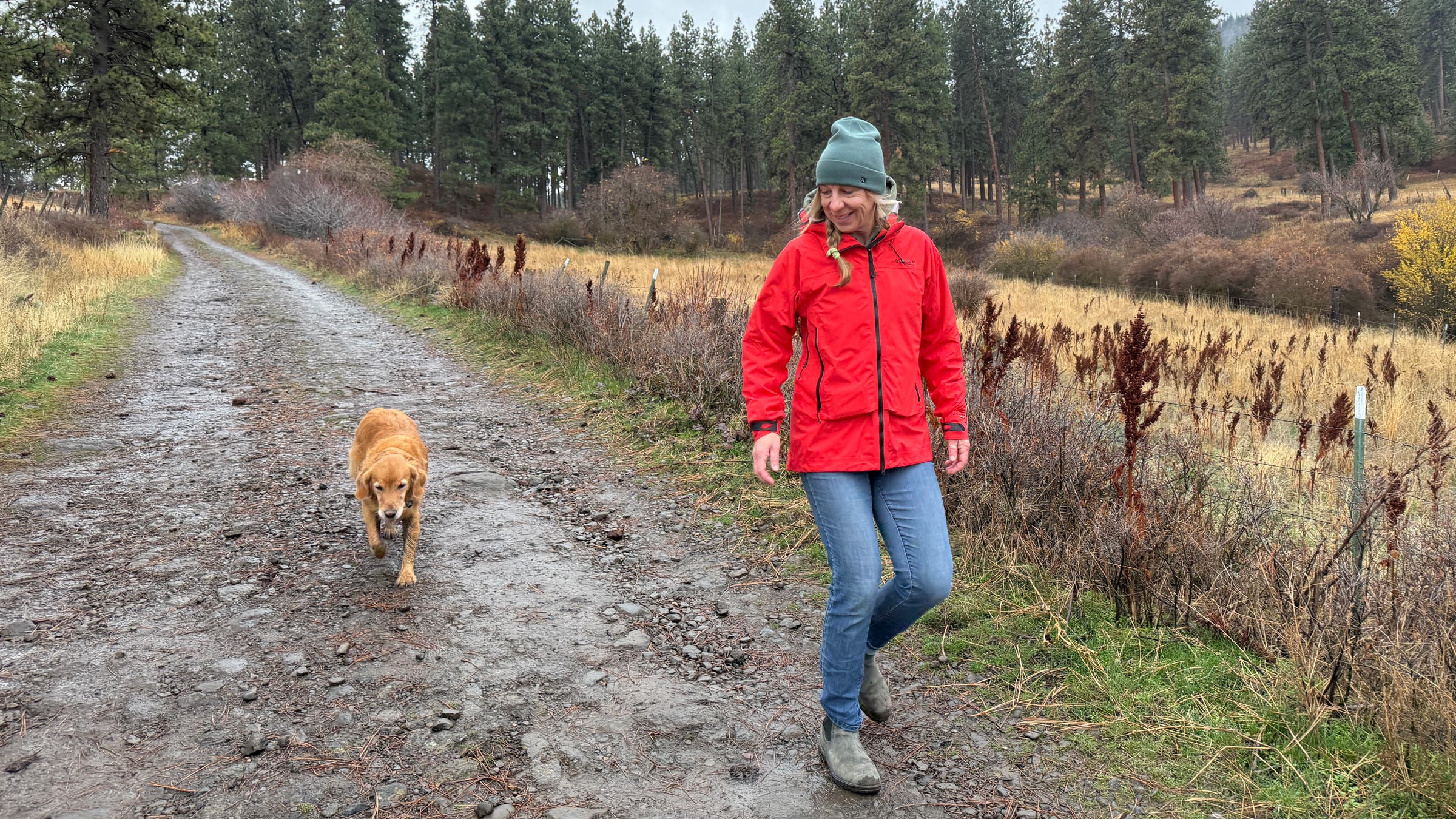
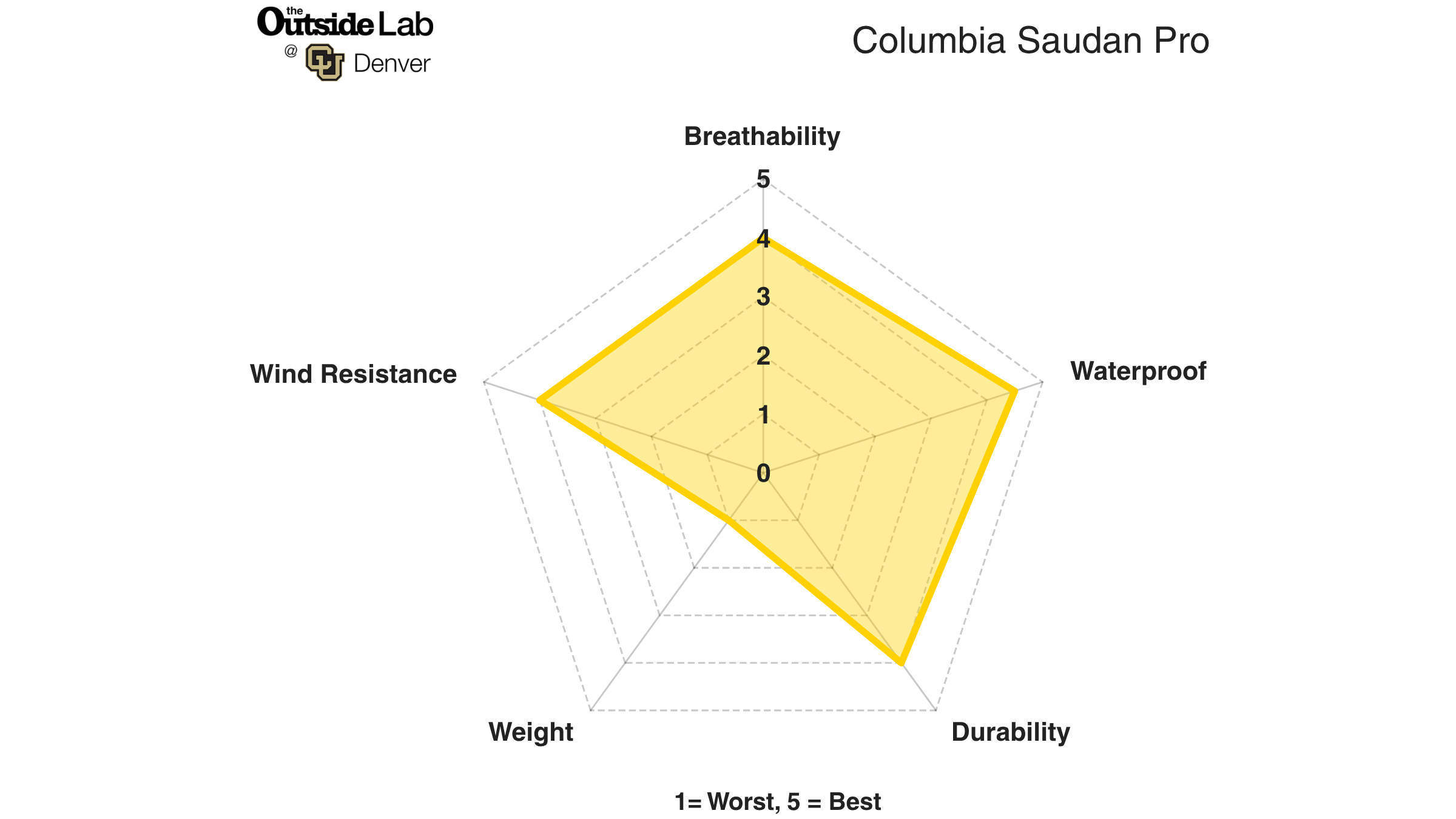
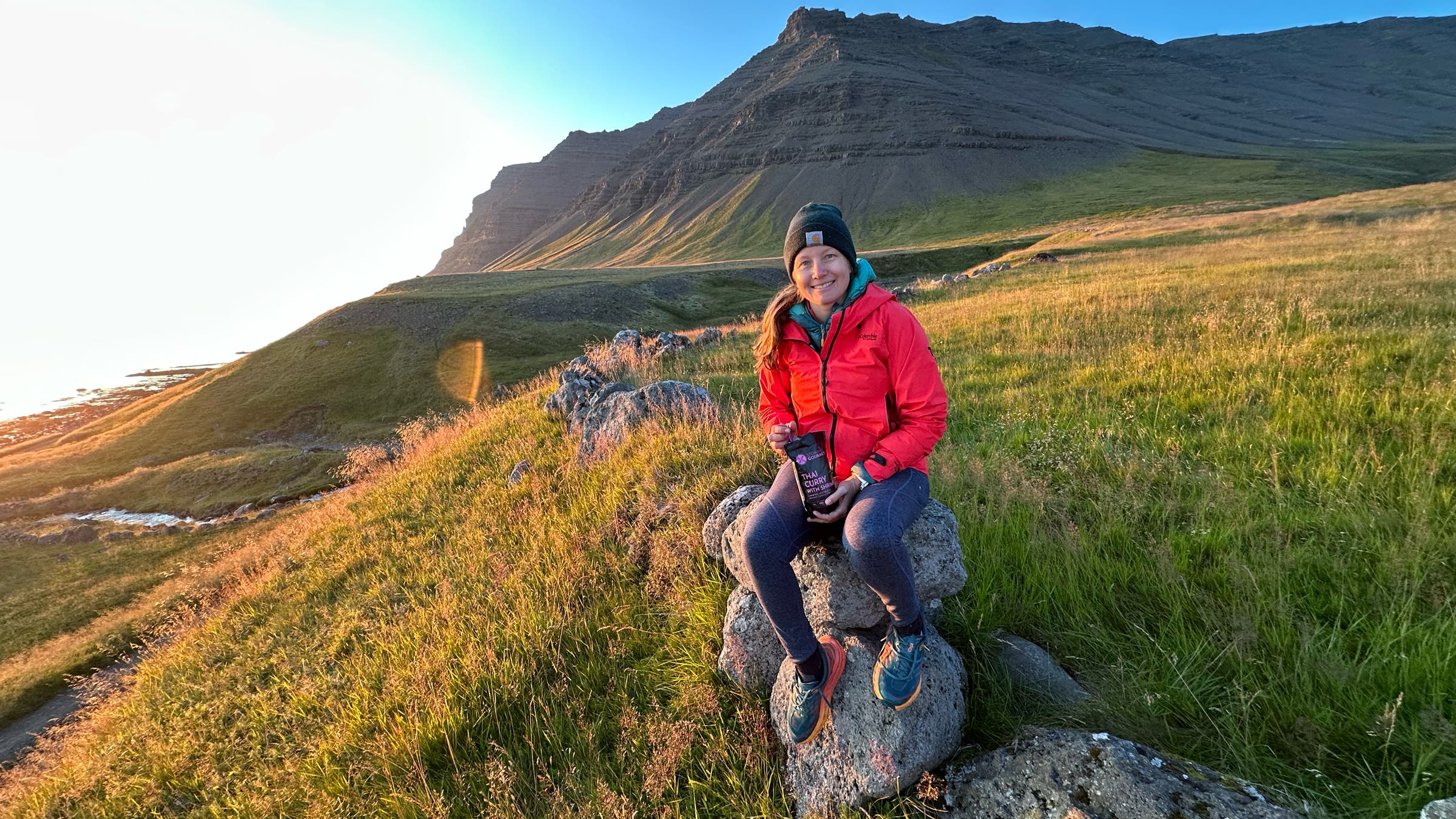
Additional category winners highlight specialized user needs. The Black Diamond Fineline Stretch Shell captured the Best Value designation. Priced significantly lower than its high-end competitors, it offers reliable waterproofing, a sustainable stretch profile, and smooth-running pit zips. Meanwhile, the Marmot Superalloy Bio Jacket secured the Best Ultralight award, weighing a mere 5 ounces and incorporating a 60-percent plant-based nylon face fabric while compressing down to the size of a pickleball. For maximum durability in hostile environments, the Columbia Saudan Pro offered unmatched fortress-like protection during multi-day expeditions in Iceland and New Mexico, utilizing a 20-denier nylon face and Omni-Tech Pro hydrophilic membrane.
Chronology and Testing Methodology
The comprehensive evaluation cycle officially culminated with publication in September 2026, building upon longitudinal gear testing protocols established over preceding years. The testing timeline integrated two distinct phases: rigorous real-world field applications executed by experienced outdoor professionals, followed by precise, empirical data collection inside a controlled laboratory setting.
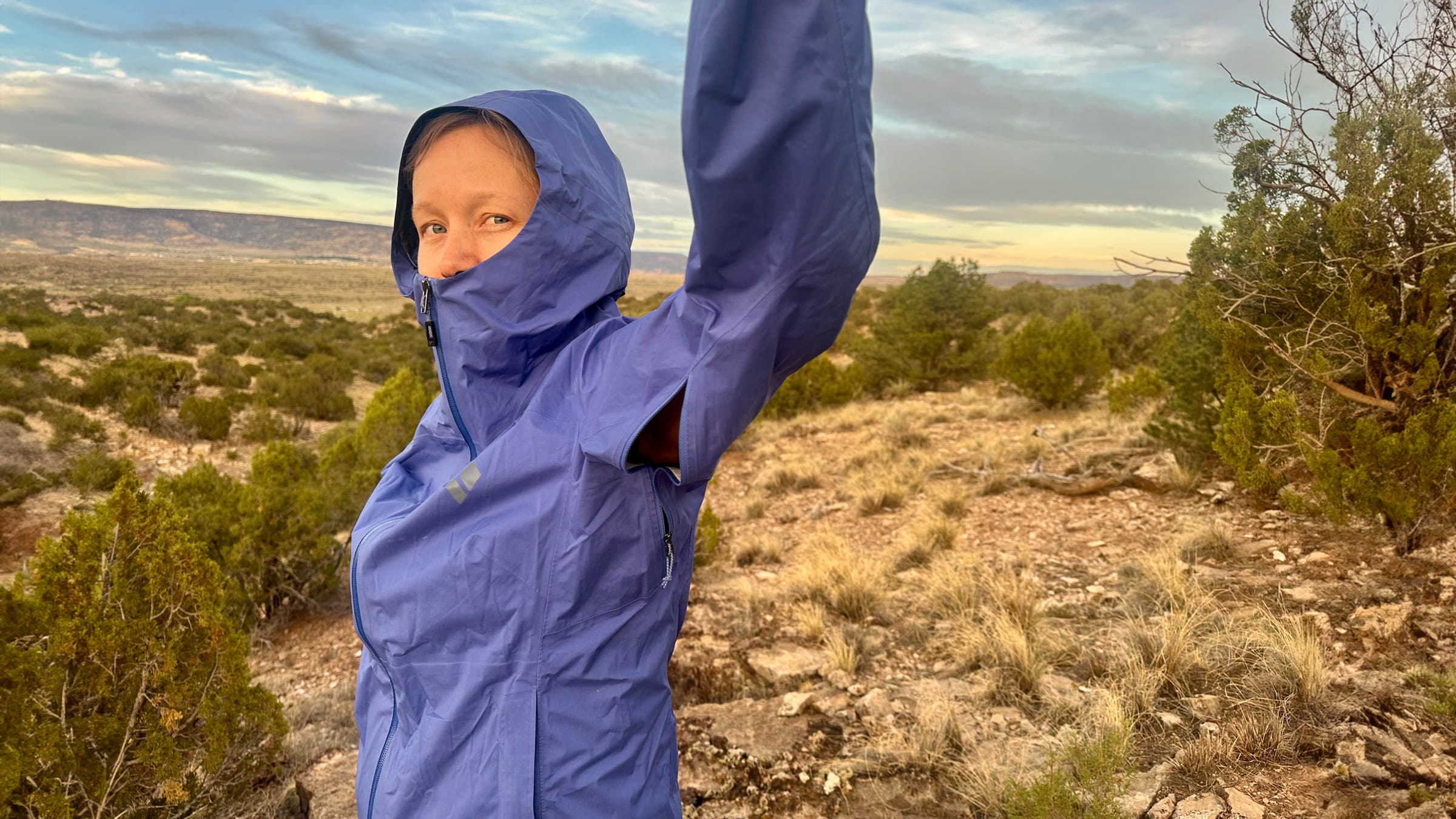
During the field-testing window, a dedicated roster of category managers, field scientists, and long-distance backpackers subjected the shells to severe atmospheric abuse. Testers wore the garments while logging cumulative miles of hiking, trail running, bike-packing, and mountaineering. They purposely exposed the jackets to abrasive elements, including sharp granite boulders, dense thornbushes, and heavy friction from loaded backpack hip-belts.
Simultaneously, the physical swatches and full garments underwent standardized trials at the Outside Lab at CU Denver, led by Lab Test Editor Adam Trenkamp and women’s shell category manager Elisabeth Kwak-Hefferan. The laboratory protocols evaluated four distinct physical pillars:
- Waterproofness (Hydrostatic Head Pressure): Tested using specialized machinery that applies progressive air pressure to push water through fabric swatches, yielding a millimeter rating (e.g., 15K). Swatches were tested in both "New" and "Washed" conditions—following manufacturer care instructions—to determine if cleaning degraded performance.
- Durability (Abrasion-Resistance): Utilizing a Martindale abrasion machine, materials underwent six distinct wet and dry rubbing environments. This simulated worst-case friction scenarios, such as squeezing through narrow slot canyons or continuous rubbing against backpack chest mesh.
- Breathability: Measured via a modified ASTM "Cup Method." Fabric samples were sealed over 100-degree Fahrenheit water bowls to simulate human body temperature within a low-humidity chamber, tracking moisture vapor loss over time through both upright and inverted cup configurations.
- Air Permeability (Wind Resistance): Measured using a James Heal AirPro machine to assess the volume of air passing through clamped fabrics under controlled pressure, quantifying inherent wind-blocking capabilities.
Supporting Data and Lab Analysis
The empirical data gathered in the CU Denver lab revealed stark performance differences among the top-tier shells, validating the subjective experiences reported by field testers.
In hydrostatic head pressure assessments, heavy-duty contenders like the Columbia Saudan Pro and the Outdoor Research Aspire 3L scored exceptionally high, demonstrating minimal degradation even after simulated wash cycles. These scores correlated directly with field reports of dry comfort during extended 72-hour deluges in Iceland and the Chugach National Forest. Conversely, ultralight options, such as the Rab Phantom Hoody—which weighs an astonishing 3.7 ounces and utilizes a 7-denier Pertex Shield fabric—sacrificed absolute waterproof threshold for extreme weight savings, experiencing minor moisture penetration during continuous downpours exceeding 90 minutes.
Abrasion testing on the Martindale machine provided clear insights into fabric longevity. Shells utilizing higher-denier face fabrics, such as the 50-denier nylon on the Black Diamond Fineline Stretch and the robust construction of the Fjällräven Vardag Rain Parka, retained their structural integrity and visual appearance after aggressive friction cycles. Meanwhile, featherweight models demanded careful handling to prevent snagging during technical alpine traverses.
Breathability metrics highlighted the distinct engineering philosophies governing modern rain gear. While traditional hardshell membranes rely heavily on moisture vapor transmission rates measured by the cup method, alternative designs demonstrated unique capabilities. Notably, the Páramo Velez Adventure Smock—a UK-imported garment utilizing a distinct Nikwax Directional Textiles system—eschews a standard waterproof membrane entirely. Instead, it pairs a DWR-treated outer face with a fast-wicking internal layer that physically pushes liquid water outward through microscopic hydrophobic fibers. While this approach adds bulk and weight, lab and field data confirmed exceptional comfort in cold, damp shoulder-season conditions, proving that moisture management extends beyond simple vapor diffusion.
Broader Impact and Industry Implications
The 2026 rain jacket market landscape reflects broader macroeconomic and environmental shifts within the outdoor apparel industry. Manufacturers are under mounting pressure from consumers and regulatory bodies to eliminate persistent per- and polyfluoroalkyl substances (PFAS) traditionally used in high-performance DWR treatments. Consequently, brands are heavily investing in sustainable alternatives, plant-based nylon alternatives (such as those featured in the Marmot Superalloy Bio), and certified carbon-neutral supply chains without sacrificing technical weather protection.
Furthermore, the integration of rigorous university-level lab testing into consumer gear journalism represents a maturing industry standard. By combining qualitative field journals—written by testers navigating genuine hypothermic environments—with quantitative metrics from hydrostatic and abrasion machines, outdoor consumers receive a holistic assessment of product reliability.
Ultimately, the data underscores a fundamental truth for outdoor adventurers: no single rain jacket serves as a universal panacea. Selecting the ideal waterproof shell remains an exercise in personal compromise. Weight-conscious thru-hikers and trail runners must weigh the vulnerability of ultralight emergency shells against their featherlight packability, while mountaineers and backcountry laborers must accept the thermal and weight penalties of bombproof three-layer hardshells. Armed with comprehensive field observations and empirical lab data, consumers can now navigate these compromises with precision, ensuring safety and comfort in the world’s most demanding environments.