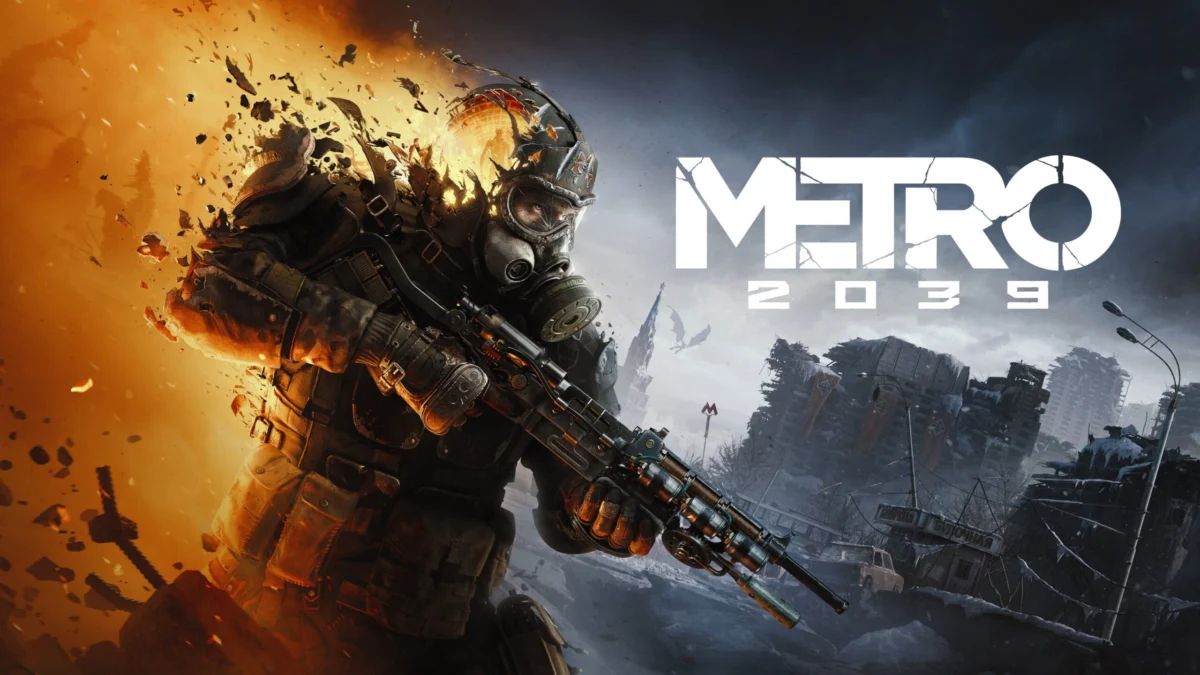
4A Games has officially announced Metro 2039, the highly anticipated new installment in the critically acclaimed post-apocalyptic shooter series. Set to release this winter on PC, Xbox Series X/S, and PlayStation 5, the game marks a significant shift in scope from its predecessor, Metro Exodus, by returning to the claustrophobic, subterranean environments of the Moscow Metro, the very setting where the franchise first established its unique brand of survival horror. This latest entry, unveiled after a five-year hiatus since Metro Exodus in 2019, promises a story-driven, single-player experience steeped in psychological horror, deeply influenced by the real-world events that have profoundly impacted its Ukrainian development team.
The Legacy of the Metro Series: From Novels to Gaming Icon
The Metro franchise originated from the acclaimed novels of Russian author Dmitry Glukhovsky, beginning with Metro 2033. Glukhovsky’s bleak vision of a post-nuclear apocalypse Moscow, where the last remnants of humanity cling to survival within the sprawling Metro system, captivated readers worldwide. The subterranean tunnels became a crucible for humanity’s darkest impulses and enduring hope, a setting ripe for both existential dread and thrilling action.
4A Games, a studio with deep roots in Ukraine, brought this vision to life in 2010 with Metro 2033. The game was lauded for its oppressive atmosphere, scarce resources, and innovative blend of first-person shooting with survival horror elements. It quickly garnered a dedicated fanbase, drawn to its immersive world, moral choices, and the palpable tension of navigating mutated creatures and hostile human factions. The success continued with Metro: Last Light in 2013, which refined the gameplay mechanics and expanded the narrative, further solidifying the series’ reputation for rich storytelling and technical prowess.
Metro Exodus, released in 2019, represented a bold evolution for the series. Departing from the confines of the Metro, protagonist Artyom and his Spartan Rangers ventured across post-apocalyptic Russia in a locomotive called the Aurora. This installment introduced semi-open world levels, offering players more freedom to explore vast, irradiated landscapes while retaining the core narrative focus and survival mechanics. Exodus was met with widespread critical acclaim, praised for its stunning visuals, engaging story, and ambitious scope, and it sold over 10 million copies worldwide by 2023, cementing the series’ commercial success. Its narrative, which saw Artyom search for a new home for humanity, seemed to conclude his journey, leading many to speculate about the future direction of the franchise.
A Return to the Depths: Gameplay and Narrative Reimagined
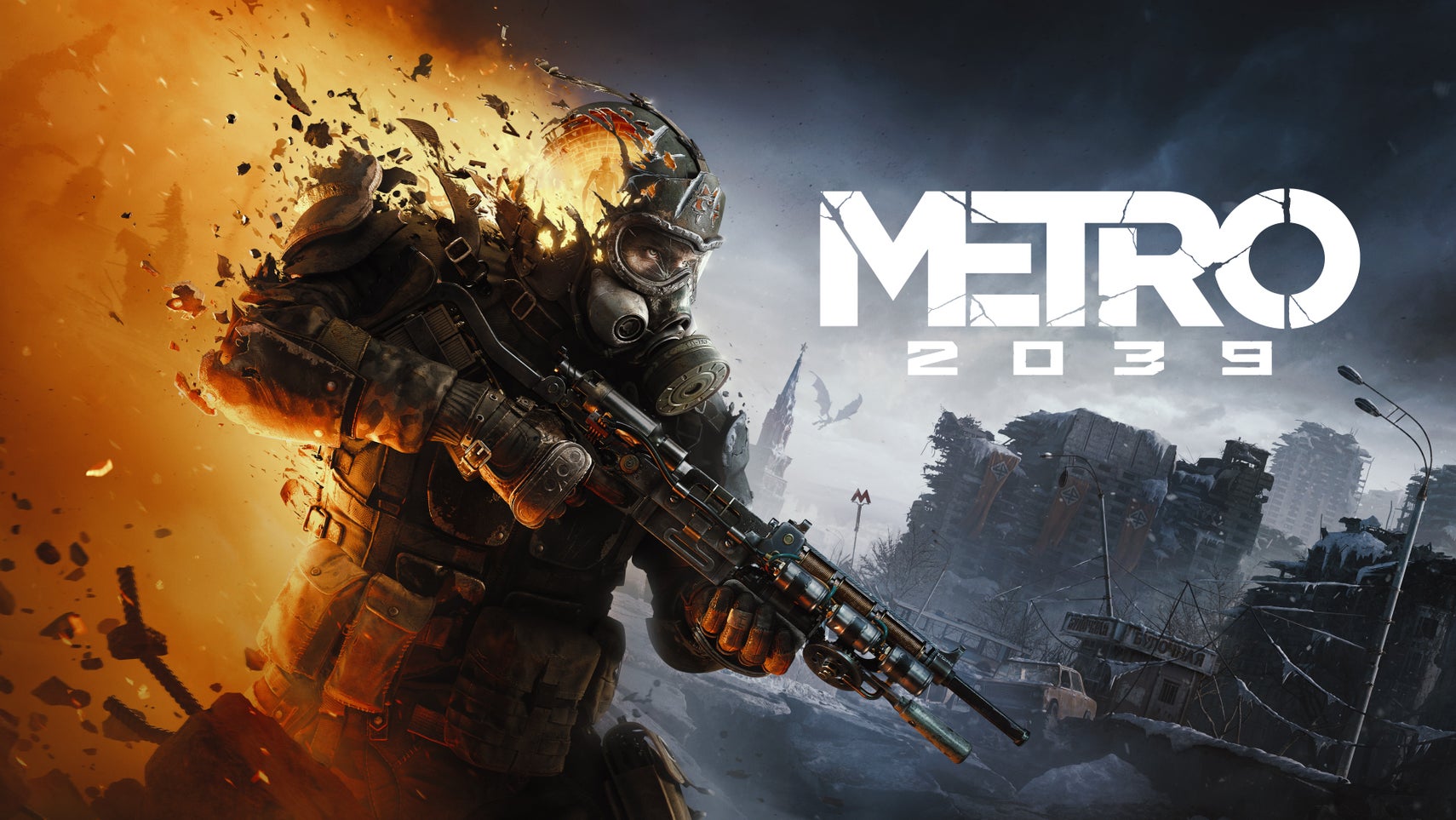
Metro 2039 signals a deliberate return to the series’ roots, moving away from the expansive landscapes of Exodus and back into the dark, labyrinthine tunnels of the Moscow Metro. This strategic pivot is intended to re-emphasize the claustrophobic tension and uneasy atmosphere that defined the original games. While Exodus offered moments of breathtaking scenery and open-ended exploration, 2039 aims to intensify the psychological horror by trapping players in the confined, dimly lit corridors where danger lurks around every corner. This design choice aligns with the core identity of the Metro universe, where the lack of light and space inherently creates a sense of vulnerability and dread.
The game maintains the franchise’s commitment to a story-driven, single-player experience, a deliberate choice in an industry increasingly leaning towards live-service and multiplayer titles. This focus allows 4A Games to craft a deep, impactful narrative without the compromises often associated with broader multiplayer appeal. For the first time in the series, the protagonist will be fully voiced, a significant departure from Artyom’s silent role. This decision is expected to enhance player immersion and allow for a more nuanced exploration of the character’s internal struggles and reactions to the horrific realities of their world. The psychological horror in 2039 is promised to be driven not just by mutated creatures, but by the very real, enduring effects of the apocalypse on the human psyche, exploring themes of desperation, moral compromise, and the fragile line between humanity and savagery.
Dmitry Glukhovsky’s return as co-writer is a pivotal element of Metro 2039‘s narrative ambition. His deep understanding of the Metro universe and its philosophical underpinnings ensures that the game will delve into the "compromised morality of a post-war society" with authenticity and depth. The new protagonist’s journey back into the Metro coincides with a chilling revelation: the disparate, warring factions of the underground have united under a single, authoritarian banner known as the Novoreich. Led by a former Spartan, this regime presents itself as the sole path to salvation, echoing historical patterns of totalitarian movements rising from chaos. The introduction of the Novoreich, with its explicit nod to Nazi ideology (as hinted by the article’s initial sentence), establishes a clear, menacing antagonist and promises a narrative rich with political intrigue and moral dilemmas. Players can expect an even greater emphasis on choice and consequence, with their decisions potentially shaping the fate of the Metro’s inhabitants and challenging their understanding of right and wrong in a world devoid of easy answers.
A Development Forged in Adversity: The Ukrainian Perspective
The development of Metro 2039 has been a testament to resilience, having endured two profound global crises: the 2020 COVID-19 pandemic and, more significantly, Russia’s full-scale invasion of Ukraine in February 2022. 4A Games, a majority Ukrainian studio with its main development hub in Kyiv, has been directly impacted by these geopolitical events, and this adversity has indelibly shaped the game’s narrative and thematic direction.

The COVID-19 pandemic forced game developers worldwide to adapt to remote work, introducing challenges related to collaboration, communication, and maintaining morale. While these issues were significant, they paled in comparison to the existential threat posed by the war. For the 4A Games team, the invasion meant working under unimaginable pressure, often amidst air raid sirens, power outages, and the constant threat of violence. Many developers had to relocate, ensure the safety of their families, and contend with the psychological toll of living in a war zone, all while striving to continue their creative work.
This lived experience of conflict and displacement has been profoundly woven into Metro 2039‘s narrative fabric. The game’s story has been intentionally darkened, reflecting the "Ukrainian perspective" and the immense toll these events have taken on the team, their families, and their communities. This isn’t just a superficial thematic overlay; it’s an authentic expression of suffering, resilience, and the re-evaluation of human nature in extreme circumstances. Game director Andriy Prokhorov and other team members have spoken publicly about the challenges, highlighting their commitment to their craft and their nation. The game, therefore, becomes more than entertainment; it transforms into a powerful medium for expressing the realities of modern warfare and its psychological impact, offering players a narrative informed by genuine hardship. This imbues Metro 2039 with a unique resonance, setting it apart from other post-apocalyptic narratives by grounding its fiction in contemporary geopolitical turmoil.
Technical Evolution: The Power of the 4A Engine
Beyond its compelling narrative and atmospheric design, the Metro series has always been a showcase for technical innovation, largely owing to 4A Games’ proprietary 4A Engine. Unlike many AAA studios that license third-party engines, 4A Games has consistently refined its own technology, pushing the boundaries of graphical fidelity and performance. Metro 2039 continues this tradition, featuring a major upgrade to the 4A Engine designed to harness the power of modern hardware.
A cornerstone of this technical leap is the integration of ray tracing as a core component of the rendering pipeline. Ray tracing, a cutting-edge rendering technique, simulates the physical behavior of light, resulting in incredibly realistic lighting, reflections, and shadows. In the dark, confined spaces of the Metro, this technology will be transformative. Dynamic light sources – flashlights, flickering lamps, distant explosions – will cast hyper-realistic shadows and reflections, enhancing the sense of dread and immersion. The intricate details of the lived-in environments, from the grime on concrete walls to the reflective surfaces of water puddles, will be rendered with unprecedented fidelity, making the world feel even more tangible and terrifying.
Crucially, 4A Games has emphasized that the 4A Engine has been "rebuilt to run better on modern hardware." This suggests a focus on optimization, ensuring that these advanced graphical features can be experienced smoothly on PlayStation 5, Xbox Series X/S, and high-end PCs. Historically, Metro games have been graphically demanding, pushing hardware to its limits. This commitment to optimization indicates that 4A Games is striving for both visual excellence and a polished, performant experience across all target platforms, a critical factor for player satisfaction. The studio’s dedication to its own engine also allows for bespoke features and optimizations tailored specifically to the Metro experience, fostering a unique visual identity that distinguishes it from other titles.

Anticipation and Implications for the Gaming Landscape
The official reveal of Metro 2039, though offering only a brief glimpse of mixed gameplay and cinematics, has ignited considerable excitement within the gaming community. Fans have eagerly awaited a new installment, and the prospect of returning to the iconic Moscow Metro, combined with the promise of a voiced protagonist and a narrative shaped by real-world events, positions 2039 as one of the most anticipated titles of the upcoming winter season.
The decision to revert to a more linear, confined experience after the open-world ambition of Exodus is a calculated risk that could redefine the series’ identity. It speaks to a confidence in the strength of its core gameplay loop and atmospheric storytelling, suggesting that 4A Games believes the most potent horror and narrative depth can be found within the series’ original setting. This could appeal strongly to fans of the earlier games who preferred the relentless tension of the tunnels.
Metro 2039 also stands as a significant cultural statement. As a product of a Ukrainian studio enduring ongoing conflict, the game’s narrative becomes a powerful artistic response to geopolitical turmoil. It showcases the resilience of the Ukrainian game development industry, which has continued to innovate and produce world-class titles despite immense challenges. This authentic integration of real-world suffering into a fictional universe could resonate deeply with players globally, inviting reflection on the human cost of conflict and the enduring struggle for survival and morality.
The game’s release this winter will not only be a test of its commercial success but also a testament to the enduring power of storytelling in challenging times. By embracing its roots while evolving its narrative and technical capabilities, Metro 2039 aims to deliver a profoundly immersive and thought-provoking experience, cementing its place not just as a leading franchise in the post-apocalyptic genre, but as a poignant commentary on the human condition itself.