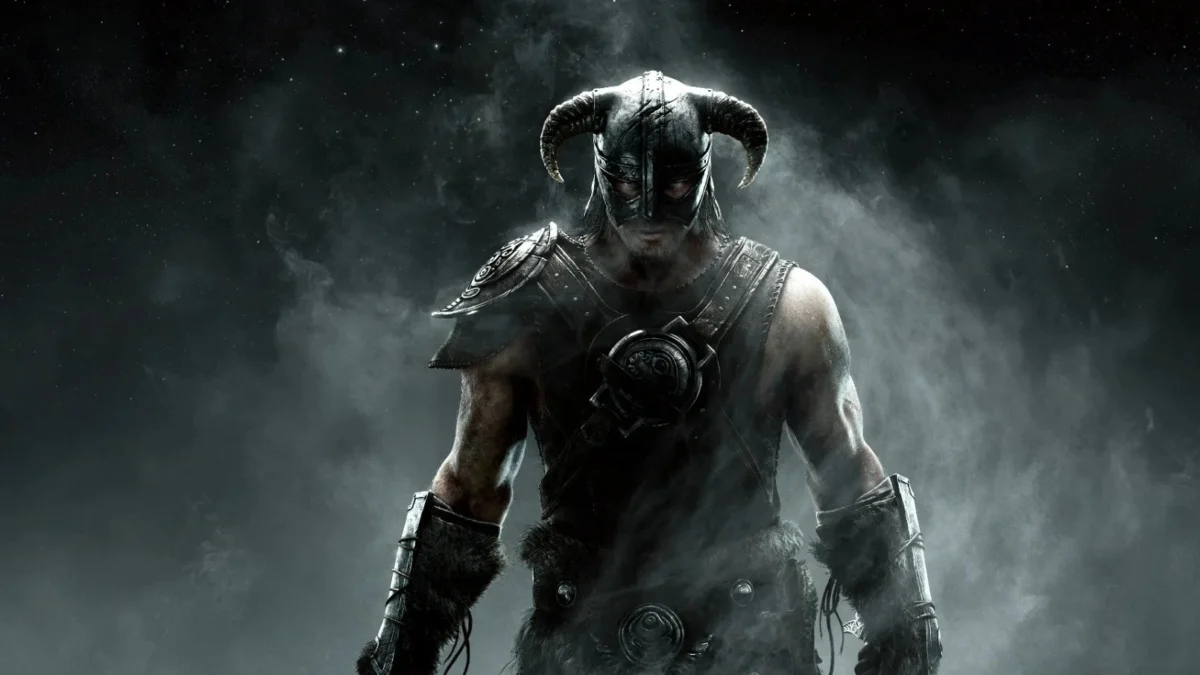
The Elder Scrolls series has maintained a position as one of the most commercially successful and critically acclaimed franchises in the history of interactive entertainment. With the original entry, Arena, debuting in 1994, and the monumental success of Skyrim in 2011, the series has defined the open-world RPG genre for three decades. Yet, as the industry observes a nearly fifteen-year gap between the release of Skyrim and the highly anticipated, yet still-developing, The Elder Scrolls 6, questions have emerged regarding why Bethesda Game Studios has resisted the temptation to allow third-party developers to fill the void. Unlike the Fallout franchise, which saw a celebrated spin-off in Obsidian Entertainment’s Fallout: New Vegas, The Elder Scrolls has remained strictly under the internal development umbrella of Bethesda.
Recent commentary from Kurt Kuhlmann, a veteran lead developer and former loremaster for the series, provides significant insight into the internal culture at Bethesda. According to Kuhlmann, the decision to keep the series proprietary is rooted in a desire to protect the creative integrity and singular identity of the franchise. While the industry frequently leverages external partnerships to expand intellectual properties, Bethesda has consistently prioritized internal control, particularly under the leadership of director Todd Howard.
The New Vegas Precedent and the Shadow of Comparison
The history of the Fallout franchise provides the necessary context for understanding Bethesda’s apprehension. When Bethesda acquired the rights to the Fallout series from Interplay and developed Fallout 3, the studio successfully transitioned the isometric CRPG into a first-person 3D experience. However, the subsequent release of Fallout: New Vegas in 2010—developed by Obsidian Entertainment, a studio founded by key members of the original Fallout development team—changed the landscape of the franchise.
Fallout: New Vegas was met with widespread critical acclaim, with many players praising its branching narrative, faction system, and deep role-playing mechanics. In the years following its release, a persistent, and often polarized, discourse emerged within the gaming community. This debate frequently pitted the Bethesda-developed entries against the Obsidian-developed spin-off, with a vocal contingent of the player base arguing that the latter captured the "true" spirit of the original Fallout games more effectively.
For Bethesda, this comparison created a complex brand challenge. Kuhlmann’s remarks suggest that the internal leadership at Bethesda witnessed this friction and aimed to insulate The Elder Scrolls from similar competitive narratives. The goal was to ensure that the perception of the franchise remained singular, preventing the emergence of a "Bethesda vs. Outsider" debate that could potentially undermine the brand’s cohesive identity.
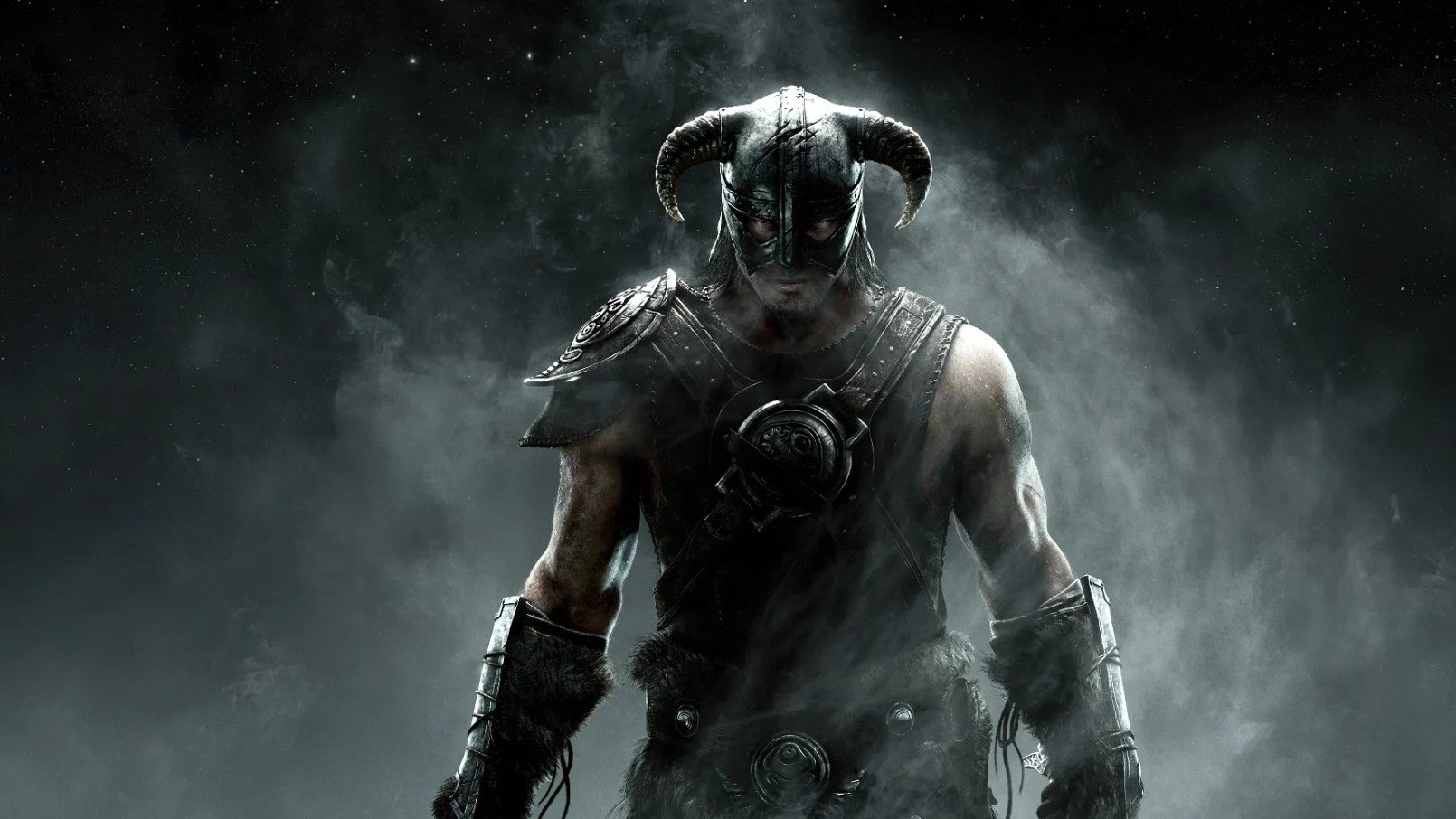
Chronology of The Elder Scrolls Development
To understand the scale of the current development cycle, one must look at the timeline of the series’ evolution:
- 1994: The Elder Scrolls: Arena is released, marking the birth of the franchise.
- 1996: The Elder Scrolls II: Daggerfall launches, establishing the series’ massive scope.
- 2002: The Elder Scrolls III: Morrowind revitalizes the franchise and establishes Bethesda as an RPG powerhouse.
- 2006: The Elder Scrolls IV: Oblivion pushes the boundaries of hardware on the Xbox 360 and PC.
- 2011: The Elder Scrolls V: Skyrim is released, becoming one of the best-selling games of all time and a cultural phenomenon.
- 2014: The Elder Scrolls Online (ESO) launches, providing a massively multiplayer experience that keeps the IP active.
- 2018: The Elder Scrolls 6 is officially announced at E3, with the understanding that it would follow Starfield.
- 2023: Starfield is released, shifting the full focus of Bethesda Game Studios toward the production of the next Elder Scrolls title.
This timeline illustrates a clear pattern of long development cycles, where each mainline entry is intended to serve as a definitive, landmark release. By maintaining this cadence, Bethesda ensures that each game is viewed as a major industry event, rather than a recurring product in a serialized spin-off model.
The Role of The Elder Scrolls Online
One of the most critical factors in mitigating the "painful gap" between mainline entries has been the success of The Elder Scrolls Online. Launched in 2014 by ZeniMax Online Studios, the game serves as a bridge for the community. Kuhlmann noted that ESO effectively "took the heat off" the studio during the long wait for a new single-player title.
For a large segment of the player base, the ongoing updates, expansions, and lore additions provided by ESO have become the primary way to interact with the franchise. By providing a persistent, evolving environment, Bethesda and ZeniMax were able to satisfy the demand for content without needing to fragment the single-player brand through external partnerships. This strategy allowed Bethesda Game Studios to dedicate its core resources to its internal roadmap, which eventually included the development of Starfield and the long-term planning for the next Elder Scrolls game.
Corporate Restructuring and the Future of Obsidian
The landscape of the industry has shifted dramatically since the 2010 release of New Vegas. In 2021, Microsoft finalized its acquisition of ZeniMax Media, the parent company of Bethesda Softworks. This move brought Bethesda Game Studios and Obsidian Entertainment under the same corporate umbrella—Xbox Game Studios.
This consolidation has sparked renewed speculation about potential collaborations. With the corporate barriers removed, the question of whether Obsidian could return to the Fallout or Elder Scrolls universes is no longer a matter of inter-studio negotiation, but one of internal strategic allocation. However, recent statements from Bethesda leadership suggest that, despite the common ownership, the studios are expected to maintain their distinct creative identities. Jill Braff, president of ZeniMax/Bethesda, has emphasized that while resources are shared, the individual strengths and creative autonomy of the various teams are paramount.

Analysis: The Implications of Exclusivity
The decision to avoid outsourcing The Elder Scrolls carries significant implications for both brand management and development quality. By retaining full control, Bethesda ensures that the "lore," game design philosophy, and artistic direction remain consistent. The Elder Scrolls is built on a very specific set of internal tools and institutional knowledge that has been refined over decades. Outsourcing such a project would require a significant transfer of these proprietary systems, which carries inherent risks.
From a market perspective, the "Bethesda-only" approach reinforces the scarcity value of the games. Because fans know that an Elder Scrolls game is a rare, high-budget, "once-a-generation" experience, the anticipation for each release is significantly higher than it would be if the franchise were farmed out to various developers.
However, the strategy is not without its costs. The lengthy development cycles can lead to periods of stagnation for the fan base, and the pressure on Bethesda to deliver a perfect product is immense. The reliance on internal development also means that the studio is limited by its own production capacity, which has been stretched thin by the development of new IPs like Starfield.
Conclusion
The absence of an "Elder Scrolls: New Vegas" is not a failure of strategy, but a deliberate choice driven by a desire for brand purity. Bethesda Game Studios operates under the philosophy that its franchises are singular, authored experiences that must be protected from the dilution that can occur when creative control is shared. As the studio looks toward the future of The Elder Scrolls 6, it continues to rely on the foundation built by Skyrim and the ongoing engagement provided by The Elder Scrolls Online. While the industry landscape has changed with the integration of Obsidian into the Xbox ecosystem, the culture of "protective" development remains a defining trait of Bethesda’s approach to its most iconic properties. For now, the legacy of The Elder Scrolls remains firmly in the hands of the architects who built it, ensuring that when the next chapter finally arrives, it will be, for better or worse, an unmistakably Bethesda experience.