
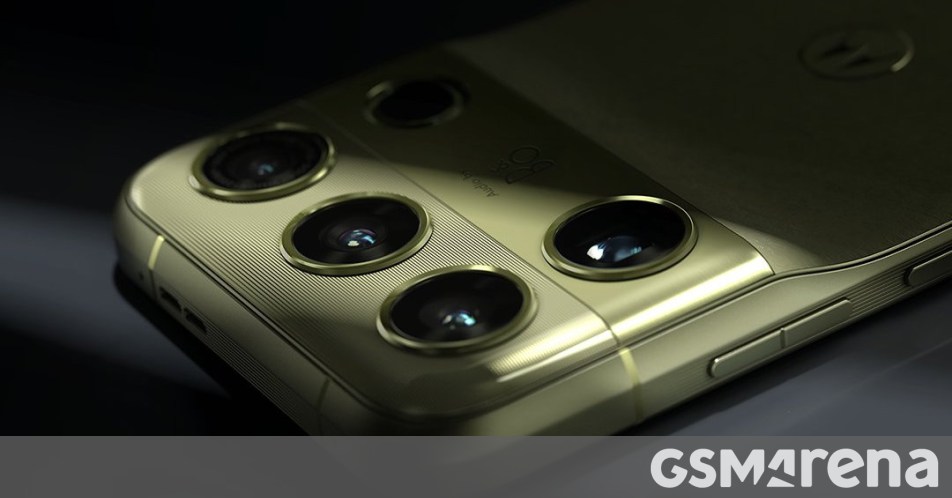
Motorola is poised to redefine its position in the premium smartphone market with the impending unveiling of the Signature 27, a device that marks a significant shift in the manufacturer’s design philosophy and hardware strategy. Scheduled for formal introduction during the annual Qualcomm Snapdragon Summit, the Signature 27 represents a culmination of months of engineering development. Ahead of the official presentation, Motorola has provided a detailed look at the device’s rear camera array, confirming a hardware-heavy approach that prioritizes imaging capabilities. Simultaneously, the company has confirmed a long-term strategic partnership with the Danish high-end audio manufacturer Bang & Olufsen, signaling an intent to compete directly with established luxury and performance-oriented mobile brands.
The Evolution of Motorola’s Flagship Strategy
For several years, Motorola, a subsidiary of Lenovo, has largely focused on mid-range devices and the niche foldable market, leaving a vacancy in its portfolio for a traditional "ultra-premium" slab flagship. The Signature 27 is explicitly designed to fill this void. Industry analysts suggest that the decision to launch the device at the Snapdragon Summit is calculated; by aligning with Qualcomm’s latest silicon reveal, Motorola is positioning the Signature 27 as a premier vehicle for the newest mobile processor technology.
The timeline leading to this launch began in late August, when initial teasers hinted at a "reimagined" device architecture. Throughout September, the company increased the frequency of its cryptic social media engagements, building anticipation for a shift toward higher-end components. This culminated in the reveal of the camera housing, which features a notably dense array of sensors, suggesting a multi-focal length system capable of advanced computational photography and high-resolution imaging.
Technical Implications of the Camera Array
While specific sensor specifications remain under embargo until the keynote presentation, the sheer size and complexity of the camera island indicate a departure from the minimalist design language previously favored by the company. Industry experts observing the leaked imagery point to a sophisticated lens arrangement that likely integrates a primary high-megapixel sensor, a dedicated telephoto module, and an ultra-wide lens, potentially supplemented by specialized depth or macro sensors.
The inclusion of such an extensive camera system serves two primary functions: it addresses the consumer demand for versatile mobile photography tools, and it provides a marketing differentiator in an increasingly saturated flagship market. Historically, the integration of multiple high-performance sensors requires significant internal space, which often dictates the chassis design. The Signature 27 appears to embrace this bulk, prioritizing performance over ultra-slim aesthetics, a trade-off that is becoming common among modern "Ultra" or "Pro" branded smartphones.
Strategic Partnership with Bang & Olufsen
The announcement of a global partnership with Bang & Olufsen adds a layer of prestige to the Signature 27. Bang & Olufsen, renowned for its acoustic engineering and high-fidelity sound systems, brings a level of brand equity that Motorola intends to leverage to distinguish its audio output. This collaboration extends beyond simple software tuning; it is expected to involve the integration of proprietary audio processing algorithms and hardware-level optimizations that align with Bang & Olufsen’s signature sound profile.
For Motorola, this partnership is a strategic move to address criticisms regarding the audio quality of its previous flagship offerings. By aligning with a heritage brand in the audio space, Motorola is attempting to pivot toward a more holistic "premium" experience. This move mirrors industry trends where mobile manufacturers partner with legacy photography and audio firms—such as Xiaomi with Leica or Sony with its own internal imaging divisions—to validate their hardware performance through established industry expertise.
Market Context and Competitive Positioning
The arrival of the Signature 27 occurs against a backdrop of shifting market dynamics. Data from the first half of 2026 suggests a recovery in the premium smartphone segment, as consumers hold onto devices for longer periods and demand higher levels of performance and longevity. Motorola’s challenge is to convert its brand loyalty in the mid-range sector into sales in the $1,000-plus bracket.
The competitive landscape for the Signature 27 includes long-standing market leaders that have dominated the premium space with integrated ecosystems. Motorola’s strategy, by contrast, relies on a "best-of-breed" approach: utilizing top-tier Qualcomm silicon, high-end optics, and premium audio technology from a specialized partner. This ecosystem-agnostic approach may appeal to users who prioritize individual hardware performance over closed-loop platform integration.
The Role of the Snapdragon Summit
The Qualcomm Snapdragon Summit serves as the global stage for the unveiling of the newest mobile processors, which are typically the engines driving the features of the devices announced alongside them. By choosing this venue, Motorola is signaling that the Signature 27 is designed to fully utilize the latest advancements in AI-driven processing, image signal processing (ISP), and connectivity standards.
The integration of advanced AI features is expected to be a central theme of the presentation. With the Signature 27, Motorola is likely to introduce new computational photography workflows that rely on the NPU (Neural Processing Unit) capabilities of the new Snapdragon platform. These features could include real-time image enhancement, advanced low-light video processing, and improved object tracking, all of which are essential to competing with the current market leaders.
Expert Analysis and Industry Expectations
Industry analysts suggest that the success of the Signature 27 will depend on more than just hardware specifications. User experience, software stability, and the long-term commitment to updates will be the primary metrics by which the device is judged. The partnership with Bang & Olufsen is a strong signal that Motorola is focusing on the "sensory" experience of the phone, but the software layer must be equally refined to match the hardware’s capabilities.
Furthermore, the price point of the Signature 27 will be a critical factor in its market adoption. If Motorola positions the device as a direct rival to ultra-premium flagships, it must ensure that the build quality and service ecosystem can justify the investment. The company has historically offered a near-stock Android experience, which remains a key selling point for a segment of the user base that dislikes the bloatware often found in competitor devices. Maintaining this "clean" software approach while integrating complex hardware features will be the company’s primary technical challenge.
Anticipating the Unveiling
As the industry prepares for the formal reveal, the focus remains on the specific implementation of these technologies. Will the camera array feature a one-inch sensor? Will the audio integration extend to customized hardware components like advanced DACs (Digital-to-Analog Converters)? These questions are set to be answered in the coming hours.
The Signature 27 is not just another product launch for Motorola; it is a declaration of intent. After years of refinement in the mid-range and foldable markets, the company is testing its ability to operate at the pinnacle of mobile technology. The partnership with Bang & Olufsen and the heavy investment in camera hardware demonstrate a brand that is no longer content with being an alternative option, but one that aspires to be a primary consideration for the premium consumer.
Ultimately, the Signature 27 represents a critical inflection point. Whether it can effectively challenge the established hierarchy will depend on the synergy between its high-end components and the execution of its software ecosystem. As Motorola prepares to take the stage at the Snapdragon Summit, the tech world awaits to see if the reality of the Signature 27 matches the ambitious narrative the company has spent the last month constructing. The event will likely provide clarity not just on the device itself, but on the future trajectory of Motorola as a contender in the global premium smartphone market. With the official keynote just hours away, the industry is poised to evaluate whether the Signature 27 is indeed the flagship turnaround that the company and its investors have been anticipating.