The week’s photographic landscape has been dominated by scenes that evoke a sense of post-apocalyptic dread, not from fictional narratives, but from the stark reality of devastating wildfires and seismic events unfolding across the globe. Photojournalists have been at the forefront, capturing haunting images that underscore the profound impact of these natural and human-induced crises. From the choking smoke blanketing major cities to the raw aftermath of earthquakes, these visuals serve as a critical, often grim, testament to the challenges facing communities worldwide.
The current surge in extreme weather events, particularly the abnormally high temperatures, has ignited a series of fierce wildfires. These infernos have raged across continents, impacting regions as diverse as Canada, France, Italy, Spain, and Portugal. The immediate devastation to communities directly in the path of the flames is immense, but the widespread dispersal of smoke has created a secondary crisis: a significant degradation of air quality across vast geographical areas. This pervasive haze has transformed familiar skylines into spectral landscapes, as captured by photographers documenting the unfolding events.
A Haunting Contrast: Smoke Engulfs Iconic Landmarks
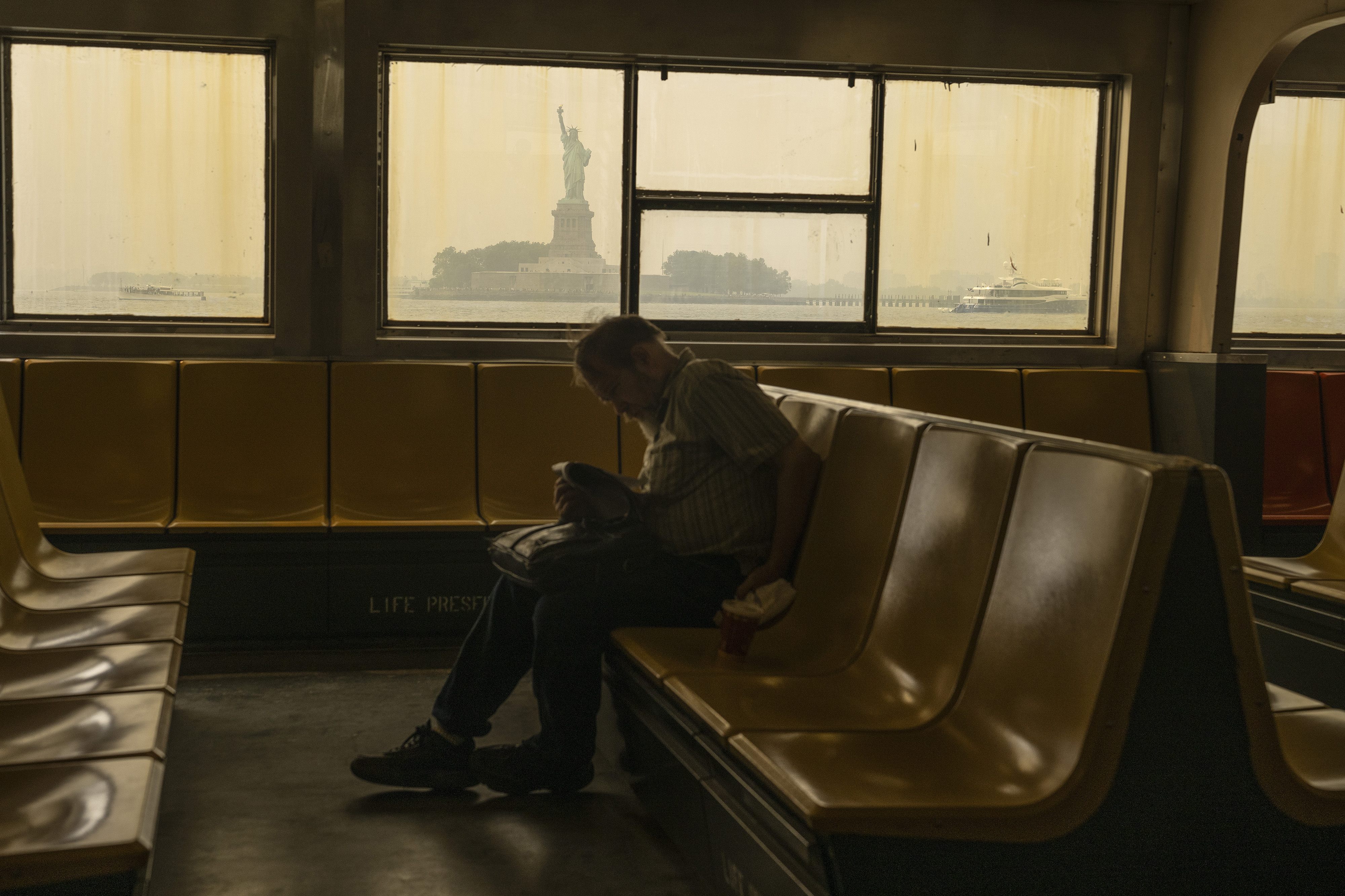
The challenge of photographing smoke, an ephemeral yet potent force, has been met with remarkable skill by photojournalists. Their work this week stands out for its ability to convey the scale and emotional weight of these disasters. One particularly striking image, taken by David Ramos for Getty Images from the Staten Island Ferry in New York City, offers a poignant juxtaposition of an enduring symbol of hope and the encroaching environmental crisis.
The photograph captures the Statue of Liberty, an internationally recognized emblem of immigration and freedom, partially obscured by a thick, yellowish haze. This atmospheric veil is a direct consequence of the extensive wildfires burning in Canada, with smoke plumes traveling thousands of miles southward. The image, taken on July 16, 2026, places the iconic monument within the context of a severe air quality advisory that affected much of the East Coast and Canada. Accompanying the visual is the stark reality of an ongoing heatwave, with temperatures and heat indexes soaring, further exacerbating the already difficult conditions. The composition, with a solitary, silhouetted figure on the ferry surrounded by empty seats, amplifies the sense of isolation and unease, suggesting a city grappling with invisible threats. Ramos’s deliberate focus on the hazy silhouette of the Statue of Liberty over individual elements within the frame effectively communicates the overwhelming presence of the smoke and its impact on the urban environment.
This visual narrative resonates with multiple concurrent headlines in the United States, including the persistent issues surrounding climate change, the immediate effects of wildfire smoke on public health, and the ongoing complexities of immigration policies. The photograph serves as a powerful, multi-layered commentary on the contemporary challenges faced by the nation.
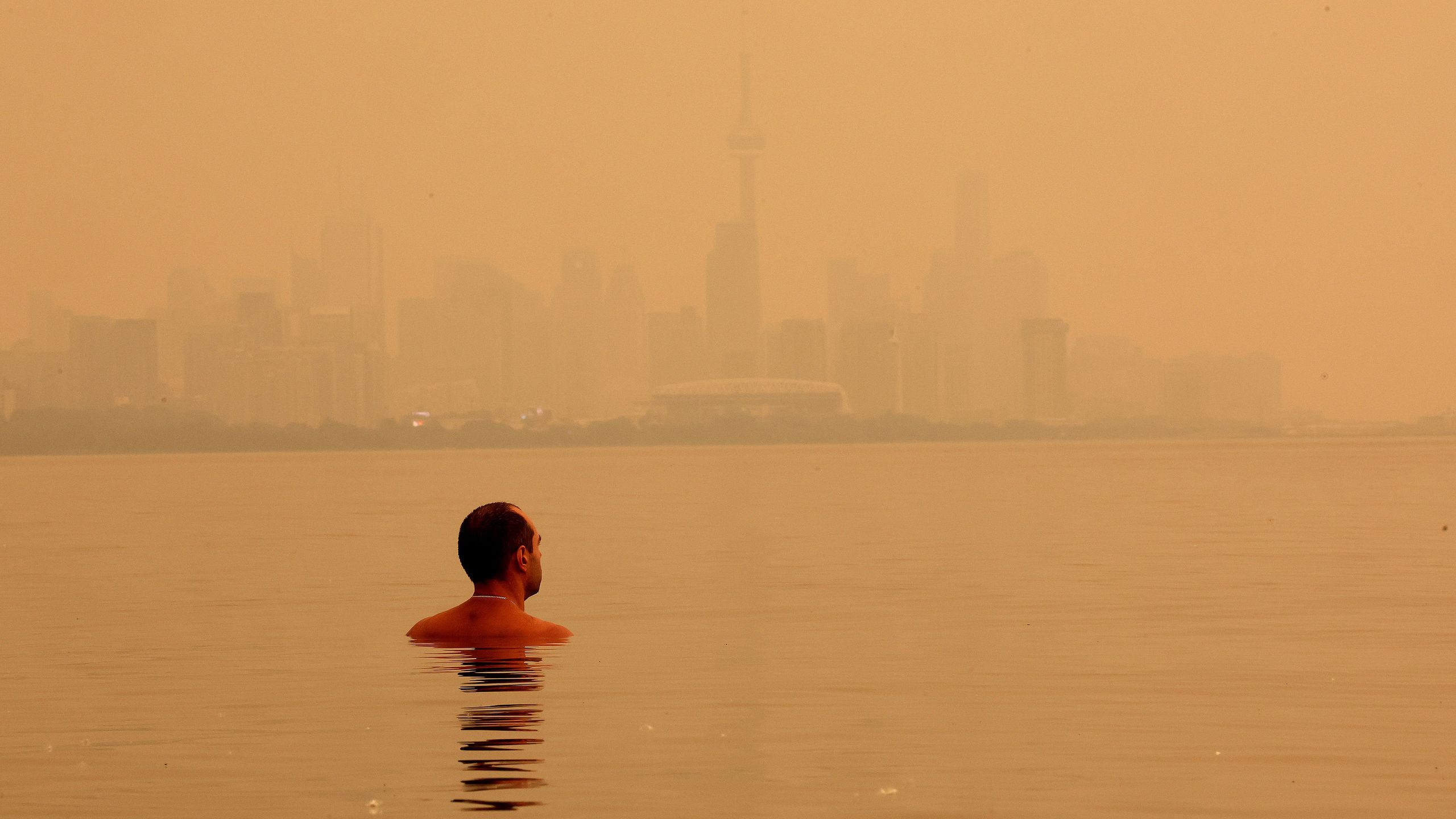
Further north, in Toronto, Canada, photographer Steve Russell of the Toronto Star captured another equally arresting image on July 15, 2026. This photograph depicts a swimmer seeking respite from the sweltering heat in Lake Ontario, with the Toronto skyline eerily shrouded in smoke originating from the devastating wildfires in Northern Ontario. The image conveys the palpable heat of the summer, an invisible element that Russell masterfully suggests through the context and the dense, yellowish atmosphere. The tight framing of the swimmer, with the obscured cityscape in the background, imbues the photograph with a sense of loneliness and isolation, as if the individual is the sole inhabitant in a world muted by smoke. This visual underscores the immediate, personal impact of environmental crises, where even mundane activities like swimming become acts of seeking refuge from a compromised environment.
Battling the Flames: The Frontlines of Wildfire Suppression
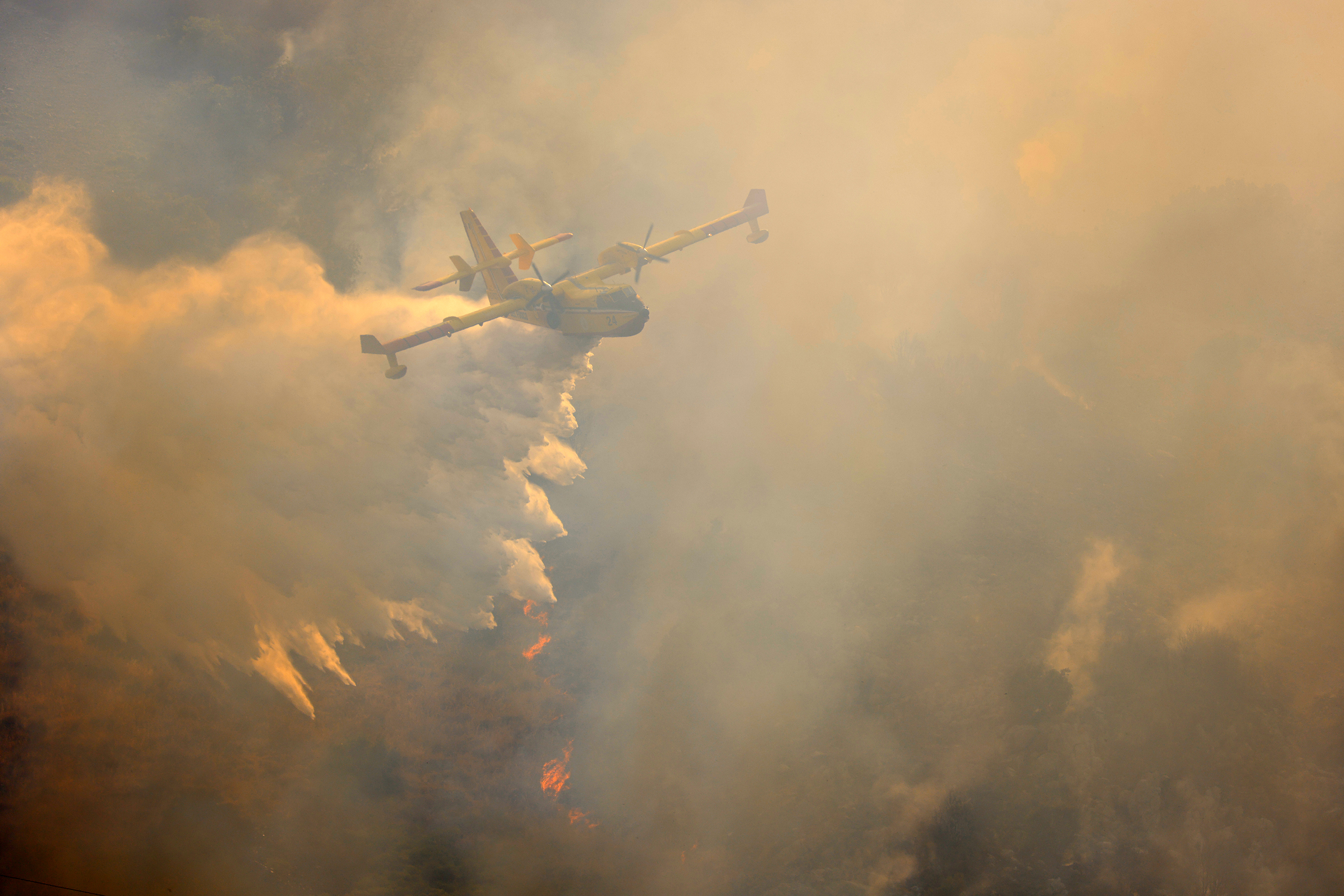
While the long-range effects of wildfire smoke dominate headlines in urban centers, the direct confrontation with these infernos continues on the ground and in the air. In Italy, amidst a period of intense heat and strong winds, wildfires have become a critical concern. A photograph by Alberto Lo Bianco, captured for Anadolu via Getty Images near Palermo, Sicily, on July 15, 2026, offers a stark glimpse into the active fight against these blazes.
The image showcases the critical efforts of firefighters utilizing aerial support. A firefighting airplane is seen dropping its water load onto a line of flames that are rapidly spreading across the maquis vegetation on the slopes of Mount Longa. The scene highlights the dangerous and dynamic nature of wildfire suppression, where strong winds can quickly escalate a situation, demanding rapid and coordinated intervention from both ground crews and aviation units. This photograph moves beyond the broader impact of smoke, focusing on the immediate, high-stakes battle to contain and extinguish the fires, underscoring the bravery and dedication of those on the frontlines. The visual serves as a reminder that while distant cities grapple with air quality, other regions are facing the direct threat of destruction.
The European continent has been particularly vulnerable to the escalating threat of wildfires this summer. Spain and Portugal, for instance, have been grappling with numerous fires fueled by prolonged dry spells and high temperatures. The Canary Islands, a popular tourist destination, have also seen significant wildfire activity, requiring extensive firefighting resources and leading to evacuations. The scale of these fires has been exacerbated by climate change, with scientific consensus pointing to increased frequency and intensity of such events due to rising global temperatures. Fire seasons are beginning earlier and lasting longer in many parts of the world, posing a significant challenge to ecological stability and human safety.
Echoes of Catastrophe: The Aftermath of Venezuela’s Earthquakes
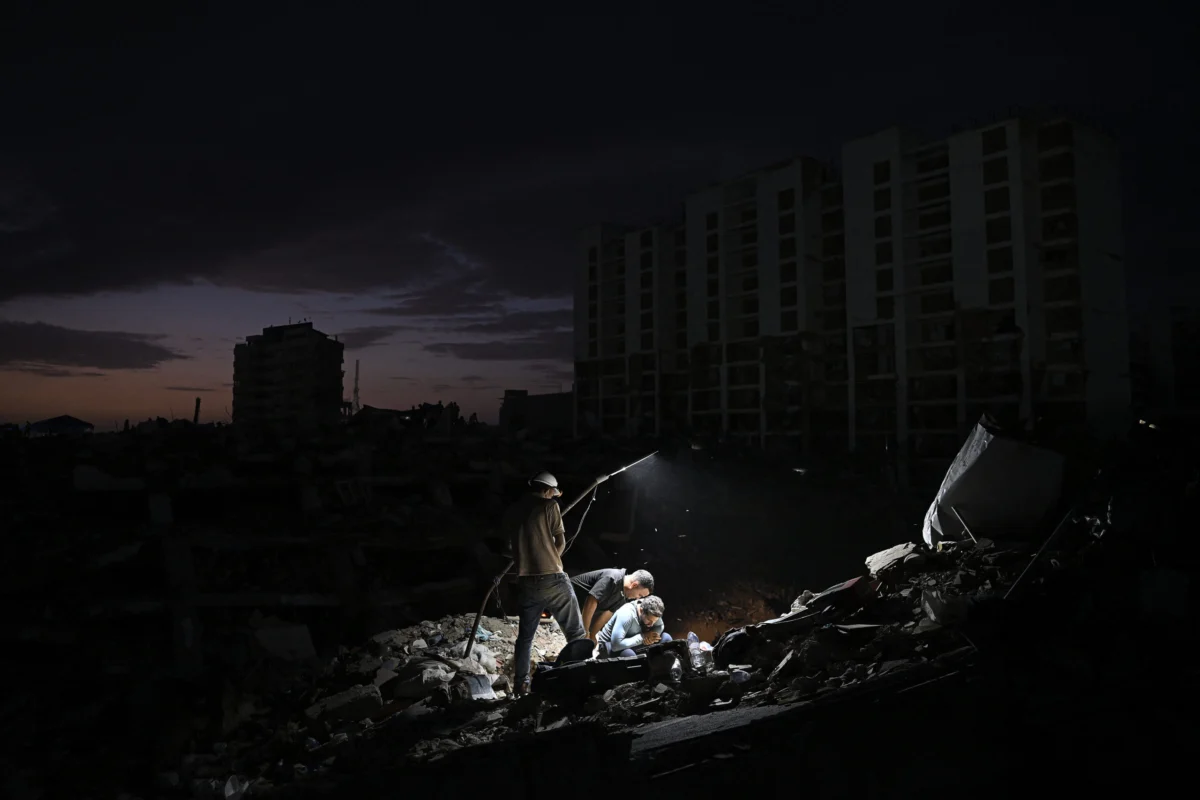
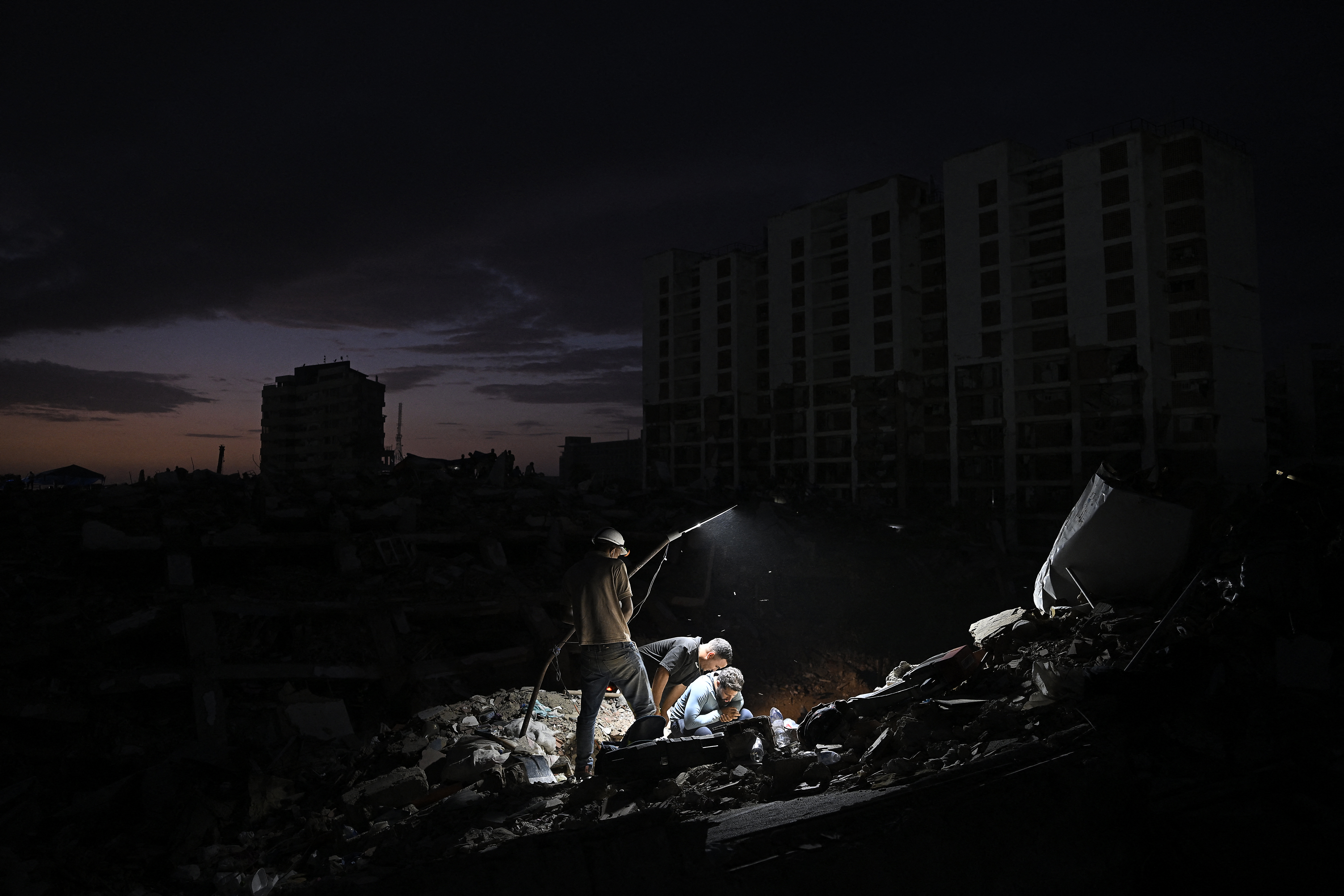
Beyond the immediate visual impact of smoke, the week has also been marked by profound images from the aftermath of natural disasters of a different kind. A deeply affecting photograph by Federico Parra for AFP, taken on July 16, 2026, captures the ongoing devastation following last month’s twin earthquakes in Venezuela. The image focuses on volunteers and relatives of victims engaged in a desperate search for loved ones amidst the rubble of a collapsed building in Caraballeda, La Guaira state.
This photograph offers a somber portrayal of the long-term consequences of seismic events. While the earthquakes themselves occurred weeks prior, this image highlights the persistent human toll and the arduous process of recovery and grief. Parra’s skillful use of light draws attention to the two figures kneeling in the debris, their search illuminated by a light held high, casting the surrounding devastation into stark relief. The contrast between the focused illumination on the searchers and the shadowed rubble emphasizes the scale of the destruction and the profound loss experienced by the community. Official reports released this week indicated that the death toll from the earthquakes had tragically surpassed 4,800, with thousands more injured and displaced. The photograph serves as a powerful reminder of the enduring human cost of natural disasters, even as immediate news cycles move on.
The earthquakes in Venezuela, which struck in mid-June, were a devastating blow to the nation, already grappling with significant socio-economic challenges. The tremors, measuring over 7.0 magnitude, caused widespread destruction, particularly in coastal regions. The aftermath has been characterized by a desperate need for humanitarian aid, rescue operations, and long-term rebuilding efforts. International organizations have been involved in providing assistance, but the scale of the disaster presents a monumental challenge for the affected nation.
A Stark Statement: The Lingering Impact of Violence
In the United States, a photograph taken by Ryan Murphy for Getty Images in Biddeford, Maine, on July 13, 2026, speaks to the intersection of violence, immigration, and law enforcement. The image captures the words "This is blood" scrawled on the pavement at the scene of a fatal shooting involving U.S. Immigration and Customs Enforcement (ICE). The victim was identified as Joan Sebastian Guerrero, a 26-year-old man from Colombia.
This photograph gains added weight due to its proximity to another fatal shooting involving ICE in Houston, Texas, just days prior. The chalked message serves as a raw, unfiltered statement, a visceral representation of protest and mourning in the wake of a tragic incident. While photography is often employed to convey events that words alone cannot articulate, the stark simplicity of the chalked words, juxtaposed with the implied gravity of the scene, creates a profoundly impactful image. It underscores the potent role of visual documentation, both through professional photojournalism and emergent forms of public expression, in capturing and communicating the emotional and political dimensions of critical events. The incident in Maine, and the resulting photograph, highlight the ongoing tensions and scrutiny surrounding immigration enforcement policies and their human consequences.
The shooting in Biddeford is part of a broader narrative of complex interactions between law enforcement, immigration agencies, and immigrant communities across the United States. Such incidents often spark protests and calls for greater accountability and reform. The photographer’s choice to focus on the chalked statement, rather than a more graphic depiction of the scene, elevates the message and imbues it with symbolic power, drawing attention to the human cost of such events.
Broader Implications and the Role of Photojournalism
The collection of images from this week paints a sobering picture of the world’s current state. The confluence of intensifying climate change, leading to more frequent and severe wildfires, and the ever-present threat of seismic activity, underscores the vulnerability of global communities. These events demand not only immediate relief and long-term mitigation strategies but also robust documentation to inform public discourse and policy.
Photojournalism plays an indispensable role in this process. By capturing the raw emotion, the scale of destruction, and the resilience of individuals, photographers provide essential context and humanize abstract statistics. The images highlighted this week serve as a powerful reminder of our interconnectedness and the shared challenges we face. They compel us to consider the implications of environmental degradation, the human cost of natural disasters, and the societal impacts of violence and conflict.
As we navigate an increasingly volatile world, the work of photojournalists remains a vital tool for understanding, accountability, and ultimately, for inspiring change. Their dedication to bearing witness, often in the face of immense personal risk, ensures that the stories of those affected by these global crises are told, seen, and remembered. The photographs from this week are not merely visual records; they are urgent dispatches from the frontlines of humanity’s struggle against formidable forces, both natural and man-made.