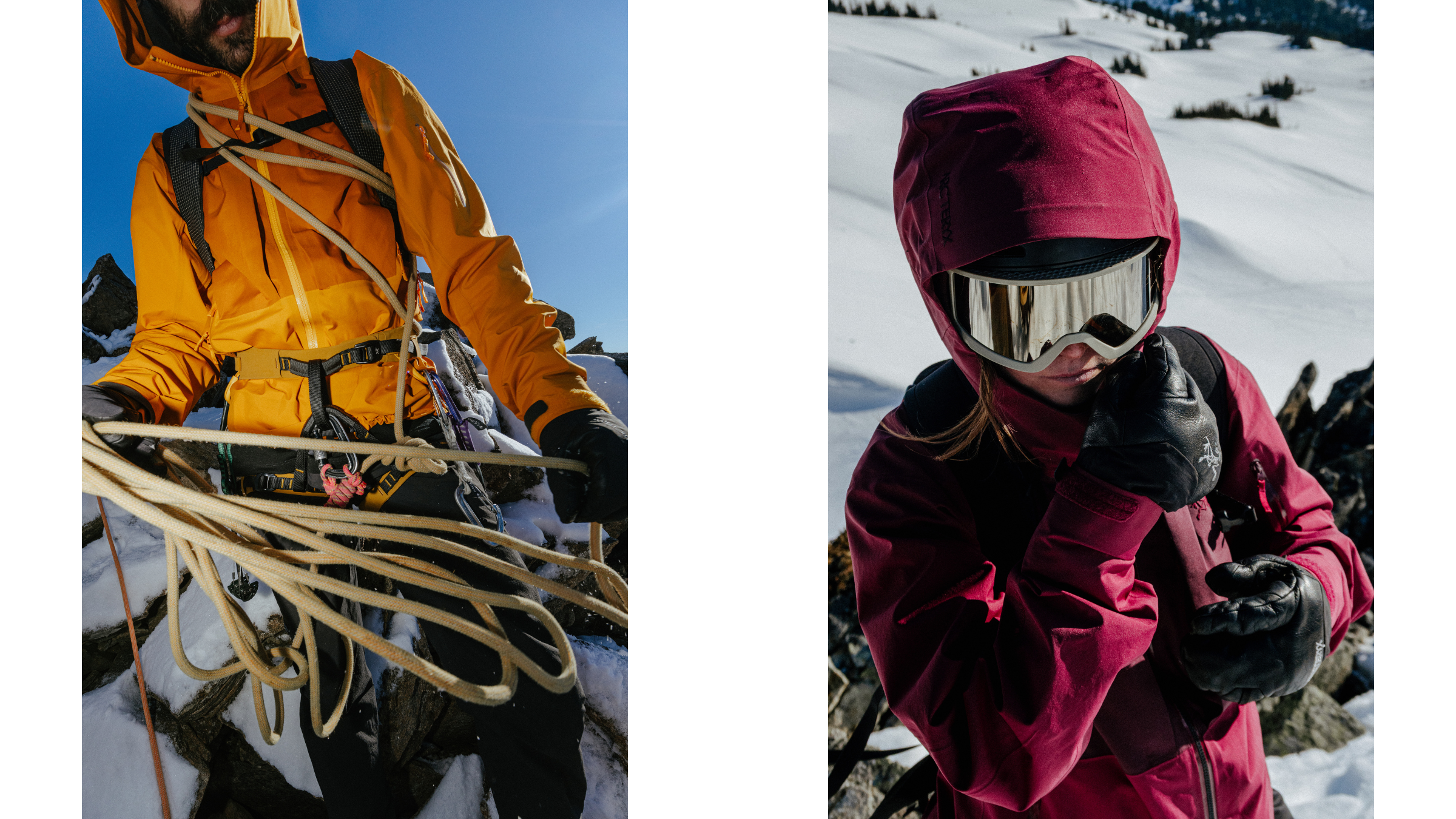
Tucked discreetly alongside the interior chest pocket of a two-toned magenta Arc’teryx hardshell lies a laser-etched QR code. To the casual observer, it might appear to be a standard manufacturing mark, yet this tiny square represents a fundamental shift in the relationship between consumer goods and their lifecycle. Unlike the ephemeral digital menus or marketing links found on most retail products, this specific code serves as a digital passport, initiating a permanent record of the garment’s material composition, geographic origin, and, crucially, its lifelong repair history. Announced on September 7, 2026, this development marks the debut of System 0, a comprehensive framework designed by Arc’teryx to bridge the gap between high-performance mountain engineering and radical circularity.
The introduction of the Sperro SV, the inaugural product within the System 0 ecosystem, represents more than a new item in the company’s catalog; it is the culmination of years of iterative research aimed at decoupling premium outdoor gear from the linear "take-make-waste" manufacturing model. By integrating this tracking technology, Arc’teryx is attempting to move beyond traditional sustainability claims—which often rely on vague carbon offsets or recycled content percentages—toward a model of total material accountability.

The Engineering of Permanence
A QR code on a mountain-grade hardshell requires an entirely different level of engineering than a standard adhesive label. The placement of the code within the interior of the jacket is a deliberate design choice, ensuring it remains protected from the abrasive elements of alpine environments. The laser-etching process, adapted from high-precision electronics manufacturing, underwent exhaustive testing to ensure the mark remains legible and permanent without compromising the structural integrity of the fabric.
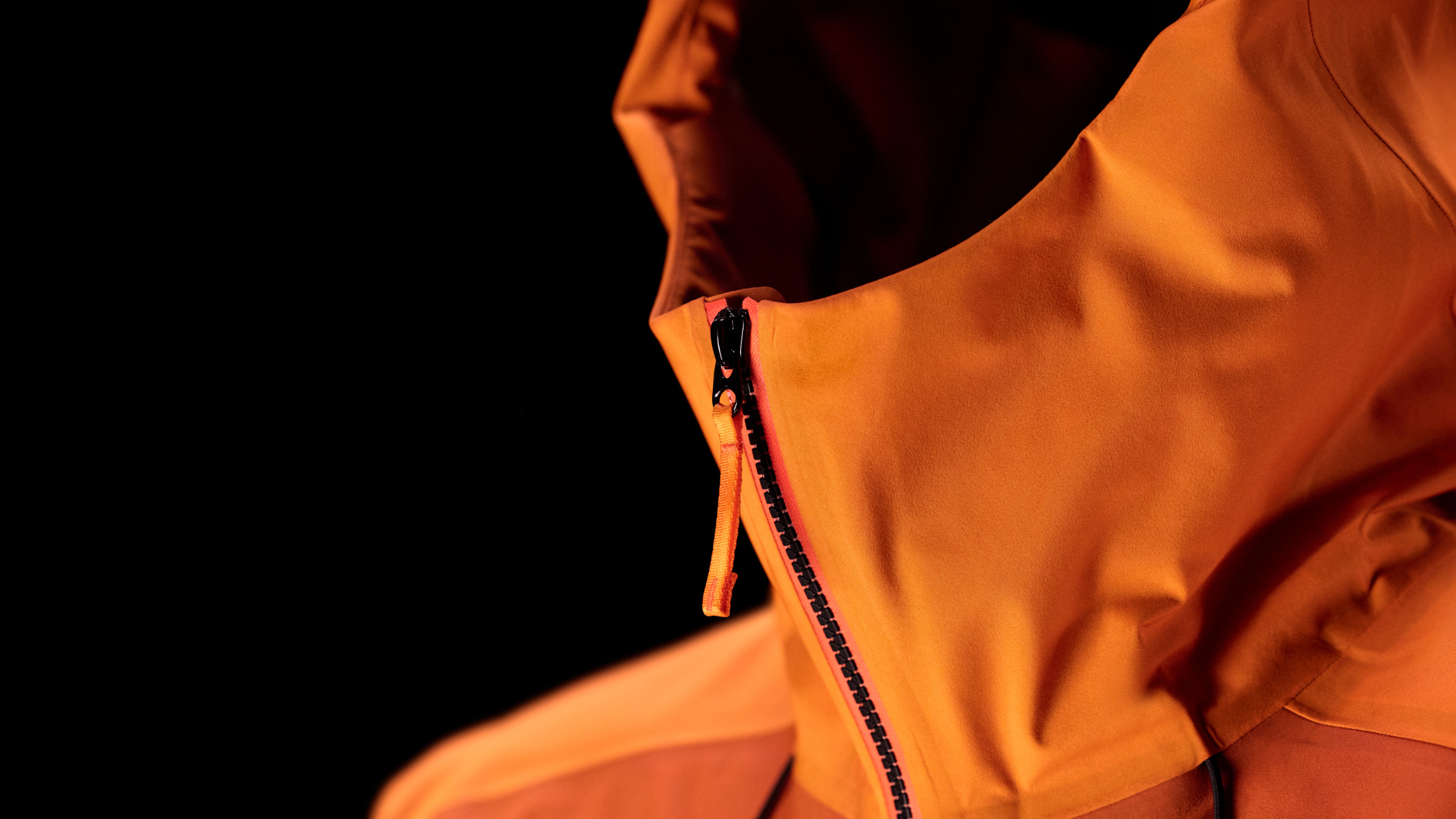
This level of attention to detail reflects the broader philosophy behind System 0. As Andrew Yip, Senior Director of Materials Innovation at Arc’teryx, notes, the company’s objective was to build the infrastructure of circularity concurrently with the product itself. The Sperro SV features a specially engineered front zipper designed for simple, repeated removal and replacement, alongside reinforced stress points specifically mapped to withstand years of heavy use.
A Chronology of Circular Development
The genesis of System 0 can be traced back to internal strategic sessions between Arc’teryx CEO Stuart Haselden and VP of Advanced Concepts, Alex Plante. While the company’s existing ReBIRD program had already established a robust foundation for repairs, resale, and trade-in initiatives, leadership identified a critical missing link: the ability to design a product from inception with its eventual end-of-life regeneration in mind.
Following the initial "what if" discussions, the company initiated a multi-year project to reorganize its supply chain and design philosophy. By 2024, the focus shifted toward material science, specifically identifying polymers that could withstand extreme alpine conditions while remaining chemically recyclable. Throughout 2025, the team expanded its workforce, recruiting specialized sourcing managers and circularity strategists, such as Kyle Wood, to oversee the integration of these new processes. By mid-2026, the final field-testing phase was completed, utilizing feedback from North Shore Search and Rescue to validate that the new material standards did not sacrifice the brand’s reputation for technical excellence.
Challenging the "Less Bad" Paradigm
A central tenet of the System 0 initiative is the rejection of the "less bad" philosophy that has historically plagued the outdoor apparel industry. Yip argues that sustainability should not be a justification for diminished performance. "Most sustainable materials are just less bad than their incumbent," Yip states. "If you are going to make something less bad from a sustainability perspective but make it worse in terms of performance, there is no justification for it to exist."
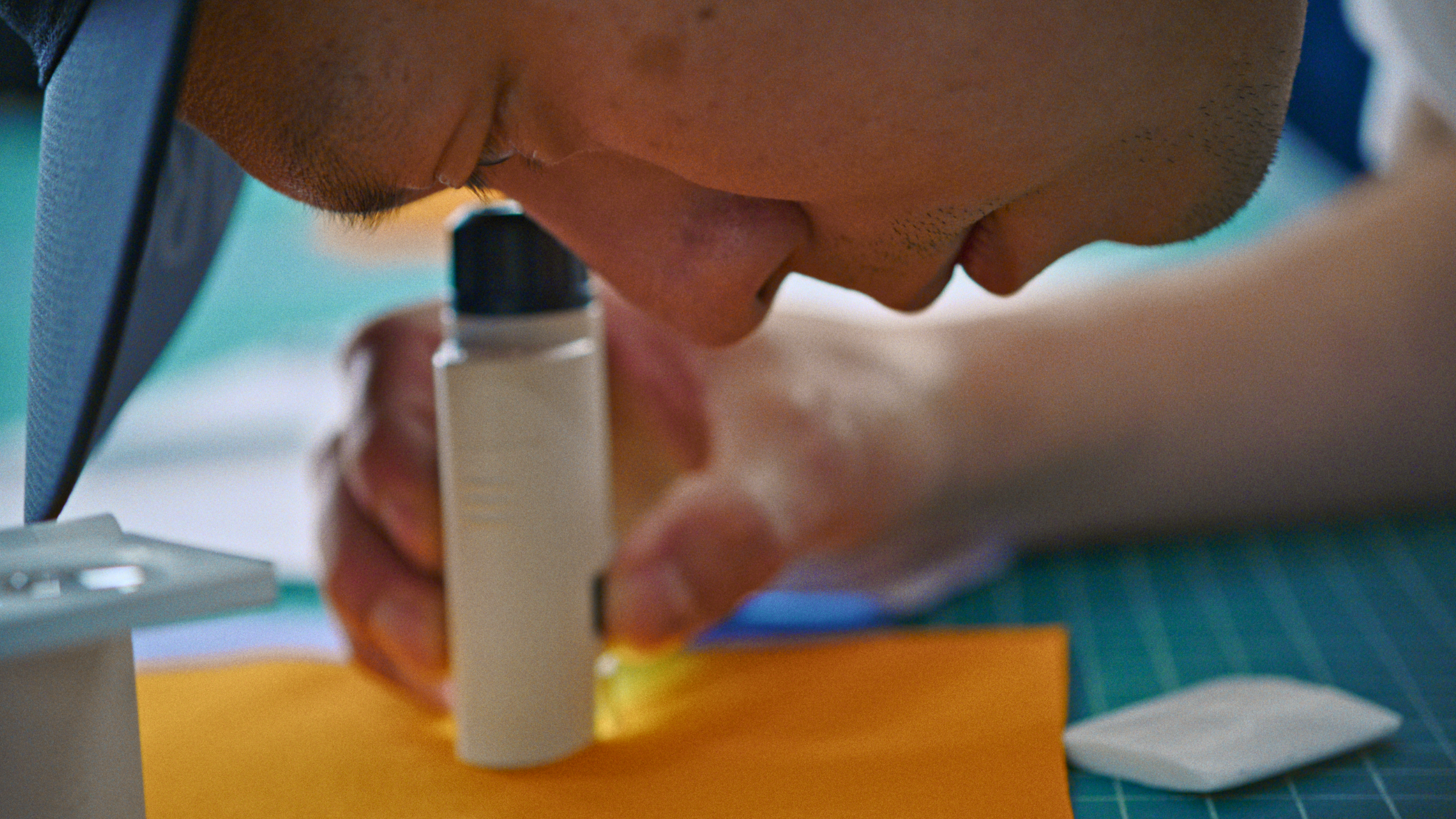
To ensure the Sperro SV met the company’s rigorous standards, the design team opted for nylon 6 over the more common polyester. While polyester is often favored in the recycling industry due to the abundance of existing infrastructure, the engineering team determined that nylon 6 provided superior abrasion resistance and tensile strength—attributes non-negotiable for a jacket intended to withstand ice climbing and mountaineering. Arc’teryx collaborated extensively with Aquafil, the producer of ECONYL, to define the exact material ratio that would satisfy both durability requirements and future chemical recyclability needs.
Redefining the "Swiss Army Knife"
Historically, Arc’teryx has built its reputation on highly specialized "scalpel" tools, such as the Alpha SV, designed specifically for the singular demands of ice climbing. The Sperro SV, however, represents a departure into the "Swiss Army Knife" category: a multi-environment, multi-activity, and multi-functional piece of equipment.
The challenges associated with this shift were significant. To maintain the brand’s high-performance standard while increasing versatility, the design team subjected the Sperro SV to a wide range of testing protocols, from ski touring and snowshoeing to high-stakes search-and-rescue operations. By partnering with organizations like the North Shore Search and Rescue, Arc’teryx ensured that the jacket’s durability was not merely theoretical. The feedback gathered from these professionals informed adjustments to pocket placement, range of motion, and seam strength, ensuring that the jacket could function as a primary shell for various mountain disciplines.
The Economic Implications of Custodianship
The launch of the Sperro SV also highlights an interesting tension between the brand’s long-term environmental goals and the traditional retail business model. At a retail price point of $1,200, the jacket is positioned as an investment piece, effectively marketed toward consumers who prioritize "custodianship" over ownership.
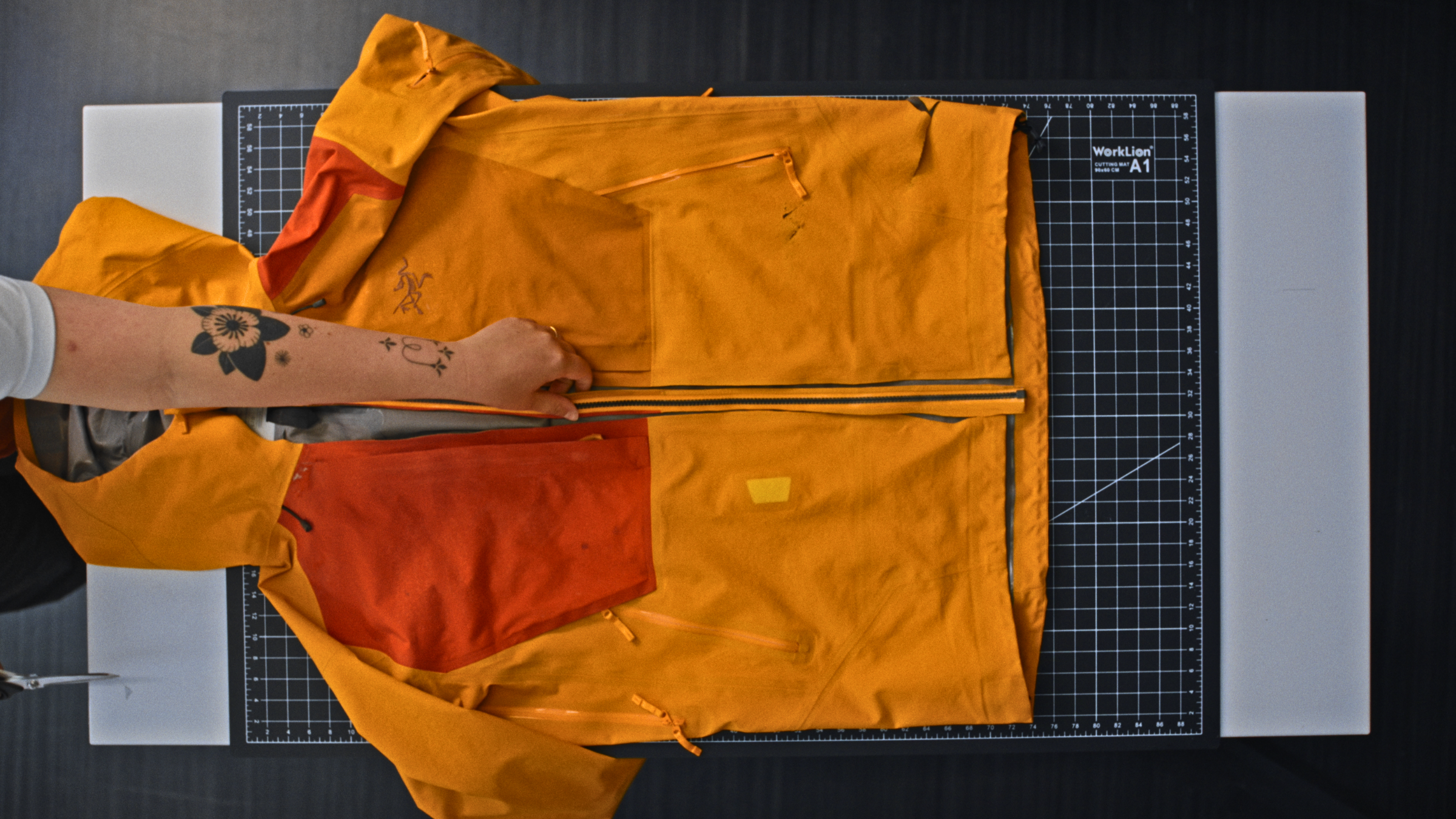
This model carries significant implications for the outdoor industry. If a company succeeds in creating a product that lasts a decade or more, the recurring revenue cycle is disrupted. Arc’teryx acknowledges this shift, noting that the price point is a reflection of the extensive investment in materials, manufacturing certification, and the provision of three years of unlimited repairs. From a financial analysis perspective, the "cost-per-wear" metric is the intended focal point for the consumer. By internalizing the cost of potential end-of-life regeneration and offering extended repair support, Arc’teryx is attempting to shift the value proposition from a transaction-based model to a service-based model.
Industry Reactions and Future Outlook
While it remains to be seen how the broader market will respond to the price-to-value ratio of the Sperro SV, industry observers point to this as a necessary evolution for premium outdoor brands. As regulatory pressure regarding textile waste increases in regions like the European Union and North America, companies that establish "take-back" and circular infrastructure early are likely to gain a competitive advantage.
Arc’teryx has framed the Sperro SV as a "statement of intent." With the System 0 framework now established, the company plans to scale these circular principles to other core categories. The implications for the apparel industry are clear: the future of high-end manufacturing will increasingly rely on digital traceability and a design process that accounts for the garment’s entire lifespan from the first sketch to the final recycling phase.
For the loyalists concerned that the emphasis on circularity might compromise the performance expected of the brand, Yip remains confident. "If anyone were to put on the jacket and close their eyes, it shouldn’t be different at all compared to anything we’ve made before," he says. "It’s everything else around it that we’re trying to change." By maintaining the technical performance of a specialized shell while revolutionizing the back-end system, Arc’teryx is attempting to prove that the highest standard of sustainability is, ultimately, durability. The Sperro SV stands as a testament to that belief, inviting the consumer to participate in a new, more responsible cycle of use and care.