The automotive landscape in the United States is currently undergoing a significant recalibration, as major manufacturers grapple with a cooling consumer appetite for electric vehicles (EVs). While initial projections for widespread EV adoption were aggressive, a combination of fluctuating government subsidies, the expiration of key federal tax incentives, and evolving fuel-economy regulations has forced industry titans to temper their expectations. Amidst this period of market correction, Hyundai Motor Company has identified a burgeoning, high-volume alternative to the retail market: the autonomous vehicle (AV) sector. By positioning its manufacturing capabilities to serve the growing robotaxi industry, Hyundai is transforming potential surplus production capacity into a specialized business unit, securing a path for long-term growth even as retail EV sales stagnate.
A Strategic Reorientation in Georgia
For several years, the automotive industry operated under the assumption that the transition to electric mobility would be a linear, rapid progression. Consequently, billions of dollars were funneled into domestic manufacturing infrastructure, including Hyundai’s massive Metaplant in Savannah, Georgia. However, as macroeconomic headwinds emerged—marked by high interest rates and a shift in federal policy support—carmakers such as Ford and Honda found themselves forced to scale back ambitious electrification targets and absorb significant asset write-downs.
In a candid address to reporters in San Jose, California, this week, Hyundai Motor Company CEO José Muñoz articulated a distinct strategic divergence. While industry peers were trimming their balance sheets to account for devalued assets, Hyundai opted for operational agility. The company began reconfiguring its Savannah plant’s production lines to prioritize hybrid vehicles, which currently see higher consumer demand, while simultaneously pivoting the surplus EV production capacity toward the lucrative and rapidly expanding robotaxi sector.
The Rise of the Autonomous Fleet
The decision to lean into the robotaxi market is not merely a reactive measure but a proactive business strategy. By integrating its vehicle manufacturing expertise with the advanced software needs of autonomous technology companies, Hyundai is effectively diversifying its revenue streams. The partnership with Waymo, an Alphabet-owned subsidiary and a leader in autonomous driving, serves as the centerpiece of this strategy.
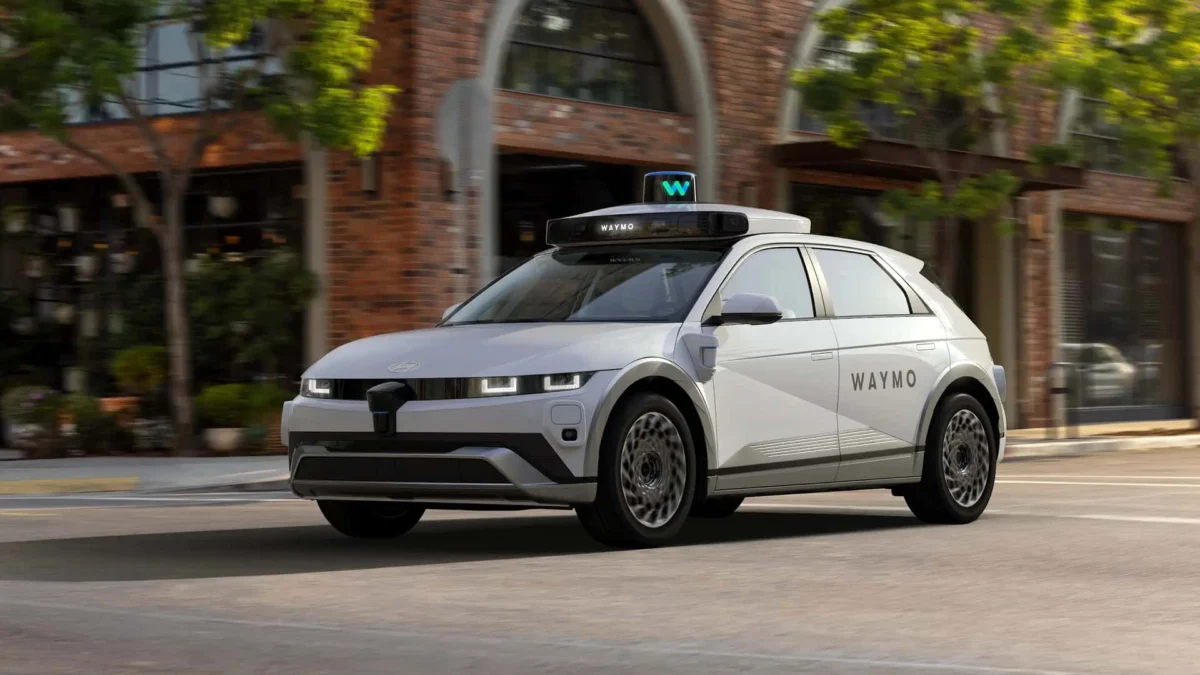
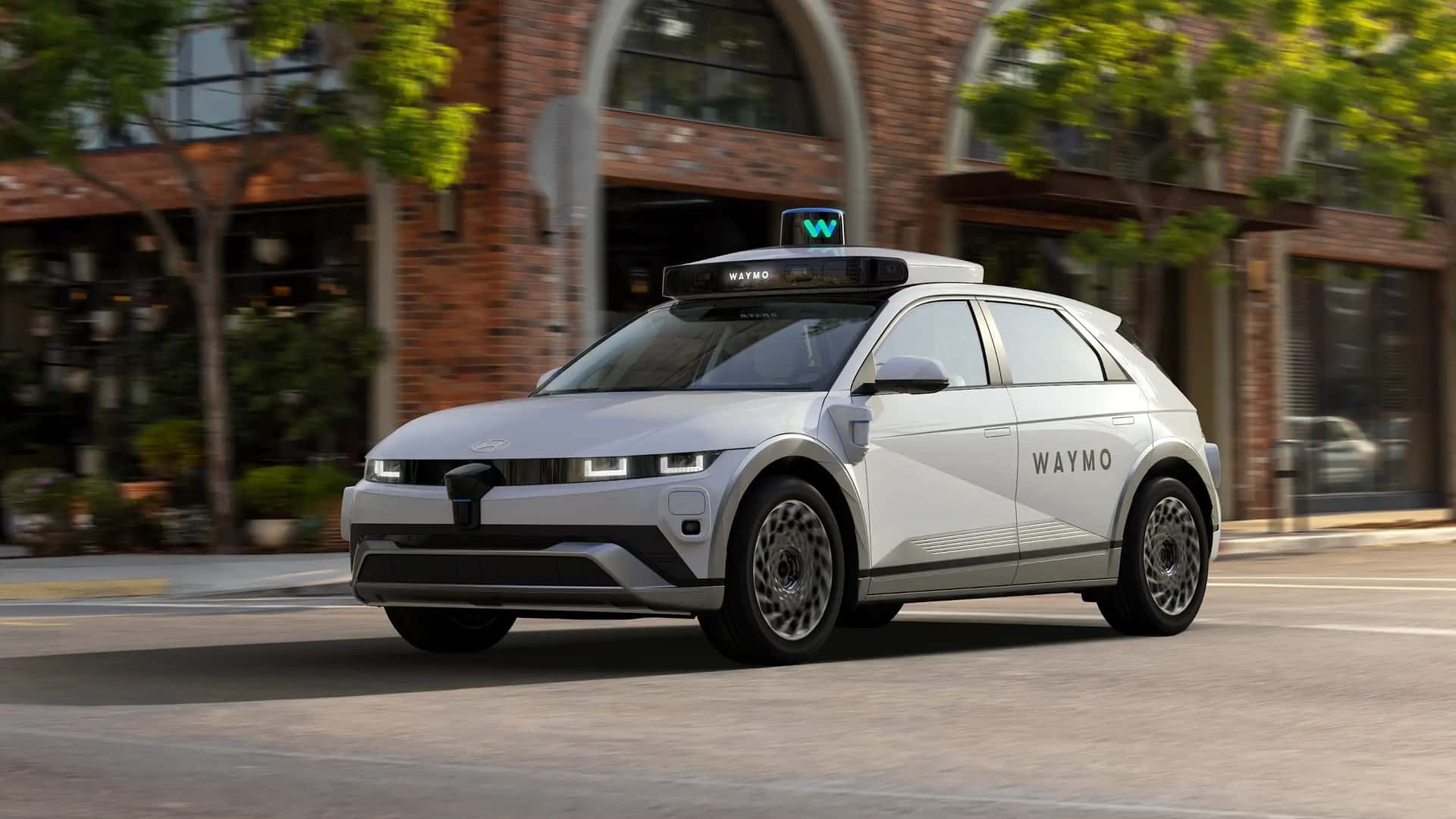
Under the terms of their agreement, Hyundai is slated to produce tens of thousands of Ioniq 5 units specifically engineered for autonomous operation. Unlike traditional vehicles that are retrofitted with sensory suites after leaving the factory floor, these robotaxis are designed for integration from the ground up. The vehicles will feature Waymo’s sixth-generation autonomous driving hardware. This level of factory-integrated assembly represents a significant efficiency gain over current industry standards, where companies often perform complex, labor-intensive sensor installations at secondary facilities, such as Waymo’s existing operations in Arizona.
The first of these specialized, production-ready Ioniq 5s are expected to reach Waymo in the fourth quarter. This rollout is intended to scale Waymo’s current fleet, which currently encompasses approximately 4,000 vehicles operating across 14 U.S. cities, into a much larger, more robust network.
Market Context and Industry Competition
The shift toward supplying the "mobility-as-a-service" (MaaS) market is becoming a defining trend for EV manufacturers looking to hedge against retail volatility. The logic is sound: robotaxi fleets provide a consistent, large-volume buyer base that is less susceptible to the cyclical nature of consumer spending.
This trend is not unique to Hyundai. Other manufacturers are aggressively courting autonomous providers to fill their order books:
- Rivian: Has secured a high-profile deal with Uber to supply up to 50,000 R2 crossover vehicles for future fleet integration.
- Lucid Motors: Recently announced a strategic tie-up with both Uber and Nuro, committing to supply at least 35,000 Gravity SUVs and midsize vehicles. Furthermore, the company has expanded its reach into Europe through a partnership with the shared mobility platform Bolt, aiming to supply at least 25,000 vehicles for autonomous services.
- Stellantis: Has also committed to providing large volumes of its electric vehicle lineup to support Uber’s autonomous driving initiatives.
For startups like Rivian and Lucid, these partnerships are vital for achieving the scale necessary to reach profitability. For an established giant like Hyundai, the robotaxi business offers a way to keep its production lines humming at optimal capacity, ensuring that the heavy capital expenditure invested in the Georgia Metaplant continues to yield a return on investment regardless of fluctuations in retail showroom traffic.
Chronology of the Strategic Shift
The trajectory of this pivot began in early 2024, when the shift in the U.S. regulatory climate—marked by the softening of fuel-economy standards and the tightening of eligibility for EV tax credits—signaled to executives that the "retail-first" model for EVs would face significant friction.
- Q1 2024: Hyundai and Waymo announce their partnership to produce autonomous Ioniq 5s, signaling the start of a collaborative model for vehicle production.
- Mid-2024: Hyundai initiates a restructuring of its Savannah plant capacity, shifting a portion of the floor space from purely consumer-facing EVs to modular production capable of handling high-volume fleet orders.
- Late 2024: During public appearances in San Jose, CEO José Muñoz confirms that the robotaxi manufacturing segment is already operating as a profitable, standalone business unit.
- Q4 2024 (Projected): Delivery of the first non-testing, production-integrated Ioniq 5 robotaxis to Waymo.
Implications for the Future of Mobility
The implications of this shift are profound for both the automotive industry and the consumer. For the manufacturer, the transition to being an "original equipment manufacturer" (OEM) for tech firms provides a degree of insulation from the whims of the retail market. By becoming the "factory" for companies like Waymo, Hyundai captures the value of high-volume, reliable manufacturing while offloading the complexities of software development and fleet management to its partners.
For the public, this suggests a future where the transition to electric, autonomous transportation happens more rapidly in urban environments than it might have under a purely retail-driven model. As these robotaxi fleets scale, the reliance on personal vehicle ownership in metropolitan areas may begin to decline, potentially altering urban planning and infrastructure requirements.
However, challenges remain. The regulatory environment for autonomous vehicles is still evolving, and safety concerns continue to be a primary focus for federal and local oversight agencies. Furthermore, the success of these partnerships depends heavily on the ability of the autonomous software to perform reliably across diverse geographic and climatic conditions. Hyundai’s role, however, is fundamentally grounded in the hardware. By perfecting the build quality, range, and longevity of these vehicles, the company is positioning itself as the indispensable foundation upon which the autonomous revolution will be built.
A New Chapter for Hyundai
As the market enters 2025, Hyundai is clearly signaling that it has no intention of retreating from the EV space, even if the retail environment remains sluggish. Instead, the company is doubling down on its infrastructure. Muñoz’s remarks in San Jose—hinting that there is "a lot of interest" from other potential customers beyond Waymo—suggest that the current partnership is merely the beginning of a broader effort to corner the market on fleet-ready autonomous hardware.
By effectively treating the robotaxi sector as a business unit, Hyundai has provided a blueprint for how legacy automakers can survive and thrive in a period of technological transition. The move is a testament to the fact that while consumer preferences are difficult to predict, the long-term trend toward automated, electric, and shared mobility appears to be inevitable. In the race to build the next generation of transportation, Hyundai is choosing to be the manufacturer that everyone else relies upon, ensuring its place in the automotive hierarchy for decades to come. Through this strategic pivot, the company is not just building cars; it is building the infrastructure of the future, proving that even in a cooling market, there is always room for those willing to adapt their strategy to meet the needs of tomorrow’s technology.