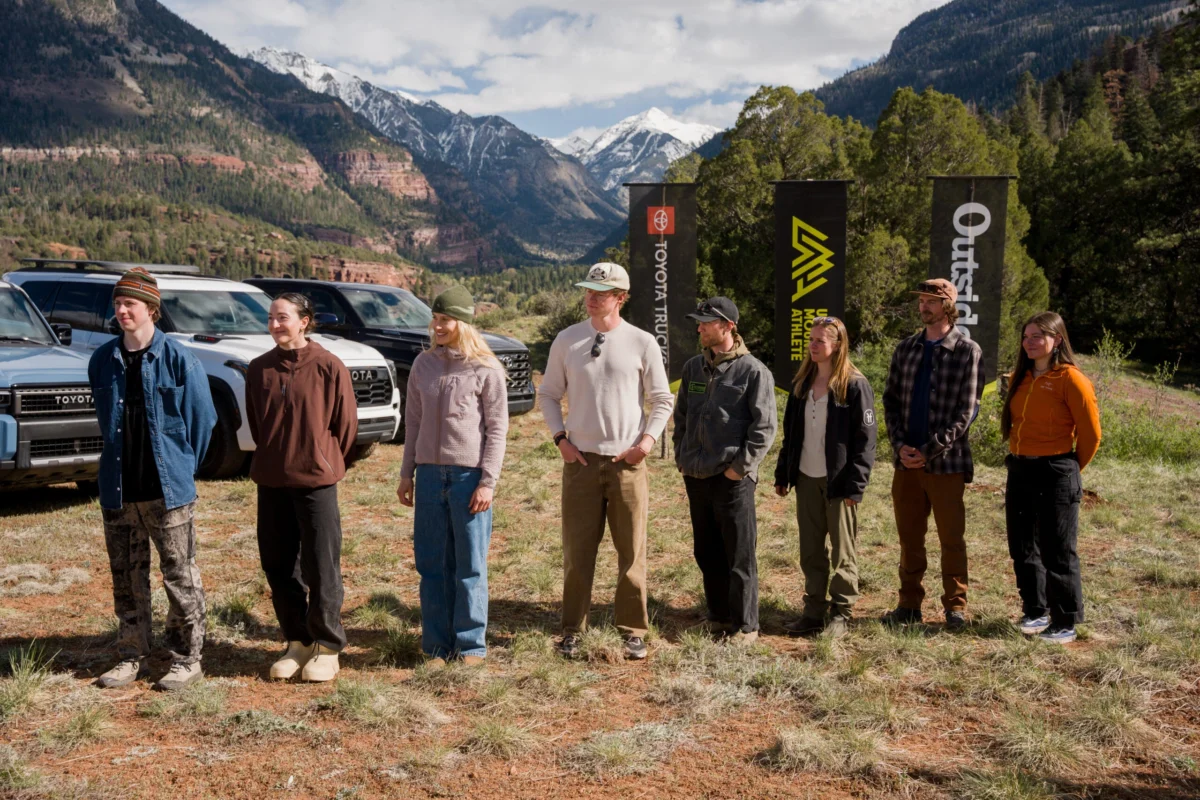
The crisp mountain air of Silverton, Colorado, vibrated with anticipation on July 21, 2026, as the final contenders of the Ultimate Mountain Athlete Season 2 prepared for their decisive runs. The stakes could not have been higher. On the unforgiving descent of Silverton Mountain’s Colorado Chute, modified into a custom-built freestyle ski course, athletes faced a stark, high-octane choice: execute a safe, controlled run, or push the boundaries of human athletic potential in pursuit of ultimate glory. This critical decision would ultimately determine who would be crowned the Season 2 Ultimate Mountain Athlete, a prestigious title bestowed upon the most versatile and resilient competitor in this grueling three-sport challenge conceived by Outside magazine in collaboration with Toyota Trucks.
The culmination of Season 2 brought together a select group of elite athletes who had navigated a demanding gauntlet of disciplines, showcasing their prowess in endurance, technical skill, and sheer willpower. The Ultimate Mountain Athlete competition, now in its second iteration, has rapidly established itself as a benchmark for defining the modern all-around outdoorsman and woman. Unlike specialized events that focus on a single sport, this competition demands a holistic approach to athleticism, testing competitors across disciplines that often require vastly different skill sets and mental fortitude. Season 1 set a high bar, but Season 2 promised to elevate the competition further, with a field of athletes who had trained meticulously for every conceivable challenge.
The journey to the Colorado Chute was a testament to the athletes’ dedication. Over the preceding weeks and months, they had battled through a series of rigorous events. While the specific details of all Season 2 challenges were not fully disclosed prior to the finale, past iterations and the competitive landscape suggest a multi-stage event likely encompassing disciplines such as backcountry skiing, high-altitude trail running, and perhaps even mountain biking or climbing. Each completed stage chipped away at the field, weeding out those who lacked the comprehensive skillset required to excel across the board. The cumulative scores from these earlier events meant that every single point gained or lost on the final freestyle ski run carried immense weight.
As the skiers ascended Silverton Mountain, the iconic Colorado Chute looming above them, a palpable tension filled the air. Each athlete carried the weight of their performance thus far, with one eye keenly fixed on the current standings and the other intensely scanning the challenging slope ahead. The custom-built course was designed to be a spectacle, incorporating a variety of features that would test not only speed but also aerial prowess, rail grinding, and overall fluidity. Judges, seasoned experts in various mountain sports, were positioned strategically, their clipboards and digital scoring devices at the ready. Their task was to meticulously evaluate each run, assigning points for both technical execution and stylistic flair, alongside the critical factor of speed.
This final evaluation was far from a simple assessment of who could ski the fastest. The "style" component of the scoring system is what truly differentiates the Ultimate Mountain Athlete. Judges looked for creativity in trick selection, the fluidity of transitions between features, and the overall expressiveness of the athlete’s performance. A perfectly executed jump with a complex rotation, a clean landing on a difficult rail, or a daring maneuver that showcased a deep understanding of the mountain and the sport could earn significant bonus points. Conversely, a fall, a bobbled landing, or a hesitant approach to a feature would result in deductions, potentially costing an athlete the title.
The strategic element of the final run was a key talking point among the athletes and their support teams. With the championship on the line, the decision between playing it safe and maximizing potential for points was a constant internal debate. A conservative run, minimizing the risk of a fall, might secure a respectable score, but it was unlikely to be enough to overtake a competitor who dared to push the envelope with more ambitious tricks. The athletes had to meticulously weigh their personal comfort level, their current standing, and the perceived strengths of their rivals. This psychological chess match, played out on the snow, added another layer of drama to an already intense competition.
Following the final runs, the focus shifted to the judges’ roundtable. This exclusive inside view, a hallmark of the Ultimate Mountain Athlete series, allowed viewers to witness the intricate process of scoring and deliberation. Here, the judges would meticulously review their notes, discuss the nuances of each performance, and debate the finer points of style and execution. The pressure on the judges was immense, as their decisions would determine the fate of the athletes and the crowning of the champions. The $20,000 prize money for each the male and female winner was a significant incentive, but the true prize, as often stated by past competitors and organizers, was the coveted title of Ultimate Mountain Athlete and the ensuing bragging rights.
The competition has become a proving ground for the next generation of outdoor athletes. Season 2, in particular, has been hailed by many as a pivotal moment in the evolution of multi-disciplinary outdoor sports. The caliber of athletes participating, the increasing complexity of the challenges, and the growing media attention all point towards a burgeoning sport that resonates with a broad audience. The partnership with Toyota Trucks, a brand synonymous with adventure and rugged capability, has provided a significant platform for the event, enhancing its reach and production value. Toyota’s commitment to supporting athletes who embody the spirit of exploration and resilience aligns perfectly with the ethos of the Ultimate Mountain Athlete competition.
"This season has truly pushed the boundaries of what we consider peak mountain athleticism," commented a spokesperson for Outside magazine, speaking anonymously about the internal assessment of Season 2’s success. "We’ve seen athletes demonstrate not only incredible physical prowess but also remarkable mental fortitude and adaptability. The freestyle ski finale is always a dramatic conclusion, but this year, the level of skill and the strategic decisions made by the athletes were particularly outstanding."
The implications of the Ultimate Mountain Athlete competition extend beyond the immediate prize and prestige. The event serves as a powerful inspiration for aspiring athletes, showcasing the rewards of a well-rounded approach to outdoor pursuits. It encourages a shift in perception, moving away from purely specialized athletic achievements towards a more holistic appreciation of outdoor competence. For the broader outdoor industry, the competition highlights the growing market for gear and experiences that cater to multi-sport enthusiasts. It also underscores the increasing importance of media platforms like Outside magazine in shaping outdoor culture and promoting aspirational athletic endeavors.
The success of Season 2 also bodes well for the future of the competition. The established format, combined with the continuous innovation in course design and challenge selection, ensures that the Ultimate Mountain Athlete will remain a premier event for years to come. The anticipation for future seasons is already building, with fans eager to see who will emerge next to define the new standard for all mountain athletes. The bar, set by the intense battles and crowning moments of Season 2, has undoubtedly been raised, promising even more thrilling spectacles and groundbreaking performances in the seasons to come. The final episode, airing soon, is expected to offer a comprehensive recap of the season and a definitive look at how the champions were forged.