The release of Home Assistant 2026.9 marks a significant milestone for the open-source home automation ecosystem, introducing crucial under-the-hood modernization, enhanced user interface control panels, and advanced privacy-focused voice processing capabilities. Coinciding with the Open Home Foundation’s presence at the IFA Berlin consumer electronics exhibition from September 4 to September 8, 2026, this latest update continues the platform’s broader mission to make complex smart home hardware natively accessible to everyday consumers without sacrificing data privacy.
Modernizing Modbus Connectivity for Industrial and Energy Hardware
Historically, Modbus protocol integration within Home Assistant presented a steep technical barrier for users. While it quietly powered essential domestic energy infrastructure—such as solar inverters, residential heat pumps, and electricity meters—interacting with these systems traditionally required manually authoring extensive register maps in YAML configuration files.
Home Assistant 2026.9 fundamentally addresses this friction by introducing a modernized approach to Modbus connections. Rather than forcing individual users to decipher low-level protocol documentation and fight over dedicated hardware ports, the platform now supports native UI-driven integrations that share a single underlying connection. The debut of this framework is showcased through updated native support for Fronius inverters via Modbus TCP (SunSpec), alongside newly added dedicated integrations for Sofar Inverter Modbus and Flexit ventilation systems. Built on top of the fully typed, modern Python library tmodbus and a standalone modbus-connection layer, this architectural shift allows granular data points—such as per-string current, voltage, power, and lifetime energy from individual MPP trackers—to be configured directly through the graphical user interface.
Cloud Voice Processing Upgrades and Accelerated Accessibility
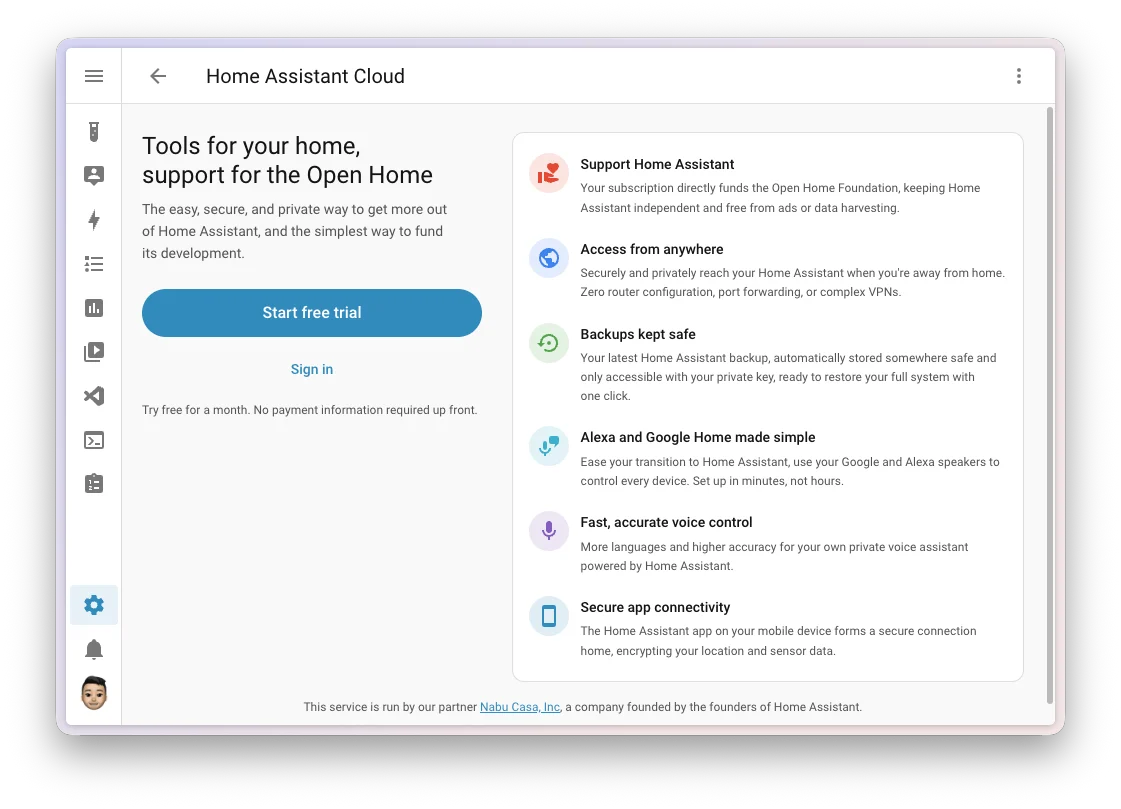
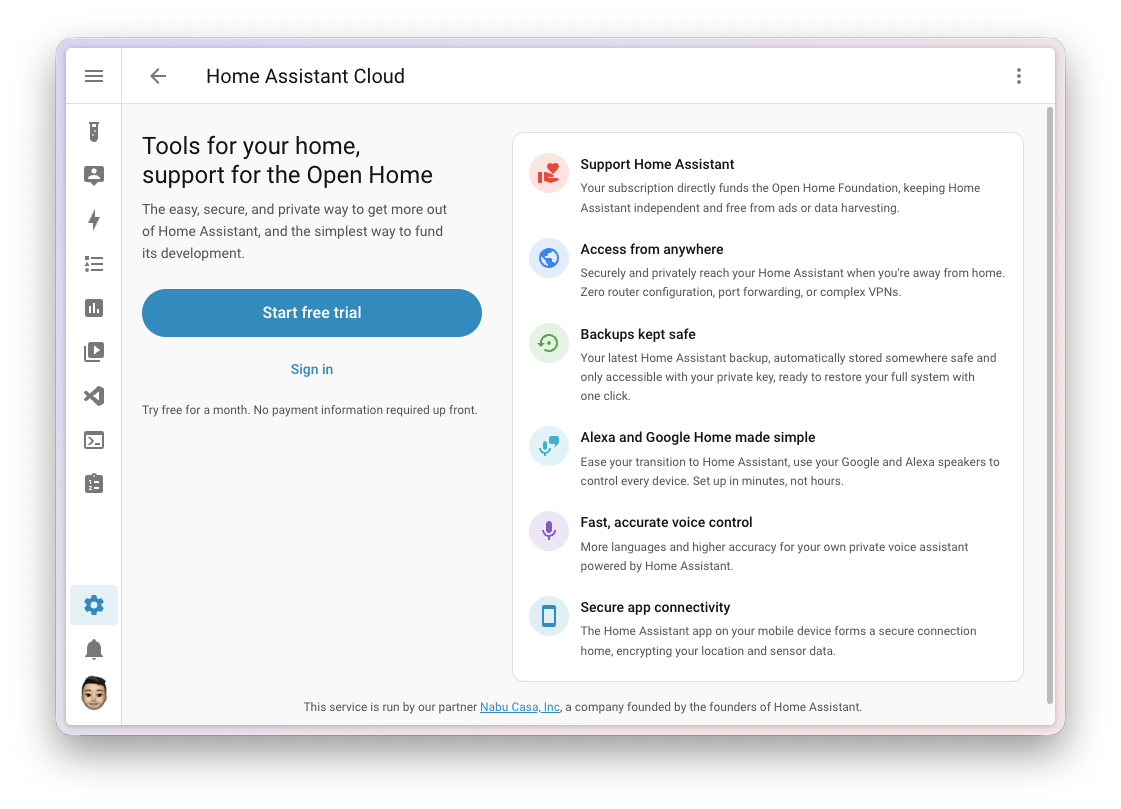
Home Assistant Cloud, operated in partnership with Nabu Casa, continues to serve as the primary financial engine funding the Open Home Foundation and its full-time core development team. The 2026.9 release introduces substantial enhancements to the subscriber experience, most notably an advanced speech-to-text engine designed in collaboration with Soniox.
Targeting historically persistent pain points in private voice automation—specifically heavy regional accents, ambient background noise, and non-English primary languages—this new processing engine is currently available for opt-in testing via the platform’s Settings Labs menu. Operating under Nabu Casa’s strict privacy guarantees that prohibit the logging, storage, or training of user audio payloads, the upgrade aims to narrow the performance gap between local open-source voice assistants and commercial cloud alternatives. Furthermore, the sign-up workflow for Home Assistant Cloud has been streamlined, featuring a transparent introductory feature overview, a 31-day trial with no upfront payment details required, and immediate session authentication upon email confirmation.
Security Dashboard Enhancements and Advanced Network Mapping
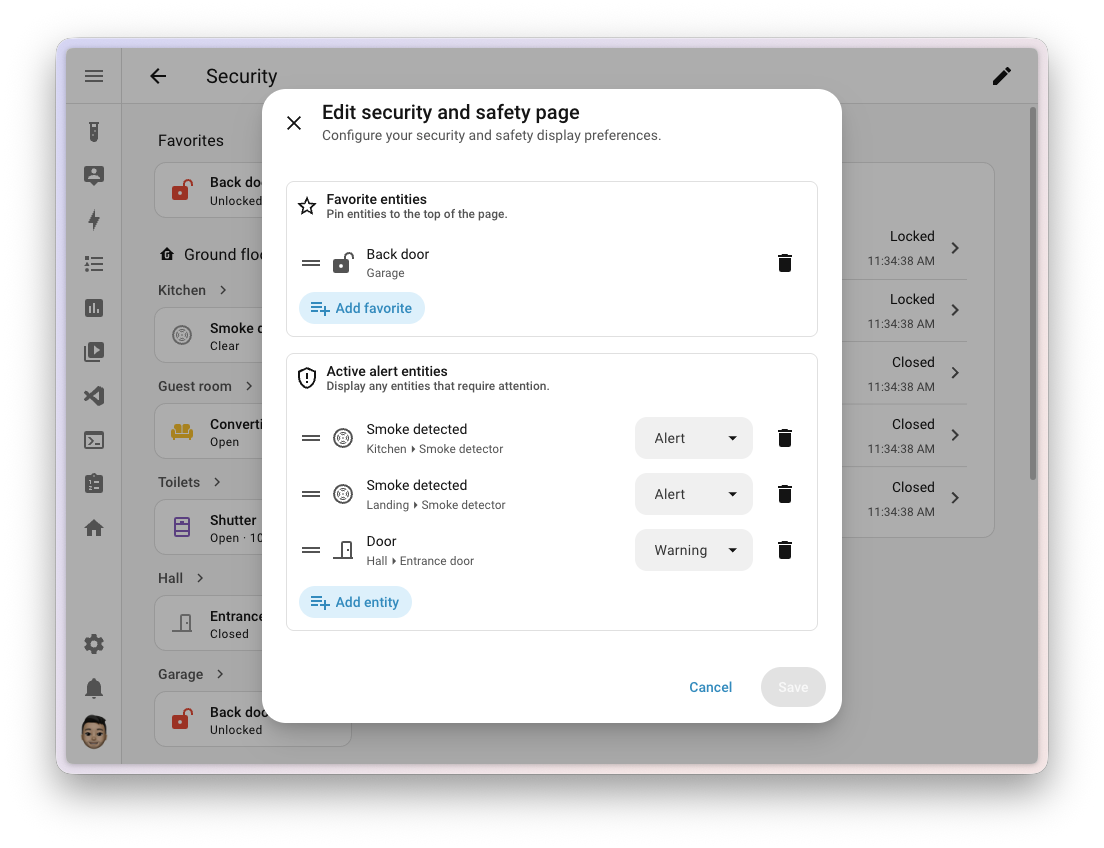
Security infrastructure within smart home environments receives a major operational boost in this update, driven largely by community-submitted design concepts. The built-in Security dashboard now features dedicated Active alerts and Favorites sections. The Active alerts widget remains hidden during normal operations, dynamically appearing only when a critical threshold is breached—such as an open exterior door or a triggered smoke detector—complete with distinct color-coded severity levels (Alert versus Warning). Concurrently, the Favorites panel allows users to pin critical locks, doors, and sensors to the top of the interface.
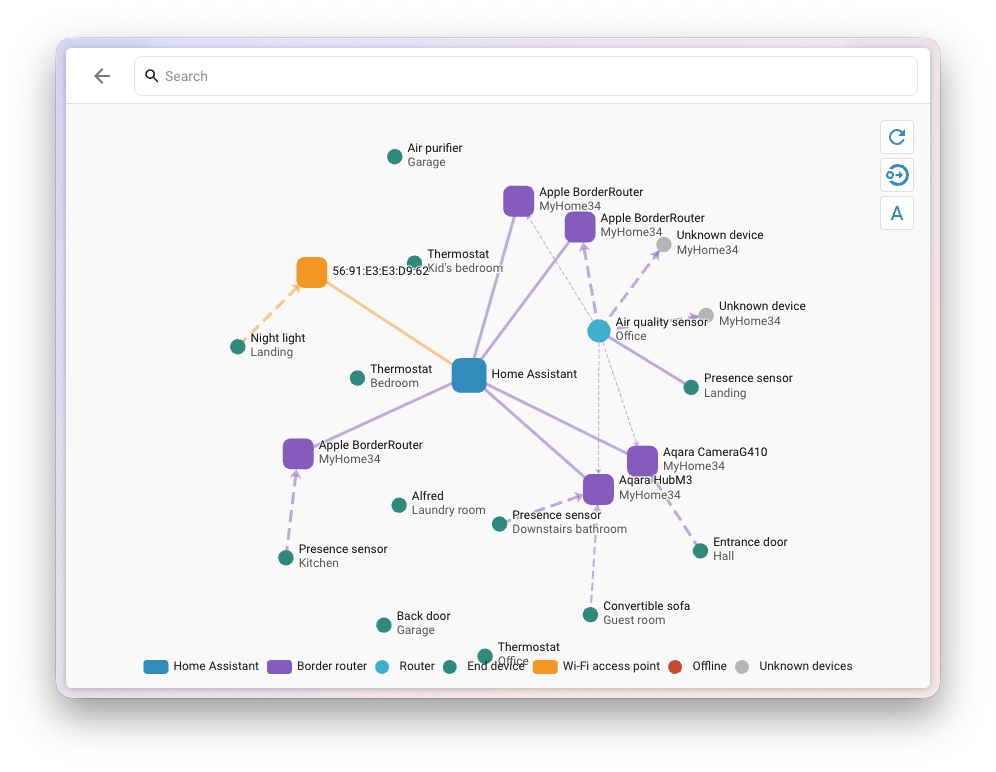
In parallel, the Matter protocol has achieved feature parity with established mesh networking protocols like Zigbee, Z-Wave, and Bluetooth. The Matter panel now includes a native network map visualization tool powered by the underlying Matter Server. Users can examine comprehensive graphical representations of their mesh topologies, distinguishing between Thread border routers, Wi-Fi access points, and battery-powered end devices, complete with real-time signal strength indicators and recognizable network hostnames.
Unified History and Activity Tracking with Diagnostic Diagnostics
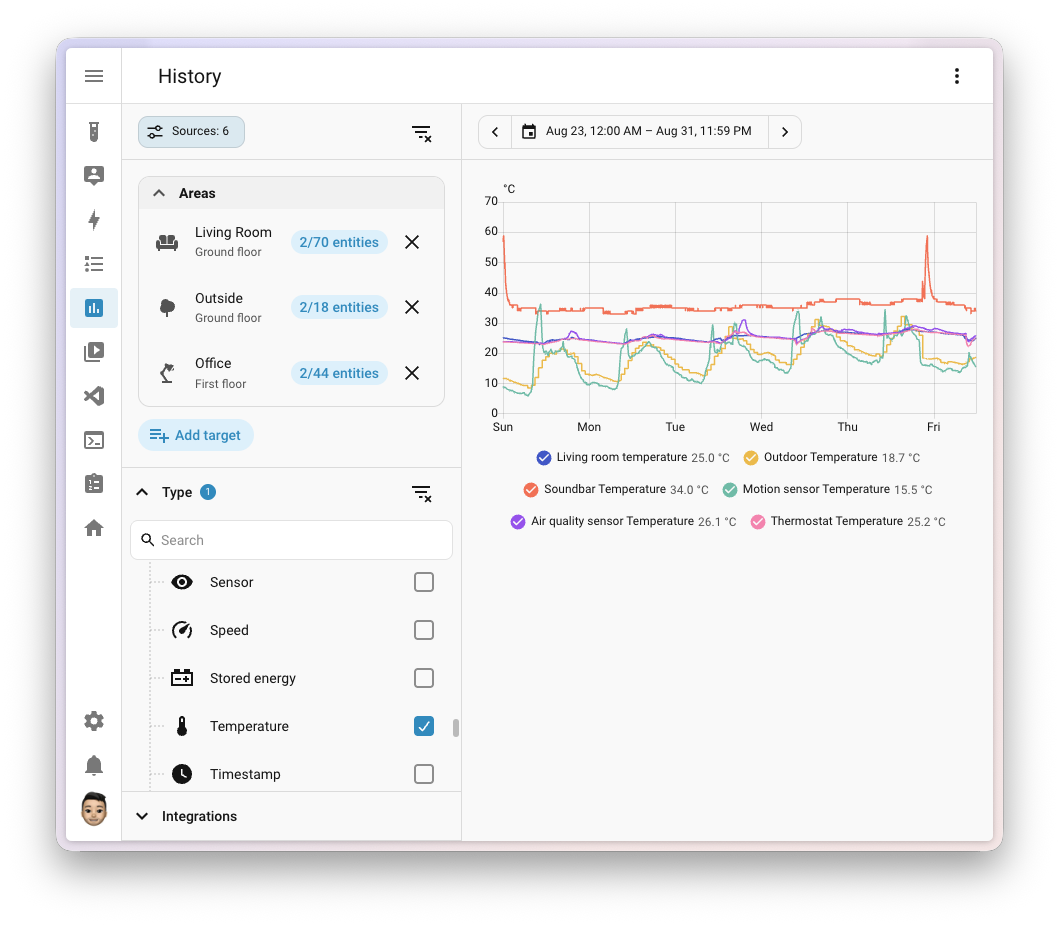
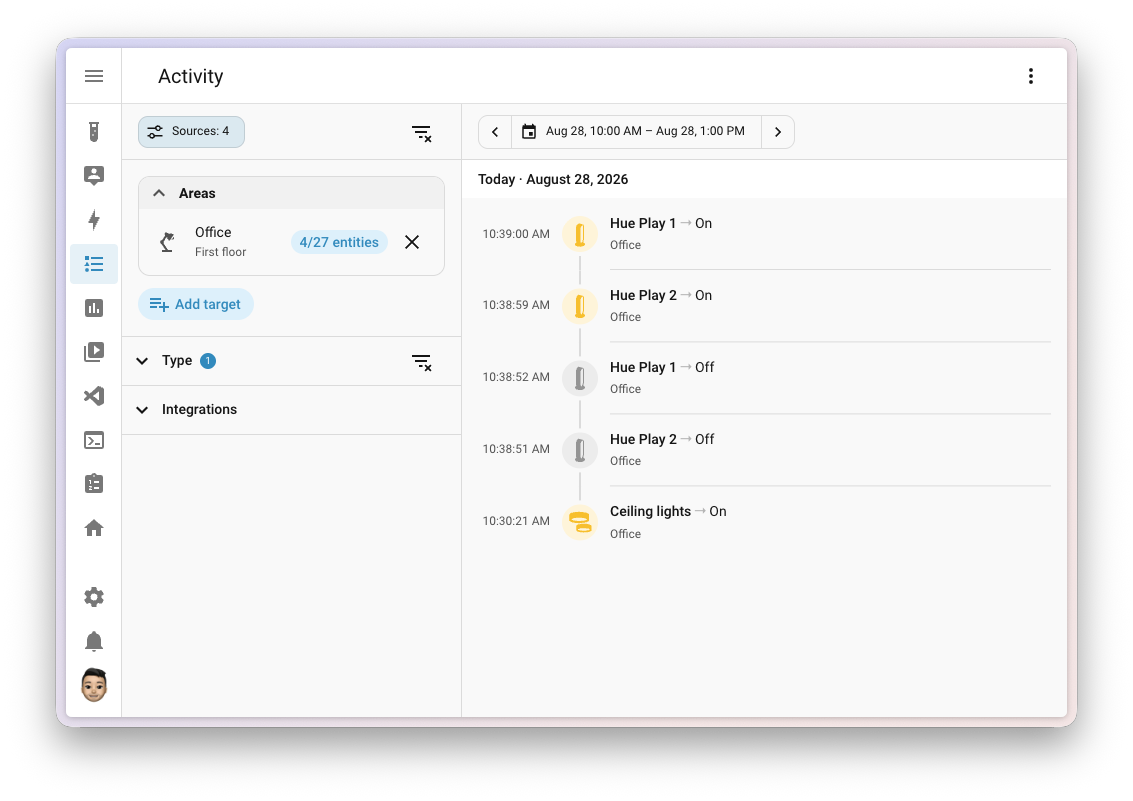
Navigating historical data and event logs has been overhauled through the introduction of a shared Sources panel across both the History and Activity pages. This unified left-hand sidebar combines multi-target selection—spanning floors, areas, devices, and individual entities—with robust filtering parameters based on domains, device classes, and integrations.
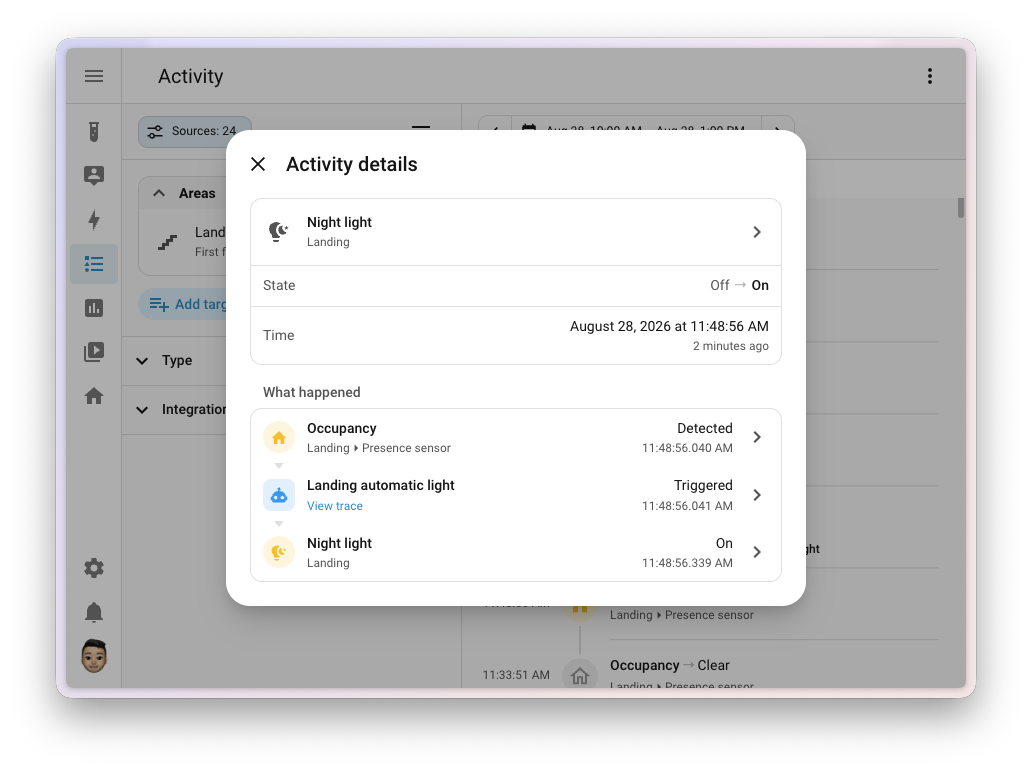
Moreover, the Activity log has evolved from simply recording what changed to explaining precisely why a state transition occurred. Selecting any event row now opens a comprehensive chronological dialogue detailing the triggering source—whether initiated by a human user, a timed schedule, an automated routine, or a system restart. Every intermediary step within the automation or script execution chain is fully interactive, featuring millisecond-precision timestamps that maintain strict event ordering.
Accessibility, Hardware Diagnostics, and Storage Monitoring
Demonstrating a continued commitment to universal design, Home Assistant 2026.9 introduces comprehensive accessibility features for charts and data graphs. Line and bar charts are now fully navigable via keyboard commands, while screen readers dynamically announce exact temporal and numerical values point-by-point. Uniquely, the interface generates a synthesized audio tone corresponding to data fluctuations as users navigate the chart, allowing individuals to audibly perceive historical performance trends.
Hardware diagnostics have similarly been expanded with the introduction of a dedicated Serial connectivity panel under system settings. This dashboard categorizes USB dongles and serial hardware into active integrations, connected idle ports, and missing hardware. Storage management tools have also been updated to monitor network-attached storage (NAS) shares, displaying real-time capacity usage bars that visually transition from standard metrics to amber and red warning states as available volume drops below 15% and 5% respectively.
Breaking Changes and Developer Migration Paths
As with all major software iterations, Home Assistant 2026.9 implements necessary architectural changes that may require configuration updates for advanced users. Notable backward-incompatible updates include:
- Flexit Nordic (BACnet): The deprecated fireplace mode switch entity has been removed in favor of standard
climate.set_preset_modeactions. - KNX: Expose entities no longer automatically transmit initial values to the KNX bus upon startup unless explicitly configured via the initialization setting.
- LLM APIs: Large Language Model tool names are now strictly prefixed with their originating integration domain (e.g.,
homeassistant__GetLiveContext). - Update and Z-Wave Entities: Administrative-level tasks, such as installing or skipping software updates and managing lock user credentials, now strictly require an authenticated administrator user account context.
The release cycle will be supported throughout September 2026 by weekly patch releases focusing exclusively on bug fixes and system stability. Detailed documentation, developer migration guides, and community support channels remain available via the official Home Assistant website and GitHub repository.