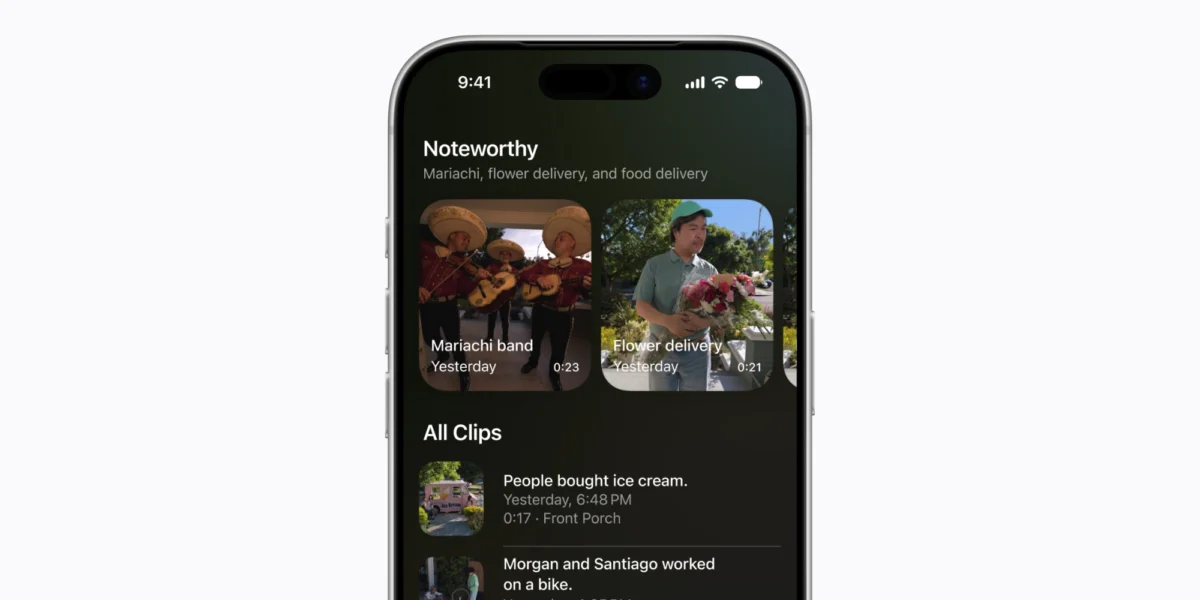
Apple’s upcoming iOS 27 release is set to fundamentally transform the user experience within the Home app, signaling a significant shift in the company’s smart home strategy. As rumors intensify regarding the launch of several new Home-centric hardware products later this year, including a highly anticipated first-party home security camera, the software enhancements in iOS 27 provide a clear roadmap for Apple’s vision of a more intelligent, responsive, and high-definition domestic ecosystem. The update introduces deep integration with Apple Intelligence, the company’s proprietary artificial intelligence framework, to solve long-standing pain points in smart home management, specifically regarding notification fatigue and video clarity.
The High-Definition Leap: 4K Support for HomeKit Secure Video
For years, users of HomeKit Secure Video (HSV) have been limited to a maximum resolution of 1080p. While sufficient for basic monitoring, this resolution often fell short when users needed to discern fine details, such as license plate numbers or distant facial features. In iOS 27, Apple has officially broken this ceiling, announcing that supported HomeKit Secure Video cameras can now stream and record in 4K resolution.

This move is not merely a cosmetic upgrade but a technical necessity to keep pace with modern hardware. The industry has seen a surge in 4K-capable smart cameras from competitors like Arlo and Nest, but Apple’s strict end-to-end encryption requirements previously made the bandwidth and processing power required for 4K HSV a challenge. By optimizing the Home Hub—typically an Apple TV or HomePod—to handle the heavy lifting of encrypting and uploading 4K streams to iCloud+, Apple is finally bringing its security-focused video platform into the ultra-high-definition era.
Industry analysts suggest that this upgrade is a precursor to Apple’s own rumored security camera, which is expected to feature a high-performance image sensor capable of native 4K capture. This synergy between software and hardware aims to provide a seamless, high-fidelity experience that justifies the premium cost of iCloud+ subscriptions.
Apple Intelligence and the End of Notification Fatigue
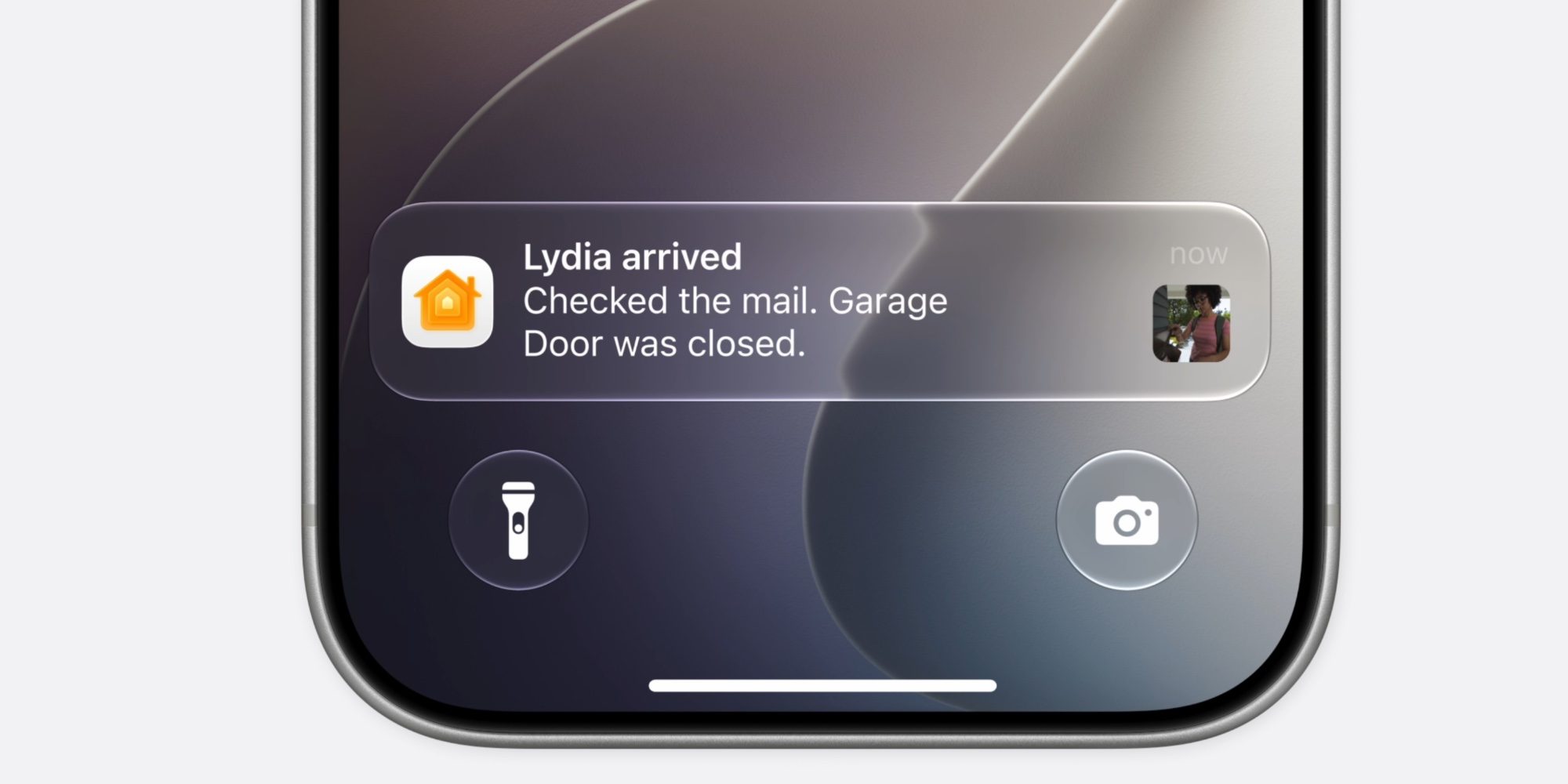
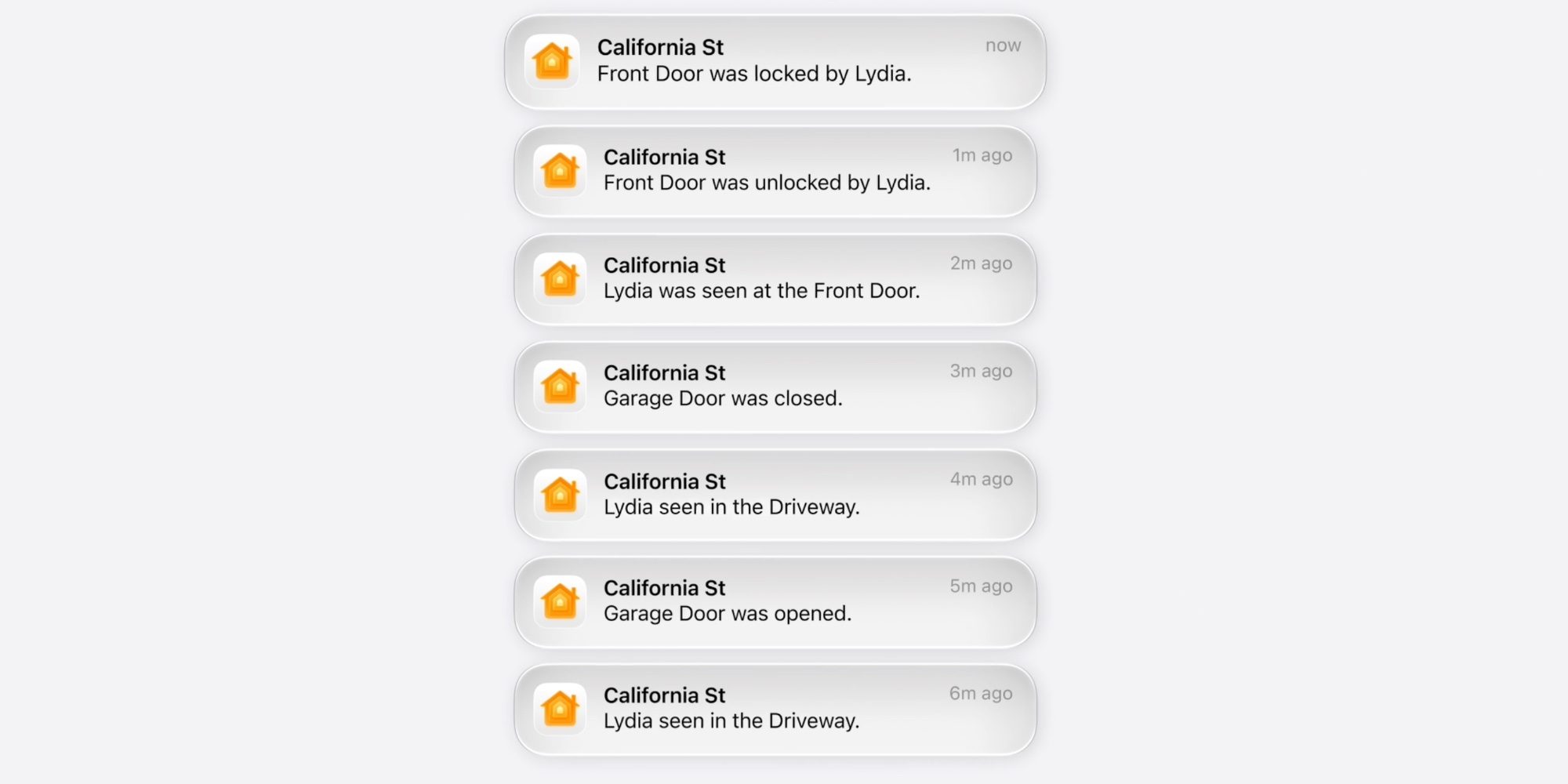
One of the most significant hurdles in smart home adoption has been "notification spam"—the constant barrage of alerts for every minor movement or state change. iOS 27 addresses this through a new Apple Intelligence-powered feature called "Reduce Notifications." This system uses on-device machine learning to understand the context of various activities and consolidate them into a single, real-time updating alert.
Rather than receiving five separate notifications—"Motion detected at front door," "Person identified: Lydia," "Front door unlocked," "Mailbox opened," and "Garage door closed"—the Home app will now generate a single dynamic notification. This notification updates as the event unfolds, reading something like: "Lydia arrived, checked the mail, and closed the garage door."
This level of semantic understanding is made possible by the Neural Engine found in modern iPhones and Home Hubs. By processing these events locally, Apple ensures that the details of a user’s daily routine remain private and are never uploaded to a central server in an unencrypted format. This "Activity Consolidation" represents a major step forward in making the smart home feel less like a series of disconnected sensors and more like a cohesive, intelligent environment.
Advanced Search and Summarization Capabilities
The integration of Apple Intelligence extends deep into the video archives of the Home app. iOS 27 introduces three specific AI-driven upgrades for HomeKit Secure Video:
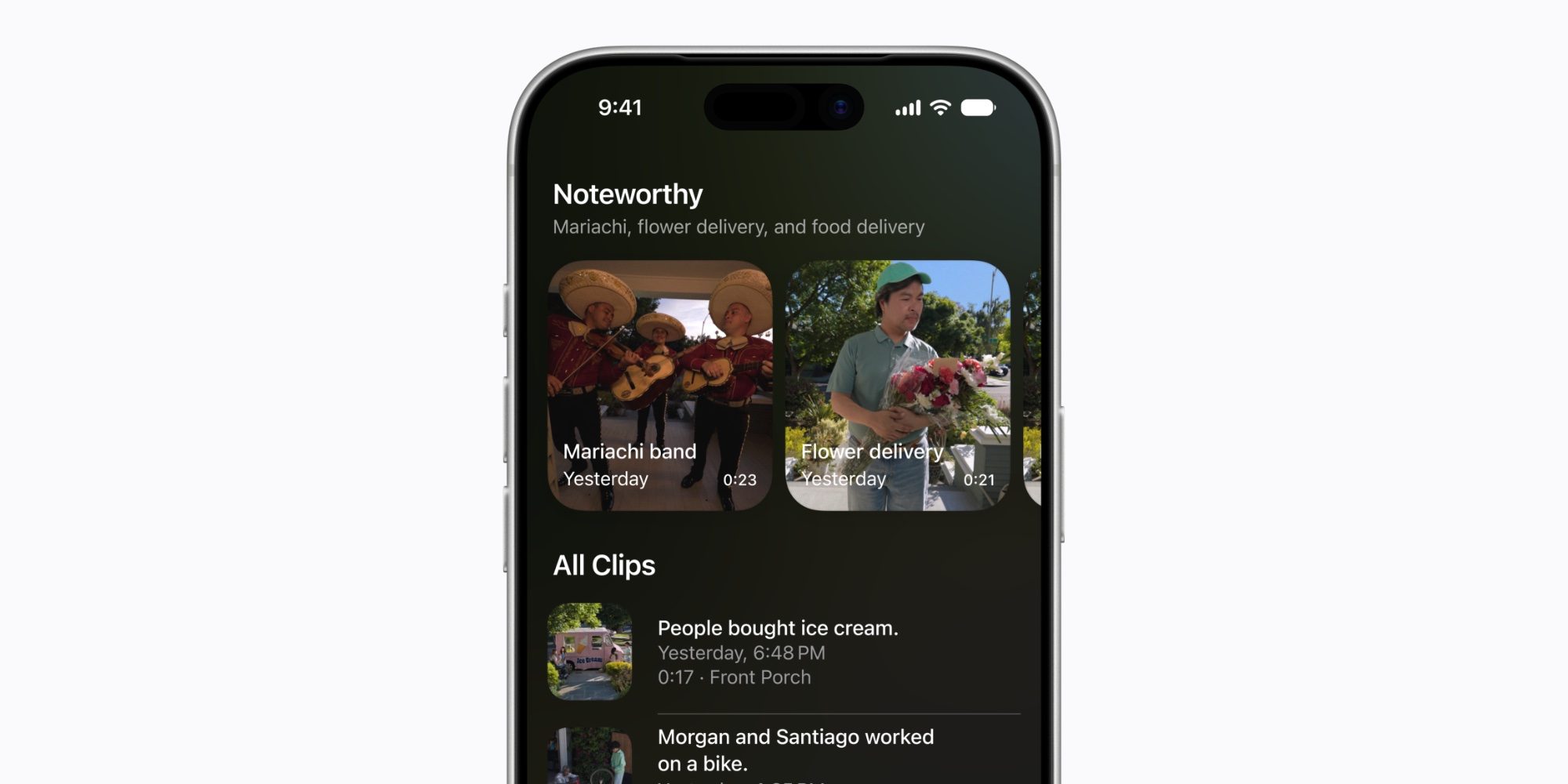
- Natural Language Video Search: Users can now search their recorded history using descriptive phrases. Instead of scrolling through hours of footage, a user can type "Find the delivery truck from Tuesday morning" or "Show me when the dog was in the backyard." The AI indexes the video metadata locally, allowing for near-instant retrieval of specific moments.
- Activity Summaries: For users who have been away from their homes for extended periods, the Home app can now generate a concise summary of the day’s events. This summary highlights significant interactions, such as visitors or unusual activity, while filtering out routine movements like swaying trees or passing cars.
- Enhanced Object Recognition: While HSV has long supported basic person, pet, and vehicle detection, iOS 27 expands this to include a wider array of specific objects and behaviors. This allows for more granular automation, such as turning on porch lights only when a "package delivery" is detected, rather than for every person who walks by.
A Decade of Evolution: The Journey to iOS 27
To understand the magnitude of the iOS 27 update, one must look at the chronology of Apple’s HomeKit ecosystem. Launched in 2014, HomeKit was initially a developer framework without a dedicated user-facing app. It wasn’t until 2016, with iOS 10, that the "Home" app was introduced, providing a centralized interface for controlling accessories.
The introduction of HomeKit Secure Video in 2019 marked Apple’s entry into the security space, emphasizing privacy-centric cloud storage. The subsequent adoption of the "Matter" standard in 2022 was a pivotal moment, as it allowed Apple to interoperate with a broader range of third-party devices. Now, in the iOS 27 era, the focus has shifted from mere connectivity to "Intentional Intelligence." The platform is no longer just a remote control for lights and locks; it is an analytical engine that anticipates user needs and simplifies the management of an increasingly complex digital household.
Market Context and Competitive Analysis
Apple’s renewed focus on the Home app comes at a time of intense competition in the smart home sector. According to market data, the global smart home market is projected to exceed $230 billion by 2028. Competitors like Amazon (Ring/Blink) and Google (Nest) have long dominated the camera market, often leveraging cloud-based AI to provide advanced features.
However, Apple’s differentiator remains its "Privacy First" architecture. While competitors often process video in the cloud to provide AI features, Apple’s reliance on the local Neural Engine for video analysis in iOS 27 appeals to a growing demographic of privacy-conscious consumers. The addition of 4K support removes one of the few remaining technical advantages held by third-party ecosystems, potentially triggering a migration of users toward a fully integrated Apple Home setup.
Technical Implications and Infrastructure Requirements
The move to 4K and AI-driven notifications places significant demands on a home’s network infrastructure. Streaming 4K video requires substantial upload bandwidth, typically 15-25 Mbps per camera for optimal quality. To mitigate network congestion, Apple is expected to leverage the latest Wi-Fi standards (Wi-Fi 6E and Wi-Fi 7) in its upcoming hardware, ensuring that high-resolution streams do not interfere with other domestic internet usage.
Furthermore, the "Reduce Notifications" feature requires a robust Home Hub. Older Apple TV models or original HomePods may struggle with the real-time processing of multiple 4K streams and AI summarization. As a result, iOS 27 may see some of these advanced features restricted to newer hardware iterations, such as the Apple TV 4K (3rd generation and later) or the latest HomePod models, which possess the necessary computational overhead.
Broader Impact on the Smart Home Industry
The implications of iOS 27 extend beyond the Apple ecosystem. By setting a high bar for privacy-preserving AI and high-resolution video, Apple is forcing the rest of the industry to reconsider their data-handling practices. If Apple can successfully deliver 4K secure video and intelligent notifications without compromising its encryption standards, it will debunk the industry myth that advanced AI requires the sacrifice of user privacy.
Moreover, the rumored "15 new products" slated for release alongside iOS 27 suggest that Apple is moving toward a "Full Stack" home experience. By controlling the hardware (cameras, sensors, hubs) and the software (iOS 27, Apple Intelligence), the company can ensure a level of stability and ease of use that has historically eluded the fragmented smart home market.
Conclusion: A New Standard for the Connected Home
iOS 27 represents a coming-of-age for the Home app. By addressing the two most frequent complaints—video quality and notification overload—Apple is positioning the iPhone as an indispensable tool for home security and management. The integration of Apple Intelligence marks the transition from the "Smart Home" to the "Cognitive Home," where the system understands the nuances of human activity rather than just reacting to binary sensor triggers.

As the fall release window approaches, the tech industry will be watching closely to see how these software features pair with Apple’s new hardware. For the end-user, the promise is clear: a home that is easier to monitor, more respectful of their time, and uncompromising in its commitment to visual detail and personal privacy. iOS 27 is not just an update; it is a declaration of intent for the next decade of domestic technology.