The landscape of digital card games is currently undergoing a significant evolution, moving away from standard turn-based arithmetic toward spatial and mechanical synergy. Stack Order, the latest title from Panflip Studio, represents this shift by introducing a multi-layered combat system that prioritizes the sequence of play over the raw power of individual cards. By combining a distinct "bande dessinée" art style with a rigid, field-based deployment mechanic, the developer aims to carve a niche in a market saturated by giants like Slay the Spire and Balatro.
The Core Mechanics of Tactical Layering
At its foundation, Stack Order moves the focus of the genre from the hand to the "casting zone." Unlike traditional deckbuilders where players draw cards to play them immediately, Stack Order requires users to allocate cards into specific fields categorized by function: defense, offense, and ability. This mechanical departure forces players to anticipate enemy intentions, which are clearly telegraphed in advance.
The game’s strategic depth is derived from the "stacking" mechanic. When a player commits to a field, they must resolve all cards contained within that stack simultaneously. This creates a high-stakes economy of actions. If a player opts to prioritize defense to mitigate an incoming flurry of damage, they effectively forfeit their ability to strike back during that turn. Conversely, an aggressive stack maximizes damage output but leaves the player vulnerable to counter-attacks.
The complexity is further increased by internal card interactions. Specific cards are designed to scale based on their position in the queue. For instance, an offensive card might gain cumulative damage bonuses for every card that preceded it in the stack. This necessitates a proactive planning phase, where players can "prime" their stacks over multiple turns without necessarily resolving them immediately, turning the battlefield into a complex puzzle of resource management and predictive timing.
Aesthetic Direction and Artistic Influence
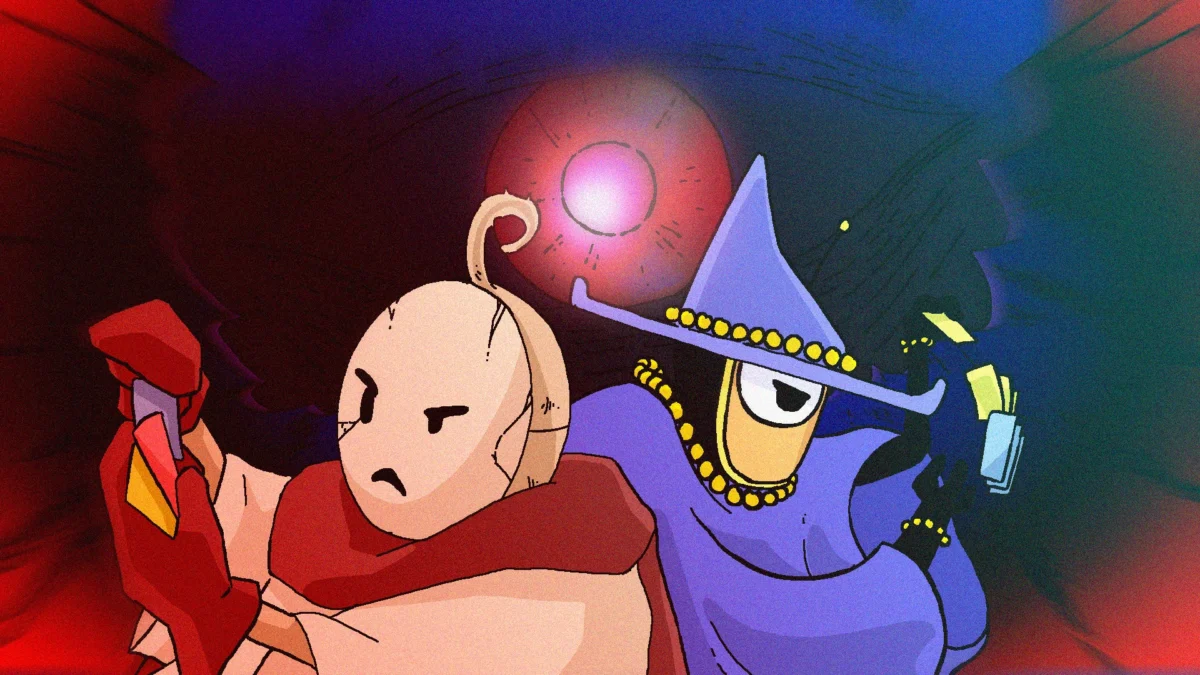
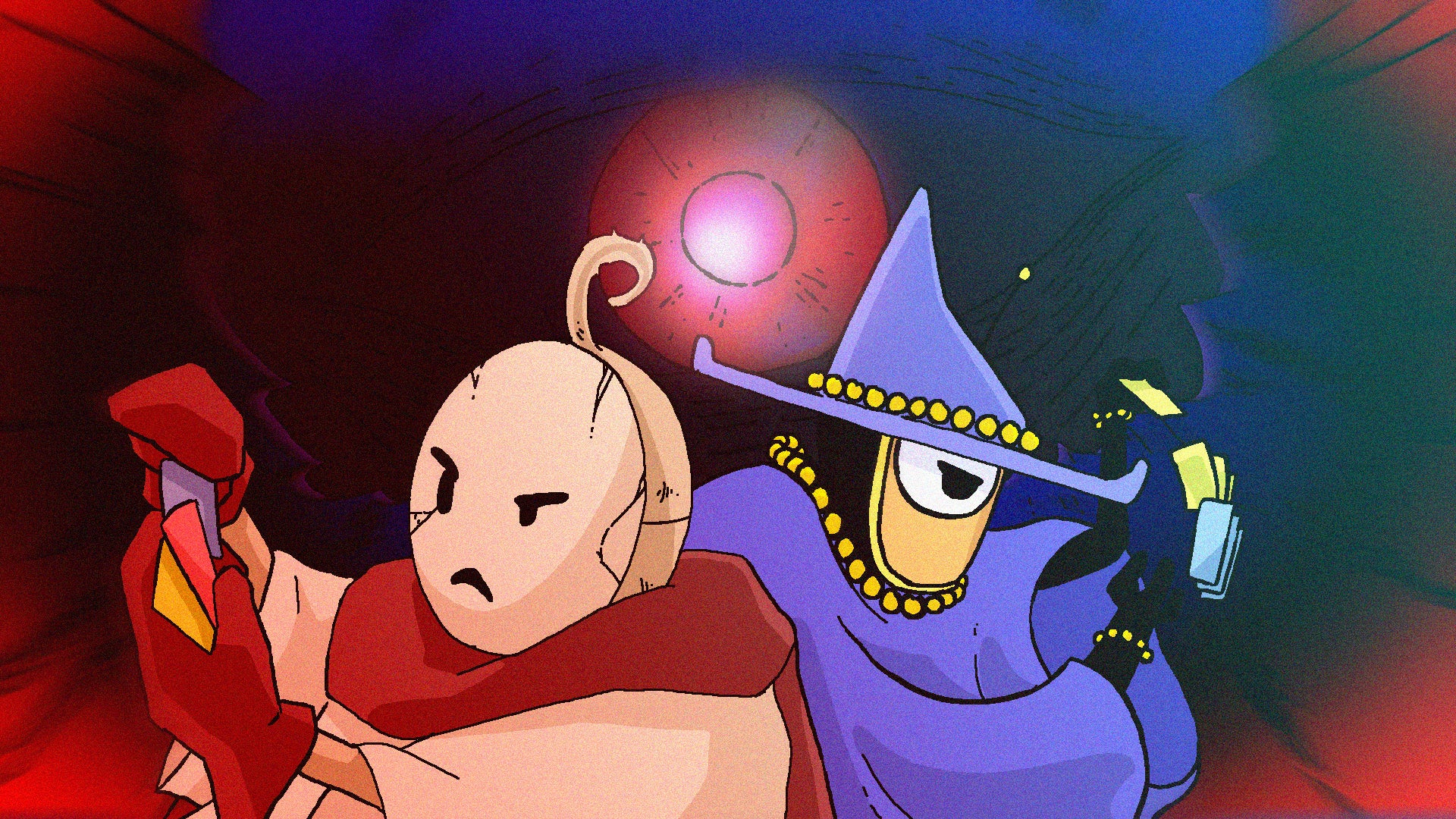
The visual identity of Stack Order is arguably its most striking feature. In a genre often dominated by generic high-fantasy aesthetics or minimalist UI, Panflip Studio has adopted a bold, hand-drawn look reminiscent of European graphic novels. The line work is deliberately heavy and expressive, eschewing realism for a stylized whimsy that draws comparisons to animation styles seen in modern television and indie prestige projects.
Critics and early observers have noted that the animation quality—specifically the fluidity of the battle sequences—transcends the typical "static card" presentation of the genre. These animations are designed to provide immediate visual feedback on the success or failure of a stack, grounding the abstract act of playing cards in a tangible, rhythmic flow of combat. This stylistic choice is not merely cosmetic; it serves a functional purpose by helping players track the rapid, multi-part resolutions of their complex stacks.
Market Context and the Roguelike Boom
The deckbuilding roguelike genre has experienced an unprecedented surge in popularity over the last five years. Following the monumental success of Slay the Spire in 2017, the genre transitioned from a niche hobbyist category to a cornerstone of the indie gaming industry. Data from industry tracking services suggest that the "rogue-lite" tag remains one of the most highly searched and purchased categories on digital storefronts like Steam.
The rise of titles like Monster Train, Inscryption, and Balatro has demonstrated that players are increasingly looking for "hook-based" gameplay—mechanics that fundamentally alter how cards interact with the game state. Panflip Studio’s decision to focus on the spatial arrangement of the play area mirrors a broader trend of "board-ification," where developers are treating the screen as a physical workspace rather than a simple menu.
Development Timeline and Community Engagement
The project, which has been in active development for the past several years, reached a significant milestone with the recent release of its playable demo on Steam. This release serves as a critical phase in the studio’s development cycle, allowing for real-world stress testing of the balance between offensive and defensive stack logic.
- Initial Concept Phase: Early internal prototyping focused on the physics of card interaction and the limitations of the field-based system.
- Artistic Overhaul: During the middle of the development cycle, the team transitioned to the current graphic novel aesthetic to differentiate the title from competitor projects.
- Public Beta/Demo Release: The current phase is focused on gathering telemetry data from players, specifically looking at which "stacking" archetypes players favor and identifying potential balancing issues regarding card synergy.
- Future Roadmap: Panflip Studio has indicated that the game will continue to expand through the addition of new card pools and character archetypes, which are essential for the longevity of a roguelike structure.
Broader Implications for Indie Game Design
The emergence of Stack Order highlights a shift toward high-fidelity art styles in indie development. Historically, indie card games often relied on static, simple assets to keep development costs low. However, as the audience for these games grows, developers are increasingly investing in proprietary art styles to stand out. The "hip and trendy" aesthetic described in early reviews is a calculated move to secure a unique brand identity in a crowded market.
Furthermore, the game’s focus on long-term strategy—where a player must decide whether to play a stack now or wait to add more cards—addresses a common criticism of deckbuilders: that they are often too reactive. By forcing the player to plan two or three turns ahead, Stack Order leans closer to strategy games like Into the Breach than to traditional RNG-heavy card battlers.
Industry Response and Future Outlook
While formal reviews are currently limited to early-access previews and demo impressions, the sentiment within the enthusiast community has been largely positive. Industry analysts point to the game’s "pick-up-and-play" accessibility combined with its high skill ceiling as the primary drivers for its potential success.
If Panflip Studio can maintain the balance between the complexity of the stacking system and the readability of the user interface, Stack Order is well-positioned to become a notable entry in the 2024–2025 indie catalog. The challenge, as with all roguelikes, will be the "content treadmill"—ensuring that the variety of cards and enemy encounters remains engaging after dozens of play-throughs.
For now, the game stands as a testament to the effectiveness of blending classic game design tropes with innovative, genre-bending mechanics. Whether it will join the ranks of the genre’s titans remains to be seen, but the clear, deliberate design philosophy suggests that the developers have a firm grasp on the core elements required for a successful strategic experience. Potential players are encouraged to engage with the available demo to provide the feedback necessary for the final polish phase of the game’s production. As the industry continues to reward games that offer deep, tactile, and visually distinct experiences, Stack Order appears to be a title that prioritizes substance just as much as its impressive, hand-drawn form.