Mastering the art of bird photography presents a unique and deeply rewarding challenge for photographers of all experience levels. This comprehensive guide delves into the essential elements that define this captivating photographic genre, offering expert insights designed to elevate your ability to capture the intricate beauty of avian subjects. From the meticulous selection of photographic equipment and the strategic fine-tuning of camera settings to the nuanced mastery of composition and the strategic utilization of natural light, this article serves as a definitive resource for both seasoned professionals and enthusiastic beginners aiming to immortalize feathered friends in breathtaking detail.
The Essential Toolkit: Cameras and Lenses for Bird Photography
Embarking on the journey of bird photography necessitates a deliberate approach to gear selection. The cornerstone of any successful bird photography setup is a high-quality telephoto lens. Experts generally recommend a minimum focal length of 70-200mm to achieve adequate reach for most avian subjects. For those seeking even greater magnification, lenses such as Tamron’s 70-300mm f/4.5-6.3 variable aperture lens have proven to be exceptionally capable, offering a fantastic balance of reach and image quality. Another notable option explored is a prime lens, exemplified by the Canon RF 600mm f/11, which provides immense reach with a fixed aperture. Regardless of the specific make or model, the overarching requirement is a long lens to maintain a respectful and effective distance from the often-wary birds.
Fixed Focal Length Versus Zoom Lenses: A Strategic Choice
The decision between a fixed focal length lens and a zoom lens for bird photography hinges on a photographer’s priorities. Fixed focal length lenses, such as the aforementioned 600mm RF, offer superior reach, allowing photographers to capture distant subjects with remarkable detail. However, this extended reach often comes at the cost of compositional flexibility. In contrast, zoom lenses, like the 70-300mm, provide a broader range of focal lengths, granting significantly more compositional freedom within a given scene. While they may offer less maximum reach than their prime counterparts, their versatility allows photographers to adapt more readily to varying situations and subject distances. Ultimately, the choice depends on whether the photographer prioritizes maximum magnification or the ability to recompose shots without physically moving.

The Ideal Camera Body for Avian Subjects
When it comes to camera bodies, mirrorless cameras are increasingly becoming the preferred choice for bird photographers, largely due to their advanced autofocus systems and lighter weight compared to traditional DSLRs. Leading manufacturers like Canon, with their R5 and R6 models, Sony, and Nikon, with their Z series bodies such as the Z5 and Z6, all offer mirrorless platforms that excel in this domain. The key attributes to seek in a camera body for bird photography are robust autofocus capabilities, particularly for tracking fast-moving subjects, and superior low-light performance, which is crucial for shooting during the coveted golden hours.
Beyond the Lens and Body: Ancillary Gear Considerations
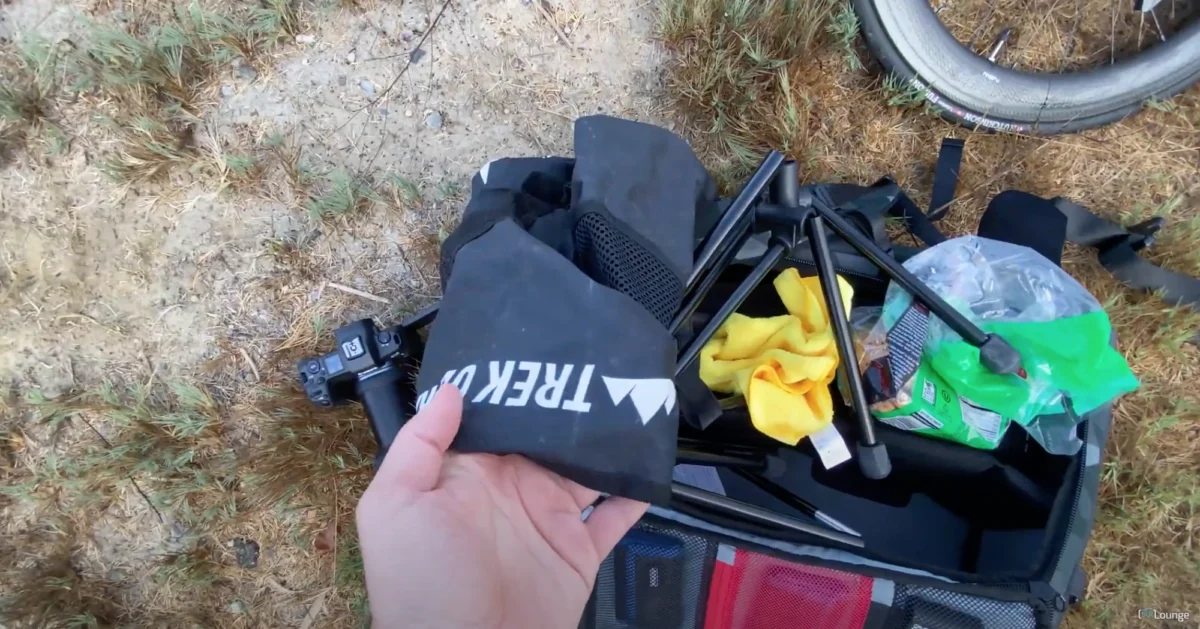
Beyond the primary camera and lens, other gear-related considerations can significantly impact the bird photography experience. The nature of a photographer’s shooting style often dictates additional equipment needs. For instance, an individual who prefers to travel light and explore on foot, perhaps by bicycle, will prioritize compact and portable equipment. In such scenarios, a single, versatile lens paired with a lightweight mirrorless body offers a minimal footprint, leaving ample space for essential items like a small camping chair. This minimalist approach not only enhances mobility but also allows for extended periods of observation and shooting without discomfort.
The Golden Hours: Optimal Timing for Bird Photography
The timing of a bird photography excursion is paramount to success. The morning golden hour is widely regarded as the most advantageous period for several compelling reasons. Firstly, avian subjects are typically at their most active during these early hours, exhibiting behaviors such as foraging and territorial displays. Secondly, the quality of light during sunrise is often characterized by its softness and warmth, rendering a pleasing, "buttery" aesthetic. While the evening golden hour also offers beautiful light, it can be compromised by atmospheric conditions, such as increased pollution, which can lend reddish and orange tones to the illumination, often resulting in less visually appealing images compared to the clarity of morning light. Furthermore, in most locations, fewer people are present during early mornings, which generally translates to a less disturbed and more abundant bird population.
The Strategic Advantage of Patience: Avoiding the Chase
A common misconception among aspiring bird photographers is the necessity of actively pursuing their subjects. However, seasoned photographers advocate for a more patient and strategic approach. The most effective method, as demonstrated by many, involves identifying areas known for bird congregations and setting up a comfortable observation point, often with a portable camping chair. By remaining still and unobtrusive, photographers create an environment where birds are more likely to approach them naturally, fostering opportunities for intimate and detailed captures without the stress and disruption associated with chasing. This passive observation allows the photographer to become part of the natural landscape, rather than an intruder.

The Crucial Focus: Capturing the Bird’s Eye
In bird photography, as in many other photographic genres, achieving sharp focus on the subject’s eye is of paramount importance. The human eye naturally gravitates towards the sharpest point in an image. When the bird’s eye is in crisp focus, it creates an immediate and profound connection with the viewer, drawing them into the scene. Conversely, a blurry or out-of-focus eye can detract significantly from the image’s impact, hindering the viewer’s ability to connect with the subject and appreciate its presence.
The Sparkle of Life: Achieving Life-Like Eyes
Similar to portrait photography, capturing a subtle highlight or "sparkle" in the bird’s eye is essential for conveying a sense of life and vitality. This small but significant detail breathes life into the photograph, making the bird appear alert and engaged. The presence of this catchlight can transform a technically sound image into an emotionally resonant one, imbuing the avian subject with a palpable sense of presence and personality.
Mastering Camera Settings for Dynamic Subjects
Photographing birds necessitates a nuanced understanding of camera settings to freeze their rapid movements and capture intricate details.
Shutter Speed: Freezing the Action
Birds are inherently fast-moving subjects, demanding a swift shutter speed to arrest their motion and prevent motion blur. Many experienced bird photographers advocate for shooting in manual mode to maintain precise control over exposure settings. A common "sweet spot" for shutter speed in bird photography is around 1/2000th of a second. This speed is sufficiently fast to freeze most avian actions with minimal residual motion blur, while still allowing for a reasonable amount of light to enter the sensor. While shutter speeds as high as 1/8000th of a second can be employed, they significantly reduce the amount of light, often necessitating higher ISO values, which can introduce noise. Therefore, 1/2000th of a second offers an optimal balance between capturing detail and maintaining adequate exposure.

Aperture: Balancing Depth of Field and Light
The choice of aperture in bird photography is largely dictated by the lens being used. It is generally advisable to shoot with the widest aperture the lens allows, often referred to as "wide open." For variable aperture zoom lenses, such as the Tamron 70-300mm, the maximum aperture will change depending on the focal length in use. For prime lenses with a fixed aperture, like the Canon 600mm f/11, photographers will shoot wide open and adjust ISO to achieve proper exposure. Utilizing a wider aperture helps to isolate the subject from the background, creating a pleasing bokeh effect, and also allows more light to enter the camera, which is beneficial in lower light conditions.
ISO: Managing Sensitivity and Noise
The ISO setting plays a critical role in achieving correct exposure, especially in conjunction with shutter speed and aperture. When shooting with a fast shutter speed like 1/2000th of a second and a relatively narrow aperture like f/11, even in bright daylight, ISO settings might need to be raised. For example, a camera like the Canon 600mm RF might require an ISO of 800 under such conditions. As lighting conditions diminish, such as during sunrise or sunset, the ISO may need to be further increased to 3200 or higher to achieve a balanced exposure. This highlights the advantage of using camera bodies with advanced ISO performance, which can better handle higher sensitivity settings without introducing excessive digital noise.
Anticipating Motion: Proactive Camera Adjustments
While a shutter speed of 1/2000th of a second is effective for freezing most action, there may be instances where birds are stationary or moving slowly. In such moments, photographers might consider reducing the shutter speed to 1/500th or 1/1000th of a second. However, maintaining a consistently fast shutter speed is often a strategic advantage, as birds can take flight or initiate sudden movements without warning. By keeping the shutter speed high, photographers are better prepared to capture these fleeting moments of action without needing to make rapid adjustments to their camera settings. This proactive approach is fundamental to successfully photographing dynamic avian behavior.
Adapting to Changing Light Conditions
The dynamic nature of natural light, particularly during sunrise and sunset or when clouds obscure the sun, requires photographers to remain vigilant about their exposure settings. Regularly monitoring the camera’s meter and making necessary adjustments to shutter speed, aperture, or ISO is crucial for maintaining well-exposed images.

Harnessing the Light: Direction and Quality
Shooting with the light source behind the photographer, often referred to as "shooting with the light," ensures that the subject is evenly illuminated, minimizing harsh shadows and revealing the bird’s intricate details. This directional lighting technique results in more aesthetically pleasing and visually impactful photographs, showcasing the bird in its natural splendor.
The Art of Composition: Framing the Avian Subject
Effective composition is vital for creating compelling bird photographs that draw the viewer in and tell a story.
Isolating the Subject: Creating Visual Impact
A fundamental principle of good bird photography composition is isolating the subject. This involves focusing on a single bird or a small group, ensuring that the viewer’s attention is immediately drawn to the intended subject. This isolation is often achieved through careful framing and by utilizing a shallow depth of field to blur distracting backgrounds.
Crafting the Background: The Unsung Hero
The background of a bird photograph plays a significant role in its overall success. Photographers should actively seek out shooting positions that offer clean and uncluttered backgrounds, which can enhance the subject’s prominence. Even in less-than-ideal locations, such as alongside an aqueduct or amidst natural debris, choosing a shooting angle that presents an aesthetically pleasing backdrop can dramatically improve the final image. A clean background prevents visual noise and allows the bird to stand out prominently.

The Rule of Thirds: A Timeless Guideline
The rule of thirds remains a foundational principle in bird photography composition. By placing the horizon along one of the horizontal lines or positioning the bird or its eye along one of the vertical lines, or at the intersection points of these lines, photographers can create visually balanced and aesthetically pleasing images. Adhering to these guidelines often results in compositions that feel natural and harmonious to the viewer’s eye.
Tripod Stability: Ensuring Level Horizons
When utilizing a tripod, leveling it is essential for two primary reasons. Firstly, it ensures that the horizon line in the photograph is level, preventing a tilted or skewed perspective. Secondly, a level tripod provides greater stability, especially when supporting heavy telephoto lenses. This stability is crucial for preventing accidental tipping and ensuring sharp images, particularly in windy conditions.
Achieving Eye-Level Perspective: Connecting with the Subject
Shooting at eye-level with the bird is perhaps one of the most impactful compositional techniques. When a photographer is at the same vertical level as their subject, it creates a sense of intimacy and connection, as if the viewer is sharing the bird’s world. This perspective makes it easier for the audience to relate to the subject, resulting in images that are more personal, intimate, and ultimately, more stunning.
Anticipating and Capturing Fleeting Moments
The ability to anticipate avian behavior is a skill honed through practice and keen observation. Birds are unpredictable, capable of sudden bursts of flight, intricate social interactions, and rapid takeoffs or landings.

Recognizing Behavioral Cues: The Photographer’s Edge
Developing an understanding of bird behavior, such as recognizing territorial disputes, mating rituals, or the subtle signs of impending flight, is crucial for capturing dynamic action. By observing patterns in their movements and interactions, photographers can position themselves to photograph these moments as they unfold. This predictive ability, though requiring time and experience, allows for the capture of dramatic and compelling images, such as a bird taking flight with its feathers ruffled in aggression or a group of birds taking off simultaneously. Maintaining a fast shutter speed is a key enabler of capturing these rapid events without missing the critical frame.
The Bonus Tip: Knowing Your Subjects
A final, often overlooked, yet highly valuable tip for bird photographers is to learn the names and characteristics of the species they are photographing. While the technical aspects of photography are critical, a deeper understanding of the subjects themselves enriches the experience and facilitates communication with fellow enthusiasts. Identifying species like egrets or Egyptian geese adds another layer of appreciation and expertise to the photographer’s repertoire, fostering a more profound connection with the natural world they are documenting.
Conclusion: Expanding Photographic Horizons
The pursuit of bird photography offers a unique avenue for photographers to expand their skill sets and explore new creative frontiers. While it may differ from traditional genres, the principles of observation, patience, and technical mastery remain universal. Engaging in this practice not only enhances photographic abilities but also fosters a deeper appreciation for the natural world and its diverse inhabitants. For those seeking further education and resources in photography, exploring workshops and subscription services can provide invaluable opportunities for growth and skill development.