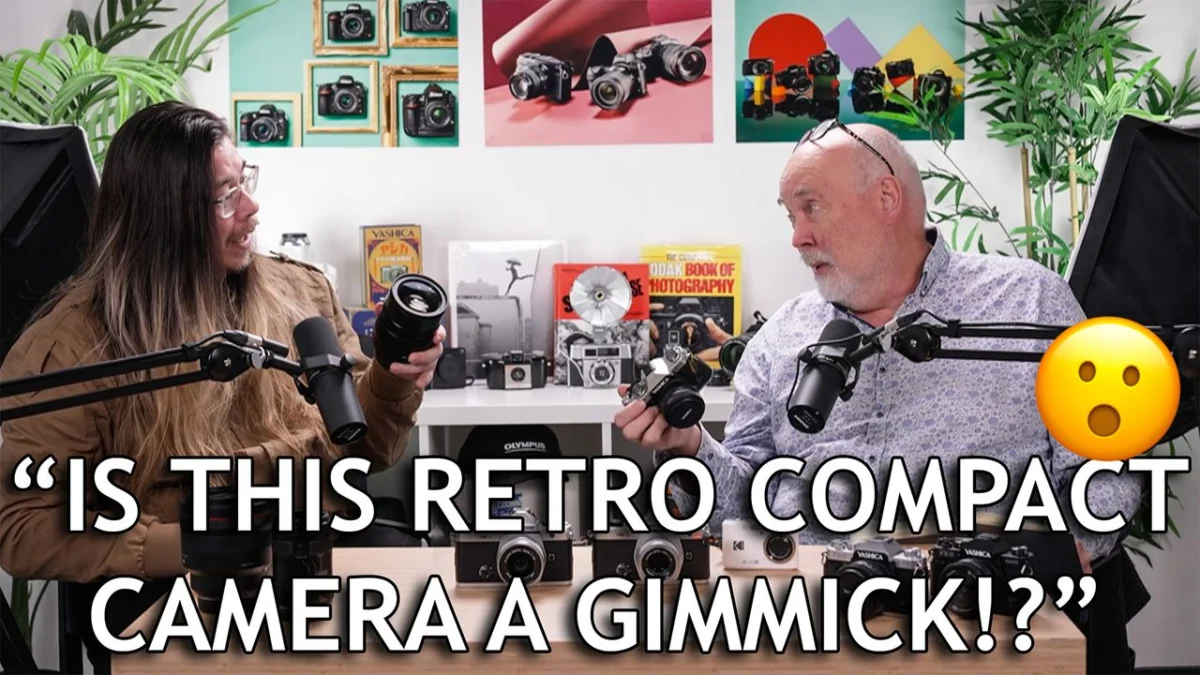
The latest installment of "Bokeh Face: The Digital Camera World podcast" is now available across multiple platforms, offering a deep dive into contemporary photography trends and equipment. Hosted by James Artaius, Editor-in-Chief of Digital Camera World (DCW), and Chris George, DCW’s Content Director, the bi-weekly podcast dissects pressing issues within the camera industry, shares insights from their gear bags, and provides technical and creative solutions for photographers. This episode, released every other Friday, with the next scheduled for May 1st, promises a comprehensive exploration of the camera landscape.
This episode of Bokeh Face, now live on the Digital Camera World YouTube channel and accessible for streaming on Spotify, Apple Podcasts, and other major podcast platforms, continues the established format where Artaius and George engage in a spirited discussion covering a significant topic in the camera world, review the gear they’ve been actively using, and address a pertinent technical or creative challenge faced by photographers.
The Allure of Retro: Are Yashica’s FX-D Compacts a Gimmick or a Gateway?
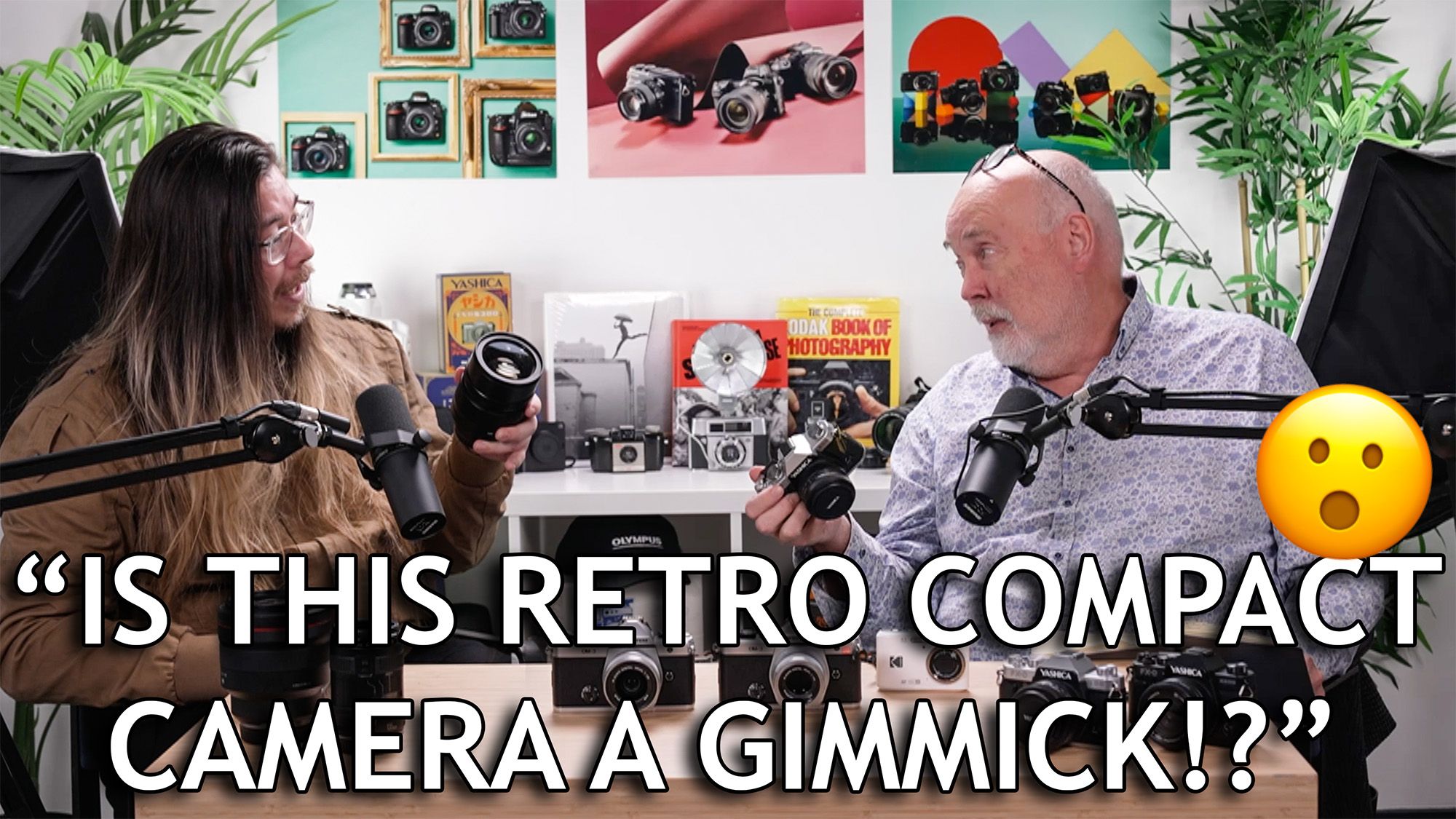
A central theme of this episode is the resurgence of retro-styled digital cameras, with a particular focus on Yashica’s recent offerings: the Yashica FX-D 100, FX-D 300, and FX-D S300. These fixed-lens compact cameras are designed to evoke the aesthetic of classic 1970s SLR cameras, complete with their vintage appeal. The podcast hosts delve into the design philosophy behind these cameras, questioning whether their retro charm is a functional enhancement or merely a superficial gimmick.
The discussion aims to ascertain the target audience for such devices. Are they intended for seasoned photographers seeking a nostalgic shooting experience, or are they designed to attract newcomers to photography by offering a visually appealing and potentially simpler entry point? The hosts explore the market saturation of retro-style compact cameras from various brands, prompting an analysis of what makes these cameras stand out, or conversely, blend into a growing niche. The "chassied-up" design, as described by the hosts, merges a modern digital sensor with an analogue-inspired exterior, raising questions about the compromises made in functionality to achieve this aesthetic. The podcast will likely touch upon user reviews and market reception to these models, providing a factual basis for the "gimmick or gateway" debate.
This trend of retro-inspired digital cameras is not entirely new. Companies have periodically released models that play on nostalgia, tapping into a market segment that values design and heritage alongside technological advancement. However, the sustained presence and variety of these cameras suggest a more robust demand than a fleeting trend. The podcast’s examination of the Yashica FX-D range will likely provide a case study for the broader phenomenon, dissecting the blend of form and function in modern digital cameras.
Gear Up: The OM System OM-3 Astro – A Dedicated Astrophotography Tool
The podcast then shifts its focus to cutting-edge equipment with an in-depth look at the OM System’s new OM-3 Astro. This is a specialized, limited-edition version of the retro-styled OM-3, specifically engineered for astrophotography. Its key modification lies in a specially altered Infrared Cut Filter, designed to enhance the capture of celestial objects.
Artaius and George will likely draw parallels between the OM-3 Astro and previous dedicated astrophotography cameras, such as the Canon EOS 20D and Nikon D810A. These cameras, released in earlier eras of digital photography, were also tailored for capturing the night sky. The discussion will explore the rationale behind the existence of such specialized cameras. In an era where many standard digital cameras possess impressive low-light capabilities, why would a photographer opt for a dedicated astrophotography model? The hosts will likely analyze the technical advantages, such as improved sensitivity to specific wavelengths of light emitted by stars and nebulae, and the potential benefits of modified sensor filters that allow for the capture of details often missed by conventional cameras. The OM-3 Astro’s place in the market, considering its limited availability and specialized nature, will also be a point of discussion, offering a glimpse into the evolving needs of niche photography communities.
The development of dedicated astrophotography cameras is a testament to the increasing accessibility and popularity of astronomical imaging. While high-end observatory equipment remains the domain of professionals, advancements in digital sensor technology and specialized processing have brought the wonders of the cosmos within reach of amateur photographers. The OM System’s venture into this niche with a retro-inspired body suggests a strategy to appeal to both seasoned astrophotographers and enthusiasts drawn to unique, high-performance gear.
Trouble Shooting: Navigating the Lenses for Captivating Portraits
The final segment, "Trouble Shooting," tackles a perennial concern for photographers: selecting the optimal lenses for portraiture. While the 85mm focal length is widely recognized as a benchmark for portraits, offering a flattering perspective and excellent background compression, the Bokeh Face hosts promise to delve deeper. They will move beyond the conventional, exploring a range of strategic alternatives and even some unexpected "curveball" options.
The discussion will likely involve detailed analysis of different focal lengths, such as wider angles (e.g., 35mm or 50mm) for environmental portraits that incorporate more of the subject’s surroundings, and longer telephotos (e.g., 135mm or 200mm) for tighter, more intimate shots that isolate the subject with significant background blur. The hosts will illustrate their points with examples of use cases, demonstrating how different lenses can shape the narrative and emotional impact of a portrait. This segment aims to equip viewers with a nuanced understanding of lens selection, moving beyond a one-size-fits-all approach to portrait photography. The economic implications of lens choices will also likely be considered, as photographers often balance image quality and creative potential against budget constraints. The podcast may offer advice on maximizing the performance of existing lenses or making informed decisions when investing in new glass.
The choice of lens is one of the most critical decisions a photographer makes, significantly impacting the final image’s perspective, depth of field, and overall aesthetic. For portraiture, this choice is amplified, as the lens directly influences how the subject is presented and how the viewer connects with the image. By exploring alternatives to the ubiquitous 85mm, the Bokeh Face podcast provides valuable insights for photographers looking to expand their creative toolkit and achieve more distinctive portraiture.
Engaging with the Bokeh Face Community
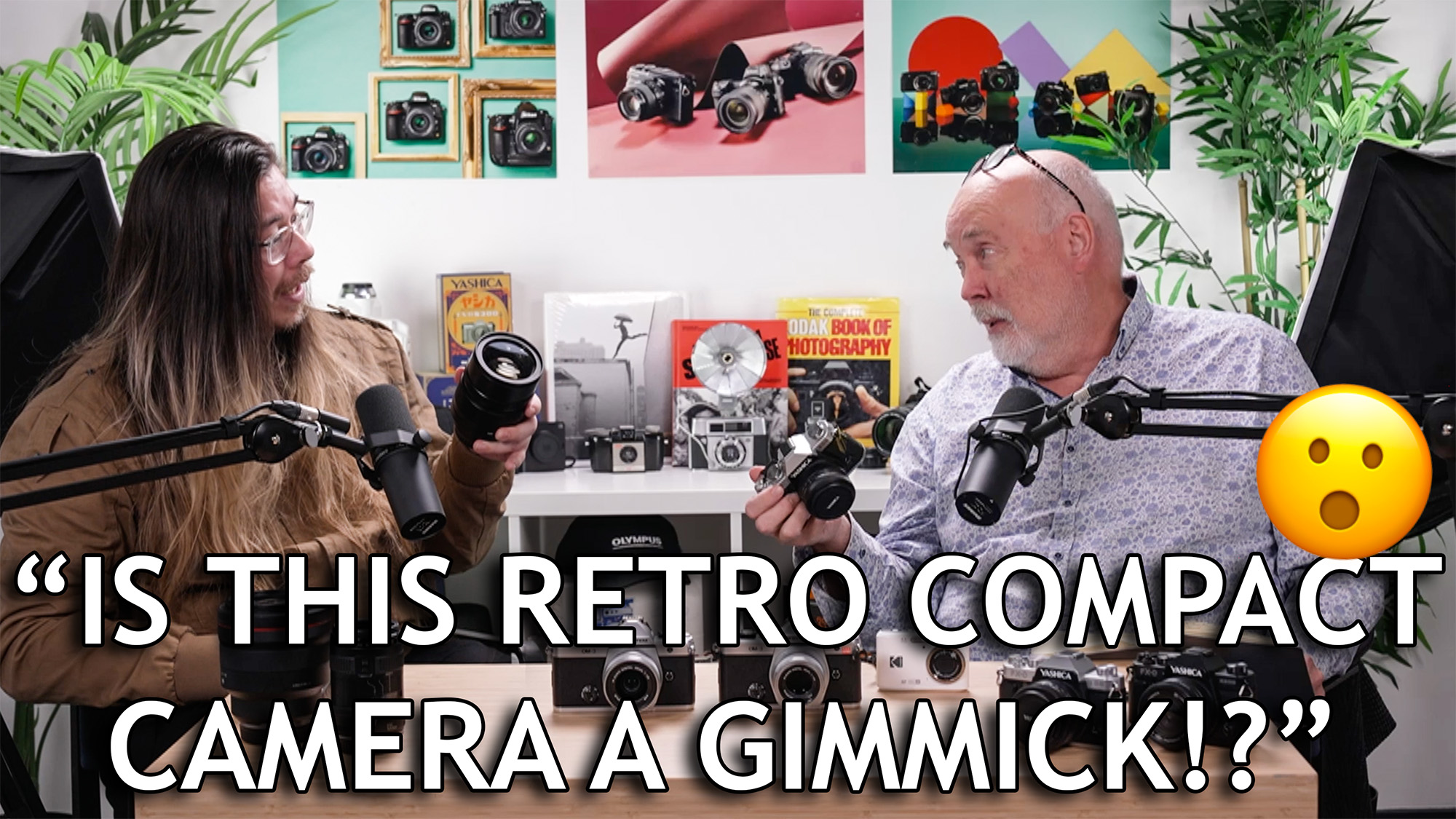
The hosts encourage active participation from their audience, inviting feedback, questions, and specific troubleshooting queries to be sent to [email protected]. This open channel of communication ensures that the podcast remains relevant and addresses the real-world challenges and interests of its listeners. The initiative to solicit audience input is a common practice among popular podcasts, fostering a sense of community and providing valuable content directly from the viewers.
The podcast is readily available via direct links to YouTube, Spotify, and Apple Podcasts, ensuring accessibility for a broad range of listeners. Additional resources are also provided for those interested in exploring previous episodes of Bokeh Face, as well as curated guides on the best retro cameras, cameras for astrophotography, and essential portrait photography tips. This interconnected approach to content delivery allows listeners to delve deeper into topics of interest, enhancing their learning experience.
Broader Implications and the Future of Photography Content
The success and format of podcasts like "Bokeh Face" highlight a significant shift in how photography information is consumed. Moving beyond traditional print media, these audio-visual platforms offer a dynamic and engaging way for experts to share their knowledge. The blend of technical expertise, gear reviews, and practical advice caters to a diverse audience, from beginners to seasoned professionals.
The topics covered in this episode – the resurgence of retro aesthetics, specialized equipment for niche genres like astrophotography, and fundamental photographic techniques like portraiture – reflect the multifaceted nature of the modern photography landscape. As technology continues to evolve, so too will the discussions around its application and impact on creative expression. The "Bokeh Face" podcast, by consistently addressing these evolving trends, positions itself as a valuable resource for anyone passionate about the art and science of photography. The hosts’ expertise, combined with their accessible presentation style, ensures that complex topics are demystified, empowering photographers to improve their craft and make informed decisions about their equipment. The ongoing commitment to audience engagement further solidifies its role as a vital component of the digital photography community.