Published July 21, 2026 03:01 PM
Running shoes, unlike many enduring pieces of gear, operate on a finite lifespan. The constant impact, the intricate dance of cushioning, and the demands of the road or trail inevitably lead to wear and tear. Typically, this means runners face the decision of replacing their trusty footwear as frequently as every four to six months, a timeline heavily influenced by individual mileage and running habits. This inherent disposability raises a pertinent question for athletes and casual joggers alike: does investing in a more expensive pair of running shoes truly extend their functional life and, more critically, enhance the running experience? To investigate this, a comprehensive comparison was undertaken, pitting budget-friendly Amazon offerings against established, premium brands, with rigorous lab testing providing the definitive verdict.
The initial inquiry was sparked by Maggie Slepian’s exploration into the performance differential between a $50 Amazon running shoe and renowned models from Hoka and Saucony. Slepian’s field testing suggested that the budget-friendly Nortiv 8 Allswifit ActiveAiry running shoes, despite their considerably lower price point and simpler construction, held their own against their more illustrious counterparts. She noted that the foam cushioning felt comparable in responsiveness, leading to the conclusion that for novice runners or those prioritizing cost savings, these budget options could indeed be a viable choice, provided they offered a suitable fit.
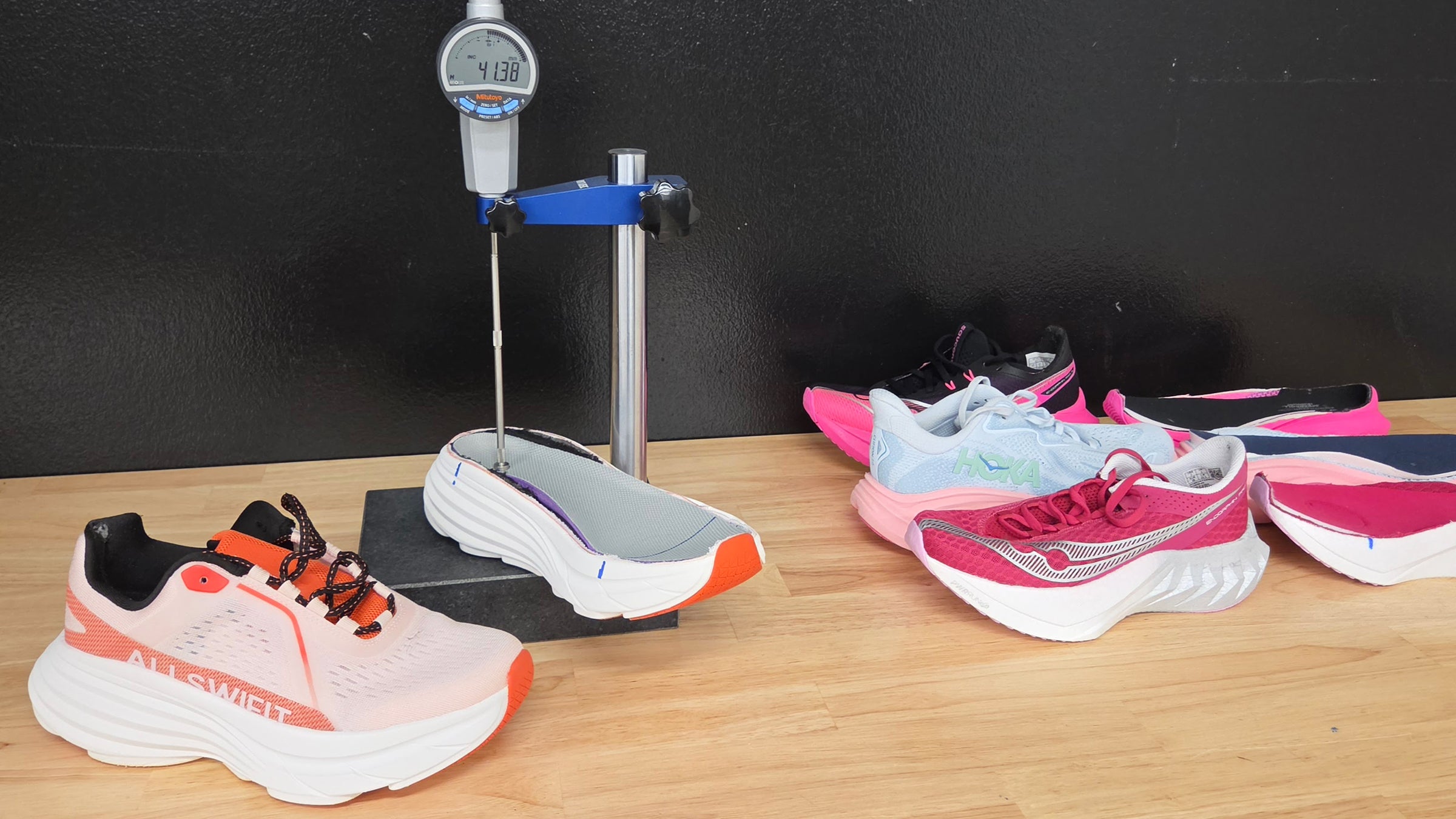
However, for an organization dedicated to dissecting the performance of outdoor and athletic gear, Slepian’s findings served as a springboard for deeper, more scientific investigation. Outside‘s Lab Test Editor and Engineer, Adam Trenkamp, spearheaded this endeavor, subjecting the very same shoe models to a battery of controlled tests within the Outside Lab at CU Denver. This rigorous process, a cornerstone of Outside‘s gear guide methodology, aims to simulate real-world use while accelerating the effects of wear and tear in a quantifiable manner. The lab tests were designed to objectively measure key performance metrics: abrasion resistance, breathability, foam compression, and overall run durability. The objective was to ascertain whether Trenkamp’s lab-based data would corroborate or diverge from Slepian’s initial field observations.
Deconstructing Performance: Lab Testing Protocols
The Outside Lab employs a multi-faceted approach to assess running shoe performance, focusing on distinct areas that directly impact a runner’s comfort, efficiency, and the longevity of their footwear.
Abrasion and Breathability Testing
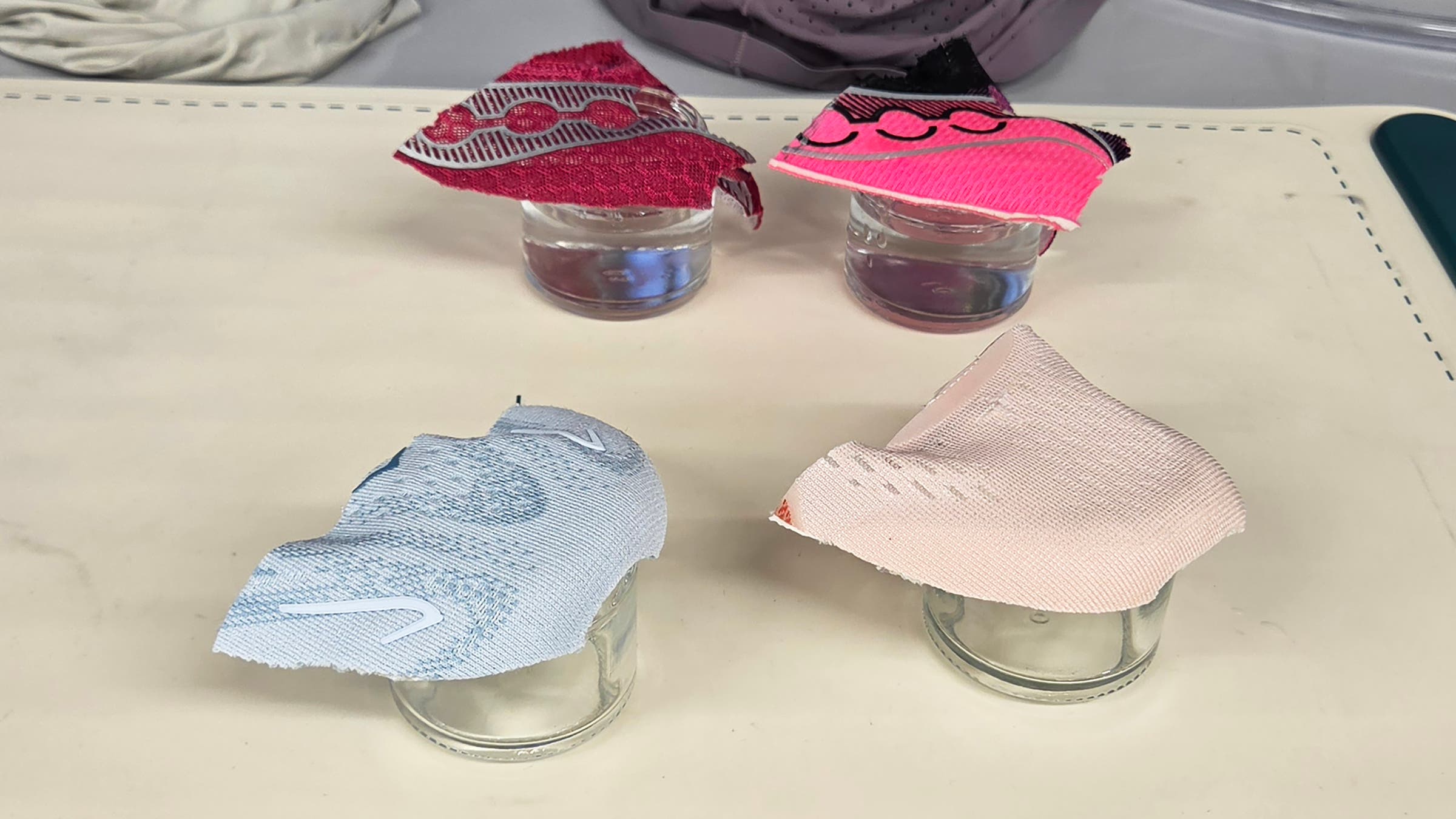
To quantify the upper material’s resistance to wear and tear, a James Heal AquAbrasion machine was utilized. This sophisticated apparatus simulates the friction that shoe uppers endure during regular use and under more strenuous conditions. Two distinct testing scenarios were implemented: one using a wool fabric as an abradent to mimic typical wear, and a second employing a more aggressive material to accelerate wear and reveal the inherent toughness of the shoe’s construction. The abrasion resistance of the tested samples was then graded visually on a scale of 1 to 5, with 5 representing minimal to no discernible damage and 1 indicating significant degradation or tearing.
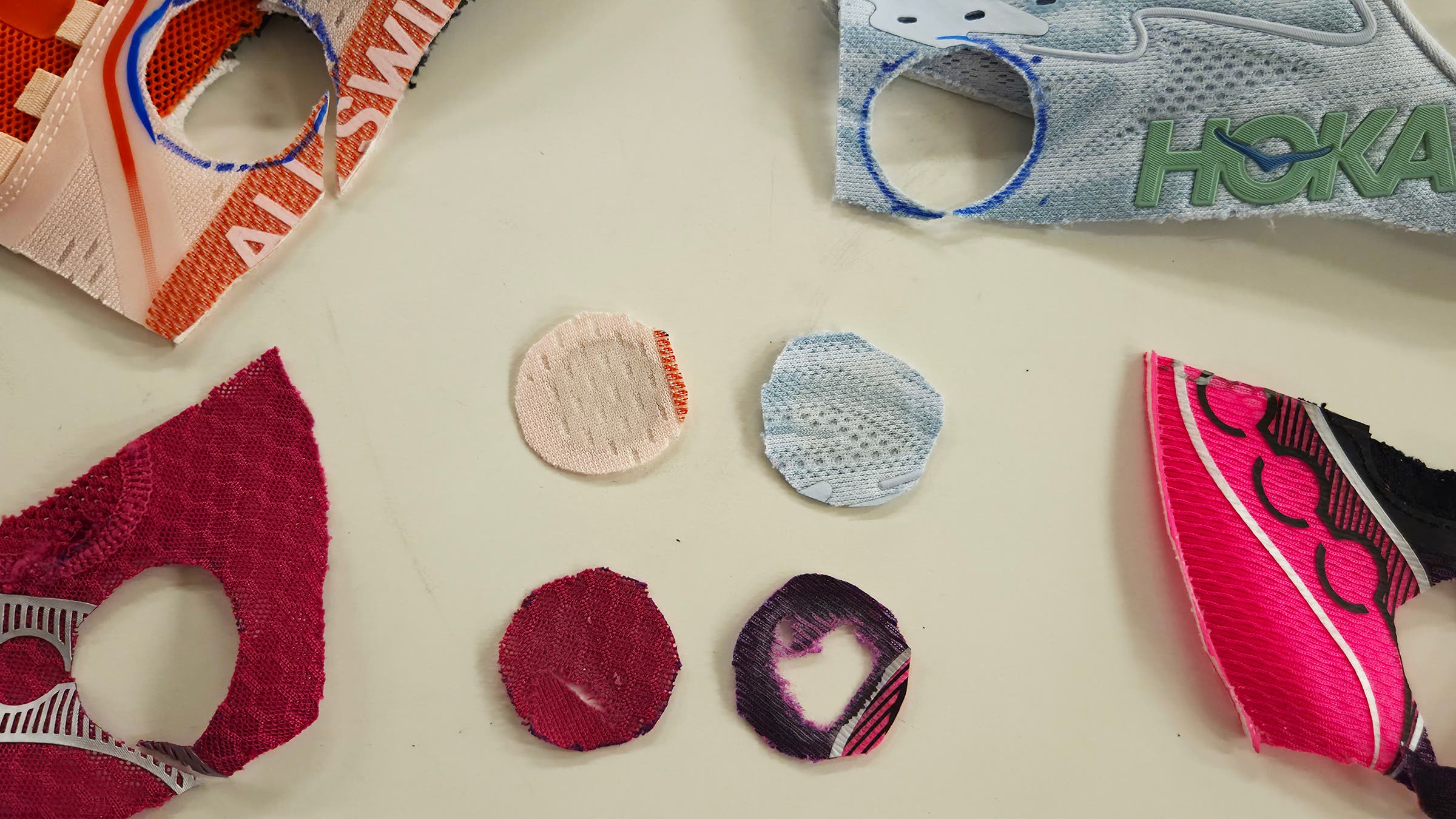
Breathability, a crucial factor for maintaining comfort during prolonged activity, was assessed by measuring how effectively moisture vapor—sweat—could transfer through the shoe’s material. A portion of each shoe’s toe box was sealed over a container of water heated to 102°F, simulating body temperature during exercise. The ambient conditions of the Outside Lab in Denver, characterized by a dry climate (approximately 25-35% relative humidity), naturally facilitated evaporation. The rate of weight loss from the sealed assembly over time served as the primary indicator of breathability; a greater weight loss signified superior moisture vapor transfer. Scores for breathability were assigned on a 1-to-5 scale, with 5 representing the highest level of breathability. It is important to note that this static test focuses solely on the material’s inherent properties and does not account for the dynamic air circulation that a running motion might provide.
Foam Compression and Responsiveness
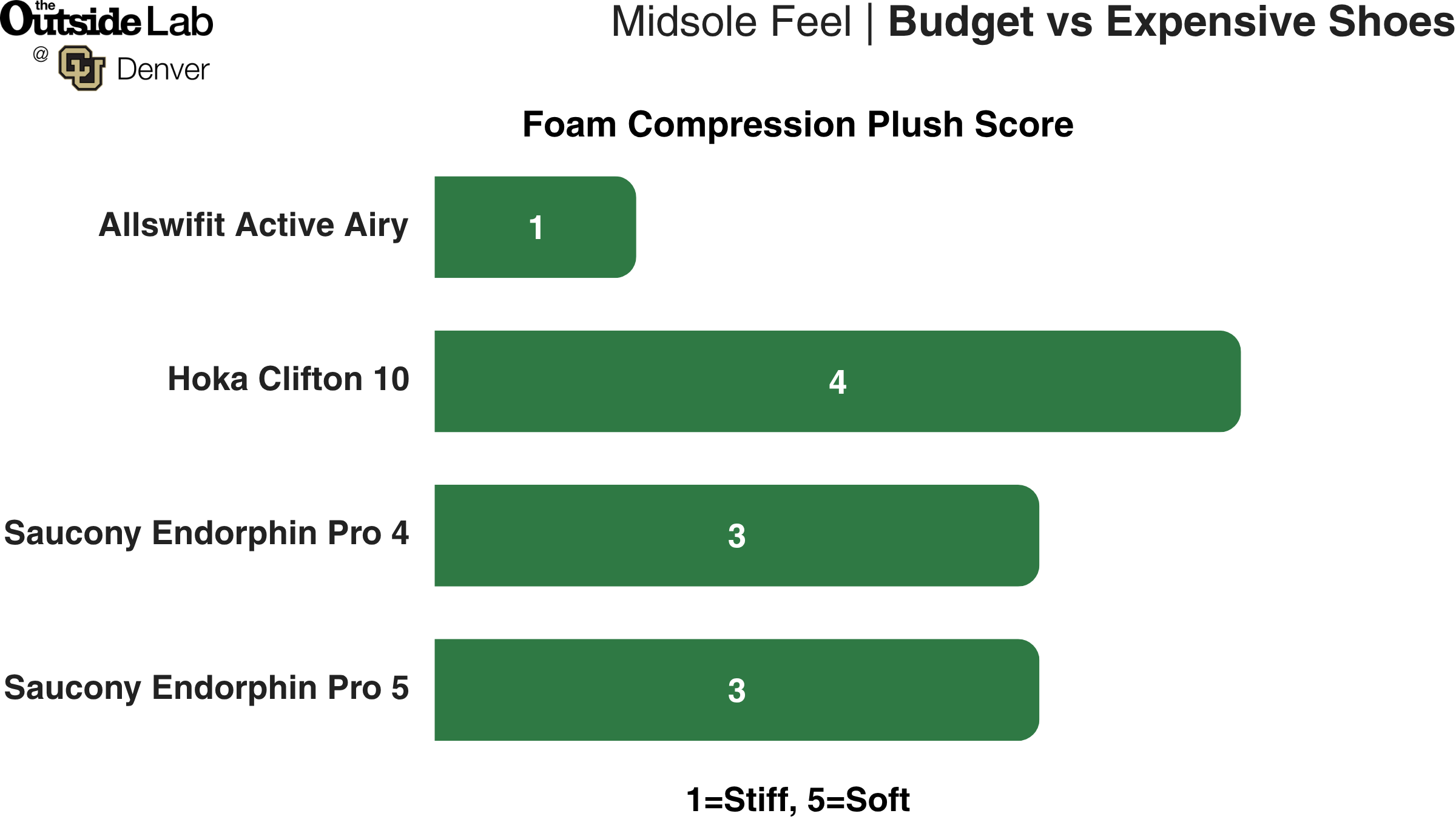
The integrity and performance of a running shoe’s midsole cushioning are paramount for shock absorption and energy return. In the Outside Lab, a universal testing machine was employed to meticulously measure the compression characteristics of the foam. The heel and forefoot impact zones of each shoe were subjected to 26 compression cycles, each reaching a predetermined depth. The force required to achieve this compression was recorded throughout each cycle. Analysis of the final compression cycle’s force-displacement curve provided insights into the foam’s behavior, specifically where it ceased to compress and began to rebound. The slope of this curve within the typical running compression range—where the foam compresses and then returns to its original state during a stride—and near its maximum effective compression point, where the foam becomes noticeably firmer, were key metrics. These measurements were synthesized into a lab score on a 1-to-5 scale, reflecting the perceived firmness of the sole under consistent loading conditions, with 1 denoting a stiffer feel and 5 indicating a softer, more yielding cushion.
Run Durability Simulation
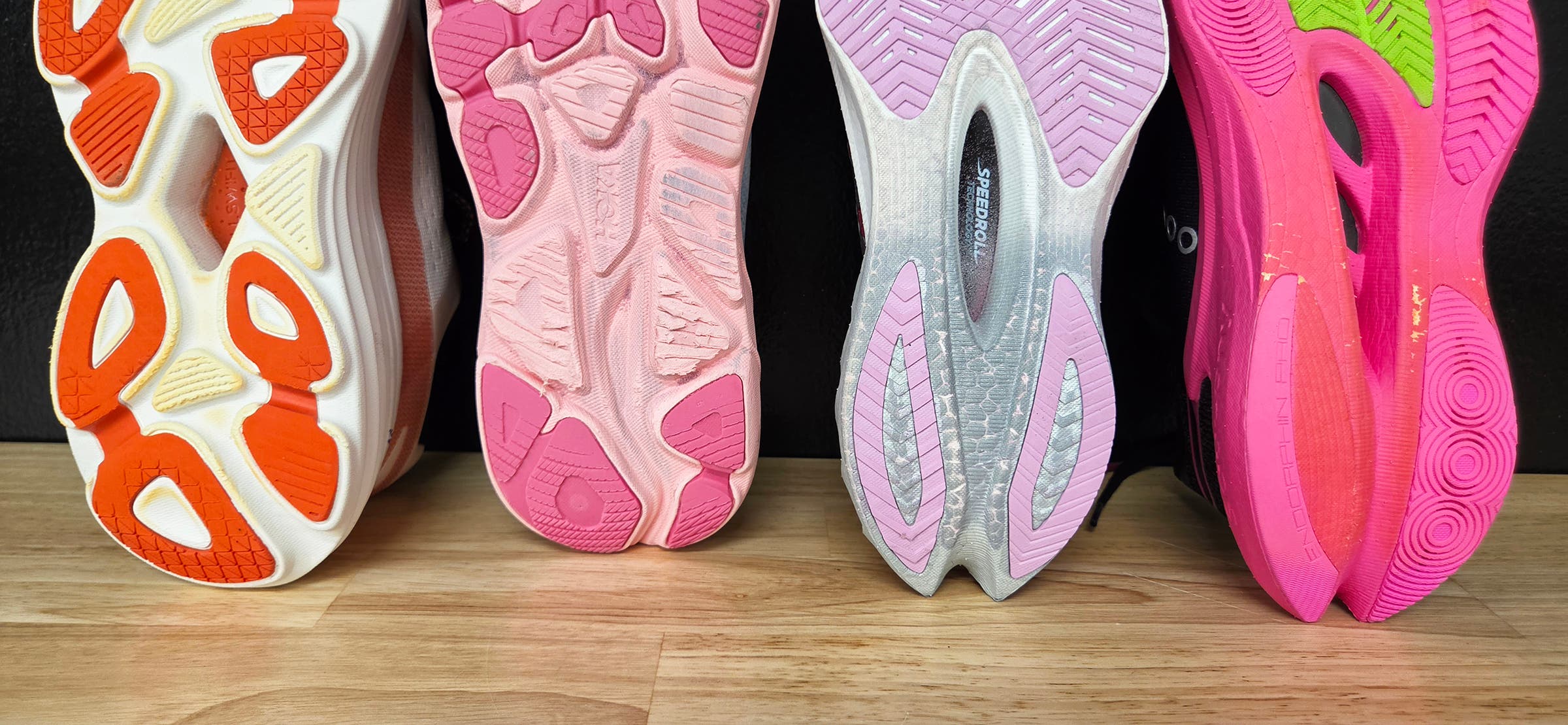
To replicate the long-term stress of running, the Heeluxe Time Machine was employed to simulate the impact forces experienced by a runner. This advanced apparatus utilizes flexible footforms with adjustable ankles and tensioned springs to mimic the gait of a 180-pound individual running at an eight-minute-mile pace. Based on established research correlating simulated steps with actual mileage, each shoe was subjected to a simulated 125 miles of running. Periodic measurements were taken at 25-mile and 125-mile intervals. This methodology allowed for a dual assessment of durability: the breakdown of the midsole foam over time and the wear and tear on the outsole tread. Shoes were scored from 1 to 5 for wear and durability at both mileage points, providing a predictive model for the shoe’s functional lifespan.
Lab Results: Unpacking the Data
The rigorous testing conducted in the Outside Lab yielded distinct insights into the performance profiles of the budget, mid-range, and premium running shoes.
Abrasion and Breathability: A Tale of Two Constructions
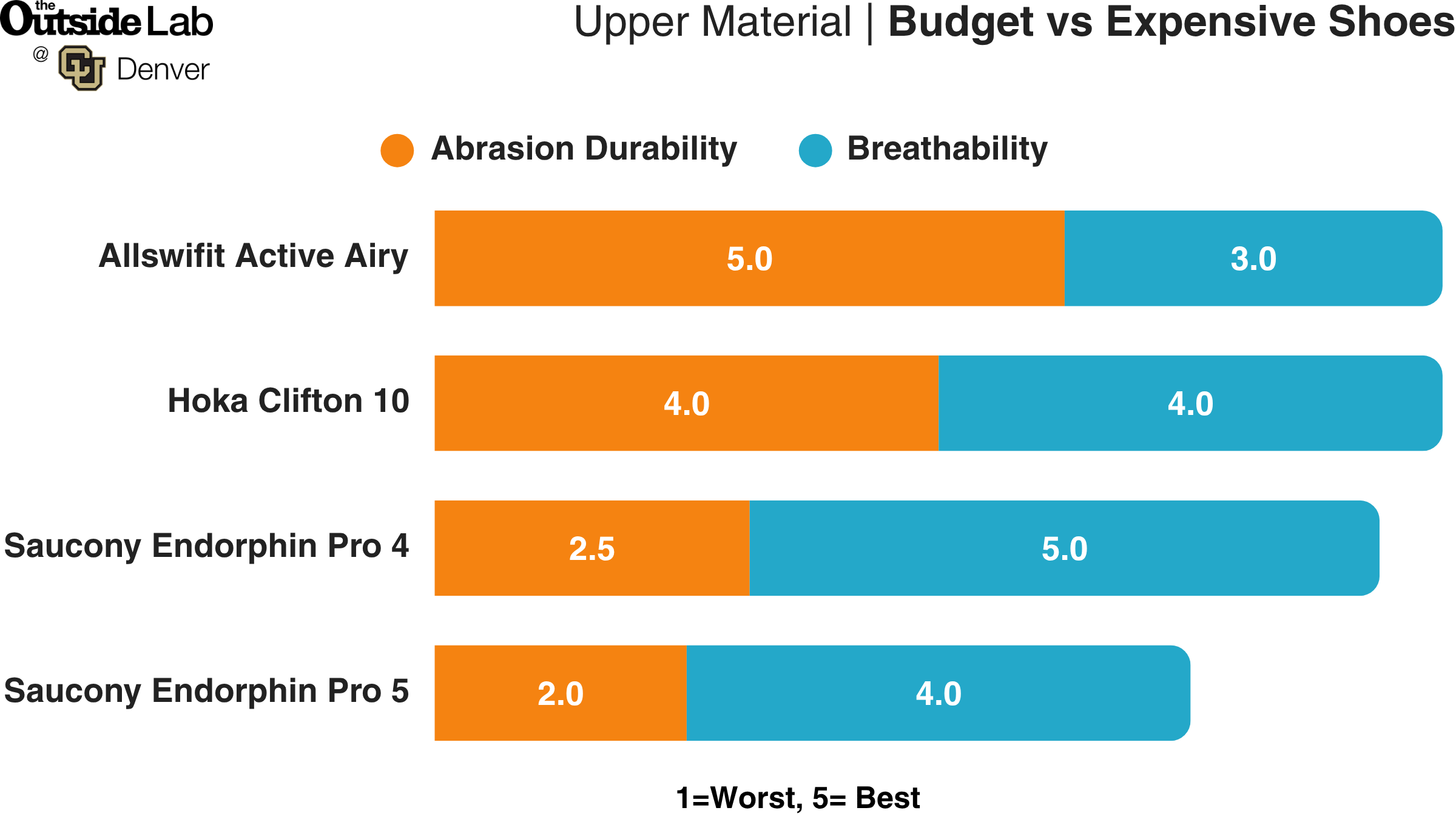
In the abrasion tests, the budget-friendly Nortiv 8 Allswifit ActiveAiry shoes achieved a perfect score of 5, demonstrating exceptional resilience. In stark contrast, the significantly more expensive Saucony shoes, despite their premium positioning, registered middling-to-low scores. This disparity was attributed to the thinner, performance-oriented materials used in the Saucony Endorphin Pro series, designed to optimize other performance aspects at the expense of ruggedness. The lab data suggests that runners who frequently encounter snags on light trails or experience wear in the flex zones of their shoes might find that more expensive, race-specific models are less durable in these scenarios.
Conversely, the breathability tests revealed a clear advantage for the pricier options. The Outside Lab found a direct correlation between a shoe’s cost and its breathability score. More premium models generally utilize thinner materials with open weaves, facilitating greater airflow and moisture escape. This enhanced breathability, however, comes with a trade-off: the potential for reduced durability, as evidenced by the abrasion test results. For runners whose primary concern is managing sweat and maintaining comfort during long runs, investing in a more breathable, higher-end shoe appears to be a worthwhile consideration.
Foam Compression: The Cushioning Divide
The foam compression tests highlighted a significant difference in cushioning characteristics. The budget Allswifit ActiveAiry shoes scored a 1, indicating a stiffer feel. This contrasted sharply with the Hoka and Saucony models, which scored 4 and 3, respectively. This data clearly illustrates that while budget shoes may offer a functional level of cushioning, they cannot match the plushness and responsiveness of the engineered foams found in more expensive running shoes. While stiffness is not universally negative—personal preference plays a significant role in perceived comfort—the lab results provide objective data on how each shoe’s midsole will feel out of the box, aiding consumers in making informed choices based on their desired underfoot sensation.
Run Durability: The Long Game
The run durability tests revealed nuanced performance differences across the mileage spectrum. At the 25-mile mark, all three shoe categories—budget, mid-priced, and premium—exhibited similar overall durability scores. However, closer examination indicated variations within the midsole foam breakdown and outsole tread wear.
It was at the higher mileage benchmark of 125 miles that the premium shoes began to demonstrate their superior longevity. While the budget Nortiv 8 and mid-priced Hoka models achieved identical overall scores, the Saucony shoes, even with their ultralight designs, scored higher. A notable finding was that the Nortiv 8 shoes consistently displayed lower outsole durability scores, characterized by excessive rubber shedding. This suggests that while they may offer initial value, their outsoles might degrade at a faster rate than those of more expensive counterparts. The outsole’s dual role in providing grip and protecting the midsole foam in critical impact zones underscores the importance of its integrity for sustained performance.
Implications and the Future of Footwear
The comprehensive lab testing conducted by Outside provides a data-driven answer to the perennial question of whether more expensive running shoes are unequivocally better. The findings suggest a nuanced reality: the "better" shoe is contingent upon the individual runner’s priorities and usage patterns.
For runners who prioritize long-term performance, investing in higher-priced shoes appears to be justified if breathability, sustained rebound, and overall durability over hundreds of miles are key considerations. These shoes are engineered with advanced materials and construction techniques that contribute to a more responsive and enduring experience. However, it is crucial to acknowledge the potential trade-off in upper material robustness, which might be less forgiving to abrasive external factors.
Conversely, the research offers reassurance to budget-conscious runners. The tests indicate that for less frequent or more casual runners, more affordable options can offer a comparable experience in many fundamental aspects. The primary distinctions emerge in the sustained performance of the foam cushioning and the long-term durability of the shoe’s components.
Ultimately, running shoes remain a deeply personal choice. The objective data generated by Outside‘s lab tests serves as a valuable resource, complementing the subjective experience of fit and feel. As the field of running footwear continues to evolve, with brands constantly innovating in material science and design, continued rigorous testing will be essential in guiding consumers toward the optimal choices for their individual running journeys. The insights gleaned from this comparative analysis underscore the importance of understanding not just the initial price tag, but the multifaceted performance characteristics that truly define a running shoe’s value over time.