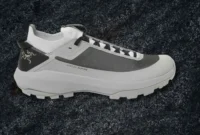
The convergence of technical outdoor gear and high-fashion aesthetics has reached a new, unprecedented intersection in 2026. Major luxury houses, including Loewe and Prada, have recently integrated elements of the technical climbing "approach shoe" into their seasonal collections. This trend, which prioritizes the aesthetic utility of mountaineering equipment, has sparked a dialogue regarding the authenticity of performance gear versus the appropriation of subcultural functionalism. As these luxury items reach price points exceeding $1,100, the outdoor industry and fashion media alike are grappling with the implications of the "gorpcore" movement’s evolution into the luxury sector.
A Chronology of the Trend
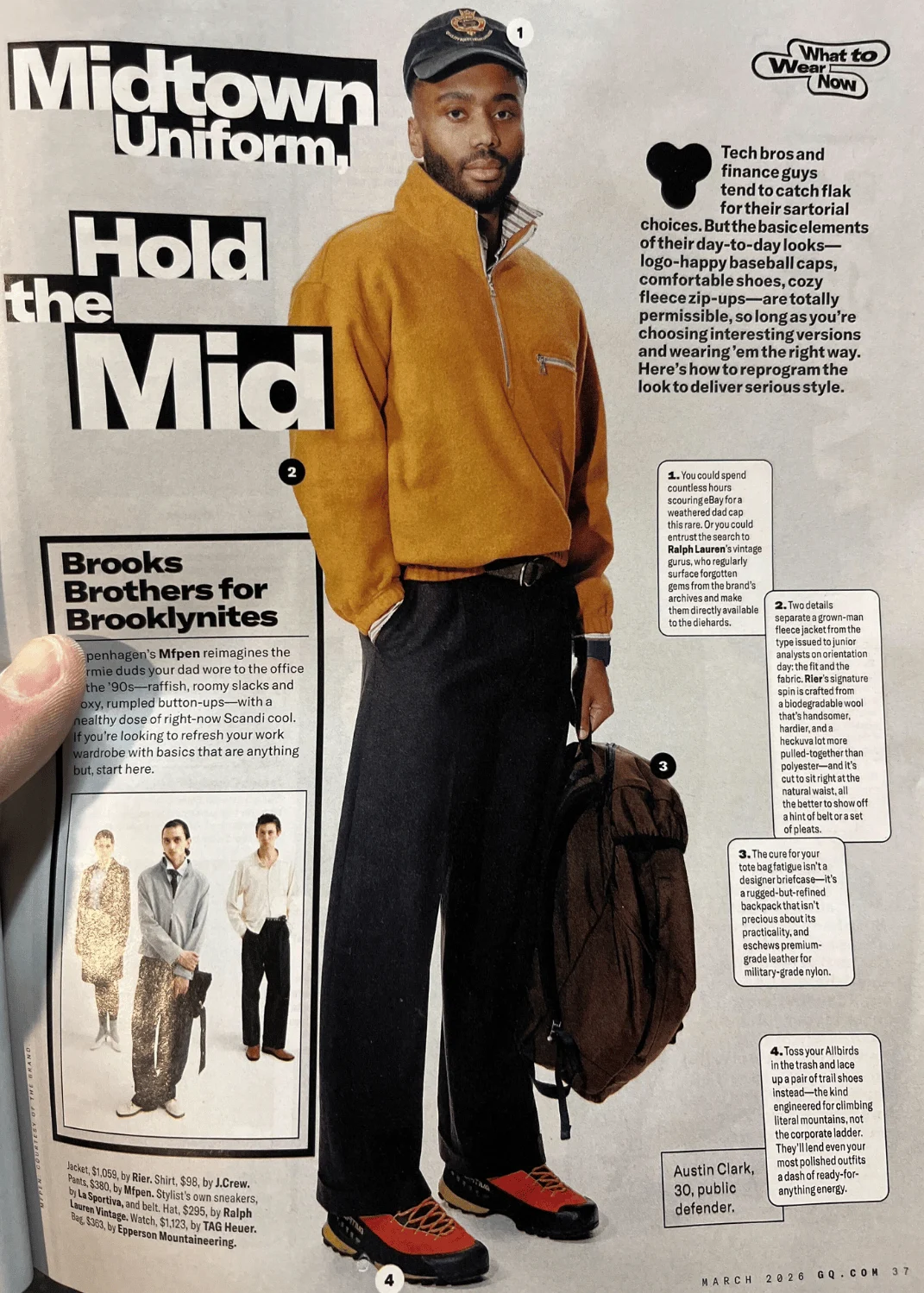
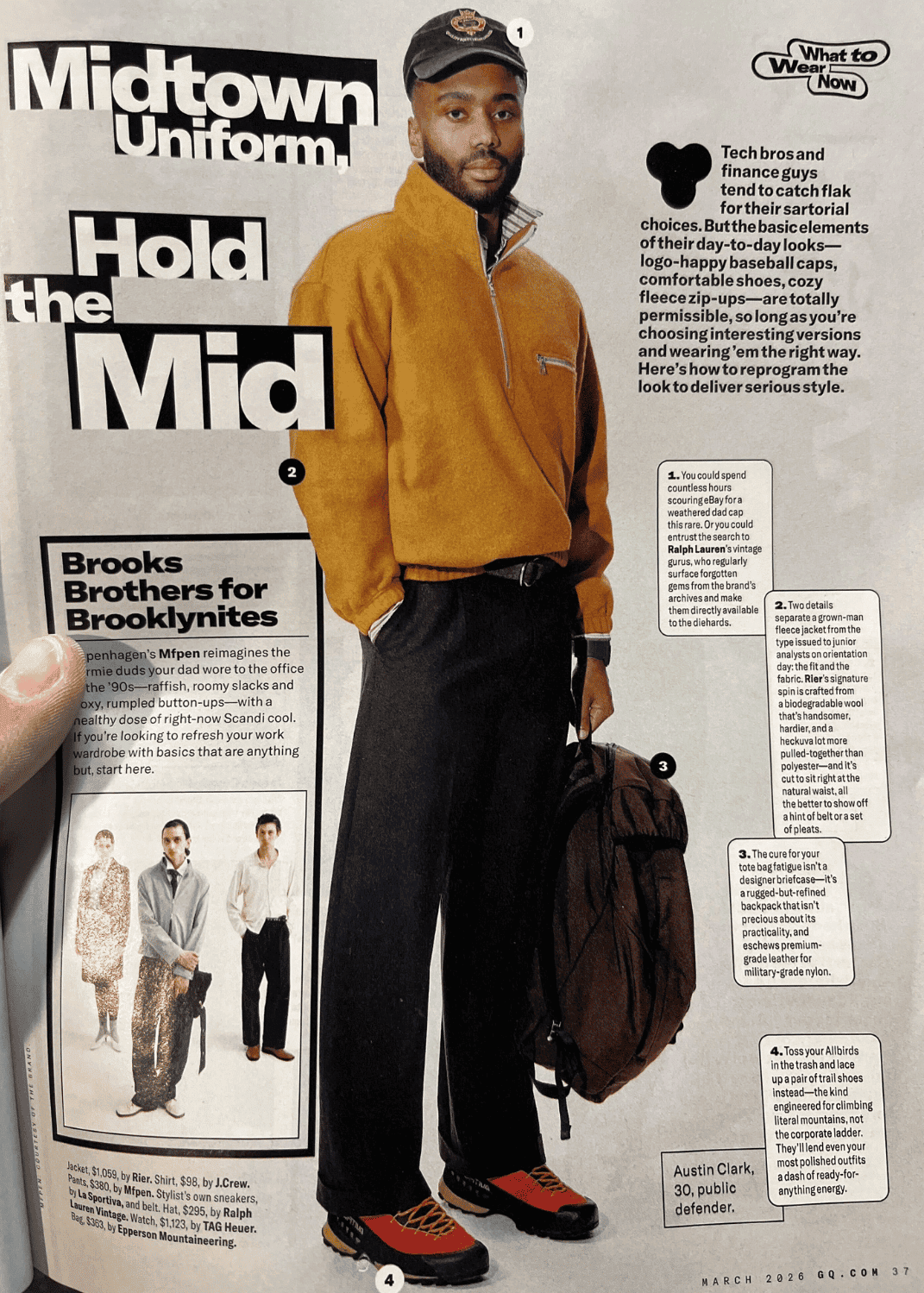
The movement began to gain significant momentum in early 2026, when major style publications began documenting a shift in men’s and women’s footwear trends. In March 2026, GQ magazine featured a spread titled "Midtown Uniform, Hold the Mid," which showcased models wearing traditional La Sportiva TX3 approach shoes—a model specifically engineered for technical terrain—as part of a standard urban ensemble. This editorial choice signaled a broader shift in the fashion industry’s perception of outdoor equipment.
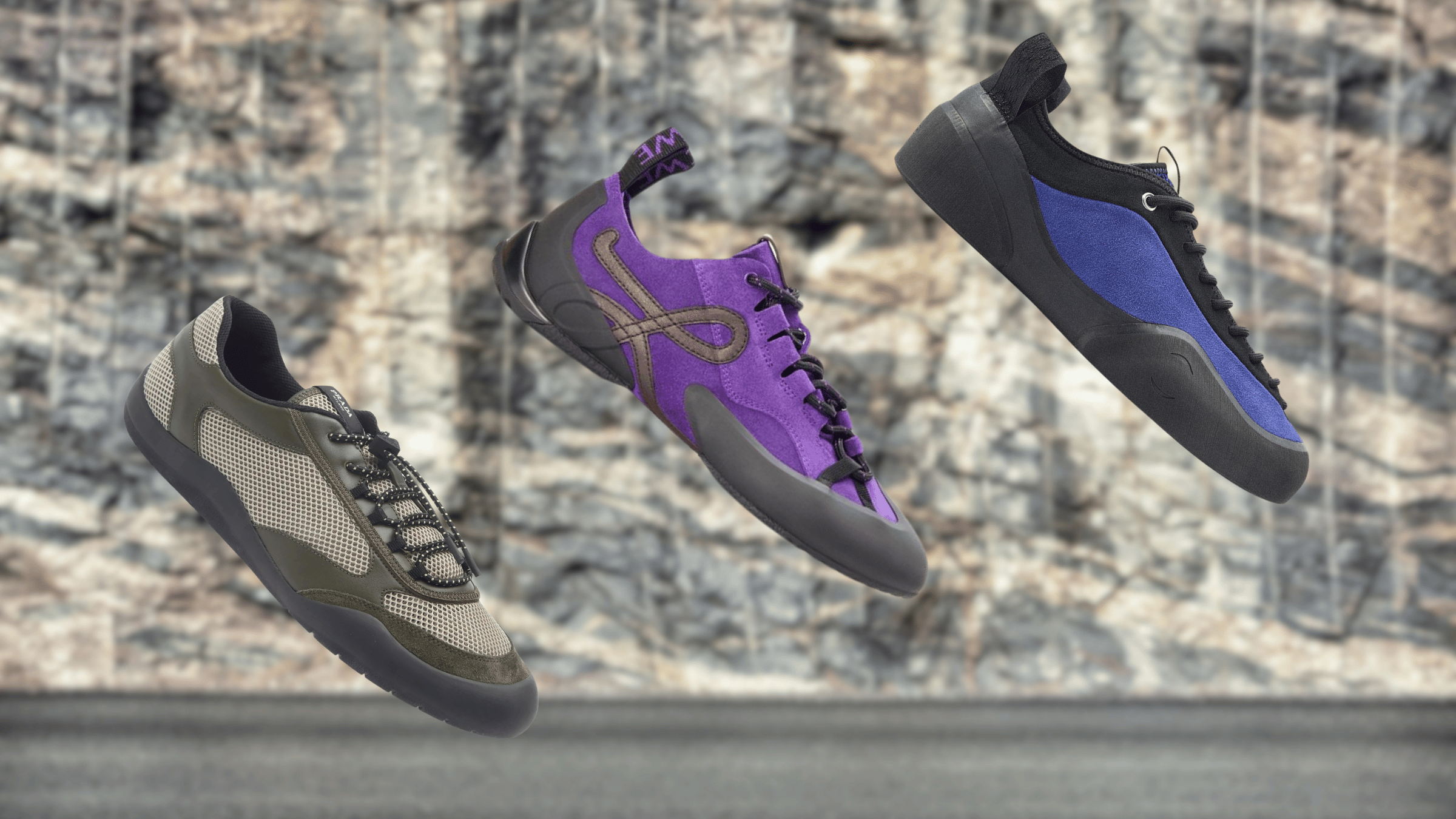
Following this, luxury fashion houses pivoted from simply styling models in existing outdoor gear to designing proprietary footwear that mimics the structural integrity and visual cues of climbing equipment. By mid-2026, brands such as Loewe and Prada had released sneakers incorporating high-friction rands, reinforced toe caps, and aggressive, lacing-heavy designs that mirror the functional requirements of an approach to a vertical wall. This rapid adoption suggests a deliberate strategy by luxury conglomerates to capitalize on the aesthetic credibility of the climbing community.
Technical Specifications and Materiality
The technical appeal of an approach shoe lies in its specific design: a sticky rubber outsole (often Vibram or proprietary compounds), a low-profile silhouette for precision, and a durable, often rubber-wrapped upper to prevent abrasion against granite or limestone.
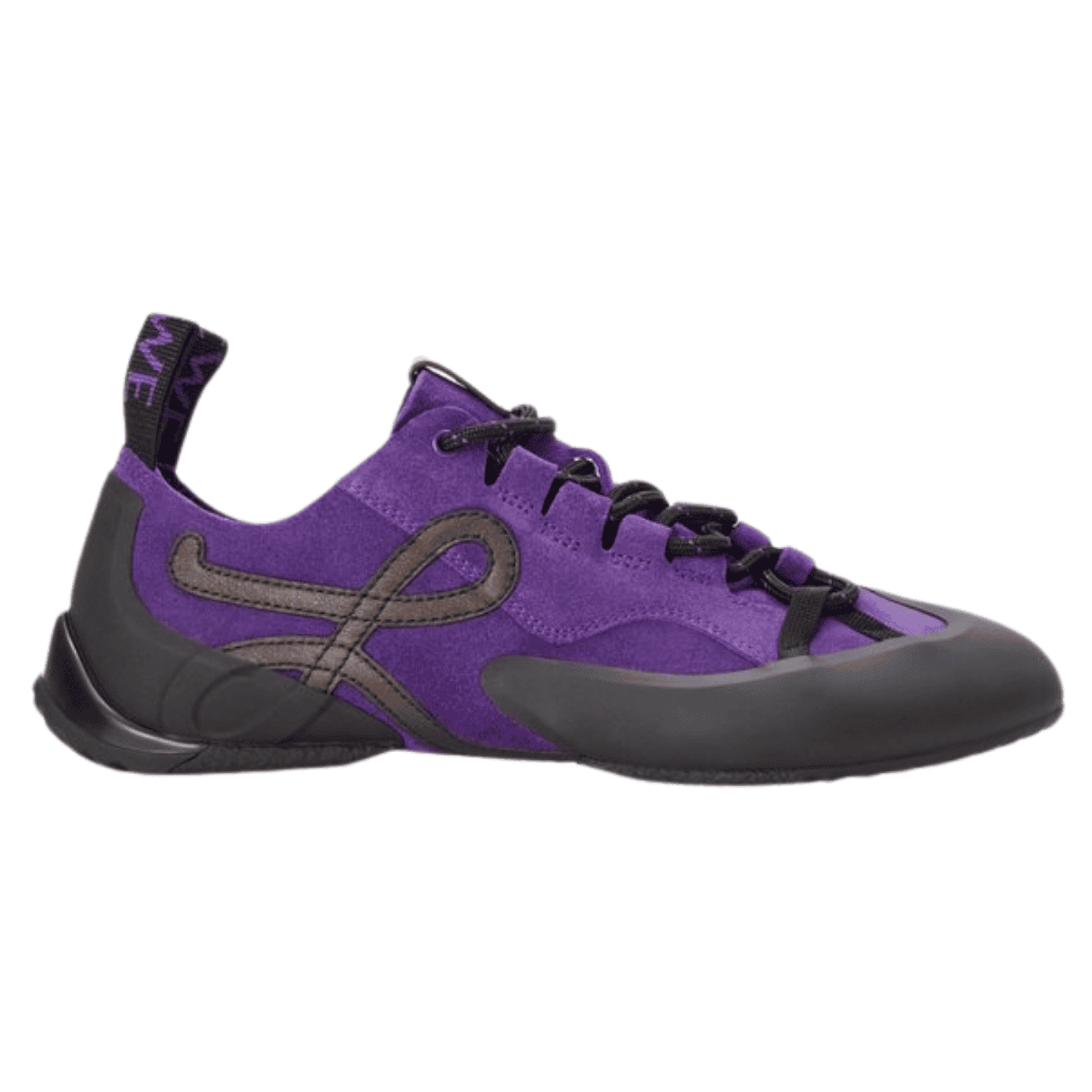
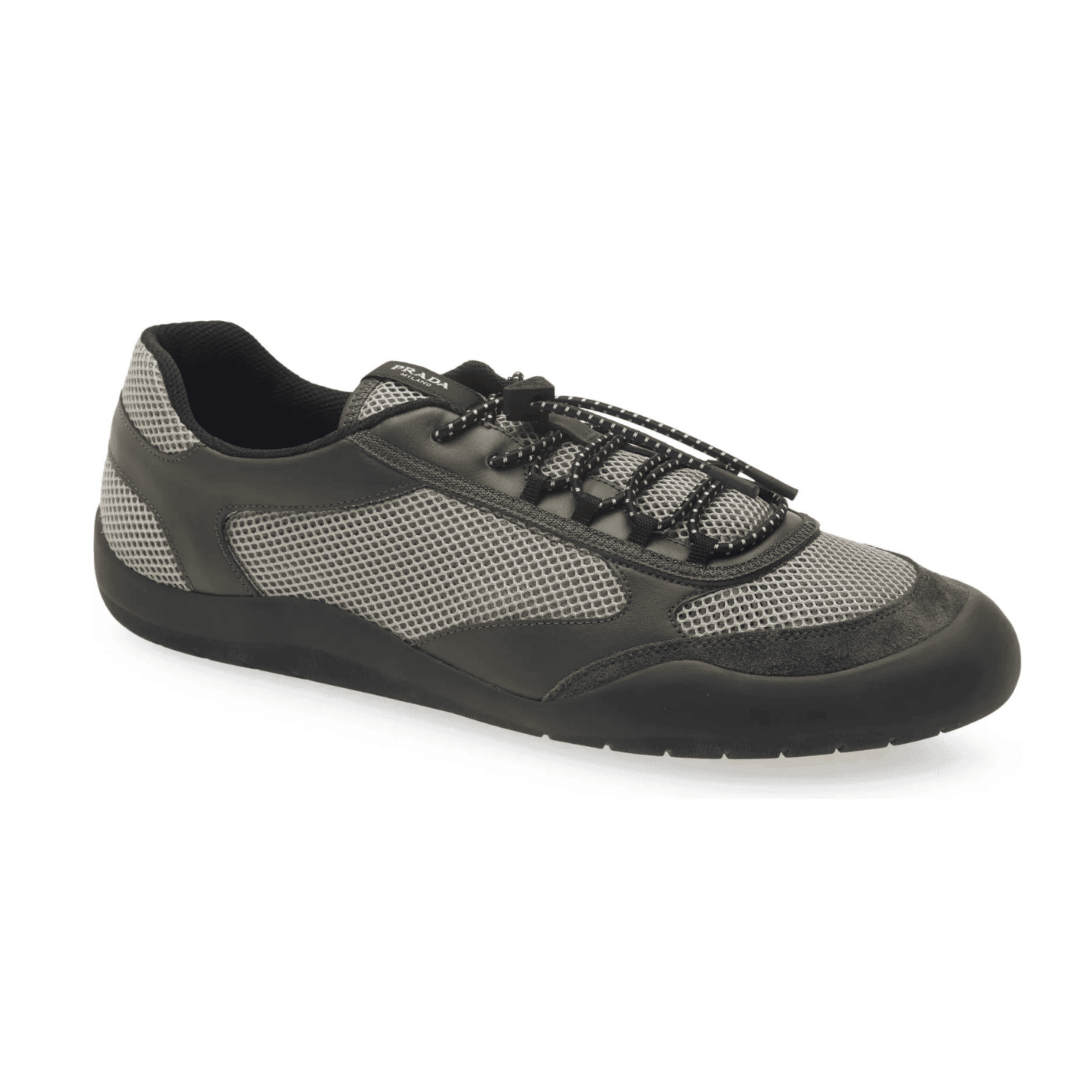
In the luxury iteration, these features are often replicated, albeit with different material priorities. For instance, the Loewe Grip Sneaker utilizes a full-wrap rand, which, while visually evocative of a climbing shoe, serves primarily as a decorative element in an urban environment. Similarly, the Prada Speedrock Mixed Media sneaker utilizes a diverse range of synthetic and leather components to achieve a "climbing-inspired" look. While these luxury brands do not market their products for vertical ascent, the design language—including the extended lacing systems that allow for a custom fit—is a direct derivation from the specialized footwear used by alpinists and trad climbers to traverse uneven mountain terrain.
Industry Responses and Access to Media Samples
The process of evaluating these luxury products within a performance-gear context has proven challenging. When contacted by media outlets regarding the performance of these items, luxury fashion houses have largely remained guarded. PR representatives for companies like Loewe and Prada have primarily focused on the aesthetic and branding aspects of their collections rather than providing technical data on friction coefficients or rubber durability.
Industry analysts suggest this silence is calculated. High-fashion brands maintain a controlled narrative, often opting to limit product placement to lifestyle publications where the gear is evaluated on its visual merit. When compared to the transparency of outdoor brands—which routinely provide rigorous specifications on tensile strength, water resistance, and traction—the luxury sector’s lack of technical disclosure highlights a fundamental misalignment between the two industries.
Data and Market Implications
The current market for approach shoes is dominated by specialized manufacturers like La Sportiva, Scarpa, and Black Diamond, where retail prices typically range from $130 to $200. The luxury sector’s entry, with price tags hovering between $1,000 and $1,200, creates an immediate dissonance in value proposition.
Economic analysis of the "gorpcore" phenomenon suggests that luxury consumers are paying for the brand equity and the rarity of the design rather than the functional utility. However, the influence of these luxury brands has begun to affect the consumer behavior of younger demographics, who may prioritize the "climbing look" over actual performance metrics. This shift threatens to dilute the specialized nature of climbing gear, turning a highly technical tool into a mass-market fashion accessory.
The Broader Impact on Outdoor Culture
The appropriation of technical climbing gear by high fashion is not an isolated event but rather the latest iteration of a long-standing pattern. In the 1990s and 2000s, brands like The North Face and Patagonia underwent similar transitions, moving from specialized expedition gear to mass-market urban staples. The difference in the 2026 climate is the speed at which this transition is occurring and the extreme disparity in pricing.
For the traditional climbing community, the concern is twofold. First, there is the issue of brand identity; when the specialized tools of a niche sport are commodified by luxury houses, the distinction between "serious gear" and "fashion apparel" blurs. Second, there is the potential for supply chain and manufacturing focus to shift toward aesthetic trends rather than performance innovation. If manufacturers begin to cater to the fashion market to secure higher margins, the development of truly high-performance climbing equipment could potentially stagnate.
Future Outlook
As the fashion cycle moves forward, it remains to be seen whether the "climbing-inspired" luxury sneaker will persist as a staple or remain a fleeting trend. Some industry experts suggest that the inherent discomfort of a true climbing-style shoe—which is designed to be tight and stiff—may eventually lead consumers to reject these luxury models in favor of more ergonomic footwear.
Conversely, if the trend continues, we may see an increase in "hybrid" footwear that attempts to bridge the gap between street fashion and outdoor performance. Regardless of the outcome, the events of 2026 serve as a case study in how luxury industries identify and assimilate the symbols of niche, performance-driven subcultures. For now, the climbing community remains the primary judge of performance, while the fashion world continues to look toward the mountains for its next aesthetic inspiration. The disconnect between these two worlds is not merely about price or function; it is about the difference between a tool designed for survival and a product designed for display.