The formal identification of a new cat species is an exceedingly rare scientific milestone, occurring only once in a century, yet the recent recognition of the Tilcayo tiger cat (Leopardus tilcayo) underscores a fascinating intersection between advanced genetic analysis and traditional field photography. Published in the peer-reviewed journal Current Biology, the comprehensive study details how researchers successfully differentiated this elusive Bolivian feline from known related species through state-of-the-art genomics. However, archival field notes, historic scientific illustrations, and modern photography played an indispensable role in steering zoologists toward the breakthrough.
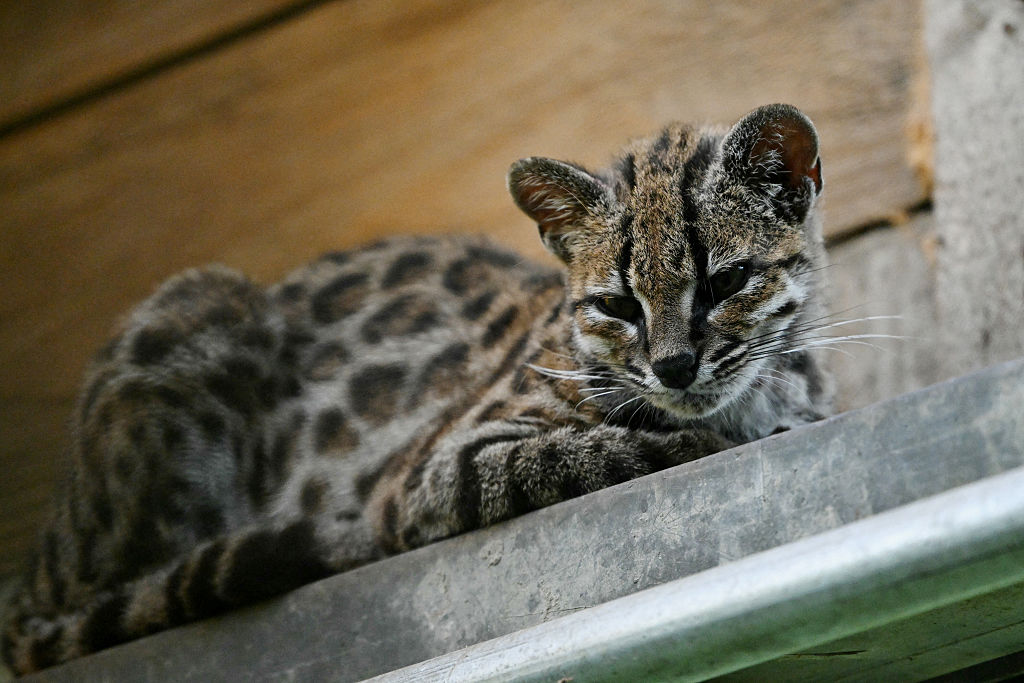
The discovery centers around a specimen encountered in Bolivia’s rugged Yungas region, near Coroico. Biologist and National Geographic Explorer Paola Nogales-Ascarrunz initially documented the animal at a local wildlife sanctuary, capturing scores of detailed photographs. By cross-referencing these visual records with comparative imagery found in regional field guides and historical taxonomic archives, Nogales-Ascarrunz realized that the cat’s distinct pelage markings—its unique pattern of rosettes and spots—did not align with any previously cataloged species within the Leopardus genus. This visual anomaly served as the critical catalyst that prompted a deeper, multi-year scientific investigation combining phenotypic observation with molecular taxonomy.
The Chronology of a Century-First Discovery
The path to identifying Leopardus tilcayo spans years of rigorous field research, laboratory testing, and international collaboration. While modern zoological discoveries frequently rely heavily on DNA sequencing, the timeline of this discovery highlights how physical observation and imaging remain the foundational first steps in wildlife research.
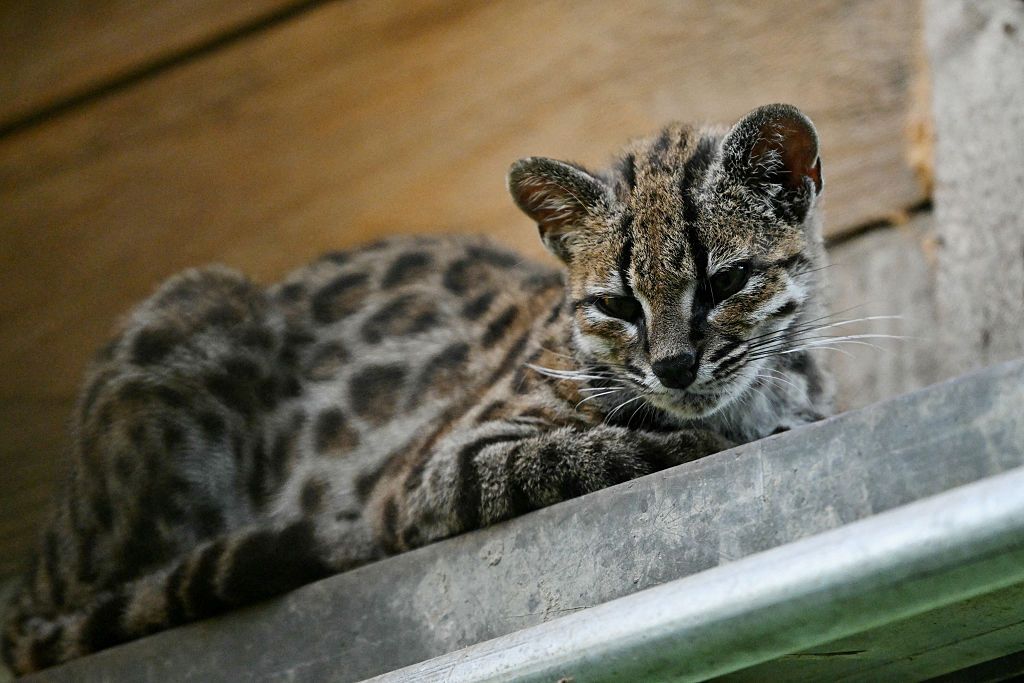
In the early stages of the project, researchers deployed camera traps across remote, inaccessible corridors of the Bolivian Andes. These automated optical devices are vital for monitoring elusive carnivores that inhabit dense cloud forests and high-altitude terrain where human presence is sparse or seasonal. Footage gathered from these remote lenses captured subtle variations in coat patterns, body size, and facial structures among small wild cats inhabiting the eastern slopes of the Andes.
Following initial field encounters and photographic cataloging, biological tissue samples were collected for genomic sequencing. Advanced laboratory analyses compared mitochondrial and nuclear DNA from the Bolivian specimens against established databases of neotropical felids, including Geoffroy’s cat, the ocelot, the oncilla, and the kodkod. The genetic divergence observed in the laboratory definitively confirmed that the population represented a distinct phylogenetic lineage, culminating in the formal species description published in Current Biology.
The Dual Role and Limitations of Camera Trapping
Camera traps have revolutionized modern wildlife conservation, providing researchers with an unprecedented window into the secretive lives of nocturnal and elusive animals. In dense ecosystems such as the Yungas region of Bolivia, traditional observation is often impossible due to dense foliage, steep topography, and adverse weather conditions. Motion-activated cameras bridge this gap, capturing natural behaviors without human interference.
Despite their immense utility, the research team behind the Leopardus tilcayo discovery noted inherent limitations within current camera-trapping methodologies. In their published findings, Nogales-Ascarrunz and colleagues emphasized that phenotypic similarities among small neotropical cats frequently lead to field misidentifications. Coat patterns within the genus Leopardus exhibit high levels of natural variation, meaning that visual cues alone—even high-resolution photographs captured by automated traps—can occasionally fail to distinguish closely related sister species.
This realization highlights the modern necessity of a multidisciplinary approach. While photography and camera trapping remain invaluable for locating populations, mapping geographic distributions, and securing initial records, definitive taxonomic classification increasingly demands the corroborating power of genomics. Professional wildlife documentary series, such as Apple TV+’s The Wild Ones, have brought these intricate field methodologies to mainstream audiences, detailing the complex deployment strategies utilized by specialists like camera trap expert Declan Burley to monitor rare fauna in extreme environments.
Technological Tools for Wildlife Enthusiasts and Researchers
The synergy between casual wildlife observation and formal scientific research has been greatly enhanced by advancements in consumer imaging technology. For conservationists, field biologists, and amateur naturalists seeking to document nature without encumbering themselves with heavy professional telephoto systems, the market offers specialized solutions that balance focal reach with optical fidelity.
Bridge cameras, characterized by their fixed, high-magnification zoom lenses and robust ergonomic designs, have emerged as popular instruments for wildlife enthusiasts. Models such as the Nikon Coolpix P1100 provide extreme focal lengths—reaching a 35mm equivalent of 24-3000mm—making distant subjects accessible to observers in the field. Conversely, alternatives like the Sony RX10 V prioritize fast autofocus acquisition and superior low-light image quality over extreme reach, offering a balanced performance envelope for tracking moving animals in challenging forest canopies.
These consumer-grade and prosumer-grade imaging tools empower citizen scientists to contribute meaningful visual data to regional biodiversity databases, supporting professional conservation efforts by flagging unusual phenotypes that may warrant closer scientific inspection.

Broader Implications for Neotropical Conservation
The official recognition of Leopardus tilcayo carries significant implications for regional conservation policy and biodiversity management in South America. The eastern slopes of the Andes, particularly the Yungas ecoregion of Bolivia, represent critical transition zones harboring exceptionally high rates of endemic flora and fauna. However, these fragile habitats face escalating anthropogenic pressures, including agricultural expansion, deforestation, infrastructure development, and climate change.
Historically, conservation funding and protected area designations have prioritized larger, charismatic megafauna such as jaguars and spectacled bears. The validation of a new apex or meso-predator within the region refocuses scientific attention on the complex trophic webs sustaining Andean ecosystems. Small wild cats play a vital role in regulating rodent and small mammal populations, serving as bioindicators of overall ecosystem health.
Furthermore, identifying a new felid species fundamentally alters conservation planning by establishing a newly defined endemic unit requiring targeted protection. Conservation organizations and local authorities must now assess the geographic range, population density, and specific habitat vulnerabilities of Leopardus tilcayo to design effective wildlife corridors and prevent premature population declines.
As molecular techniques continue to advance, scientists speculate that other cryptic species may be awaiting discovery within poorly sampled tropical and subtropical refugia. The triumph of the Tilcayo tiger cat serves as a powerful testament to the enduring value of collaborative science—where the sharp eye of a field biologist with a camera, combined with the precision of genomic sequencing, can still rewrite our understanding of Earth’s mammalian biodiversity after more than a century of relative stasis.