The Evolution of Apple’s Health Strategy
Since the inception of the Apple Watch in 2015, the company has dominated the premium wearable market by positioning its hardware as a comprehensive digital companion. However, the wearable industry has seen a bifurcation in consumer demand. On one side, users prioritize the "smart" features of high-end watches—notifications, cellular connectivity, and interactive apps. On the other, a growing segment of health-conscious consumers is gravitating toward "invisible" technology: devices that prioritize long-term biometric monitoring without the distraction of a screen.
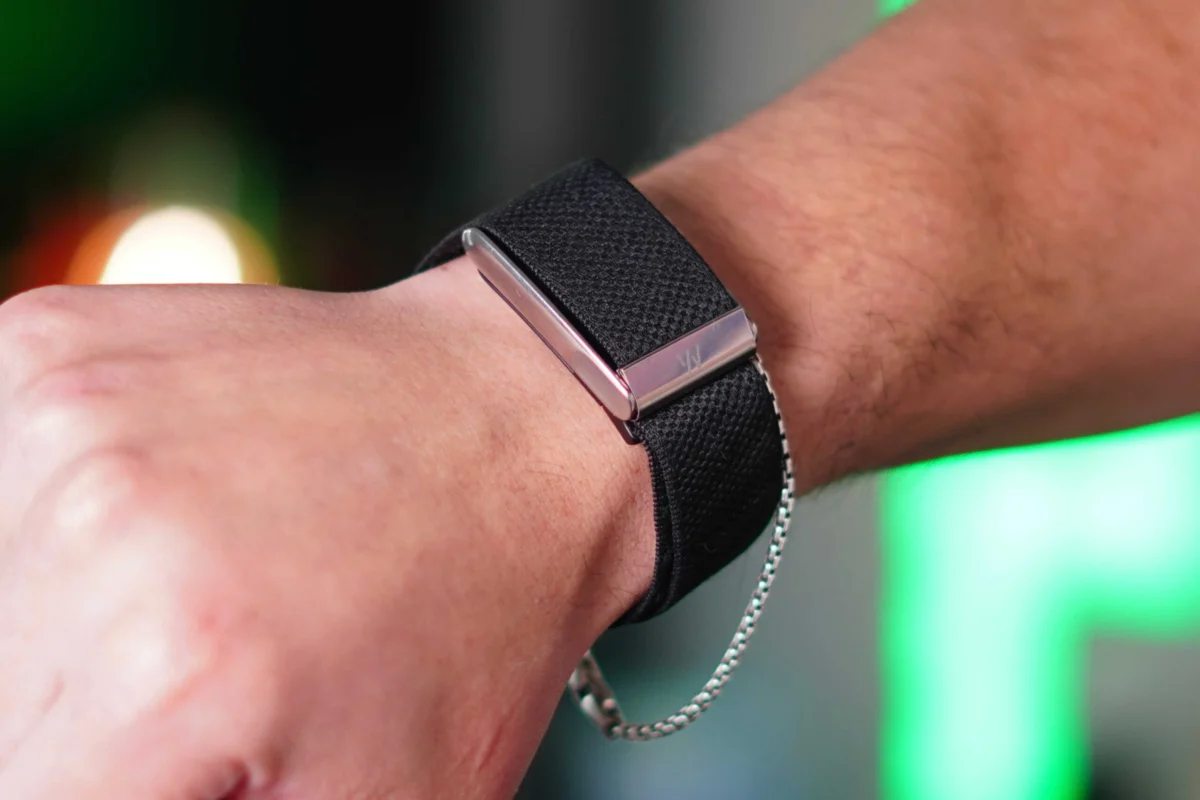
The entry of a screenless tracker into Apple’s portfolio would represent a departure from the "all-in-one" device philosophy. By focusing on a form factor that emphasizes comfort and aesthetics, Apple is likely looking to capture the demographic that finds traditional smartwatches too bulky or visually distracting. This shift aligns with broader industry trends where biometric data accuracy and recovery metrics, such as heart rate variability (HRV), sleep staging, and blood oxygen saturation, are prioritized over social media alerts and text messaging.
Chronology of Wearable Market Shifts
The wearable landscape has evolved rapidly over the past decade. The following timeline outlines the progression of fitness tracking technology:
- 2012-2014: The rise of simple step counters and early sleep trackers, such as the Fitbit Flex and the Jawbone UP, which popularized the screenless, wrist-worn aesthetic.
- 2015: The launch of the Apple Watch, which shifted the market toward high-resolution displays and integrated operating systems.
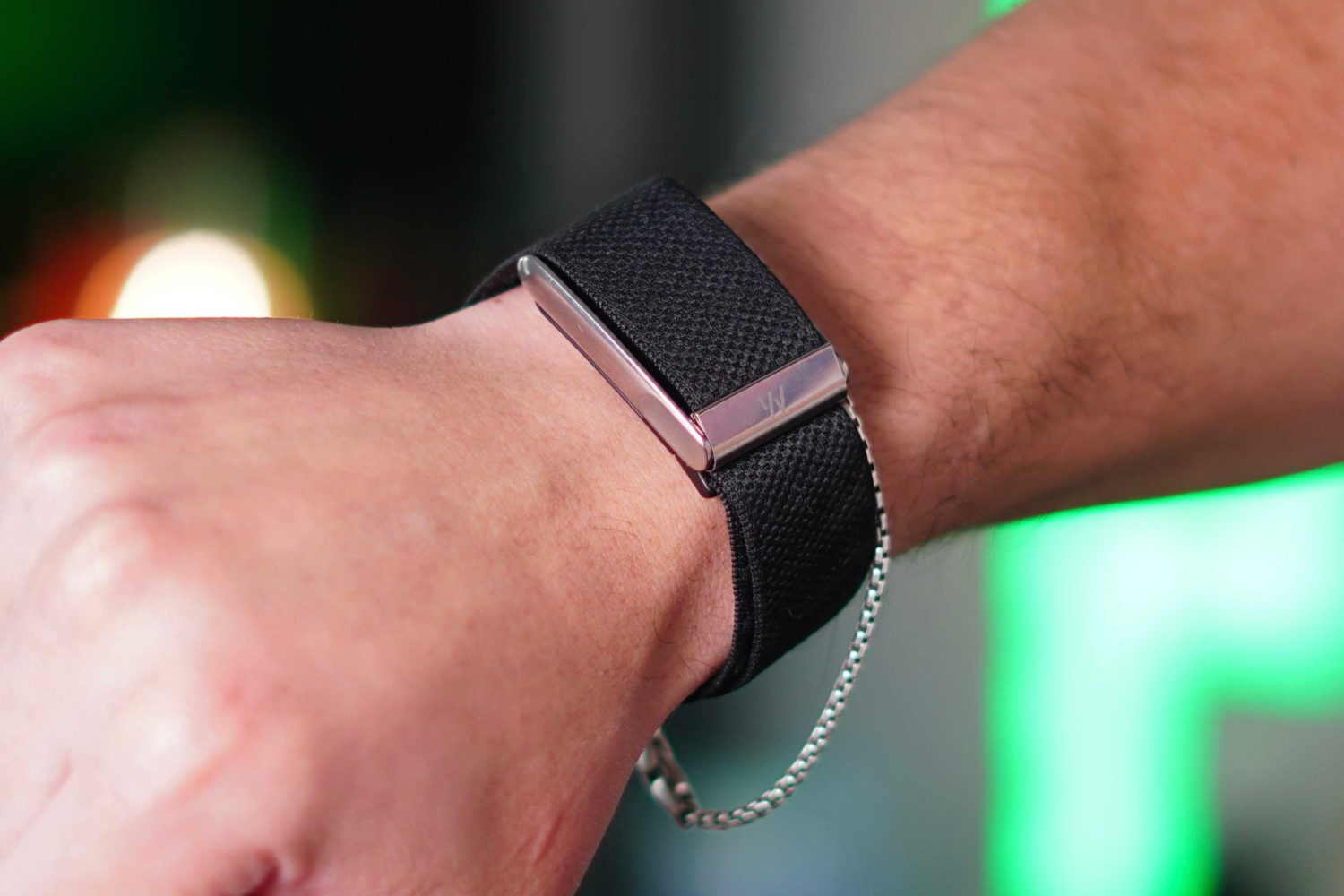
- 2019-2021: The emergence of specialized recovery-focused wearables, most notably the WHOOP band, which utilized a subscription-based model to provide deep-dive analytics for elite athletes and data-driven consumers.
- 2023-2025: The "Ring" and "Band" renaissance, characterized by the Oura Ring and specialized fabric-based trackers that emphasize continuous, low-friction monitoring.
- 2026 and Beyond: Industry speculation regarding Apple’s entry into the screenless category, reflecting a strategic response to the saturation of the general-purpose smartwatch market.
Addressing the Friction of Current Technology
One of the primary challenges identified in the current wearable market is the "friction" associated with user interaction. Current devices like the WHOOP rely heavily on background data collection, but they often struggle with automatic workout detection. Users frequently find themselves needing to retroactively log data or manually trigger tracking, which can be an annoyance during high-intensity activities.
For Apple, the challenge lies in improving the user experience through intelligent software integration. A screenless device would ideally be paired with the existing Apple Health ecosystem, allowing it to leverage the sophisticated classification models Apple has refined through years of Watch data. If Apple can develop a system that reliably detects physical activity—distinguishing between a brisk walk, a high-intensity interval training session, and a recovery phase—without requiring manual input, it would hold a distinct advantage over existing products.
Industry experts suggest that the integration of a physical interaction mechanism, such as a tactile button or an LED status indicator, would be essential for this device to gain traction. Such features would provide the user with immediate confirmation that data collection is active, mitigating the uncertainty that currently plagues fully automated, screenless systems.
Data-Driven Performance and Market Competition
The demand for "invisible" wearables is rooted in data. Studies have shown that users are more likely to achieve long-term health goals when tracking is continuous and requires minimal conscious effort. According to market research, the "wearables-as-a-service" model—exemplified by WHOOP—has proven successful, with many users demonstrating higher engagement with their health metrics when they are removed from the cycle of daily charging and constant notifications.
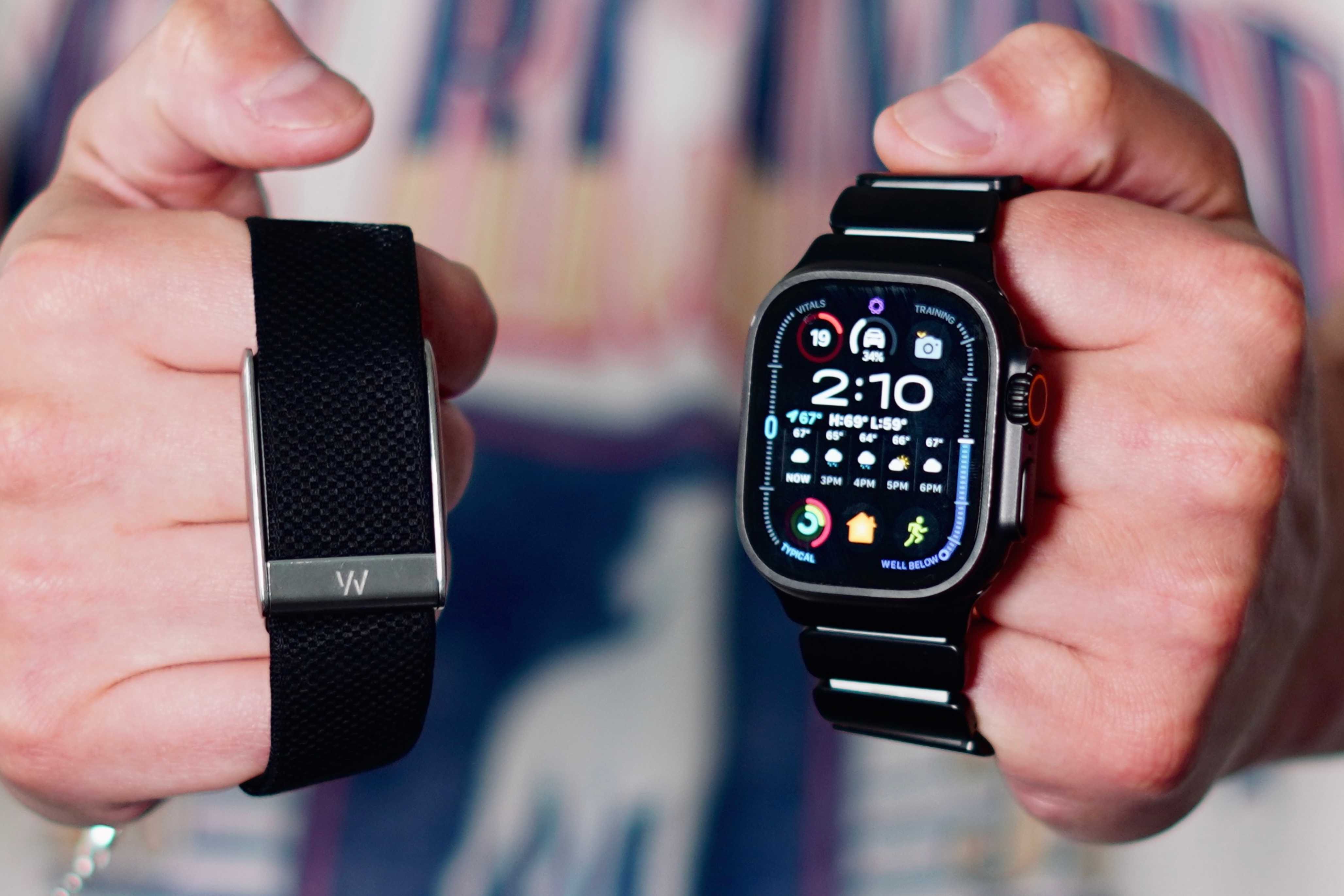
However, Apple’s potential entry poses a direct threat to existing players. Unlike smaller companies, Apple possesses a massive, pre-existing install base. By integrating a lower-cost, screenless tracker into the Apple Health environment, the company could theoretically convert millions of users who are currently hesitant to commit to a multi-hundred-dollar smartwatch but are interested in basic health tracking.
Technical Implications and Design Hurdles
The development of a fabric-based sensor module involves complex engineering. A primary concern is the balance between battery life and data resolution. Smartwatches, with their large batteries, can support frequent data polling. A screenless band must accomplish similar results with a significantly smaller battery footprint.
Apple’s engineering teams are reportedly focusing on power efficiency and the miniaturization of sensors. This aligns with the company’s history of integrating proprietary silicon—such as the S-series chips found in the Apple Watch—into increasingly smaller form factors. If the device is to function effectively, it must support high-fidelity sensor arrays, including ECG, PPG (photoplethysmography) for heart rate, and temperature sensors, while maintaining a multi-day, if not weekly, battery life.
Broader Impact on the Health Industry
The introduction of an Apple-branded screenless tracker could catalyze a shift toward more specialized health hardware. If Apple validates this product category, it is likely that other major technology firms will follow suit, leading to a surge in competition. This could drive down costs, improve the accuracy of consumer-grade biometric sensors, and encourage the medical community to more readily accept wearables as tools for clinical monitoring.

Furthermore, the focus on privacy remains a pillar of Apple’s branding. A device that collects sensitive biometric data without the potential for data leakage associated with third-party apps provides a significant competitive moat. Apple’s end-to-end encryption of health data stored in the Health app would likely be a primary selling point for consumers wary of sharing their personal health metrics with smaller, less-regulated companies.
Analysis of Future Market Positioning
The decision to develop this device is not merely about creating a new product; it is about reinforcing the "Apple Health" ecosystem. As the company moves toward more proactive health services, having a device that can be worn 24/7 without the distraction of a screen allows for cleaner, more consistent data sets. This, in turn, fuels the development of predictive health algorithms, potentially allowing Apple to detect early signs of illness or stress more effectively than it could with a device that is often removed for charging or for "unplugging" purposes.
Whether this device will successfully disrupt the current wearable market remains to be seen. The success of the project will likely hinge on the price point and the depth of the integration with the iPhone. If priced as a mass-market accessory, it could redefine how the average person interacts with their own health data. If positioned as a high-end, niche product, it may struggle to find a foothold against established, purpose-built fitness trackers.
As development continues through the latter half of the decade, the technology sector will be watching closely to see how Apple balances its signature design language with the utilitarian requirements of a minimalist fitness tracker. The convergence of high-end hardware engineering and long-term health monitoring promises to be one of the most significant developments in the wearable space for the foreseeable future.