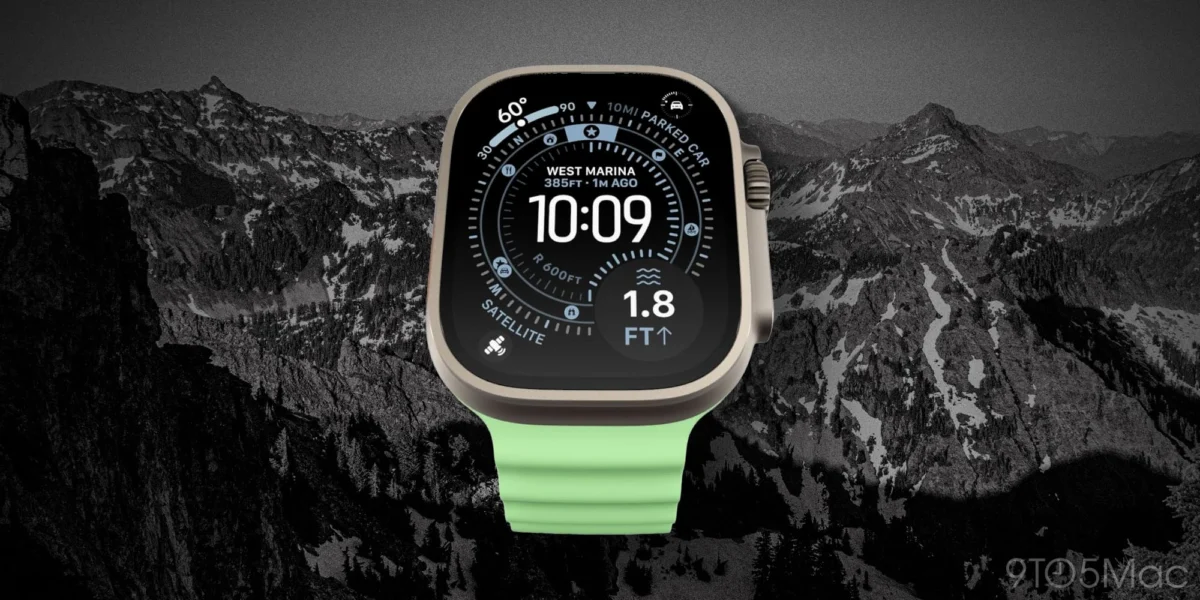











Apple has expanded its ongoing "True Apple Watch Story" documentary campaign with two new video features, underscoring the shift in the company’s marketing strategy from emphasizing hardware specifications to highlighting the tangible, often life-saving, real-world utility of its wearable devices. By chronicling the individual experiences of users like Josh and Morgan, Apple continues to solidify the position of the Apple Watch as a vital instrument in modern preventative medicine and personal health management.
The Evolution of the True Apple Watch Story Campaign
The "True Apple Watch Story" initiative represents a strategic pivot for Apple’s marketing department. Historically, Apple relied on showcasing the technical prowess of its devices—such as processor speed, display brightness, and material durability. However, in recent years, the company has leaned into "human-centric" storytelling. This transition began in earnest with the "Dear Apple" segments, which were prominently featured during product launch events. These segments served as direct testimonials, with users reading letters of gratitude addressed to Apple CEO Tim Cook, detailing how the device’s health sensors identified irregularities or encouraged positive lifestyle changes.
This approach has since evolved into a robust, global content strategy. Beyond the domestic US market, Apple has deployed similar campaigns in international regions, including a notable initiative in China that leveraged podcasts and localized testimonials to emphasize the device’s SOS and emergency health features. The release of the two new videos today is a continuation of this narrative thread, reinforcing the notion that the Apple Watch is not merely a companion for the iPhone, but a dedicated health guardian.
Case Study I: Josh’s Transformation via Activity Rings
The first of the two newly released videos features the story of Josh, a user who navigated a significant physical health transformation. Before his engagement with the Apple Watch, Josh reported a body weight of approximately 340 pounds. His journey was rooted in the utilization of the watch’s "Activity Rings" system—a gamified interface that tracks movement, exercise, and standing hours.
The behavioral psychology behind the Activity Rings is a core component of Apple’s fitness ecosystem. By providing immediate visual feedback and encouraging consistent, daily movement, the system seeks to lower the barrier to entry for users struggling with sedentary lifestyles. For Josh, the digital nudges and progress tracking provided the necessary accountability to initiate and sustain a long-term fitness regimen. His experience serves as a case study in how passive health tracking can act as a catalyst for significant clinical improvements, such as weight reduction and cardiovascular health enhancement.
Case Study II: Morgan’s Medical Intervention
The second video highlights the story of Morgan, whose experience provides a stark example of the device’s diagnostic potential. Morgan’s account details a medical emergency involving a kidney infection that rapidly deteriorated into septic shock. Sepsis is a life-threatening reaction to an infection that causes tissue damage, organ failure, and death if not treated promptly.

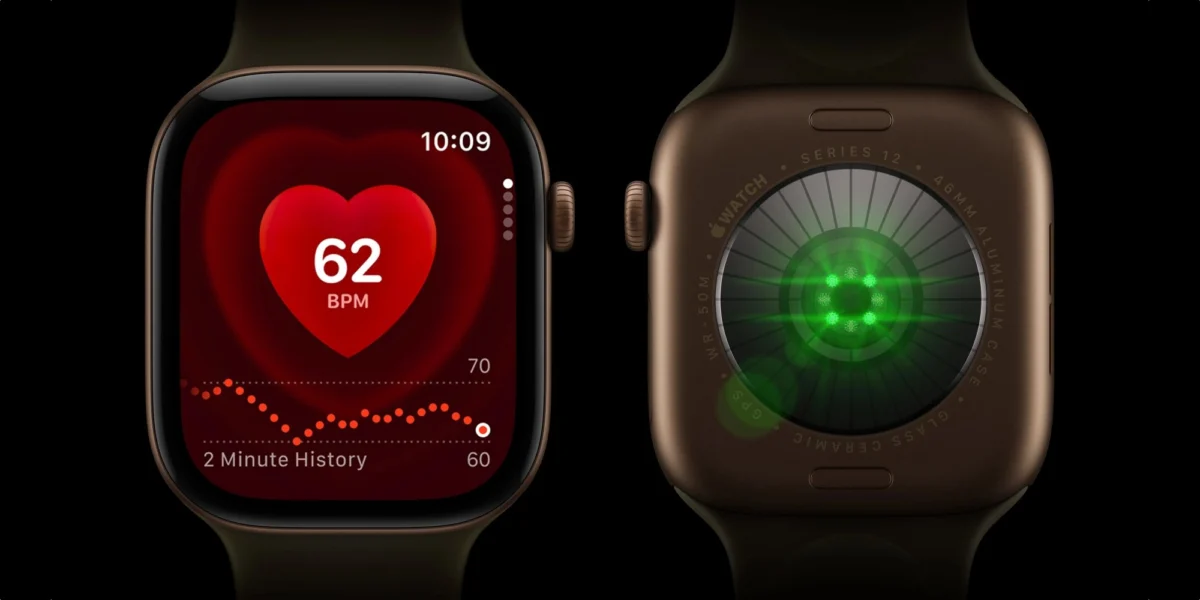
According to Morgan, the Apple Watch played a critical role in her survival by triggering high heart rate notifications. When her heart rate climbed to concerning levels as her body began to struggle with the infection, the watch’s sensors alerted her to the anomaly. This notification served as a crucial early warning, prompting her to seek professional medical intervention before the condition reached a terminal stage. The incident serves as a practical demonstration of the device’s "Heart Health" features, which rely on optical heart sensors to monitor for irregularities, including atrial fibrillation and abnormal resting heart rates.
The Data Behind the Hardware: Analyzing Wearable Efficacy
The anecdotal evidence presented by Apple is supported by a growing body of clinical data regarding wearable technology. The Apple Watch utilizes a combination of photoplethysmography (PPG) and, in newer models, electrocardiogram (ECG) sensors to monitor heart rhythm.
Clinical research has consistently shown that these devices can improve the early detection of cardiac conditions. For instance, studies conducted in conjunction with major medical institutions, such as the Stanford University School of Medicine, have demonstrated that the Apple Watch can accurately identify pulse irregularities suggestive of atrial fibrillation (AFib). While the device is not a replacement for medical equipment or professional diagnosis, it acts as a primary screening tool that can bridge the gap between subtle physiological changes and clinical consultation.
Furthermore, the integration of health data into the Apple Health app allows users to provide their physicians with longitudinal data. Instead of relying on a "snapshot" taken during a single office visit, doctors can now review weeks or months of heart rate variability, activity levels, and sleep patterns. This data-driven approach to primary care is increasingly recognized by the medical community as a tool to reduce the time between the onset of symptoms and diagnosis.
Official Responses and Institutional Perspective
Apple has maintained that its goal is to empower users to take control of their own health. The company often cites that its health features are designed to provide "peace of mind" rather than acting as a medical diagnostic device. However, the consistent deployment of these "True Apple Watch Story" videos suggests that the company is keenly aware of the marketing leverage gained by associating the product with life-saving events.
While Apple does not officially comment on individual medical cases beyond these produced videos, the company’s broader stance—as frequently articulated by executives like Jeff Williams, Chief Operating Officer—is that the integration of hardware and software can fundamentally change the trajectory of public health. By enabling users to recognize symptoms that might otherwise be ignored, the watch acts as a catalyst for early clinical engagement.
Broader Implications for the Wearable Industry
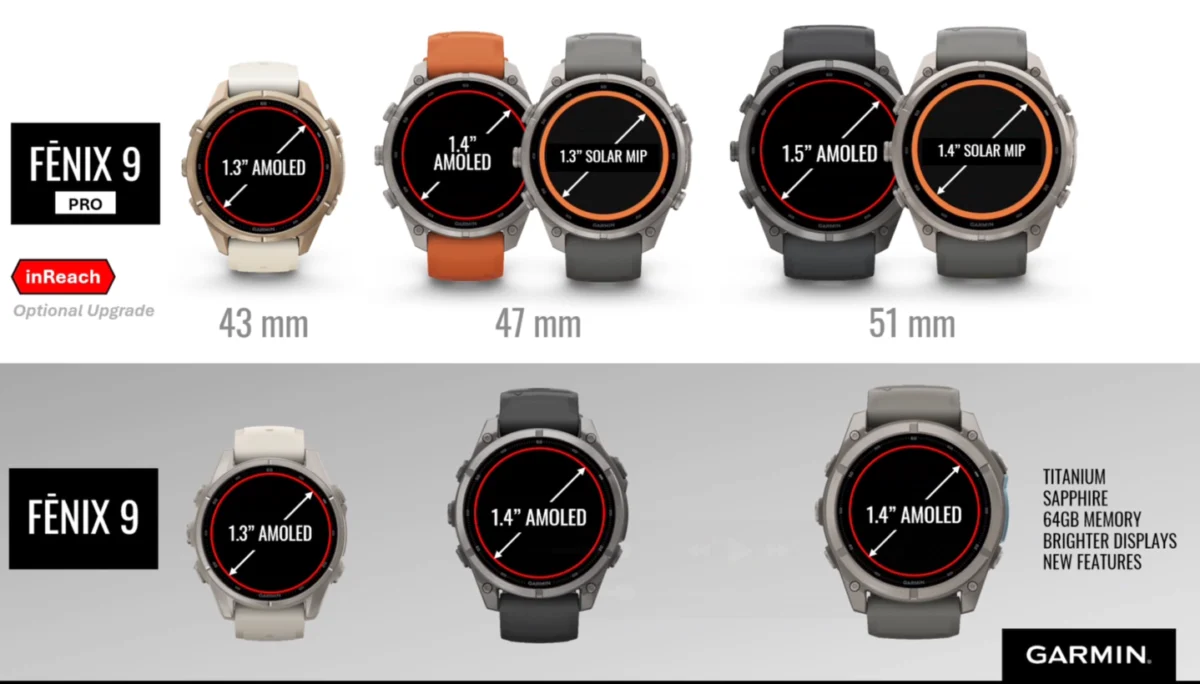
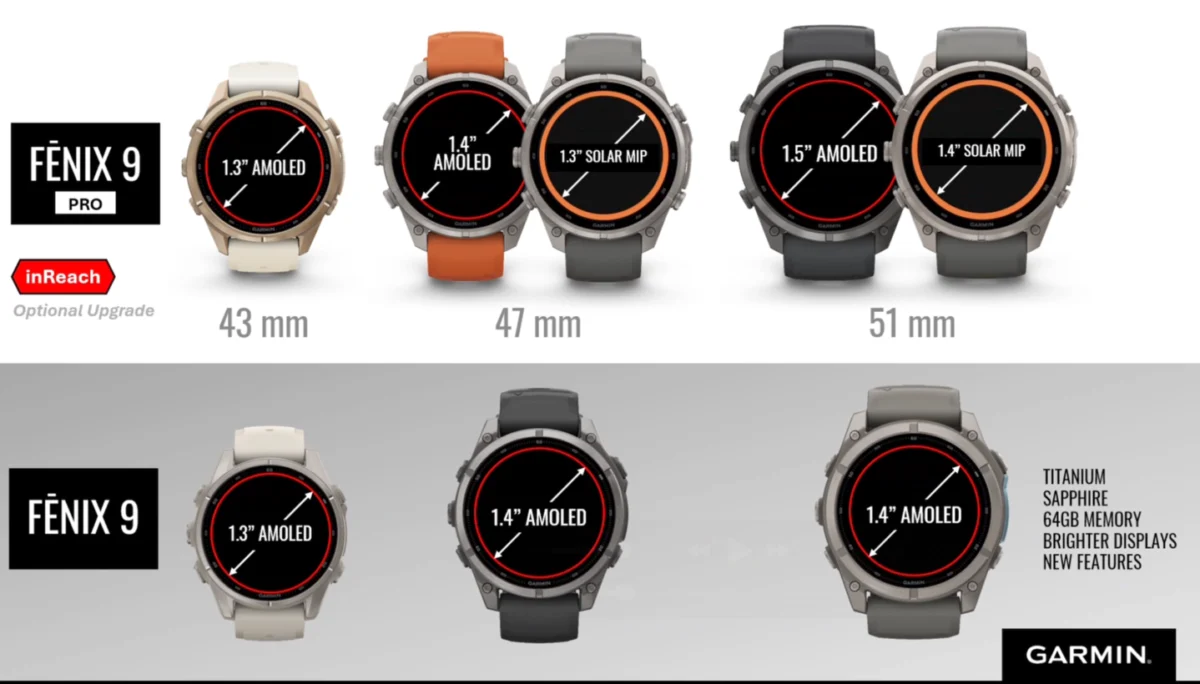
The success of the "True Apple Watch Story" series has broader implications for the consumer electronics industry. Competitors such as Garmin, Samsung, and Google (Fitbit) have also begun to pivot their messaging toward health and safety. The industry is moving away from a "feature-war" model—where the focus was on battery life or screen resolution—toward a "wellness-ecosystem" model.

However, this transition introduces new regulatory and ethical questions. As tech companies move deeper into the health space, they face increased scrutiny from regulatory bodies such as the US Food and Drug Administration (FDA) and the European Medicines Agency (EMA). Ensuring that these devices do not lead to "alarm fatigue"—where users are overwhelmed by false positives—remains a significant engineering and design challenge.
Moreover, the ethical implications of data privacy are paramount. As Apple continues to build a repository of health-related stories and user data, the company must balance the utility of its health features with the rigorous protection of personal medical information. The "True Apple Watch Story" campaign acts as a soft-power marketing tool that builds trust with consumers, suggesting that their health data is being used to foster better outcomes rather than solely for commercial gain.
Looking Ahead
The addition of Josh and Morgan’s stories to the public record highlights a trend that is likely to continue as sensors become more sophisticated. Future iterations of the Apple Watch are rumored to include non-invasive blood glucose monitoring and blood pressure trend tracking, which would further expand the device’s role in the medical landscape.
As the line between personal technology and medical equipment continues to blur, the "True Apple Watch Story" campaign will likely remain a cornerstone of Apple’s branding. It provides a human face to complex engineering, transforming abstract biometric data into a narrative of survival, resilience, and lifestyle improvement. For now, these stories serve as a testament to the current capabilities of wearable technology and the potential for these devices to redefine the relationship between the average consumer and their long-term health.
As users continue to share their experiences, the cumulative weight of these narratives serves as a powerful endorsement of the device’s utility, ultimately influencing purchasing decisions and setting a high standard for what consumers expect from their smart wearables in an increasingly health-conscious world.