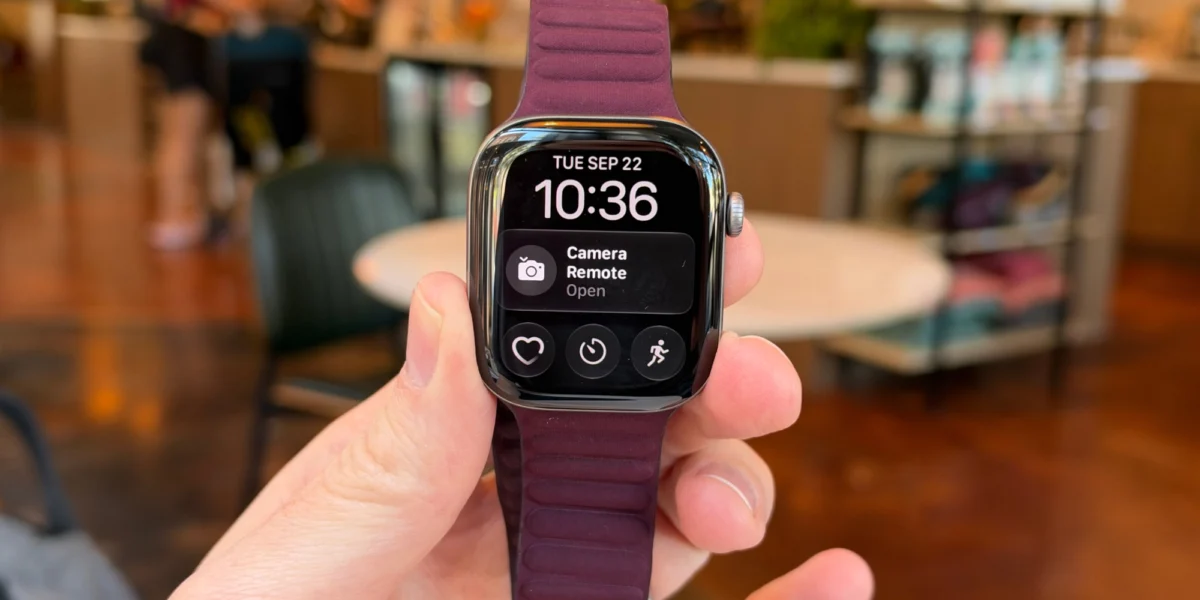
The Apple Watch Series 12 has officially entered the consumer market, marking a significant shift in Apple’s wearable strategy following a period of iterative hardware updates. Priced starting at $399, the device introduces the S11 silicon architecture, an overhauled health sensing suite, and enhanced charging capabilities. This release arrives at a critical juncture for Apple, as the company seeks to maintain its dominance in the smartwatch segment against increasing competition from specialized fitness trackers and integrated health-monitoring platforms.
The Evolution of the Apple Silicon Roadmap
The integration of the S11 chip represents a departure from the stagnant performance benchmarks observed in recent years. Since the introduction of the S9 chip, Apple had largely focused on display efficiency and minor software-driven optimizations rather than core processing power. The S11 architecture is designed to address the increased computational demands of watchOS 27, particularly the suite of artificial intelligence features branded as Siri AI.
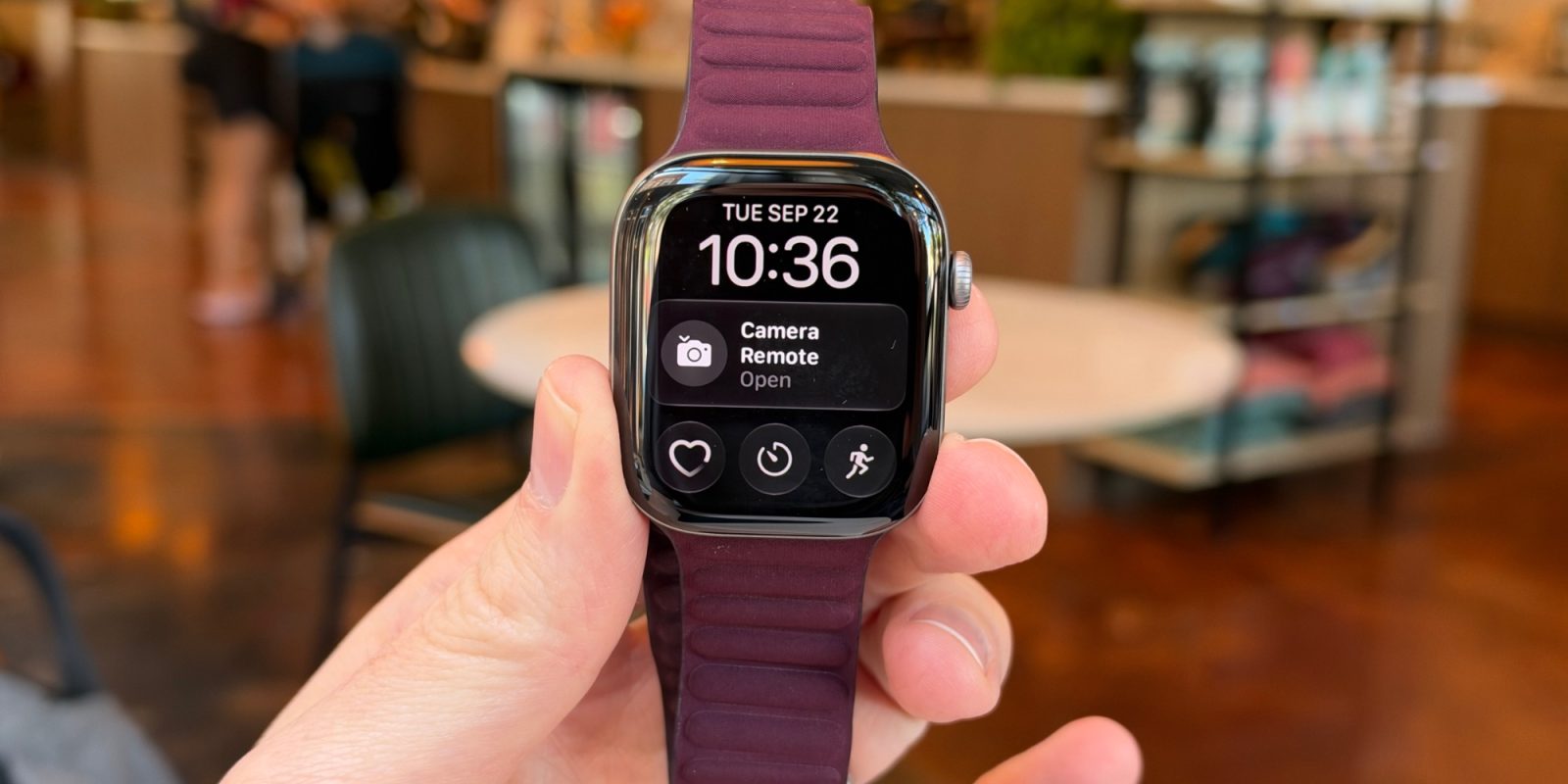
The transition to the S11 chip is not merely a quantitative improvement in clock speed; it is a fundamental shift in how the device handles on-device machine learning. Previous models often struggled with latency when executing complex voice queries or real-time data processing tasks. Early diagnostic testing suggests that the S11 mitigates these bottlenecks, providing a fluid user experience that allows for more advanced interactions with the device’s operating system. By localizing more processing power within the watch itself, Apple reduces its reliance on the paired iPhone, a necessary step toward the long-term goal of increasing the independence of the wearable platform.
A New Standard in Health Monitoring
Central to the Series 12 identity is the implementation of a proprietary Health Sensing System. While heart rate and step counting have been standard features for a decade, the Series 12 introduces a higher degree of granularity. The sensor array has been recalibrated to offer better precision during high-intensity intervals and low-impact resting periods.
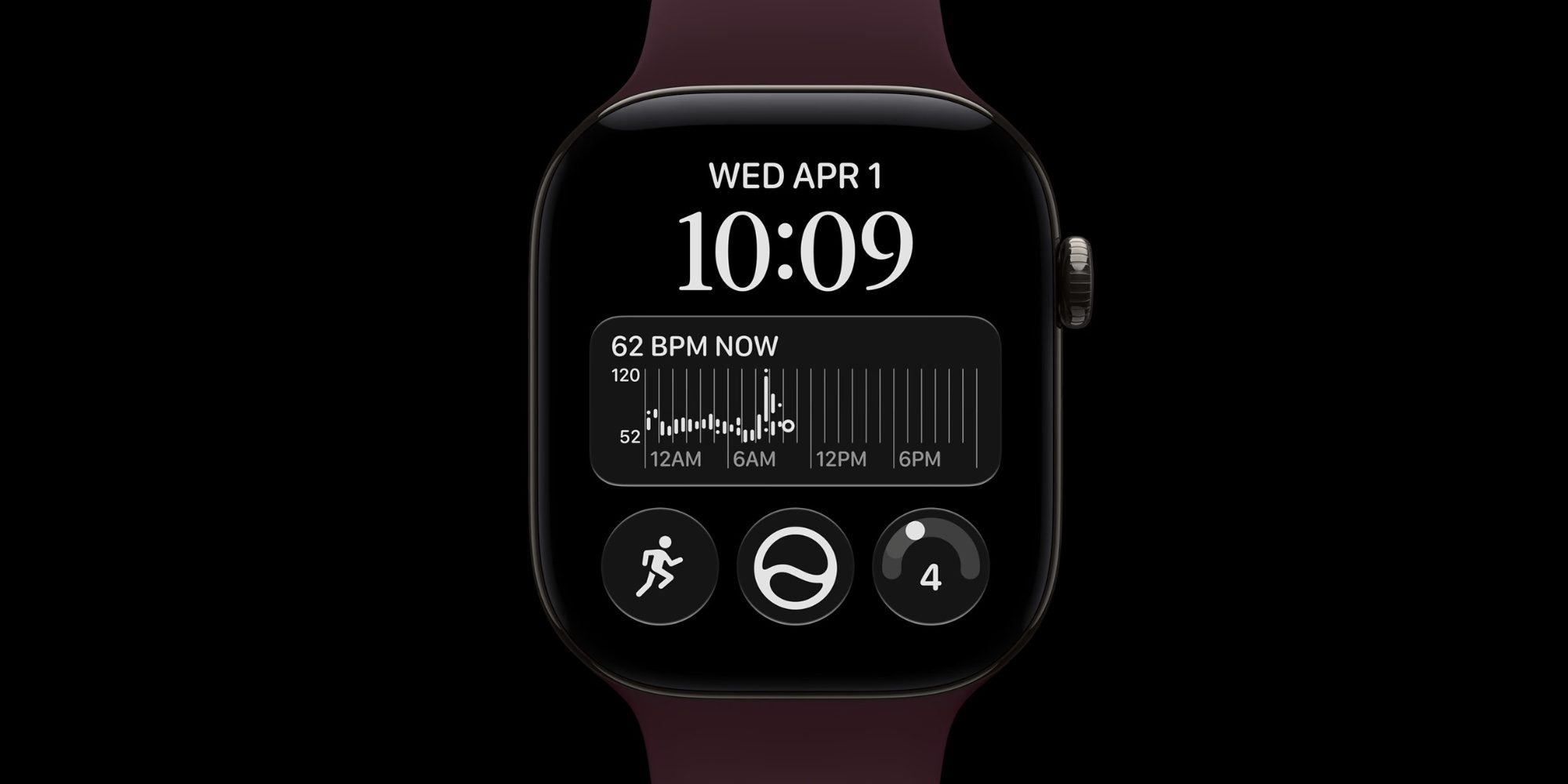
The most notable interface change resulting from this hardware upgrade is the introduction of dedicated health complications. Users can now integrate real-time heart rate data, step counts, and a "readiness score"—a metric derived from sleep quality, recovery, and recent exertion—directly onto the watch face. This shift moves the Apple Watch from a reactive data logger to a proactive wellness dashboard. By providing immediate visibility into these metrics, Apple is positioning the Series 12 as a essential tool for users managing chronic health conditions or those adhering to structured athletic training programs.

Battery Life and Charging Efficiency
Battery performance remains the primary constraint for the modern smartwatch, and the Series 12 presents a nuanced solution. While the overall runtime is largely comparable to the Series 11 for daily usage, Apple has optimized the power management system to provide a 25% increase in efficiency during sustained outdoor workout tracking. This improvement is likely achieved through more efficient power gating in the S11 chip, which minimizes energy draw during GPS-intensive activities.
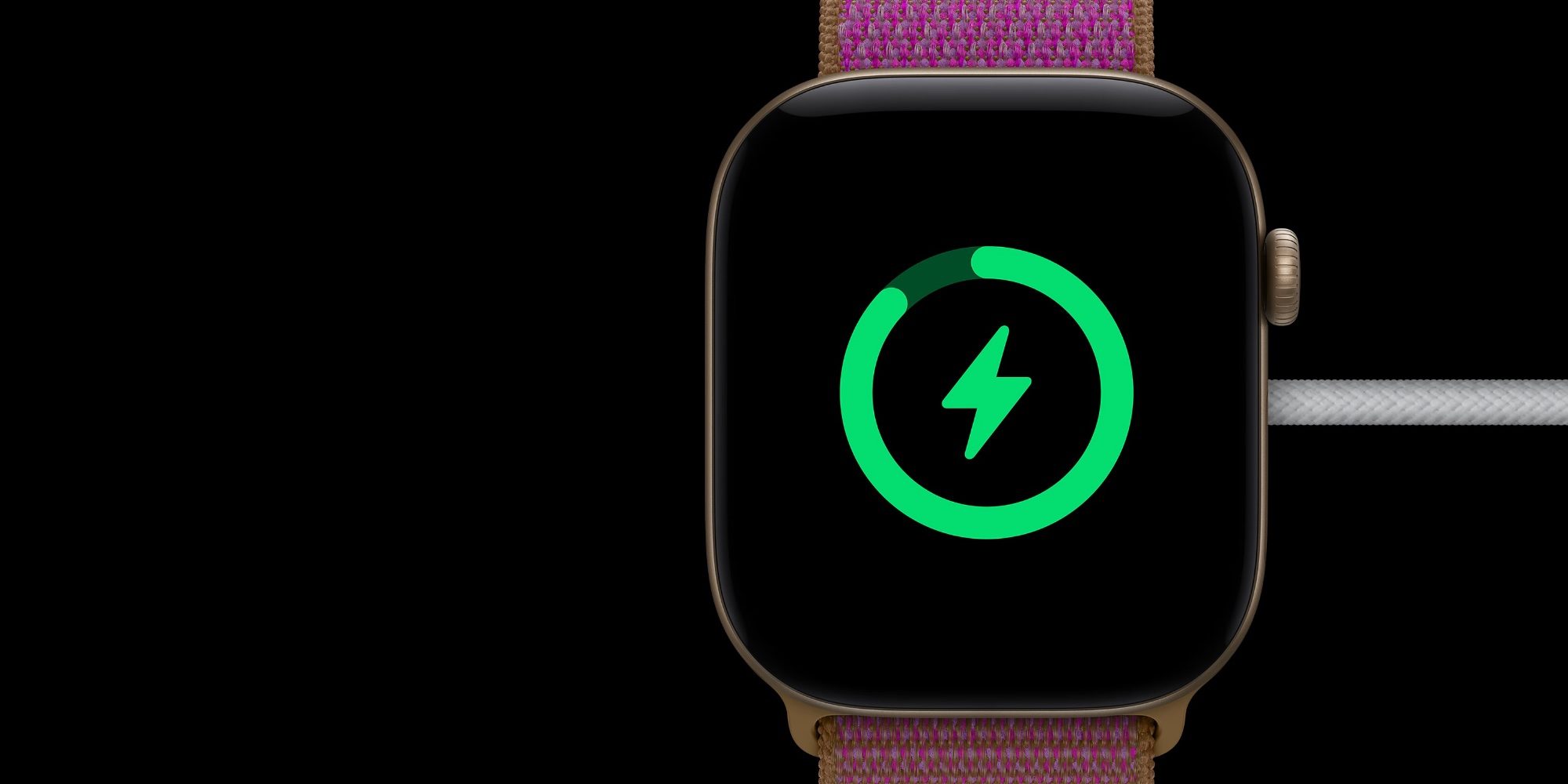
Perhaps more significant for the average consumer is the enhancement of the charging architecture. In a fast-paced environment where sleep tracking has become a primary use case, the ability to rapidly recharge the device is vital. The Series 12 supports a higher wattage input compared to its predecessor, allowing the battery to reach full capacity in significantly less time. This technical adjustment acknowledges a shift in user behavior: many consumers are now wearing their devices 24 hours a day, leaving only narrow windows for charging. By reducing the time the device must spend on its magnetic dock, Apple has effectively increased the total utility of the wearable for the sleep-tracking demographic.
Contextualizing the Market Shift
The launch of the Series 12 occurs during a transformative period for Apple’s hardware division. The last two years were characterized by a focus on refinement rather than innovation, leading to a segment of the user base that had deferred upgrades. By introducing substantial changes in both silicon and health monitoring, Apple is attempting to reinvigorate the upgrade cycle.
Market analysts observe that the smartwatch industry is currently transitioning from a "gadget" phase to a "health-critical" phase. Consumers are increasingly evaluating devices based on their medical-grade utility rather than their aesthetic or connectivity features. The inclusion of the readiness score is a clear indicator that Apple is competing directly with industry specialists such as Oura and Garmin, both of which have gained market share by prioritizing recovery-focused data.
Chronology of the Series 12 Development
The development cycle for the Series 12 reflects a strategic pivot initiated in late 2024. Following the feedback regarding the marginal performance gains of the Series 11, engineering teams prioritized the S11 chipset to ensure the hardware would not become a bottleneck for the intensive AI workloads planned for watchOS 27.
- Q4 2024: Internal hardware specifications for the S11 chip are finalized, focusing on neural engine capacity.
- Q1 2025: Beta testing of the new Health Sensing System begins in closed laboratory environments to ensure FDA-compliant accuracy benchmarks.
- Q2 2025: Final manufacturing trials for the updated charging circuitry are conducted to optimize heat dissipation during rapid-charge cycles.
- September 2026: Apple officially unveils the Series 12, emphasizing the integration of hardware and the new Siri AI software environment.
Implications for the Future of Wearables
The implications of the Series 12 are broad. First, the device sets a new baseline for what users should expect from a flagship wearable: multi-day endurance, rapid power recovery, and real-time, actionable health data. Second, the success of the S11 chip suggests that Apple will continue to double down on on-device AI. As data privacy concerns grow, the ability for a watch to process health information locally—rather than sending it to the cloud—will become a major competitive advantage.
From a manufacturing perspective, the Series 12 indicates that Apple is successfully navigating the supply chain complexities associated with higher-density sensor arrays. Maintaining the same form factor while increasing the complexity of internal components is an engineering feat that has historically been difficult for mass-market consumer electronics manufacturers.
Industry and Expert Response
While independent reviewers and analysts have largely praised the performance of the S11 chip, some have noted that the device requires significant time to calibrate the new readiness metrics. Because the system relies on historical data to generate accurate recovery scores, new users may not see the full utility of the device for several weeks.
Furthermore, the price point of $399 places the Series 12 in direct competition with high-end fitness trackers that offer more specialized training analytics. However, the ecosystem advantage—the seamless integration with the iPhone, Apple Fitness+, and the broader iCloud environment—remains Apple’s strongest defense against competitors. The company’s focus on long-term data retention and cross-platform health analytics continues to be the primary driver for retention among its existing user base.

Conclusion
The Apple Watch Series 12 represents a necessary evolution for the product line. By addressing the stagnation in processing power and refining the health-tracking experience, Apple has created a device that feels distinct from its immediate predecessors. Whether the S11 chip’s performance gains and the new health-sensing capabilities are sufficient to drive a massive wave of upgrades remains to be seen; however, the hardware foundation laid by this generation is clearly designed to support the next several years of software-driven innovation. For the consumer, the Series 12 is less about a single "killer feature" and more about a collection of meaningful improvements that collectively enhance the reliability and utility of the device in daily life.