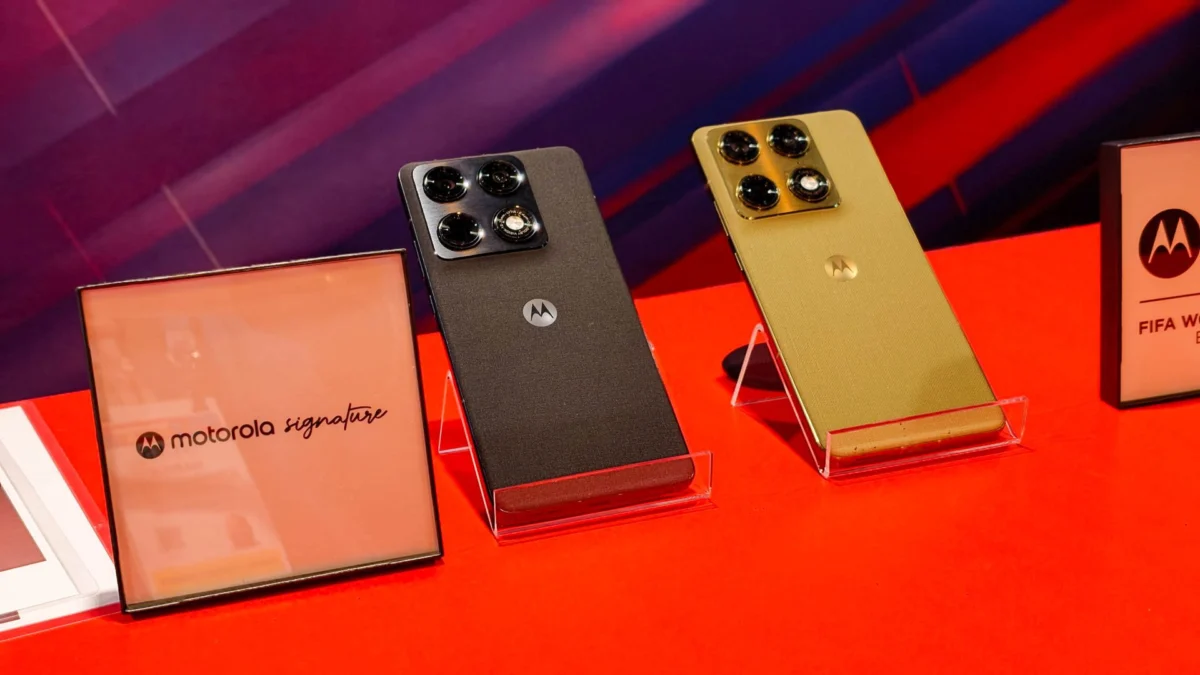
Motorola has officially begun its promotional rollout for the upcoming Signature 27 smartphone, releasing a teaser video across social media channels that has immediately drawn intense scrutiny from industry analysts and mobile technology enthusiasts alike. The brief promotional clip, shared on X (formerly Twitter) on September 18, 2026, highlights meticulous material craftsmanship—showcasing a moss-green finish alongside artisanal leather-working imagery—while officially confirming the device’s moniker and setting a hard launch date for September 22, 2026.
This scheduling places the Motorola Signature 27 announcement squarely during Qualcomm’s highly anticipated annual Snapdragon Summit, which runs from September 22 through September 24. The overlap, combined with explicit messaging from Motorola hinting at collaborative announcements with Qualcomm, has fueled widespread industry speculation that the forthcoming handset will feature top-tier silicon rather than the upper-midrange hardware that characterized its predecessor.
Chronology of the Motorola Signature Line
To understand the significance of the upcoming Signature 27 release, it is necessary to examine the trajectory of Motorola’s high-end portfolio over the preceding year.
- January 2026: Motorola formally unveils the original Motorola Signature at the Consumer Electronics Show (CES) in Las Vegas. Positioned as an ultra-thin, premium flagship alternative featuring a sprawling 6.8-inch display, the device garners favorable reviews for its aesthetic refinement and ergonomic build.
- Early 2026 (Commercial Release): The original Signature hits global markets, equipped with Qualcomm’s Snapdragon 8 Gen 5 processor. While praised for its balanced performance and efficiency, reviewers and consumers note a slight performance gap compared to devices utilizing uncompromised, top-tier flagship processors.
- August 2026: Qualcomm releases initial teaser materials regarding its upcoming Snapdragon Summit architecture, specifically highlighting plans for "Dual 8 Elite" processors. Industry reports indicate these will comprise a primary Snapdragon 8 Elite Gen 6 and a high-performance Gen 6 Pro variant.
- September 18, 2026: Motorola publishes the official Signature 27 teaser video on X, pairing a moss-green design showcase with the explicit launch date of September 22, 2026, and a direct nod to ongoing collaboration with Qualcomm.
Analyzing the Shift Toward True Flagship Hardware
The core point of discussion surrounding the Motorola Signature 27 centers on processor architecture. When Motorola launched the original Signature in January 2026, the company opted for the Qualcomm Snapdragon 8 Gen 5. Although this chipset delivers robust daily performance and commendable power efficiency, it occupies a specific market tier that bridges upper-midrange affordability with near-flagship capabilities. It deliberately bypasses the heavier computational throughput and advanced graphic processing architectures found in Qualcomm’s premier Elite-tier silicon.
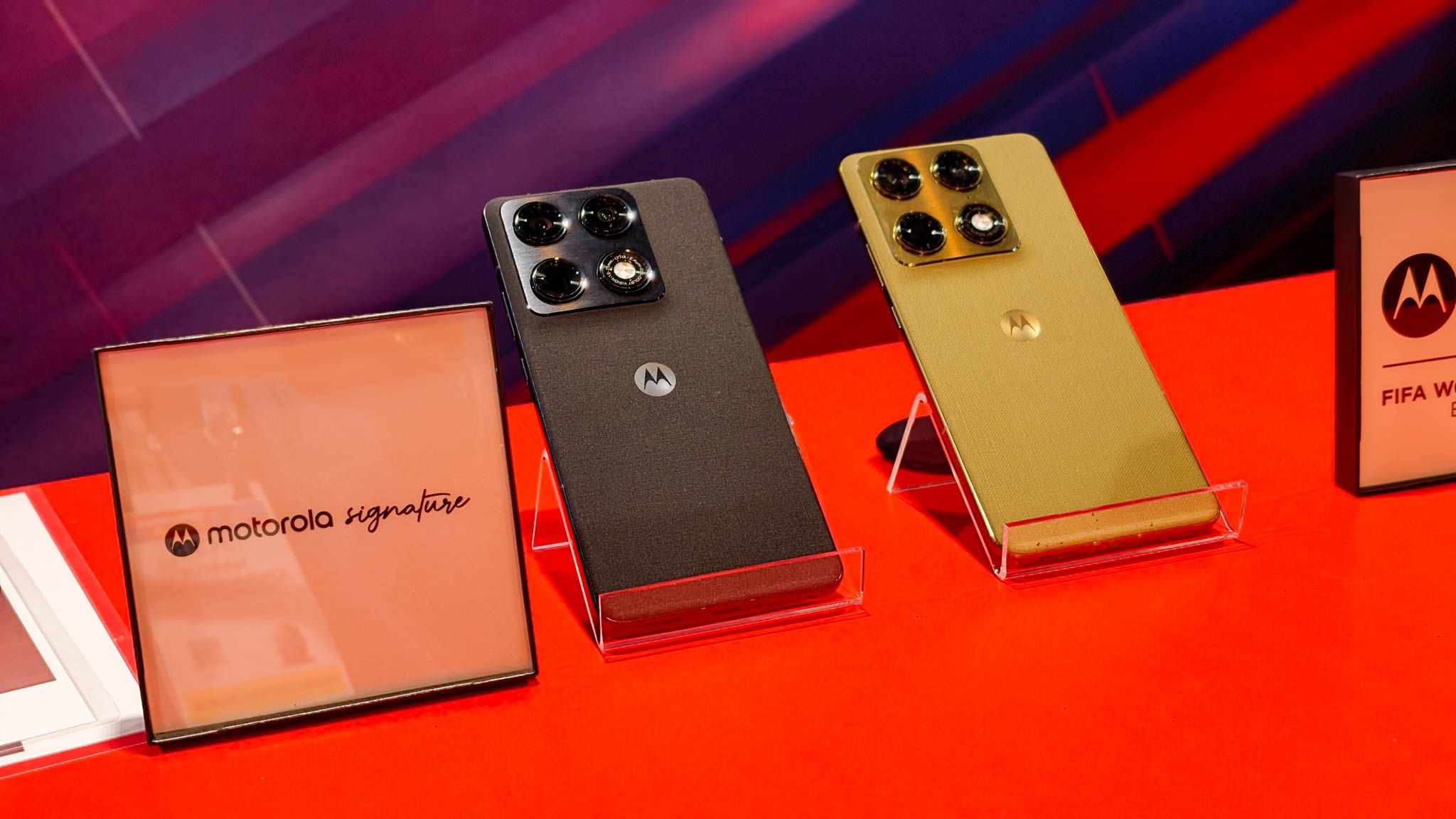
By aligning the Signature 27 launch directly with the Snapdragon Summit—an event historically reserved for the unveiling of Qualcomm’s most powerful mobile platforms—Motorola strongly signals its intent to address past criticisms. If the device incorporates one of the anticipated "Dual 8 Elite" chipsets (such as the rumored Snapdragon 8 Elite Gen 6 or Gen 6 Pro), it would mark a decisive pivot for the brand. Moving from near-flagship partitioning to uncompromised flagship architecture would allow Motorola to compete more aggressively against established premium heavyweights from Samsung, Apple, and various Chinese original equipment manufacturers (OEMs).
Technical Expectations and Ecosystem Implications
While Motorola has kept specific hardware specifications under wraps pending the September 22 event, industry insiders and supply chain analysts have mapped out several likely focal points for the Signature 27 based on broader mobile trends observed throughout 2026:
- Processing Power: Integration of Qualcomm’s next-generation Elite silicon, promising substantial generation-over-generation improvements in neural processing unit (NPU) performance for on-device artificial intelligence tasks.
- Thermal Management and Form Factor: Maintaining the ultra-thin profile that defined the original Signature while implementing advanced vapor-chamber cooling to handle the heightened thermal output of a true flagship processor.
- Optics and Connectivity: Leveraging Qualcomm’s stated improvements in advanced camera signal processing (ISP) and enhanced multi-gigabit wireless connectivity, which were heavily emphasized in Qualcomm’s August developer briefings.
- Display and Materials: Building upon the 6.8-inch panel design of its predecessor while refining the tactile elements highlighted in the launch teaser, such as vegan leather backing and reinforced structural alloys.
Industry Context and Competitive Landscape
The timing of Motorola’s announcement reflects a broader strategic realignment within the premium smartphone sector. As global consumer demand shifts toward devices with extended software support lifecycles and heavy local artificial intelligence processing capabilities, hardware manufacturers are under increasing pressure to deliver uncompromising performance specifications.
Historically, Motorola has maintained a dominant position in the budget and mid-tier markets across North America and Latin America, while carving out a dedicated following with its foldable Razr series and the productivity-focused Edge lineup. The original Signature was conceived as an entry point into the ultra-premium slab phone market. However, by utilizing a non-Elite processor, it struggled to capture market share from consumers demanding absolute maximum computing power.
By timing the Signature 27 rollout to coincide with Qualcomm’s most important hardware showcase of the year, Motorola demonstrates a synchronized go-to-market strategy designed to maximize media visibility. Securing prominent placement alongside Qualcomm’s leadership during the keynote address would validate Motorola’s aspirations in the high-end tier and provide retail partners with a clear narrative heading into the crucial fourth-quarter holiday shopping season.
Fact-Based Implications and Market Outlook
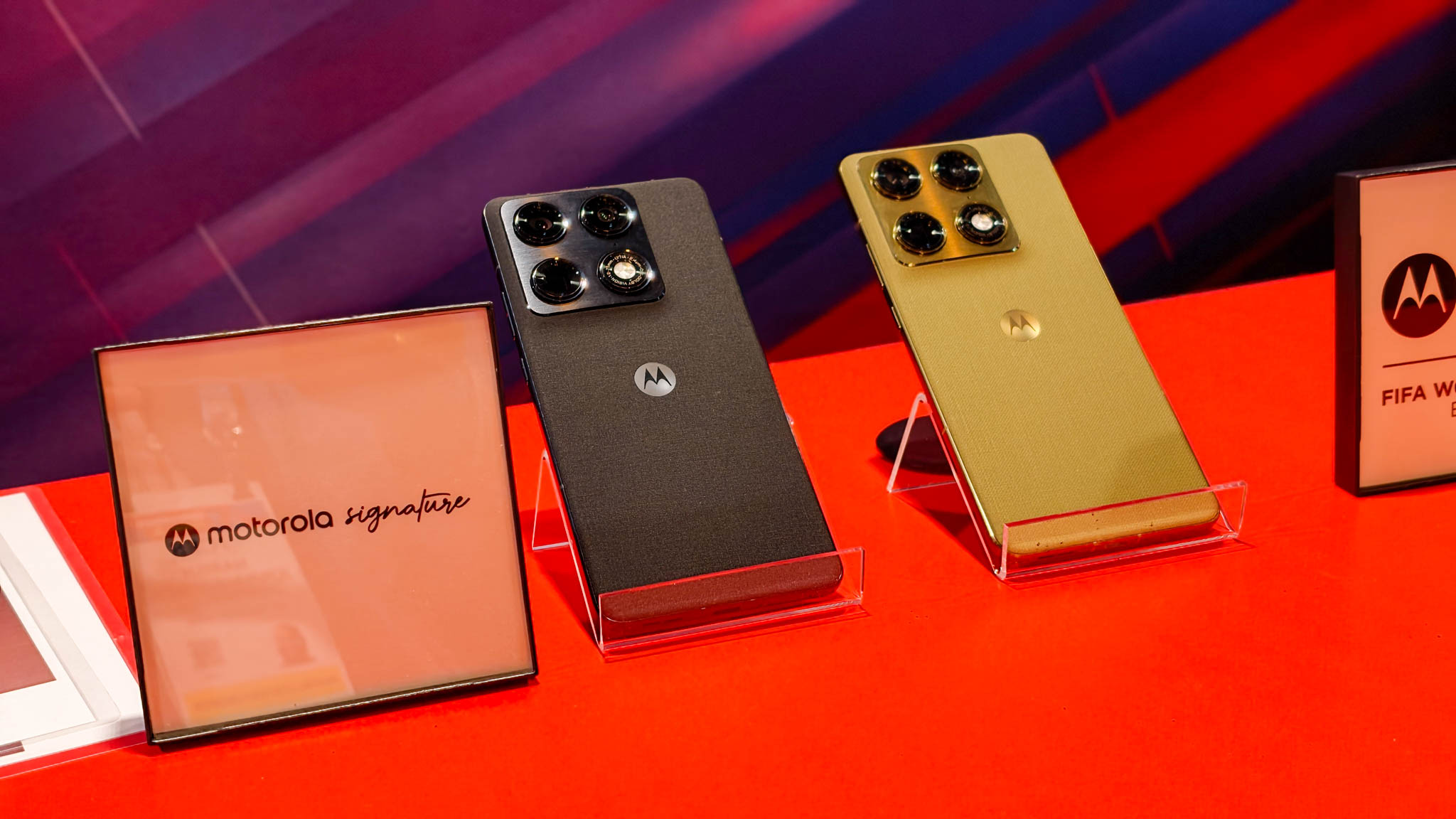
The implications of the Motorola Signature 27 extend beyond a single product refresh. Should Motorola successfully pair its recognized strength in industrial design—highlighted by thin profiles and premium tactile materials—with Qualcomm’s most potent processing architecture, the company could establish a more formidable presence in the tier-one flagship segment.
However, challenges remain. The ultra-premium smartphone market is notoriously rigid, with consumers exhibiting strong brand loyalty toward established ecosystems. Pricing strategy, regional distribution breadth, and the longevity of software update commitments will ultimately dictate whether the Signature 27 achieves commercial breakthroughs where previous iterations fell short.
All definitive questions regarding the device’s technical specifications, regional availability, pricing tiers, and exact partnership details with Qualcomm will be answered when the official presentation commences on September 22, 2026.