











The challenge of geometric and optical distortion has plagued photographers since the inception of the medium, manifesting as leaning vertical lines in architectural shots or the unflattering elongation of subjects at the edges of wide-angle frames. For decades, practitioners have relied on manual cropping or rudimentary lens profile corrections to mitigate these issues. Today, the release of DxO ViewPoint 6 represents a significant technological shift, leveraging artificial intelligence to address these persistent optical flaws without the traditional sacrifice of image composition or resolution.

This software, developed by DxO, a company historically recognized for its rigorous lens-testing laboratories and optical correction algorithms, aims to provide a definitive solution for both professional and amateur photographers. By integrating AI-driven masking and sophisticated spatial analysis, ViewPoint 6 offers a degree of control that has previously been absent from standard editing suites like Adobe Lightroom or Capture One.
The Evolution of Optical Correction Technology
The history of digital correction is rooted in the transition from analog film—where optical issues were managed through complex mechanical lens designs—to the digital era, where software-based correction became a standard feature of modern post-processing. Historically, photographers utilized basic perspective control tools that functioned by mathematically warping the entire image plane. While effective for simple horizon leveling, these tools often resulted in significant data loss due to the necessity of heavy cropping.

The introduction of ViewPoint 6 marks a departure from this "global" correction philosophy. Over the last five years, DxO has systematically refined its algorithms to transition from basic geometric transformation to content-aware, localized correction. The 2026 iteration, ViewPoint 6, represents the culmination of this research, incorporating "ReShape Fusion" technology that utilizes machine learning to identify specific subjects—such as human faces or architectural structures—and apply corrections only to those segments.
Technical Capabilities and AI Integration
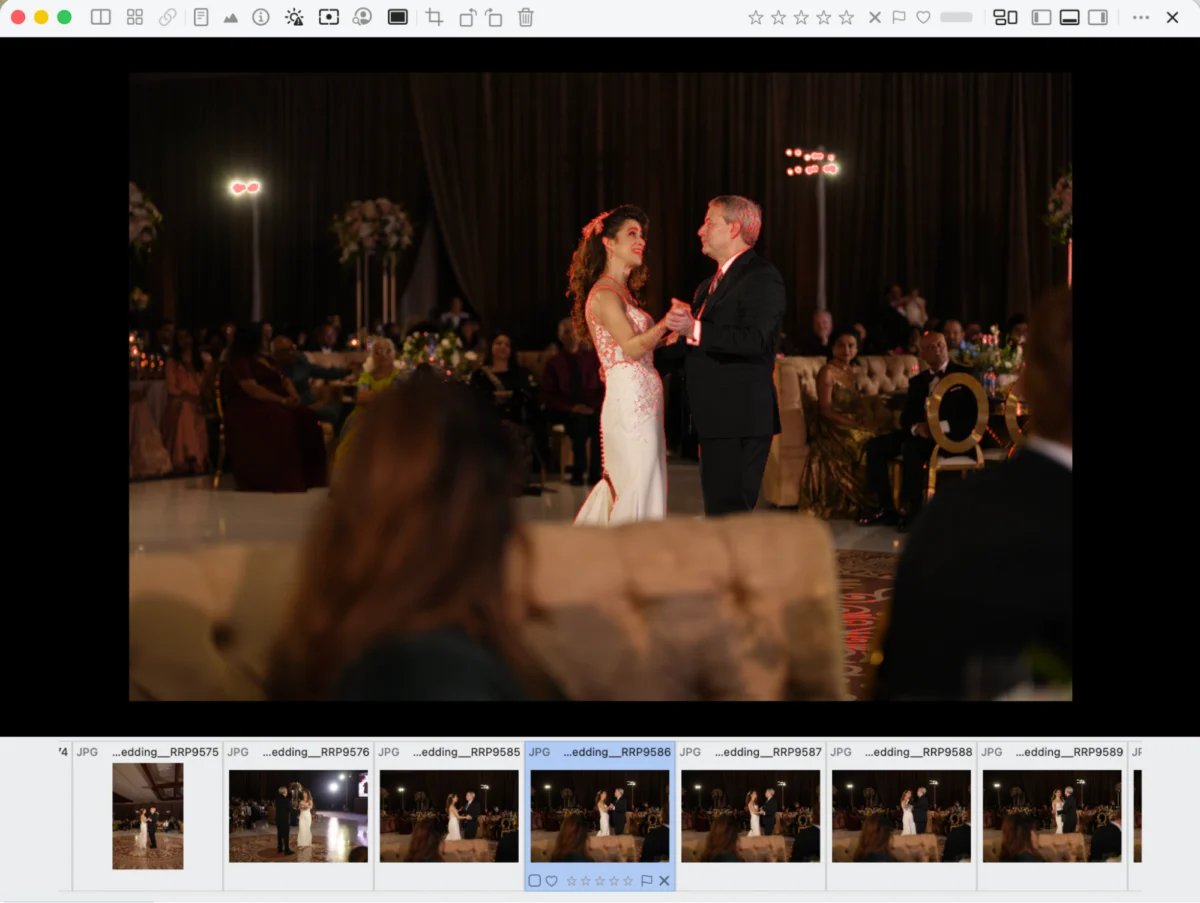
The core utility of DxO ViewPoint 6 lies in its ability to handle "volume deformation," a common artifact of wide-angle lenses where subjects placed near the frame’s periphery appear stretched or disproportionately large. This is a common point of contention in wedding and group photography, where a 16mm or 24mm lens might be necessary to capture a large group, but the resulting distortion renders the subjects at the edges aesthetically unpleasant.
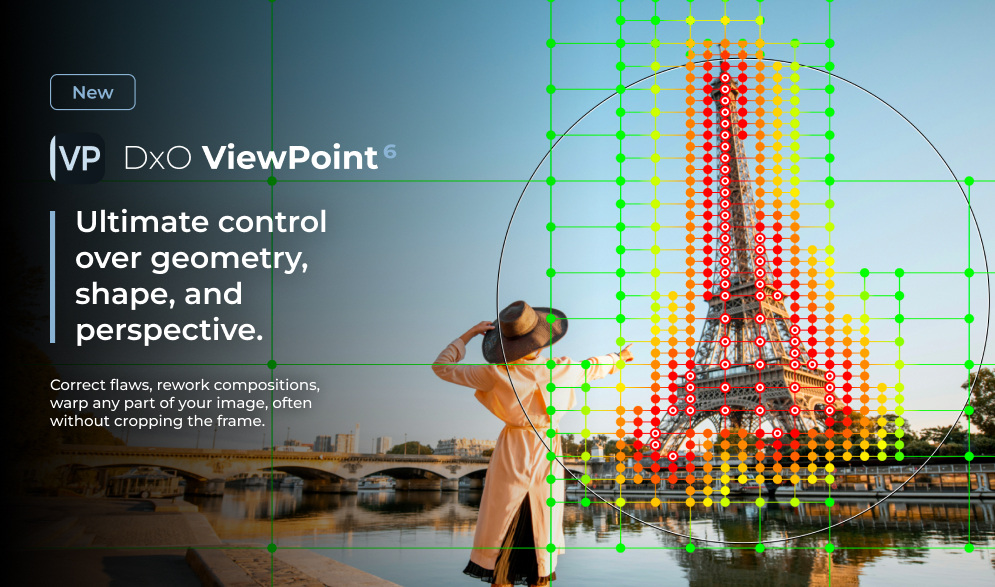
The software’s new AI masking allows for a highly granular approach. When a photographer identifies a distorted subject, the AI masks the object, allowing the user to adjust the perspective and volume without affecting the surrounding background elements. This capability is supported by a robust processing engine that maintains high performance even on older hardware, an essential consideration for professionals who may not upgrade their workstations annually.
Data from recent testing indicates that ViewPoint 6 is capable of processing RAW files directly, a marked improvement over previous versions that necessitated a conversion to TIFF or JPEG. By remaining within the RAW environment, photographers retain the maximum dynamic range and color information, which is critical for high-end professional workflows.

Workflow Integration and Practical Application
DxO ViewPoint 6 is designed for versatility, operating either as a standalone application or as a plug-in for major industry software, including Adobe Lightroom and the proprietary DxO PhotoLab suite. This dual-functionality is a strategic move, acknowledging that most professional photographers are unlikely to switch their entire editing ecosystem, but are highly interested in modular tools that solve specific, high-friction problems.
For the architectural and real-estate photography sectors, the software’s automatic perspective correction is a significant time-saver. By utilizing AI to identify vertical and horizontal planes, the software can align lines that are skewed by camera tilt, effectively simulating the results of a high-end tilt-shift lens. This capability allows for the use of more portable, standard wide-angle glass to achieve results that previously required specialized, expensive, and manual-focus-only equipment.

Comparative Analysis: The Impact on Professional Standards
From an industry perspective, the introduction of ViewPoint 6 reflects a broader trend toward "invisible" post-processing. The goal of modern software is to move away from heavy-handed filters and toward a state of optical accuracy that mimics the human eye’s perception of reality.
When evaluating the tool against existing market competitors, several key differentiators emerge:
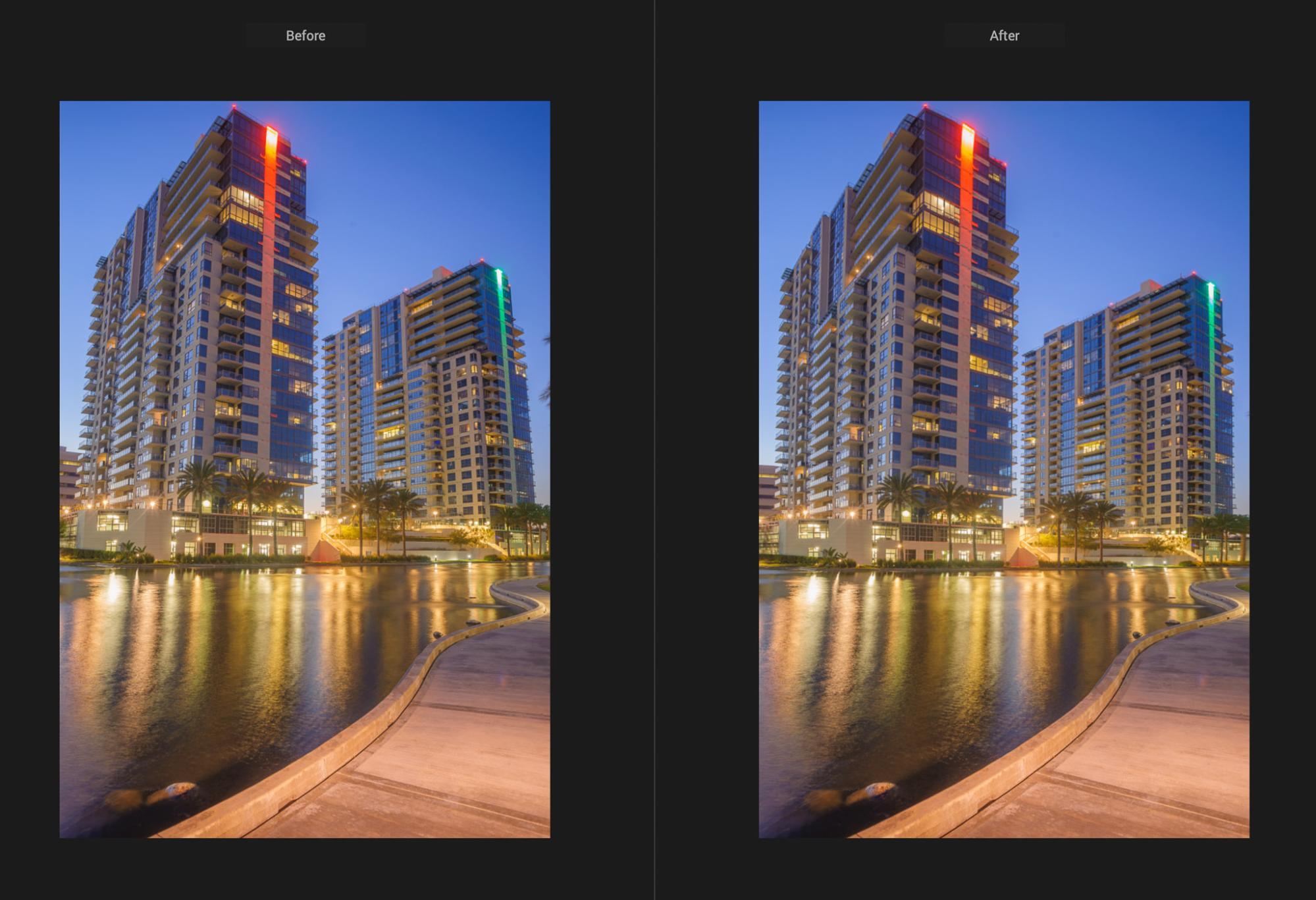
- Resolution Retention: Unlike standard tools that rely on large-scale cropping to "square off" a distorted image, ViewPoint 6’s localized correction minimizes the need to discard pixels, thus maintaining a higher effective resolution for print or large-format digital display.
- Resource Efficiency: Industry benchmarks suggest that the software is highly optimized for various processor architectures, including older Intel-based systems, which lowers the barrier to entry for independent photographers who are not operating on the latest hardware.
- Creative Versatility: Beyond clinical correction, the inclusion of a "Miniature Effect" tool demonstrates a commitment to creative utility, using advanced bokeh simulation to mimic the shallow depth-of-field look of a tilt-shift lens.
Limitations and Areas for Development
Despite its advancements, the software does possess a steep learning curve. The complexity of the tools provided requires a foundational understanding of perspective and optical physics. While the interface is designed to be intuitive, the "ReShape Fusion" tool, when used in conjunction with "Force Parallel" features, requires careful calibration.
Some users have noted that when performing complex, localized corrections, the software may shift the entire image frame in ways that require secondary adjustments to the composition. As of the current release, there is no "anchor point" feature to lock specific areas of the frame while shifting others, a feature that would likely be the next logical step in the software’s development.

Market Context and Economic Implications
The pricing structure for ViewPoint 6 is notable in a market increasingly dominated by software-as-a-service (SaaS) subscription models. DxO maintains a perpetual license model, which has been met with positive reception from the professional community. For a one-time investment—set at $129.99 for new users and $84.99 for existing upgrade customers—photographers gain access to a toolset that significantly extends the capabilities of their current lenses.
This approach acknowledges the economic pressures on independent creators, providing a path to high-end results without the recurring monthly overhead associated with major subscription platforms. Furthermore, the offer of a 30-day trial period allows for rigorous testing in actual production environments, ensuring that the software meets the specific needs of the user’s workflow before a commitment is made.

Conclusion and Broader Implications
The release of DxO ViewPoint 6 serves as an indicator of where image processing technology is heading: toward an era where optical limitations of hardware are increasingly mitigated by intelligent, automated software. By isolating distortion and correcting it at a granular level, DxO has provided a tool that bridges the gap between the physical limitations of camera glass and the expectations of modern digital imagery.
For professionals working in wedding, architectural, and commercial photography, the ability to rectify wide-angle distortion at the edge of the frame without compromising image quality is more than a convenience; it is a fundamental shift in production capability. As AI continues to influence the photography industry, tools like ViewPoint 6 will likely become the standard for achieving the visual precision required in a competitive global market. While the learning curve remains a hurdle, the technical benefits and the commitment to a perpetual license structure position this software as a valuable, if not essential, component of the modern professional photographer’s toolkit.