









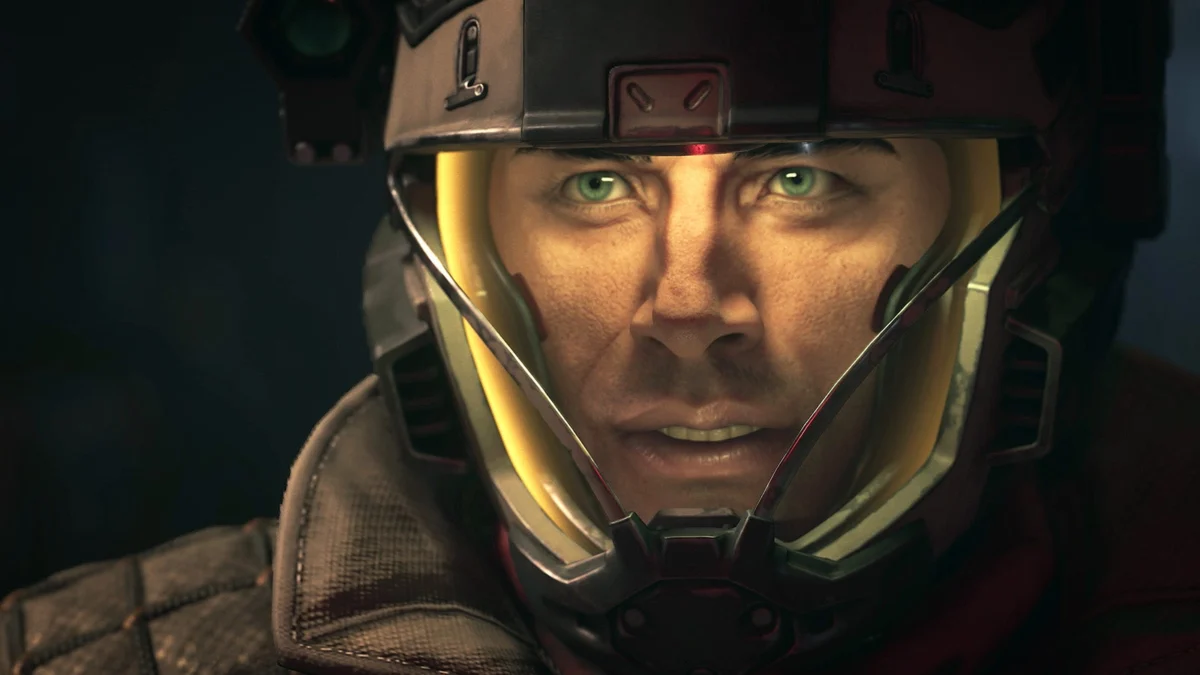
The landscape of modern space-faring role-playing games is undergoing a significant transformation, and the latest development involving Owlcat Games’ upcoming title, The Expanse: Osiris Reborn, signals a concerted effort to elevate its storytelling credentials. It has been confirmed that David Gaider, the esteemed creative force behind the narrative foundations of the Dragon Age franchise, has joined the project in a collaborative capacity. This partnership marks a strategic pivot for Owlcat Games, a studio perhaps best known for its complex CRPG adaptations like Pathfinder: Wrath of the Righteous, as they move into the high-stakes realm of science-fiction action RPGs.
The Architect of Thedas Enters the Belt
David Gaider’s influence on the RPG genre cannot be overstated. During his tenure at BioWare, Gaider served as the lead writer for Dragon Age: Origins, Dragon Age 2, and Dragon Age: Inquisition. He is widely credited with establishing the lore, culture, and sociopolitical frameworks of Thedas, creating a template for world-building that many modern developers still emulate. Following his departure from BioWare, Gaider founded Summerfall Studios, where he recently helmed the development of the critically acclaimed musical RPG, Stray Gods.
In a recent statement posted to the social media platform Bluesky, Gaider clarified the nature of his involvement with the project. "Alongside my work at Summerfall, I’ve also been collaborating with the Owlcat Games team on The Expanse: Osiris Reborn, focusing on certain aspects of the game’s narrative. The Expanse has long been one of my favourite series, and so obviously I jumped at the opportunity to be involved."
This collaboration is viewed by industry analysts as a major boon for Owlcat. While the studio has mastered the mechanical density of tabletop-inspired games, transitioning into a cinematic, narrative-driven space adventure requires a different set of literary skills. By bringing in a veteran of Gaider’s caliber, Owlcat is signaling to the player base that they intend to prioritize character-driven storytelling, a vital component for a game hoping to capture the gritty, grounded realism of the James S.A. Corey source material.
Chronology of The Expanse: Osiris Reborn
The development timeline for The Expanse: Osiris Reborn has been marked by a transparent, if occasionally contentious, engagement with the community.
- Announcement Phase: Owlcat Games initially unveiled the project, positioning it as a spiritual successor to the golden era of space RPGs. The game is set in the universe of The Expanse, focusing on the political tensions between Earth, Mars, and the Belt.
- Initial Playtests: Early previews, including those conducted by major industry outlets, highlighted the game’s combat systems and atmosphere, noting distinct parallels to the Mass Effect trilogy in terms of squad interaction and mission structure.
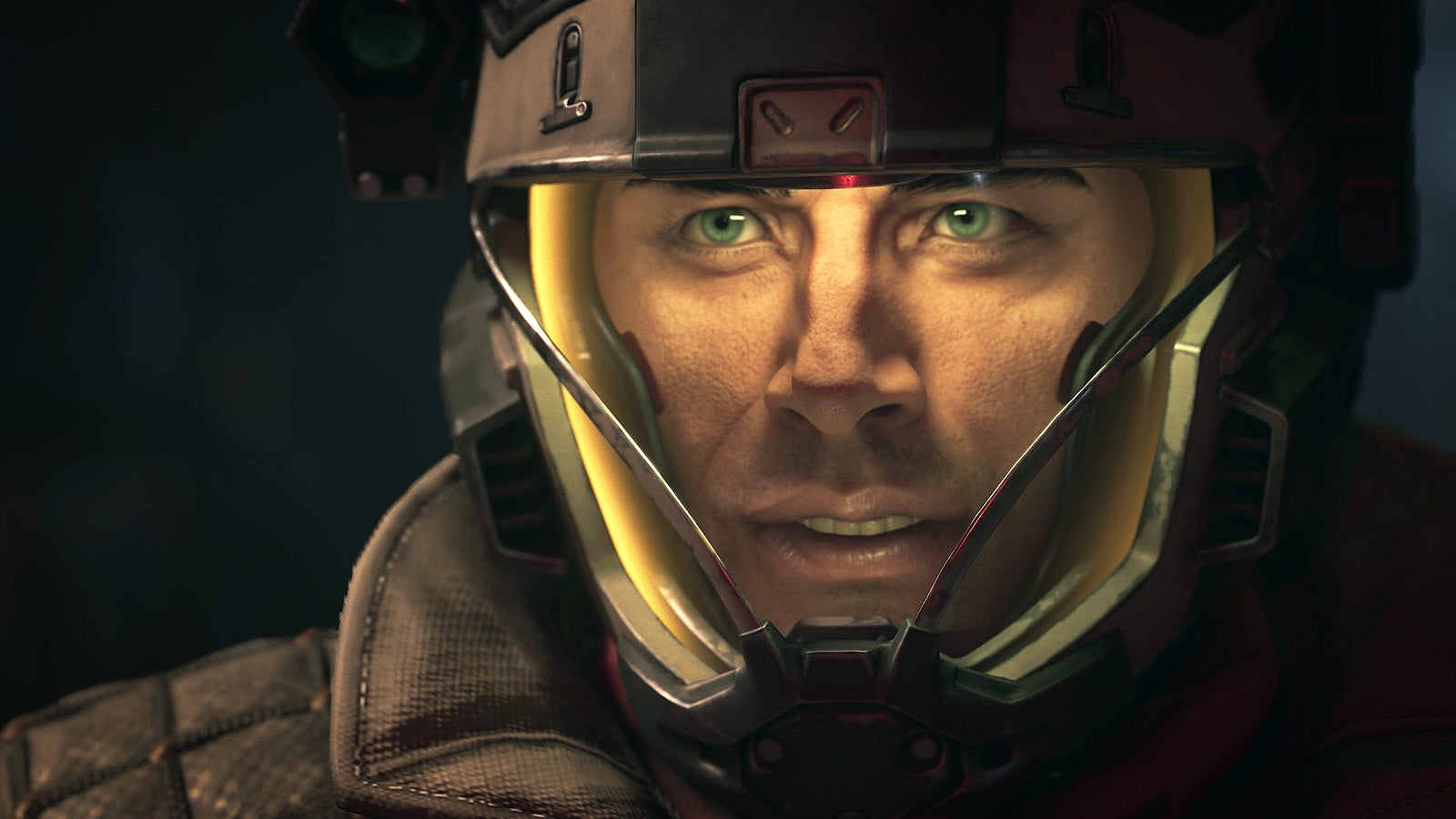
- Community Feedback and Recasting: A significant turning point occurred when the developer solicited feedback regarding the protagonist’s voice acting. In response to player critiques, the studio made the rare decision to replace the male lead’s voice performance, casting Blythe Melin as the new voice of the Martian Captain.
- The Gaider Integration: The announcement of David Gaider’s involvement serves as the latest chapter, intended to address narrative concerns and provide a sense of pedigree to the game’s writing team.
The Broader RPG Landscape
The gaming industry is currently experiencing a "space opera" renaissance. With BioWare’s legacy as the primary benchmark for the genre, several studios are competing to fill the void left by the studio’s shift away from its classic roots. The Expanse: Osiris Reborn occupies a unique space in this ecosystem. Unlike Exodus, another high-profile sci-fi RPG featuring BioWare veterans, Osiris Reborn is tethered to an established intellectual property.
This distinction is crucial. When adapting a beloved series like The Expanse, the challenge lies in balancing the rigid constraints of established lore with the freedom required for a player-choice-driven RPG. Gaider’s expertise in navigating these constraints—having managed the expansive and evolving world of Thedas—provides a roadmap for Owlcat to remain faithful to the source material while still offering players the agency they expect from a modern role-playing title.
Addressing the Controversy: The Role of AI
While the addition of a high-profile writer like Gaider has been met with enthusiasm, the project remains under scrutiny regarding the developer’s methodology. Earlier reports from Eurogamer highlighted Owlcat’s use of generative artificial intelligence in the development process.
For many in the creative community, this creates a dissonant narrative. On one hand, the studio is hiring top-tier human talent to sharpen the game’s narrative identity; on the other, they are utilizing automated systems that have sparked intense debate regarding the future of creative labor. The inclusion of Gaider may serve to reassure fans that the core narrative beats remain human-authored, though the studio has yet to fully detail how the integration of AI and human writing will function in the final product.

Implications for the Future of Owlcat
The success of The Expanse: Osiris Reborn will likely define Owlcat’s trajectory for the next decade. Having transitioned from turn-based, isometric CRPGs to a third-person, cinematic action-RPG, the studio is taking a significant technical and creative risk.
From a factual standpoint, the collaboration with Gaider suggests that Owlcat recognizes the difficulty of this transition. A compelling narrative is the "glue" that binds mechanical systems together; without it, even the most polished combat systems risk feeling hollow. By incorporating a writer who understands the nuances of player agency and character arcs, the studio is attempting to mitigate the risk of a "generic" sci-fi experience.
Furthermore, the responsiveness to fan feedback—such as the aforementioned recasting of the Martian Captain—indicates a studio that is listening to its core audience. In an era where the divide between developers and players is often widened by poor communication, this consultative approach is a strategic asset.
Conclusion: A High-Stakes Narrative Gamble
As the release window for The Expanse: Osiris Reborn approaches, all eyes will be on how the narrative holds up under scrutiny. The combination of an established, fan-favorite universe, a developer known for mechanical complexity, and a narrative consultant with a storied history in the genre creates a high-pressure environment for delivery.
Whether the "Gaider touch" will be enough to elevate the game to the status of a modern classic remains to be seen. However, his presence is an undeniable endorsement of the project’s ambition. For the players who have been waiting for a new, immersive space RPG that treats its characters with the same gravity as its political conflicts, the collaboration is an encouraging sign that The Expanse: Osiris Reborn is aiming to deliver more than just a surface-level exploration of its namesake universe. The studio now has the tools, the intellectual property, and the creative leadership; the final outcome will depend on how effectively these elements are synthesized into a cohesive experience.