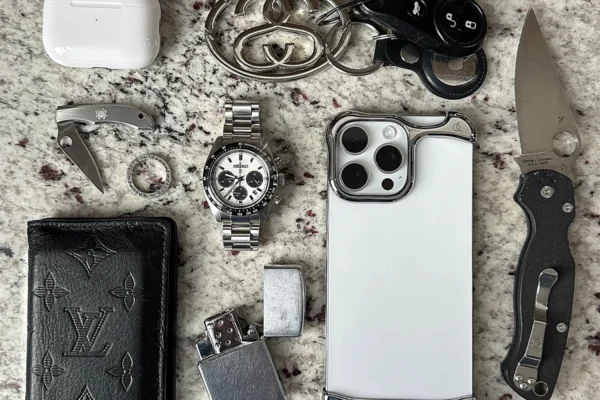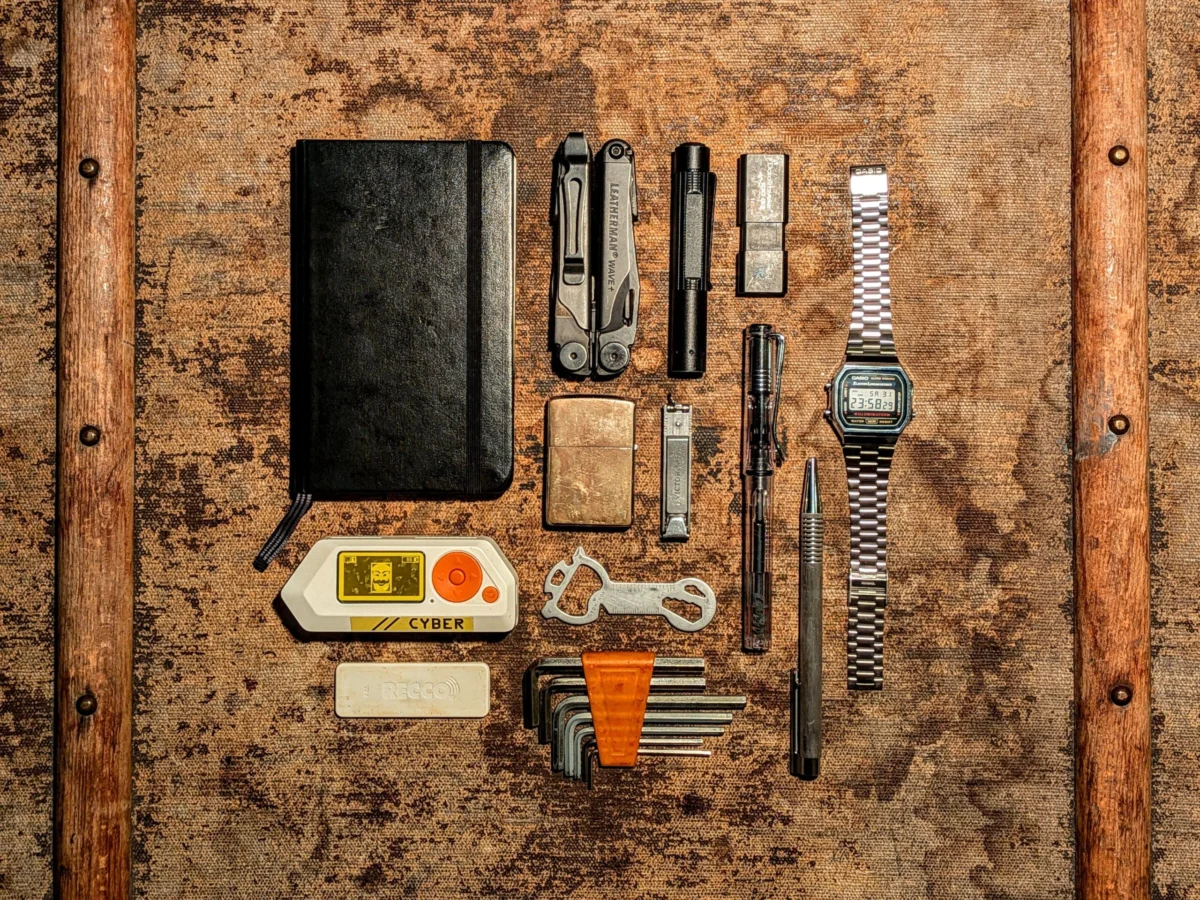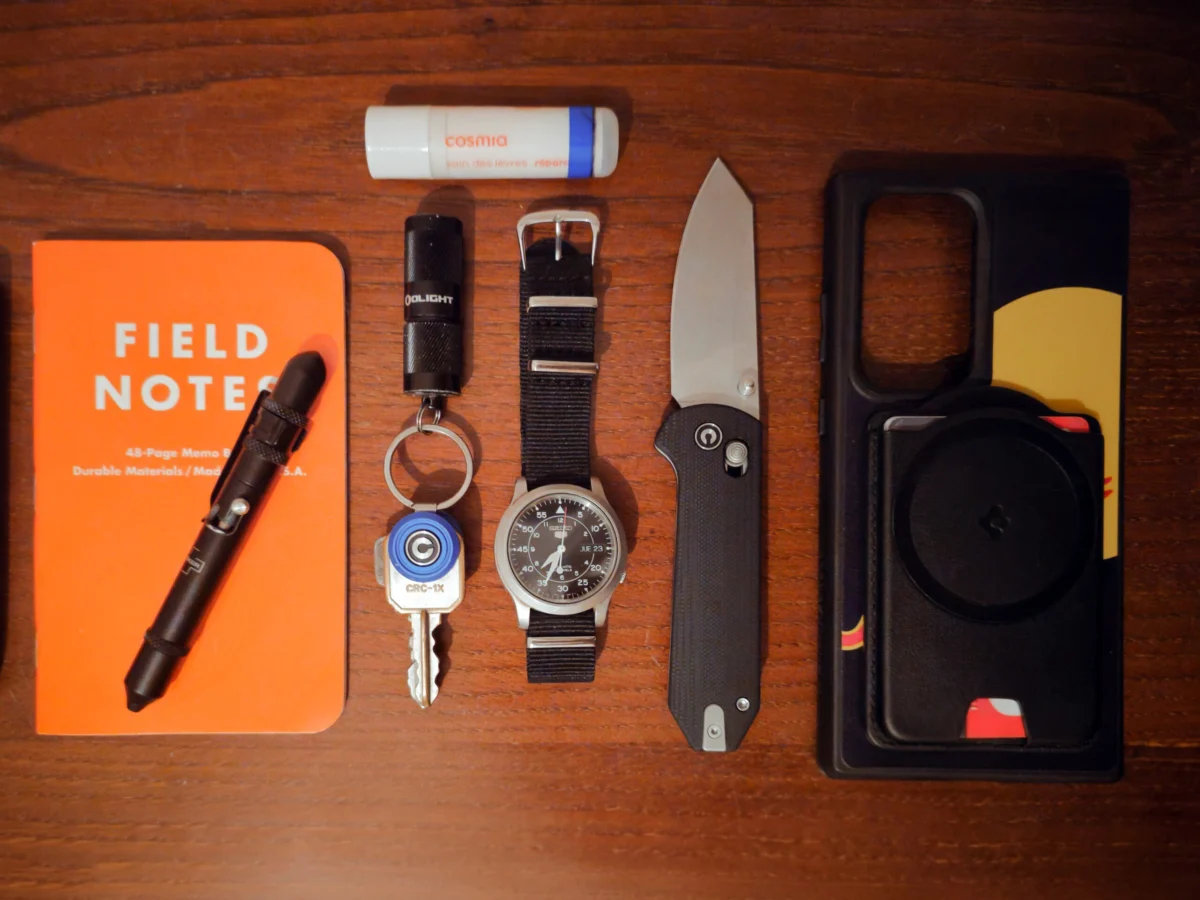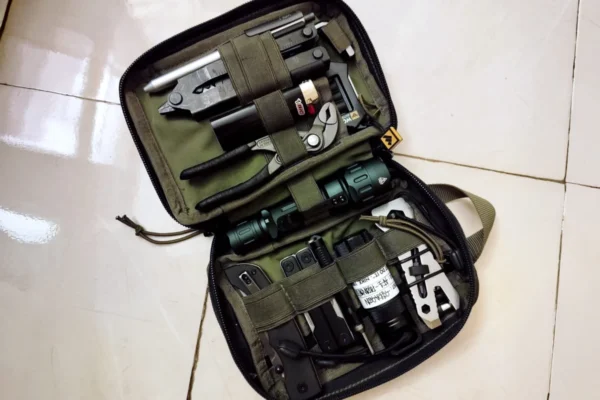






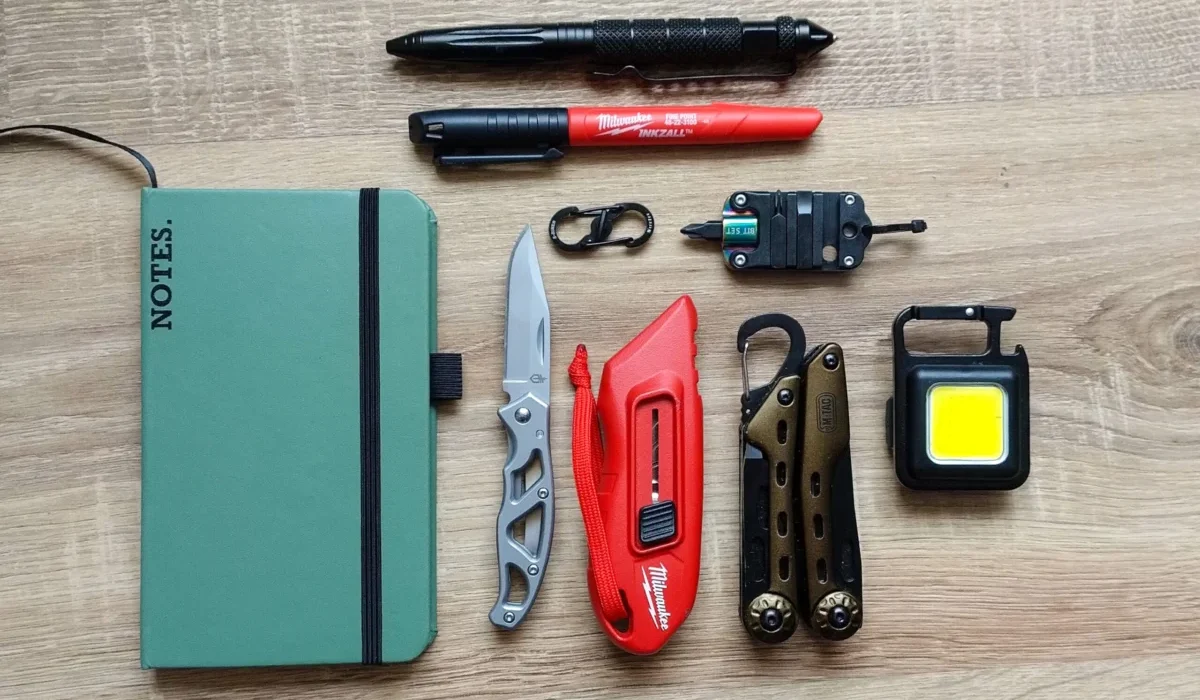
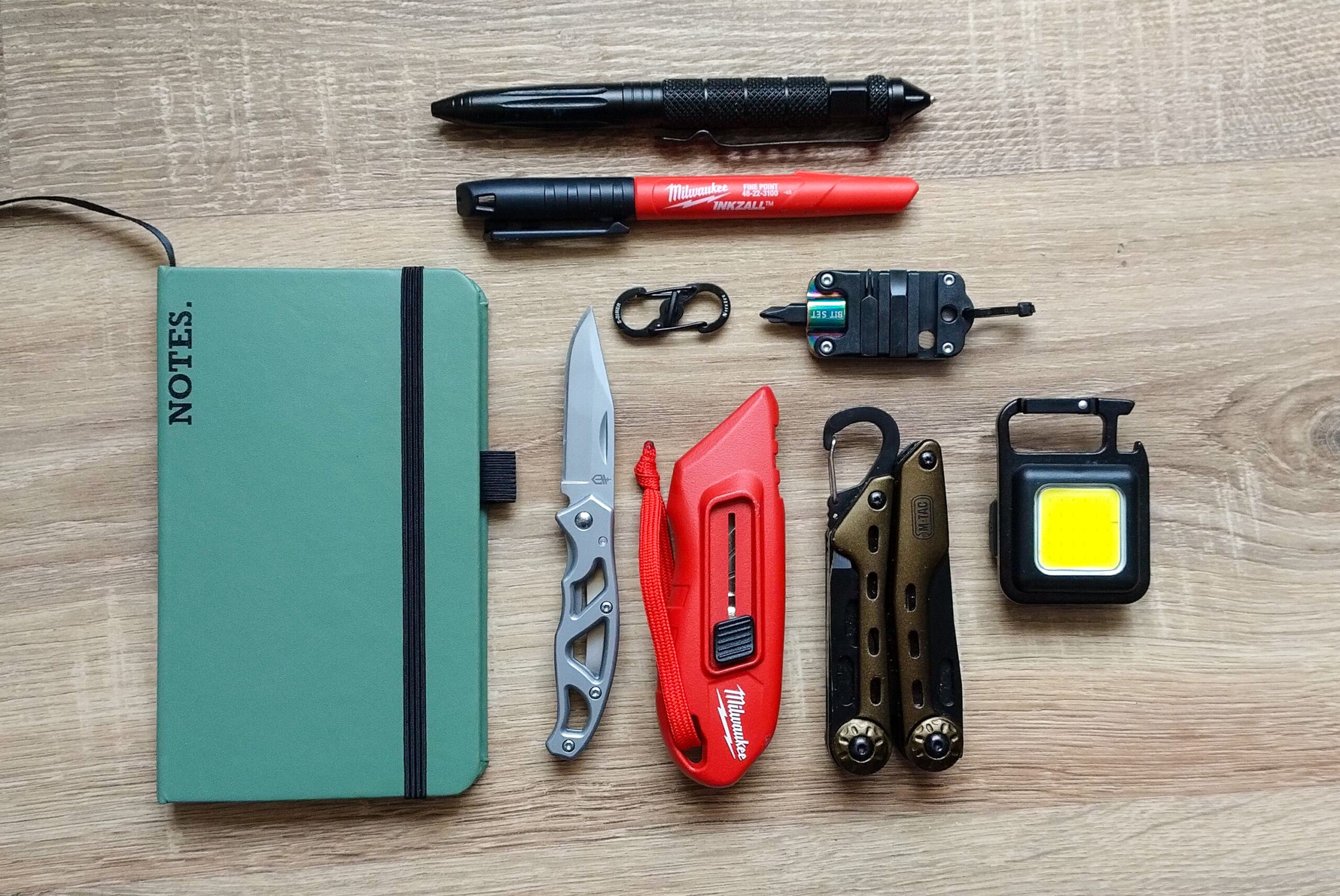
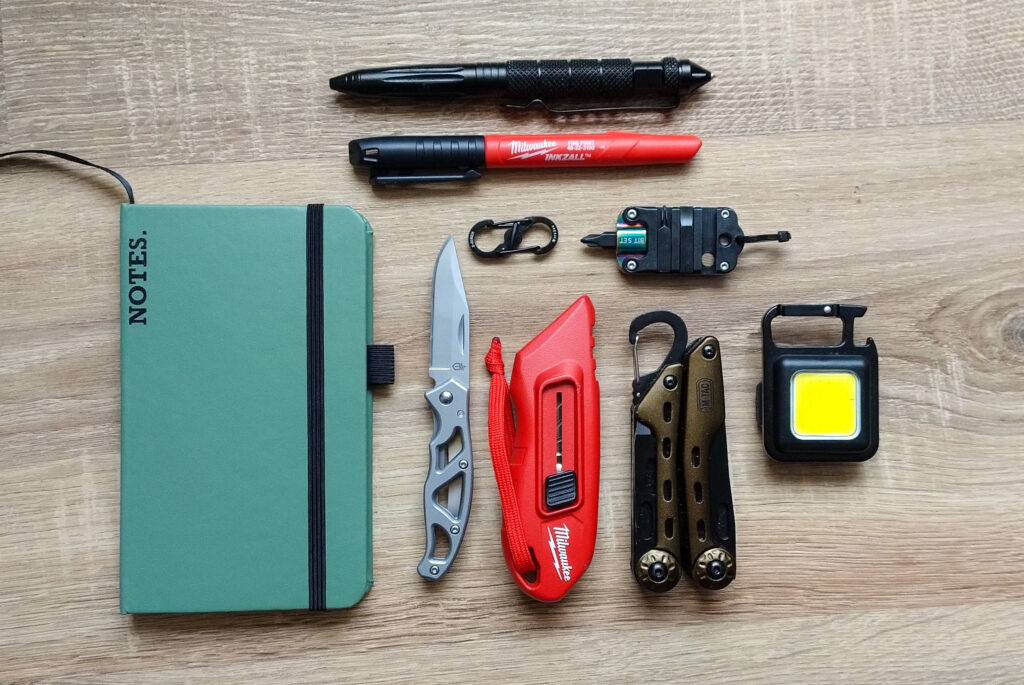
In the contemporary landscape of personal preparedness, the concept of "Everyday Carry" (EDC) has evolved from a niche hobby for survivalists into a mainstream lifestyle movement centered on utility, ergonomics, and aesthetic intentionality. A recent showcase of personal gear from Kinga, a retail professional based in Poland, highlights this shift. Her collection underscores a growing preference for modular, budget-conscious tools that prioritize function within high-traffic work environments. As the global market for compact, multi-functional tools expands, understanding the selection criteria for these items—such as the MAKDAK COB keychain light—provides insight into how professionals optimize their daily workflow and readiness.
The Evolution of Everyday Carry: From Survivalism to Urban Utility
Everyday Carry refers to the collection of items that an individual carries on their person on a daily basis to assist in tasks ranging from mundane administrative duties to emergency response. Historically, the EDC community was rooted in "prepping"—a subculture focused on long-term survival in catastrophic scenarios. However, the demographic has shifted significantly over the last decade.
Data from the consumer goods sector suggests that the current EDC market is driven by urban professionals who value "lightweight readiness." In retail environments, for instance, employees are frequently required to perform tasks that necessitate precision and quick access to tools—such as opening boxes, checking inventory in dimly lit stockrooms, or managing digital devices. The shift toward compact, rechargeable, and multi-purpose tools like the COB (Chip-on-Board) LED light represents a move away from heavy, tactical gear toward minimalist, high-output alternatives.
Analyzing the Retail EDC Workflow
For professionals working in sports retail or general commerce, the physical requirements of the job dictate the gear. Retail environments often feature expansive, high-ceilinged storage areas where ambient lighting may be insufficient for detailed inspection of products or labels. Consequently, high-lumen, compact lighting solutions have become a staple.
The integration of tools like the MAKDAK COB keychain light is a response to the need for "task lighting." Unlike traditional handheld flashlights, which occupy one hand and often require a holster or belt clip, these keychain-sized lights offer a folding bracket, allowing them to be set on a surface or hung from a hook. This hands-free functionality is critical for workers who must multitask. When evaluating such tools, industry analysts look at three primary metrics: lumen output, battery longevity per charge, and structural integrity. The move toward USB-rechargeable lithium-ion batteries in these small form factors marks a significant departure from the era of disposable alkaline batteries, aligning with broader consumer trends toward sustainability and reduced long-term operating costs.
Chronology of the Modern EDC Movement
The transition of EDC from an underground hobby to a public interest topic can be mapped through the proliferation of digital platforms:
- 2010–2014: The emergence of specialized forums and the "EverydayCarry.com" repository popularized the aesthetic of "pocket dumps," where users displayed their gear in flat-lay photography.
- 2015–2018: The rise of social media influencers, particularly on Instagram, shifted the focus toward high-end materials like titanium, carbon fiber, and Damascus steel. This period saw the "tactical-chic" aesthetic peak.
- 2019–2022: A market correction occurred, with increased focus on "budget-friendly" and "accessible" gear. Manufacturers responded by releasing high-performance items at lower price points to attract a broader, non-enthusiast demographic.
- 2023–Present: The current era focuses on integration and sustainability. Tools are now frequently designed to bridge the gap between office work, outdoor recreation, and urban commuting.
Data-Driven Perspectives on Gear Selection
Market research indicates that the average consumer is willing to invest in items that provide a minimum of two functions. For instance, a light that also acts as a bottle opener or a stand is statistically more likely to remain in a user’s permanent rotation than a single-use tool.
In the case of the MAKDAK COB light, it offers approximately 500 lumens. For context, a standard smartphone flashlight typically outputs between 40 and 60 lumens. This tenfold increase in brightness, combined with the COB technology—which provides a wide, flood-style beam rather than a focused, narrow spot—makes it ideal for lighting up a shelf or a workspace.
Furthermore, the weight-to-performance ratio is a key factor. Modern users generally reject tools that add more than a few ounces to their keychain, as comfort and portability remain the primary drivers of consistent usage. If a tool is too heavy or cumbersome, it is abandoned; therefore, the current market trend is heavily favoring polymers and lightweight aluminum alloys over traditional stainless steel.
Global Perspectives and Cultural Variations
The EDC community is inherently global, yet regional preferences remain distinct. In Poland and wider Central Europe, there is a noted trend toward European-designed tools that emphasize "utilitarian craftsmanship." While global brands dominate the mass-market space, there is a burgeoning market for local, independent makers who produce high-quality knives, pry bars, and organizers.
Kinga’s approach, which combines localized Polish influences with accessible, high-performance global tools, is indicative of a broader strategy: "The Hybrid Carry." This involves balancing high-quality, often locally sourced or specialized tools with "consumable" or high-utility items that are easily replaceable, such as the COB light. This balance prevents the loss of expensive, sentimental gear while ensuring that the necessary tools for daily performance are always at hand.
Broader Implications for Personal Readiness
The integration of these tools into daily life has implications for both individual safety and general productivity. The ubiquity of high-lumen, rechargeable light sources means that unexpected power outages or visibility issues in public spaces are no longer significant disruptions for prepared individuals.
From an economic standpoint, the "democratization" of professional-grade gear means that the barrier to entry for high-performance equipment has never been lower. Tools that were once reserved for law enforcement or industrial maintenance technicians are now available for under twenty dollars at major online retailers. This shift suggests that the average worker is becoming increasingly self-reliant, equipped to handle minor emergencies or logistical challenges without the need for external assistance.
Conclusion: The Future of the Pocket-Sized Toolkit
As we look toward the future of everyday carry, the trend is moving toward "Smart EDC." This includes the integration of NFC tags, Bluetooth trackers, and biometric security into traditional tools. However, the core philosophy—as exemplified by the gear utilized by retail professionals today—remains focused on the basics: reliability, weight, and function.
The emphasis on tools like the COB keychain light reflects a pragmatic maturity within the community. It is no longer about the prestige of the gear, but about the efficiency of the individual. As urban environments continue to grow in complexity and the pace of professional life accelerates, the ability to carry a self-contained, lightweight kit will likely remain an essential component of modern life. For those seeking to refine their own kits, the recommendation is clear: prioritize tools that offer maximum utility in the smallest possible form factor, and do not hesitate to favor accessible, high-output options that are designed for the rigors of the everyday. The goal is not to be a prepper, but to be a prepared participant in an increasingly fast-paced world. By thoughtfully curating what we carry, we reclaim control over our immediate environments, one pocket-sized tool at a time.