



The Strategic Pivot: Why Now?
For several years, industry analysts have pointed to the stagnant nature of the HomePod and Apple TV lines as evidence of a "wait-and-see" approach. The primary bottleneck has been the evolution of Siri; until the recent unveiling of AI-enhanced Siri, the hardware lacked the computational overhead to process complex, on-device large language models effectively.
According to recent internal reporting and supply chain disclosures, Apple has spent the last 24 months refining its silicon strategy to bridge the gap between portable mobile devices and stationary home appliances. By bringing the S-series and A-series chips—typically reserved for the Apple Watch and iPhone—into the smart home, Apple aims to enable local processing of sensitive voice and automation data. This shift is critical for privacy-conscious users, as it allows Apple Intelligence to function without constant reliance on cloud-based server requests, a distinct competitive advantage in the current consumer technology landscape.
Imminent Hardware Refreshes: Fall 2026 and Beyond
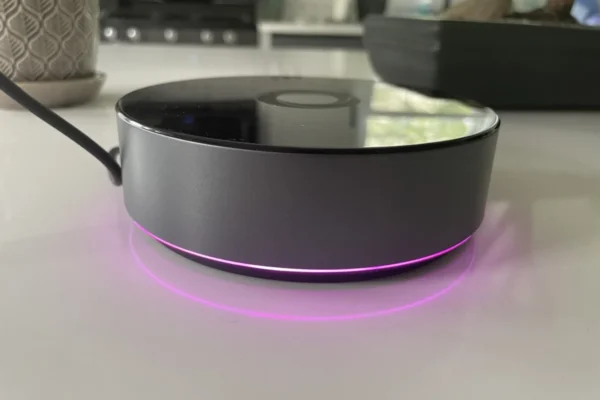
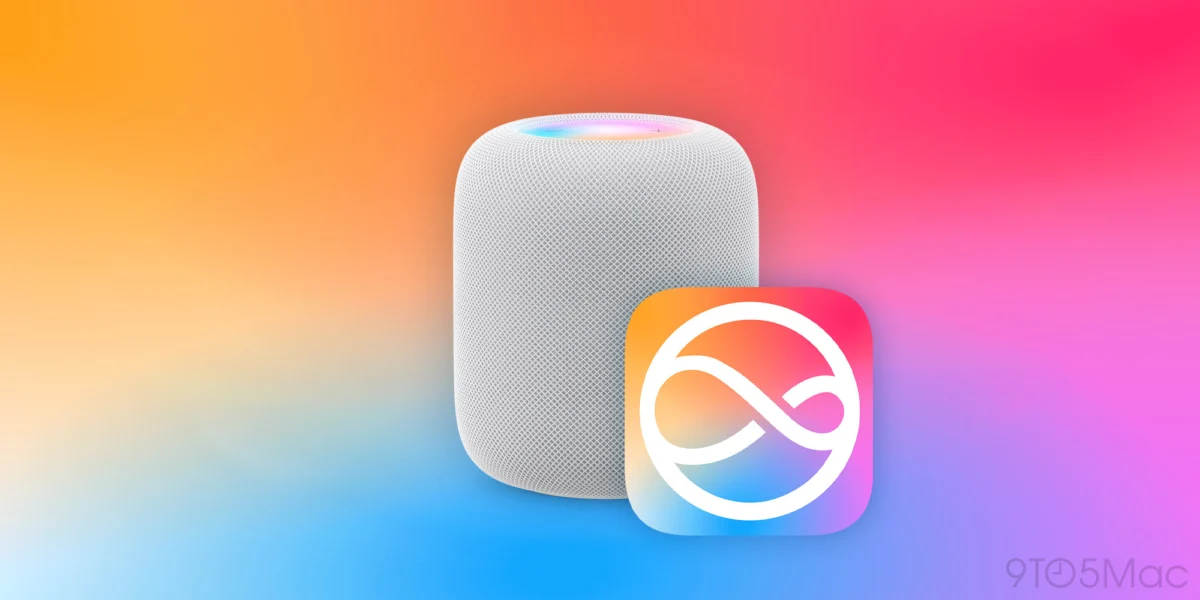
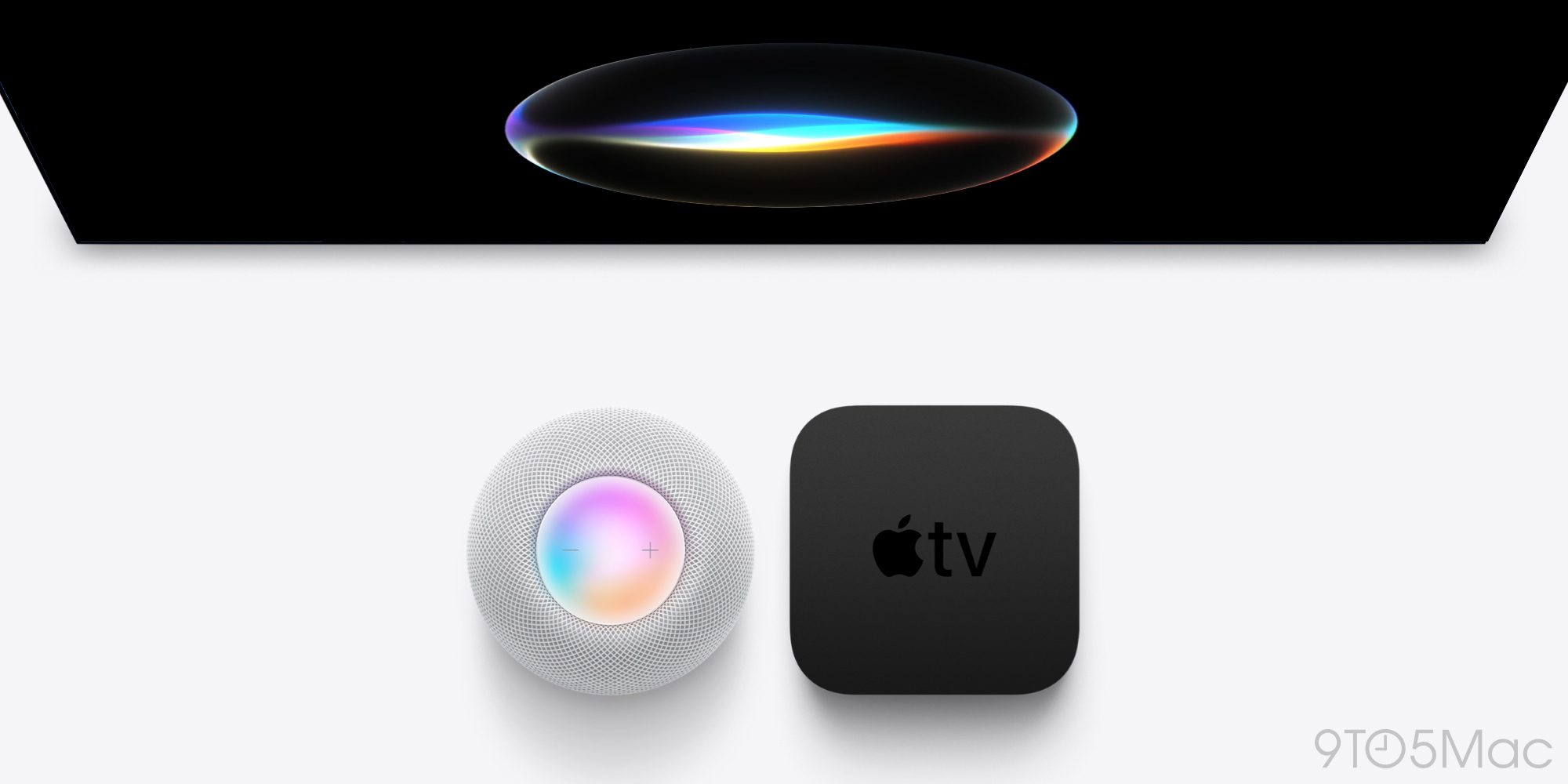
The first phase of this overhaul involves the modernization of existing staples. The HomePod mini, which has functioned as a reliable but modest entry point for HomeKit users since 2020, is slated for a significant internal upgrade. Reports indicate a move from the aging S5 chip to the more powerful S9 processor—the same hardware powering the latest Apple Watch generations. This transition is not merely about speed; it is about neural engine capacity. The S9 provides the necessary architecture to run optimized versions of Apple Intelligence locally, potentially transforming the HomePod mini from a simple speaker into a responsive, context-aware command center.
Simultaneously, the Apple TV 4K is expected to receive a long-overdue processor bump. While current models utilize the A15 Bionic, the upcoming iteration is projected to adopt the A17 Pro. Although some critics argue that a three-year-old chip design feels dated, the A17 Pro remains a powerhouse capable of handling heavy neural workloads. This hardware upgrade will allow the Apple TV to act as a more robust hub for the Apple Intelligence "homeOS" interface, supporting more complex on-screen interactions and faster processing of smart home commands. Furthermore, the rumored design tweaks to the remote control suggest an effort to improve ergonomics and potentially incorporate new sensory feedback mechanisms, further aligning the device with the premium positioning Apple desires for its home entertainment products.
Pricing remains a critical factor in this rollout. Following price adjustments implemented in June, the current entry points of $129 for the HomePod mini and $199 for the Apple TV 4K represent the baseline for these categories. Market analysts suggest that maintaining these price points is essential for Apple to sustain its momentum in the smart home segment, where it competes against aggressively priced devices from Amazon’s Echo and Google’s Nest lineups.
The HomePad: A New Frontier for Smart Displays
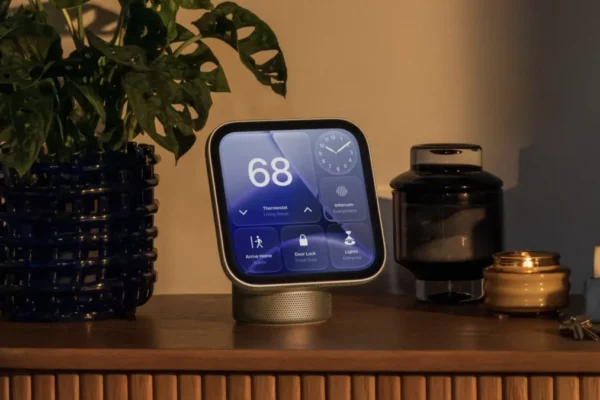
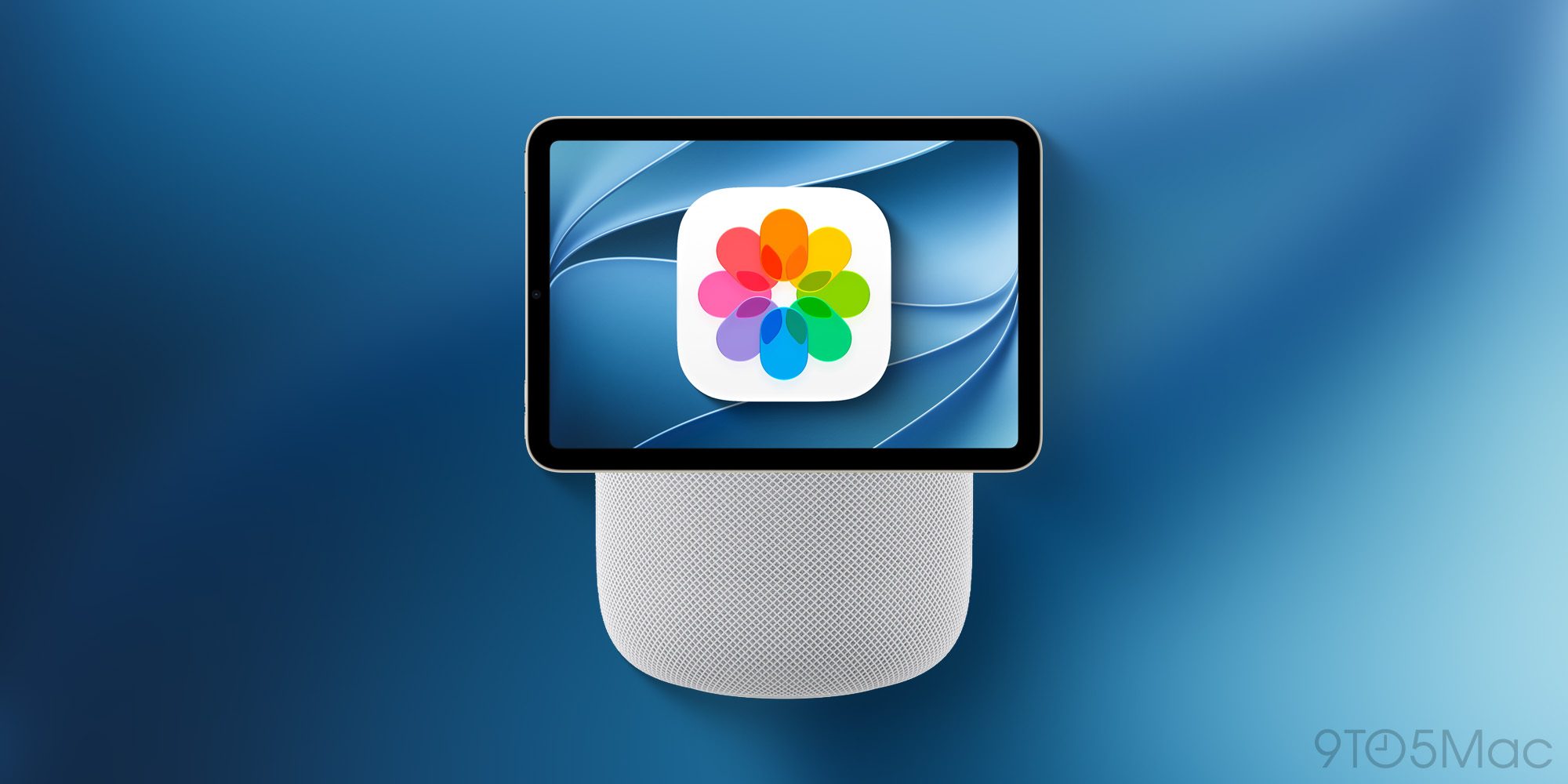
Perhaps the most anticipated development is the introduction of Apple’s first dedicated smart home hub, a device often referred to in industry circles as the "HomePad." This product represents a departure from the company’s focus on purely audio-based or streaming-based devices. The concept involves a 7-inch square display, designed to be mounted on walls via a magnetic system or placed on a tabletop with a speaker base.
This device will run a dedicated operating system, internally dubbed "homeOS." Unlike the stripped-down versions of tvOS or iOS previously used in home products, homeOS is built from the ground up to facilitate ambient computing. It will leverage the A18 chip, ensuring that the device can manage real-time video calls, complex smart home automation, and interactive AI responses simultaneously. The deployment of this device, expected between late 2026 and early 2027, suggests that Apple is finally ready to challenge the dominance of the Google Nest Hub and Amazon Echo Show. By focusing on privacy, local AI processing, and integration with the broader Apple ecosystem, the company hopes to entice existing users who have previously avoided smart displays due to privacy concerns.
Beyond the Hub: Expanding the Ecosystem
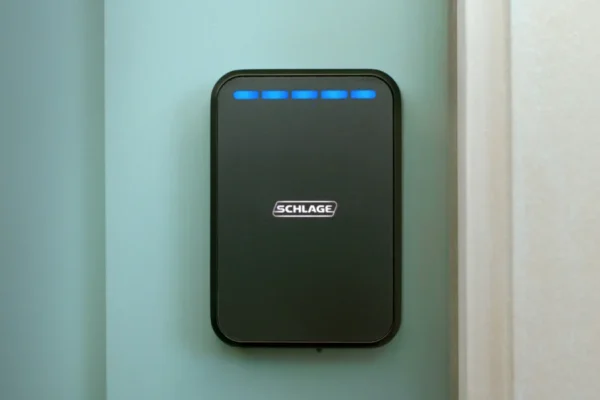
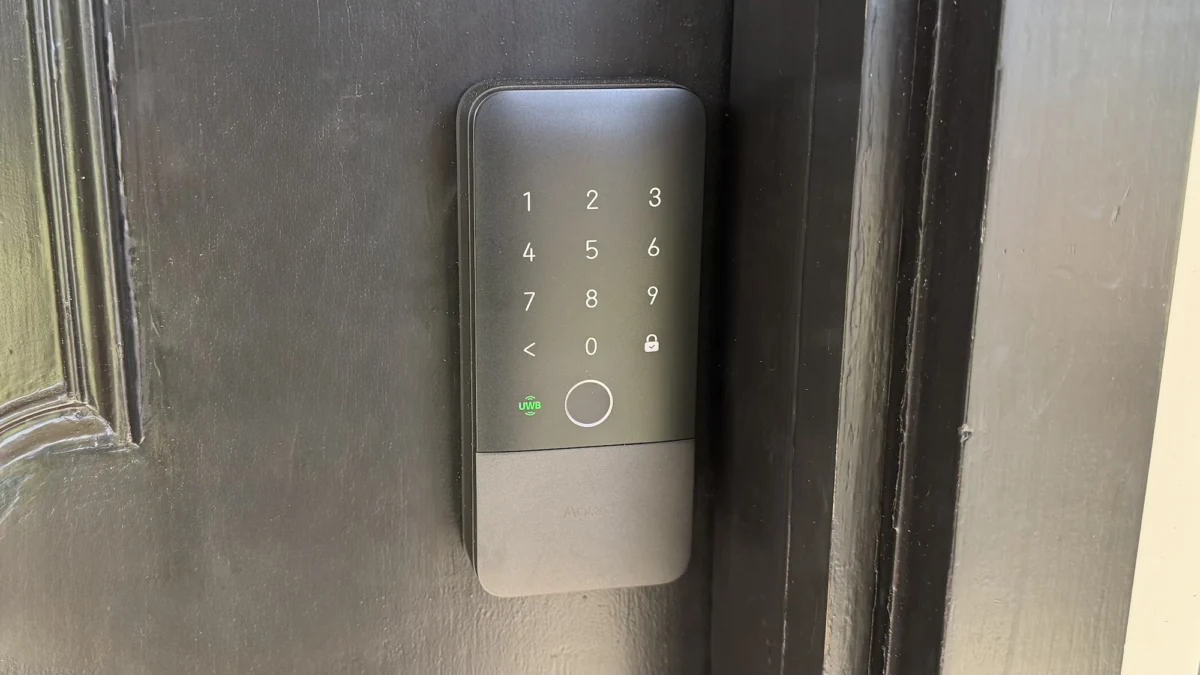
Looking further into the future, Apple is preparing to venture into the smart home security market. This expansion represents a strategic shift from being a software provider for third-party accessories to becoming an integrated hardware manufacturer. Rumors regarding a proprietary security camera and a high-end smart doorbell featuring advanced facial recognition—likely powered by Face ID technology—have intensified. These products are expected to create a "walled garden" of security, where devices communicate exclusively through the highly encrypted HomeKit Secure Video framework.
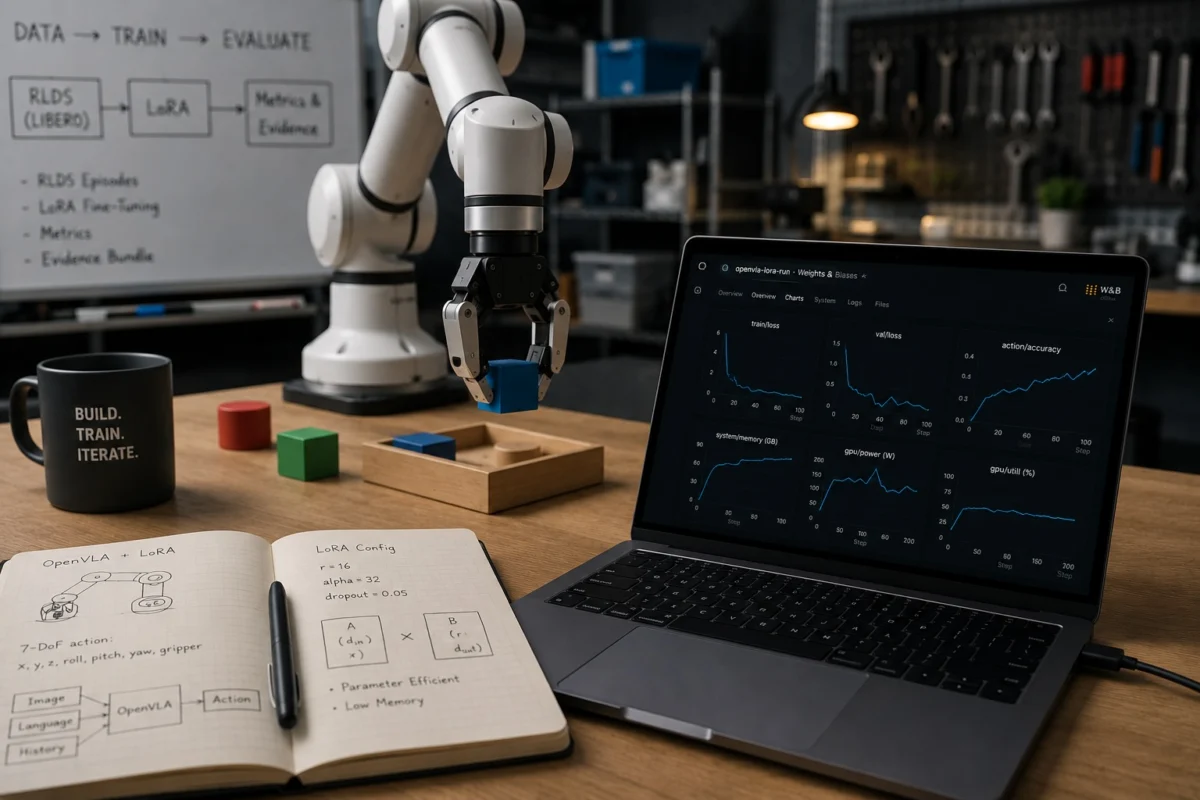
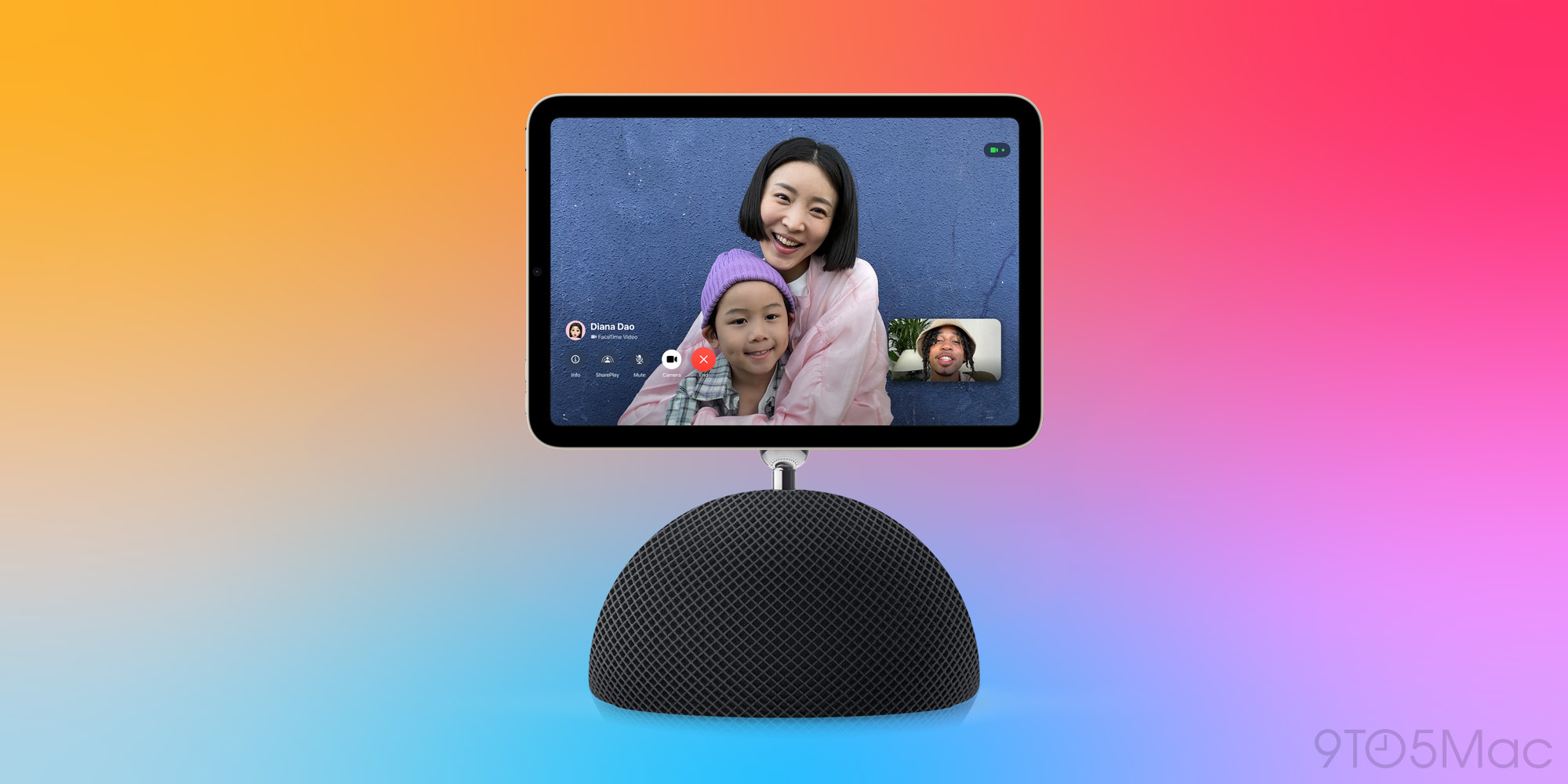
The most ambitious project on the horizon is the "tabletop robot," a device described as a more advanced iteration of the smart display. This product is expected to feature a robotic arm that allows the screen to rotate and follow the user as they move through a room, effectively acting as an intelligent, mobile assistant. While this technology is currently in the experimental stages of development, its existence underscores Apple’s long-term vision of shifting from stationary computing to active, ambient assistance.
Analysis of Implications
The ripple effects of these developments are significant. First, the move toward proprietary home security and hub hardware will likely strain Apple’s relationship with third-party manufacturers who have historically relied on HomeKit certification to sell their own cameras and sensors. If Apple begins to offer a more seamless, integrated experience with its own hardware, it may cannibalize the market for third-party accessories.
Second, the integration of Apple Intelligence into the home will fundamentally change how users interact with their environments. The transition from rule-based automation ("If this, then that") to intent-based automation ("Siri, make the house ready for a movie night") relies heavily on the local processing power provided by these new chips. By keeping this processing on-device, Apple is positioning its home ecosystem as the "safe" alternative to competitors who rely more heavily on cloud-based data harvesting.
From an industry perspective, the timing of these releases is calculated to coincide with a broader shift in consumer demand. As the novelty of voice-controlled speakers wanes, consumers are increasingly looking for devices that offer tangible utility, such as improved security, better visual interfaces, and proactive assistance. Apple’s "long game"—waiting for the silicon and AI software to mature before mass-producing home hardware—is a classic strategy for the company. While critics have often pointed to the lack of new home hardware as a failure of vision, it is now clear that the company was waiting for the technological infrastructure to catch up to its design ambitions.
Chronology of Expected Developments
- Fall 2026: Expected launch of the refreshed HomePod mini (S9 chip) and Apple TV 4K (A17 Pro chip).
- Late 2026 – Early 2027: Anticipated release of the "HomePad" smart display (A18 chip) running homeOS.
- 2027 and Beyond: Potential introduction of proprietary Apple security cameras, smart doorbells, and the tabletop robotic display.
In conclusion, Apple’s roadmap for its home products reflects a transition from peripheral devices to a centralized, AI-driven core. By leveraging its custom silicon and a new, specialized operating system, the company is preparing to enter a new phase of the "smart home wars." For consumers, this means that the next eighteen months will likely see the most significant shift in Apple’s home product lineup since the introduction of the original HomePod. Whether this hardware-centric approach will be enough to displace established players remains to be seen, but the intent is clear: Apple is moving to own the digital and physical experience of the modern home.