











The Mechanics of the Chronological Divide
To understand the scope of the issue, one must first examine the architecture of the World of Warcraft: Forever server structure. Unlike some contemporary MMOs that utilize local, client-side time for environmental lighting effects, Blizzard Entertainment has opted for a unified server-side clock. This design choice ensures that all players on a specific mega-server experience the same environmental events, such as world boss spawns, weather patterns, and the aesthetic day/night cycle, simultaneously.
In previous iterations of the game, regional servers often maintained their own internal clocks calibrated to the primary time zone of that region. However, the move toward "mega-servers" in World of Warcraft: Forever has consolidated populations to ensure lower queue times and more vibrant social hubs. While this has effectively solved the "dead server" problem that plagued early versions of the game, it has created a profound disconnect for the Oceania community. Because Oceania players connect to these North American-aligned servers, the server clock dictates that high-noon in Azeroth occurs at roughly 2:00 AM to 6:00 AM local time for an Australian player. Consequently, during the hours when these users are typically active—after work or school—the game world is perpetually draped in moonlight and shadows.
Chronology of the Discontent
The frustration began to boil over almost immediately following the global release of World of Warcraft: Forever. Within 48 hours of the server opening, community forums and social media platforms, particularly Reddit, saw an influx of threads highlighting the atmospheric disparity.
By the third day of the launch, the conversation had shifted from casual observation to organized advocacy. Users such as Playful_Artichoke981 spearheaded a daily protest campaign, pledging to post on public forums until the developer issued a formal response or provided a technical workaround. As the days progressed, the movement gained significant traction, drawing in hundreds of supportive comments from players who noted that while the game is technically functional, the "mood" of the game is fundamentally altered when the sun never rises during prime-time play.
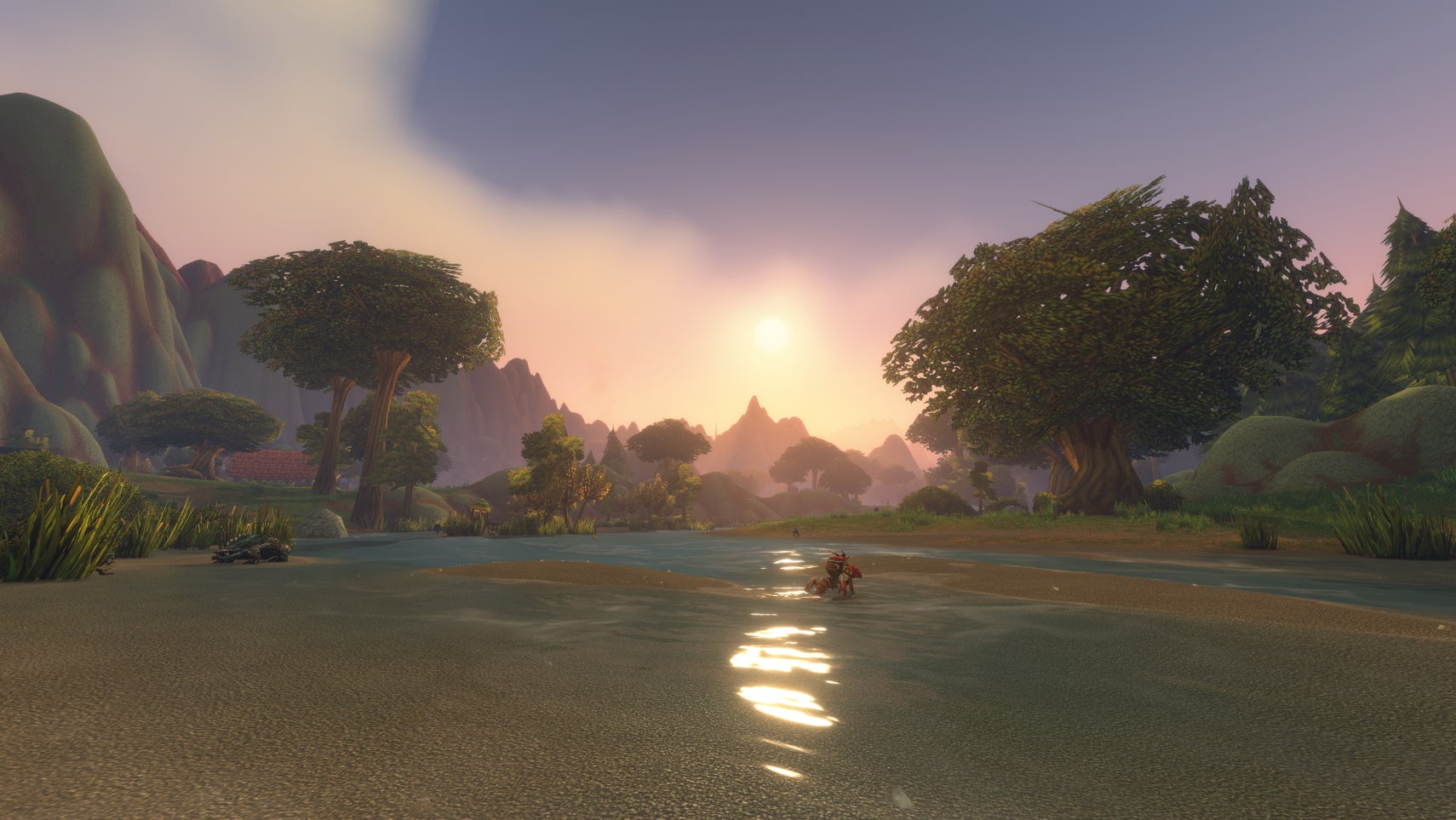
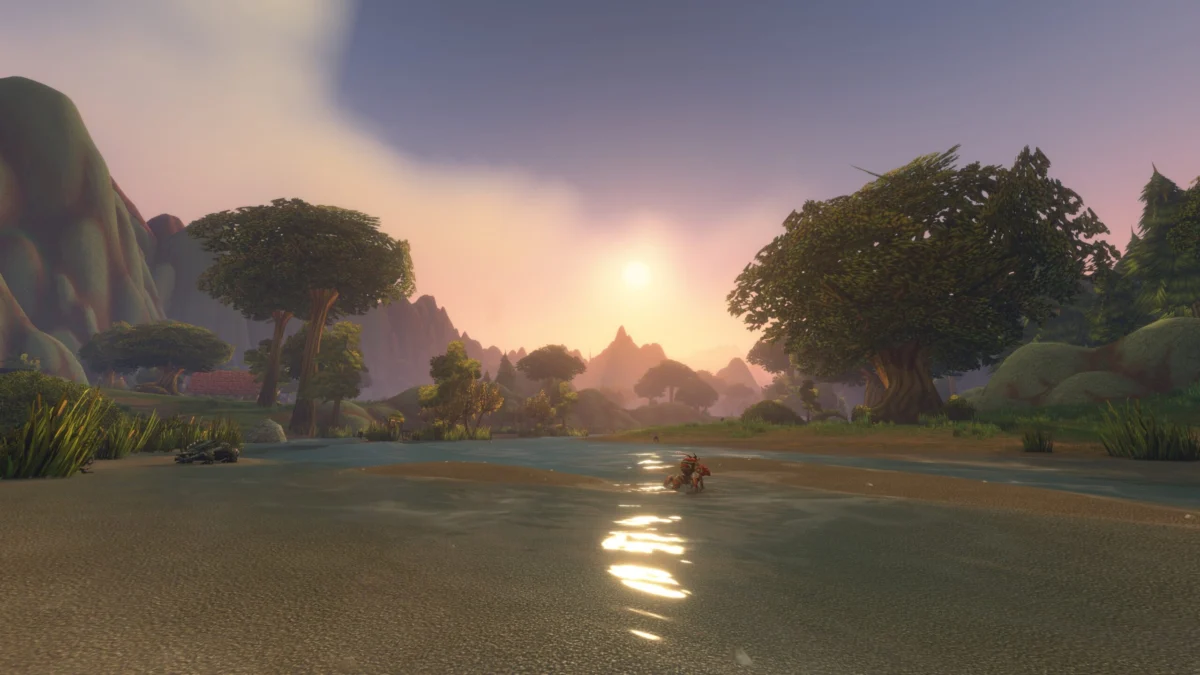
By the end of the first week, the issue had become a fixture of the community discourse. Threads detailing the beauty of the game’s lighting engine, particularly the golden hour effects over the swampy regions of Riverglades, were met with bittersweet replies from Oceania players who claimed they had never seen the sun in those zones despite logging dozens of hours of gameplay.
Data and Environmental Impact
The impact on the user experience is not merely cosmetic. In the lore and gameplay loops of World of Warcraft: Forever, certain zones and specific creatures are gated or altered by the time of day. While the developers have stated that they aim to keep core gameplay accessible regardless of the cycle, the environmental immersion is a significant component of the "Forever" experience.
Data aggregated from player surveys suggests that approximately 15% of the total active player base is affected by this time zone desynchronization. For these players, the inability to experience the full visual palette of the game is viewed as a "soft exclusion." When asked about the necessity of a change, players noted that they are not asking for a complete overhaul of the server architecture, but rather a "time-shifting" feature or a localized "daylight bias" that could allow players in specific regions to toggle the visual cycle or be placed on a server instance that mirrors their local rotation.
The Technical and Design Dilemma
From a development perspective, the challenge is not as simple as flipping a switch. Blizzard’s current infrastructure relies on a centralized clock to prevent "time-travel" exploits or inconsistencies in world-state events. If the game were to allow individual players to see different times of day, it would require a significant overhaul of how the server handles synchronization for dynamic world events.
Industry analysts suggest that the cost of developing a "client-side" lighting toggle could be substantial, potentially leading to visual bugs where players standing next to each other see different environmental states. This could lead to confusion during group play, where one player might be trying to navigate a dark forest while another is walking through a brightly lit meadow, despite being at the exact same coordinates. However, the vocal nature of the community suggests that the current status quo is unsustainable for long-term player retention in the region.

Official Responses and Industry Outlook
As of the current reporting, Blizzard Entertainment has not provided a definitive roadmap for addressing the Oceania time zone issue. In a brief statement provided to general press inquiries, the company acknowledged that they are "monitoring player feedback across all regions," but stopped short of committing to a technical solution.
This silence has led to increased speculation among the player base. Some suggest that a "Regional Daylight Offset" could be implemented, where the server clock remains unified for events, but the aesthetic skybox is shifted by a set number of hours based on the player’s registered location. Others are more pessimistic, arguing that the architecture of World of Warcraft: Forever is too rigid to accommodate such a change without risking the stability of the servers.
Broader Implications for Global MMOs
The situation in World of Warcraft: Forever serves as a case study for the complexities of globalized gaming. As developers strive to bring the world together on unified servers, they often inadvertently create "second-class" experiences for players in geographically distant regions. This is not the first time such an issue has occurred, but it is one of the most prominent in recent years, given the massive scale and popularity of the current expansion.
If Blizzard chooses to address this, it could set a new industry standard for regional inclusivity in MMOs. Conversely, if the issue is ignored, it may lead to a gradual migration of the Oceania player base to other titles that offer more flexible, localized experiences. For now, the players of Oceania remain in the dark, waiting for the sun to rise in Azeroth—or at least, for a reason to believe that the dawn is coming.
The success of the launch has proven that the interest in the franchise remains at an all-time high. The challenge for the developers moving forward will be to ensure that this success is inclusive, bridging the gap between the North American-centric architecture and the diverse, global audience that continues to log in daily. Whether through a compromise on server time, a visual toggle, or an official acknowledgement of the limitation, the path forward will likely dictate how players in the Oceania region view their relationship with the game for the remainder of its lifecycle. For the time being, the community continues its advocacy, turning to social media to share screenshots of the "rare" daylight they manage to catch during their early morning sessions, hoping that their persistence will eventually illuminate the path toward a more equitable experience.