







The landscape of personal computing peripherals is undergoing a profound and unexpected transformation, moving far beyond the traditional realms of ergonomic design and DPI precision. Recent product announcements from innovative tech brands highlight a growing industry trend: the integration of smart displays, micro-interfaces, and unconventional computing mechanics directly into daily hardware. Leading this charge are the newly unveiled Arctic Fox Super Mouse and the distinctive Lenovo Fry Mark, two products that challenge conventional notions of how users interact with desktop and mobile environments. As consumers increasingly demand multifunctional devices that bridge the gap between auxiliary peripherals and primary computing units, manufacturers are responding with hardware that incorporates vibrant LCD touchscreens, customized operating environments, and highly specialized physical designs. This comprehensive overview examines the technological advancements, market implications, design philosophies, and industry trajectories surrounding these unconventional computing accessories.
The Evolution of the Smart Peripheral: Blending Mice and Micro-Displays
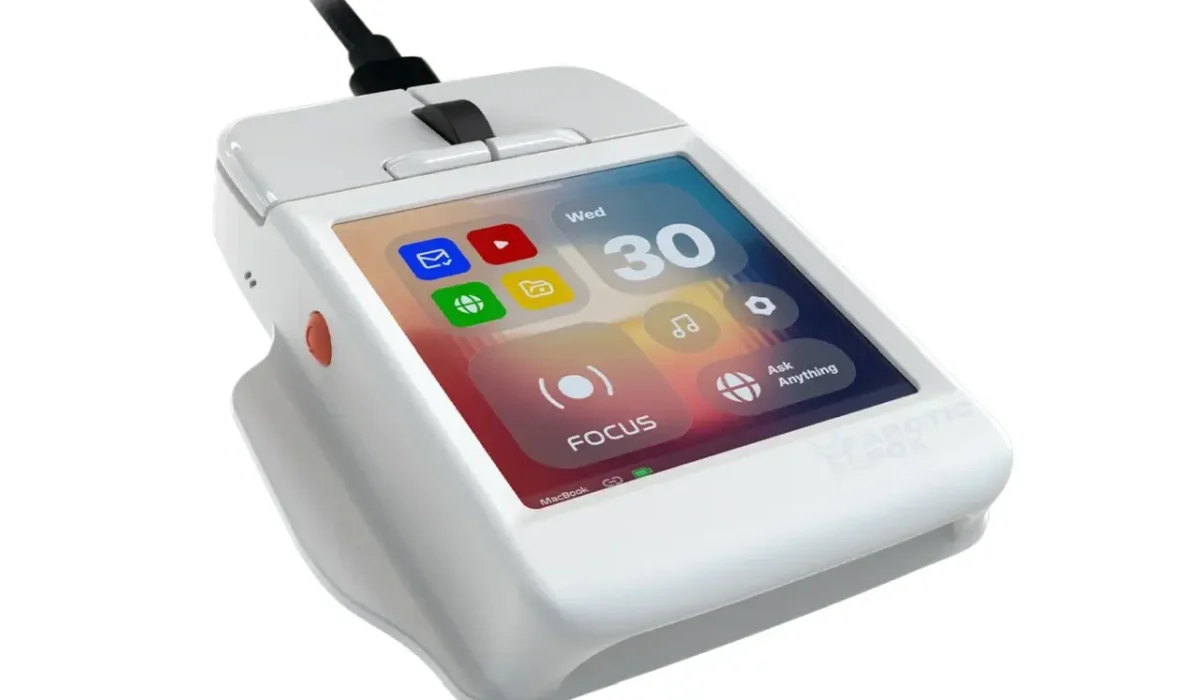
For decades, the computer mouse has remained a relatively straightforward instrument: a shell housing optical sensors, mechanical switches, and a scroll wheel, designed solely to translate physical hand movements into cursor coordinates on a screen. However, the introduction of devices such as the Arctic Fox Super Mouse signals a paradigm shift. By embedding high-resolution LCD panels directly into the body of the mouse, hardware engineers are transforming a passive input device into an active, feedback-driven command center.
The Arctic Fox Super Mouse features a 3.1-inch LCD display boasting a 720×720 resolution, capable of rendering sharp graphics, interface widgets, and real-time data feeds. This display is not merely decorative; it serves as a functional dashboard that supports swipe gestures, virtual keyboard inputs, and direct integration with productivity suites such as Google Calendar. Furthermore, the device incorporates advanced haptic feedback mechanisms, allowing users to experience physical sensations corresponding to on-screen actions, button presses, and notifications.
Underneath the hood, the Super Mouse is designed for universal compatibility, seamlessly integrating with both Windows and macOS operating systems. It runs a specialized version of the Flow Desktop environment, a lightweight software suite tailored specifically for micro-display peripherals. This software allows users to manage notifications, track time-sensitive tasks, monitor system performance metrics, and execute shortcuts without constantly shifting their gaze away from their primary workflow or reaching for a separate smartphone or secondary monitor.
Crowdfunding Innovations and Market Reception
The development and commercialization of unconventional peripherals like the Arctic Fox Super Mouse heavily rely on modern crowdfunding platforms to gauge consumer interest and secure initial capital. The Super Mouse made its debut on Kickstarter, adopting a tiered funding model that quickly attracted early adopters and tech enthusiasts. During its initial launch phase, the device was offered at a starting price of $199 (approximately 621 NIS), positioning it firmly in the premium peripheral category.
To appeal to a broad consumer base, the manufacturer made the strategic decision to release the mouse in multiple colorways, including Divine Yellow, Cloud White, and Drone Gray. This aesthetic variety addresses the growing demand for desk setups that reflect personal style while maintaining professional utility. Industry analysts note that crowdfunding campaigns for such niche products serve as an essential litmus test for the tech industry, demonstrating whether consumers are willing to invest in high-end, experimental hardware before mass production scales up.

Lenovo Fry Mark: Merging Productivity with Unconventional Form Factors
Alongside the advancements in smart mice, major tech conglomerates continue to push boundaries with distinct conceptual hardware. Lenovo, a company renowned for its willingness to experiment with form factors ranging from dual-screen laptops to foldable devices, has introduced the Fry Mark, a product that has captured the attention of the tech community for its unique design and targeted utility.
The Lenovo Fry Mark represents an intersection of playful design and serious engineering. While retaining the core functionality expected from Lenovo’s productivity ecosystem, the device incorporates design elements inspired by fast-food culture—specifically the iconic "Happy Meal" aesthetic—reimagined through a sleek, modern industrial lens. Despite its whimsical branding, the Fry Mark is equipped with robust connectivity options, supporting Bluetooth, 2.4GHz wireless via a dedicated USB dongle, and a reliable 380mAh rechargeable battery designed to sustain extended daily use without frequent recharging.
Market positioning for the Lenovo Fry Mark reflects a deliberate attempt to capture a younger, more dynamic demographic of remote workers, content creators, and students. With a retail price point set around $99 (approximately 47 shekels—referencing localized promotional or baseline introductory valuations) and an initial production run capped at 4,000 units worldwide, the device has been positioned as a limited-edition collector’s item as well as a functional daily driver.
Technological Specifications and Performance Metrics
Evaluating modern peripherals requires a deep dive into the hardware specifications that dictate everyday performance. Both the Arctic Fox Super Mouse and the Lenovo Fry Mark emphasize reliability, low latency, and energy efficiency, ensuring that aesthetic innovations do not compromise core usability.
For the Super Mouse, the inclusion of a 3.1-inch LCD screen demands efficient power management. Although specific battery capacity figures for the Super Mouse vary depending on screen usage and active haptic feedback settings, engineers have optimized the device’s firmware to minimize power draw during idle periods. The integration of high-frequency polling rates ensures that cursor tracking remains fluid and responsive, rivaling traditional gaming and productivity mice despite the added computational load of running the Flow Desktop micro-interface.
Similarly, the Lenovo Fry Mark emphasizes versatility in connectivity. By offering tri-mode connectivity—Bluetooth for mobile devices and tablets, 2.4GHz wireless for lag-free desktop performance, and wired USB capabilities—the device ensures compatibility across virtually any computing environment. Its 380mAh internal battery is paired with intelligent sleep modes that preserve charge during periods of inactivity, balancing the power requirements of its onboard processing components.
The Broader Implications for the Computing Peripheral Industry

The introduction of devices like the Arctic Fox Super Mouse and the Lenovo Fry Mark points toward a broader trend in the technology sector: the convergence of input and output functions. For decades, input devices (mice, keyboards) and output devices (monitors, speakers) remained strictly separated. However, as micro-displays become cheaper, more energy-efficient, and capable of higher resolutions, manufacturers are finding new ways to place information directly beneath the user’s fingertips.
This evolution mirrors the rise of smartwatches and fitness trackers, which transformed traditional wristwatches into interactive computational nodes. By bringing similar smart functionalities to desktop peripherals, brands are catering to professionals who manage multiple communication channels simultaneously. The ability to glance down at a mouse screen to check a calendar reminder, read a brief notification, or execute a macro without switching application windows can significantly reduce cognitive friction in fast-paced work environments.
However, industry critics and analysts also point to potential challenges. The integration of complex displays and software ecosystems into lightweight peripherals increases manufacturing costs, raising retail prices beyond what the average consumer might expect to pay for a standard mouse or keyboard. Furthermore, software fragmentation remains a concern; as different manufacturers develop proprietary micro-operating systems or companion apps (such as Flow Desktop), ensuring long-term software support, driver updates, and cross-platform compatibility becomes increasingly complex.
Consumer Trends and Future Outlook
As these products transition from crowdfunding platforms and limited-edition releases into the broader commercial market, consumer response will dictate whether smart peripherals become a permanent fixture of modern computing or remain a passing novelty. Early indicators from tech conventions and online forums suggest a high level of enthusiasm among early adopters, who are eager to customize their workspaces with modular, interactive hardware.
Looking ahead, industry observers anticipate that major manufacturers will closely monitor the market reception of devices like the Arctic Fox Super Mouse and the Lenovo Fry Mark. If these products achieve commercial success, we can expect to see mainstream tech giants incorporating similar micro-display technologies into their flagship peripheral lineups. This could lead to a new era of computing accessories where every tool on the desk—from the mouse and keyboard to the mousepad and desk mat—plays an active role in managing digital workflows.
Conclusion
The debut of the Arctic Fox Super Mouse and the Lenovo Fry Mark underscores a period of vibrant experimentation within the technology sector. By challenging traditional design paradigms and introducing smart displays, haptic feedback, and unconventional aesthetics, manufacturers are redefining what users can expect from everyday computing peripherals. While questions regarding long-term software support, pricing sustainability, and practical utility remain, these innovations demonstrate a clear commitment to enhancing productivity and personal expression in the modern digital workspace. As the industry continues to evolve, these pioneering devices may well serve as the blueprint for the next generation of human-computer interaction tools.