The landscape of mobile gaming is undergoing a significant transformation in 2025, driven by the rollout of Nvidia’s GeForce RTX 50-series graphics processing units. As hardware manufacturers integrate these next-generation GPUs into their flagship chassis, the divide between desktop-class performance and portable convenience continues to narrow. This year’s market is defined by a push toward higher efficiency, improved thermal management, and the integration of specialized AI-driven performance features.
For consumers navigating this complex ecosystem, selecting the right machine requires an understanding of how these new architectural improvements translate into real-world utility. Whether for competitive esports, content creation, or immersive AAA gaming, the current cohort of laptops offers unprecedented power, provided users can navigate the trade-offs between cost, portability, and battery endurance.
The Technological Leap: Nvidia RTX 50-Series Integration
The introduction of the RTX 50-series marks a pivotal moment in the industry. These GPUs are designed to handle the increasing demands of modern gaming, where high-resolution assets and ray-tracing technology are standard. Compared to the previous RTX 40-series, which dominated the market from 2023 through 2024, the 50-series focuses on optimized power delivery and advanced DLSS 4 scaling, allowing for higher frame rates without a linear increase in thermal output.
Early benchmarks indicate that the RTX 5080 and 5090 chips are significantly outpacing their predecessors in memory-intensive titles. However, the true value for the average consumer may lie in the forthcoming 5060 and 5050 tiers, which aim to bring this architecture to more accessible price points. As of June 2025, the market is currently a hybrid of high-end 50-series machines and refined 40-series laptops that remain highly capable for most current software titles.
Top Tier Performance: The Current Market Leaders
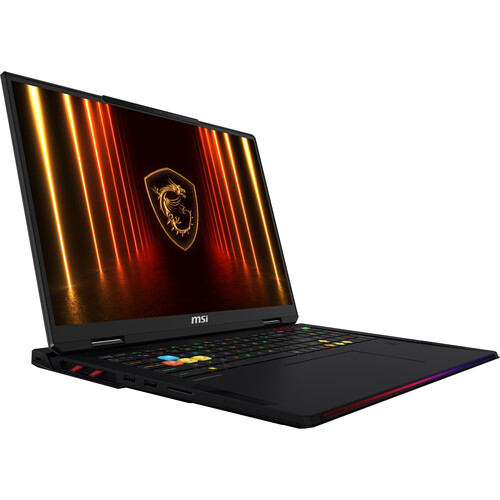
Leading the premium segment is the MSI Raider 18 HX AI. Equipped with an Intel Core Ultra 9 285HX processor and an Nvidia GeForce RTX 5080, this 18-inch machine serves as a definitive desktop replacement. Its inclusion of a MiniLED display, capable of hitting 668 nits of brightness, addresses the growing demand for high-fidelity visual output. While it commands a significant premium, its performance in benchmarks such as Cyberpunk 2077 demonstrates a clear lead over legacy hardware.
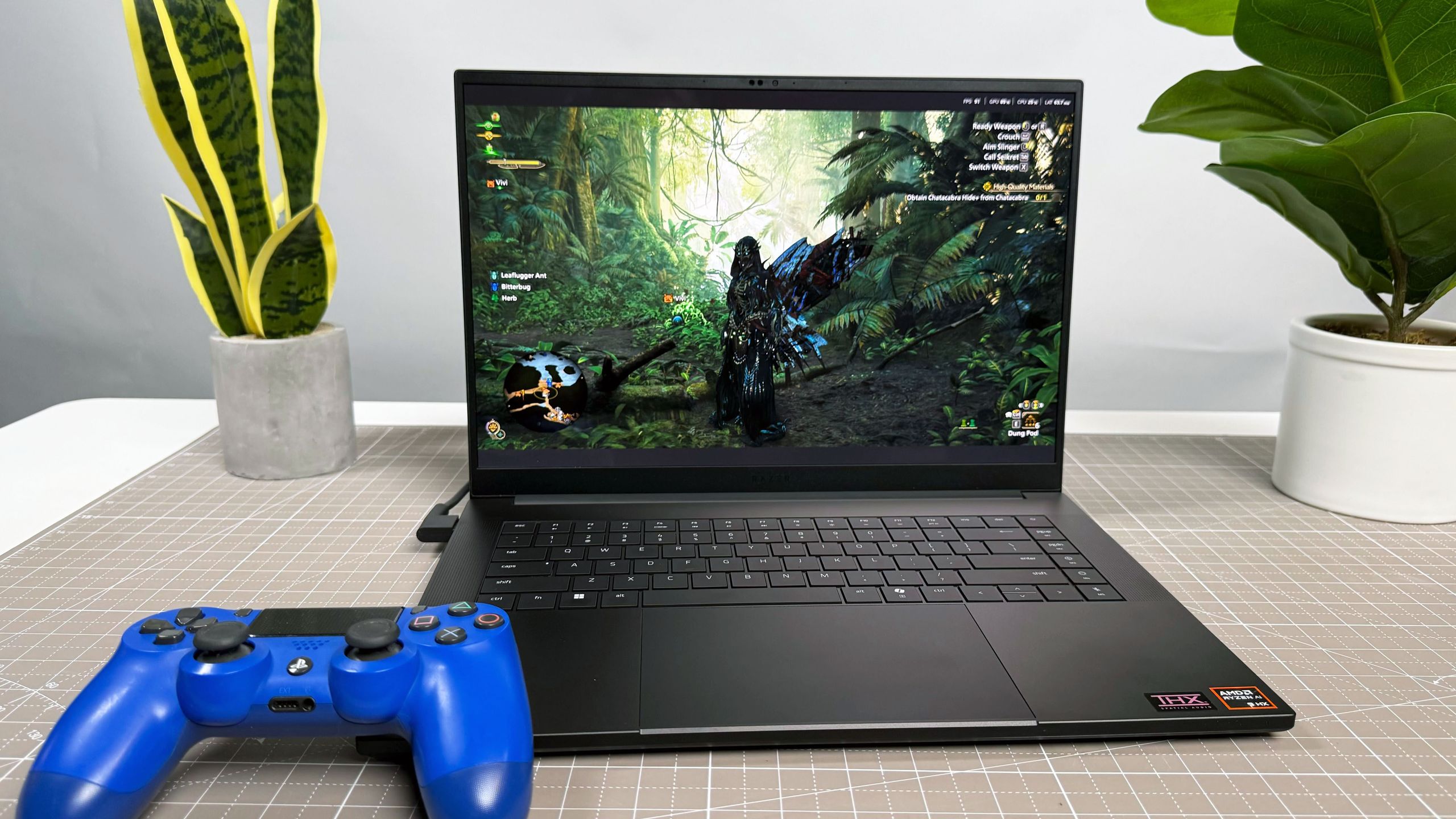
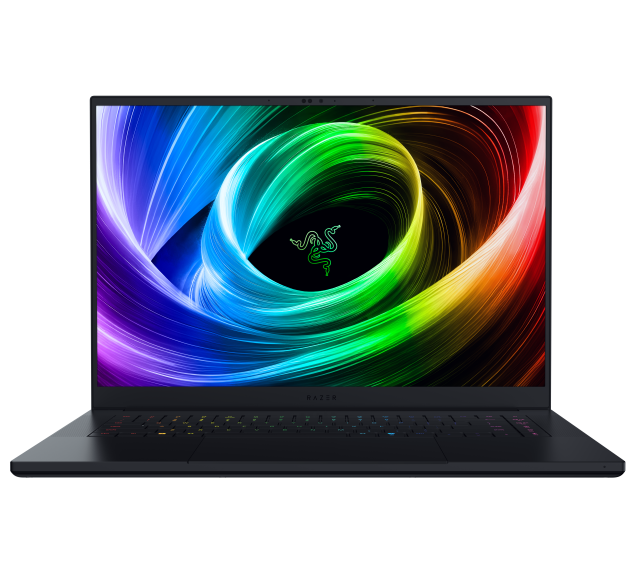
In the portable performance category, the Razer Blade 16 (2025) has established a new benchmark for thin-and-light powerhouses. By incorporating an RTX 5090 with 24GB of VRAM into a 4.6-pound chassis, Razer has achieved a balance that was previously thought to be impossible. The laptop’s ability to sustain over seven hours of web-surfing battery life—unprecedented for an RTX 5090 machine—suggests that power efficiency has become a central focus for engineering teams this year.
Budget Considerations and Value-Driven Computing
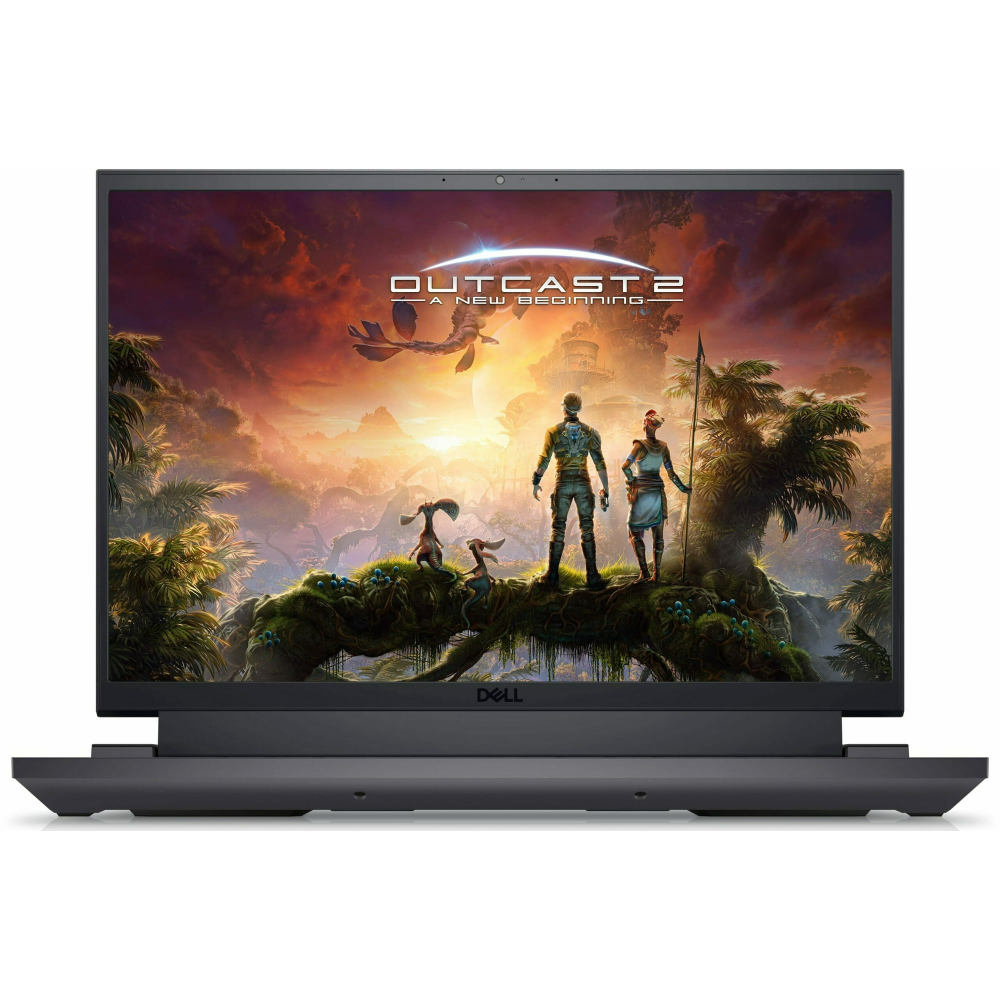
The "budget" segment, defined here as machines priced under $1,000, has faced challenges due to rising component costs. The Dell G16 (7630) stands out as an anomaly in this price bracket. By maintaining features like a mechanical keyboard and a 240Hz display, it offers a user experience that rivals machines twice its price. While it lacks the raw power of the flagship models, the inclusion of an RTX 4060 GPU ensures that it remains competitive for 1080p gaming at high settings.
For those prioritizing battery life above all else, the Asus TUF Gaming A14 has set a new industry standard. By utilizing the AMD Ryzen 7 8845HS processor, it managed to achieve over 10 hours of battery life in standardized testing—a feat that has historically been the primary weakness of the gaming laptop category. This makes the A14 not only a viable gaming machine but a legitimate tool for students and professionals who require all-day endurance without sacrificing the ability to play modern titles during downtime.
Comparative Benchmark Analysis
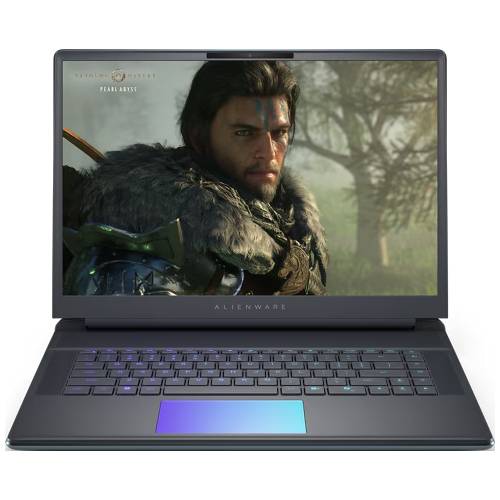
Performance metrics across the industry reveal a distinct hierarchy. In synthetic tests like Geekbench 6, the MSI Raider 18 HX AI leads with a score of 21,851, followed closely by the Alienware 16 Area-51 at 20,498. While these numbers are indicative of raw CPU potential, real-world gaming performance—measured in frames per second (fps)—shows a more nuanced picture.
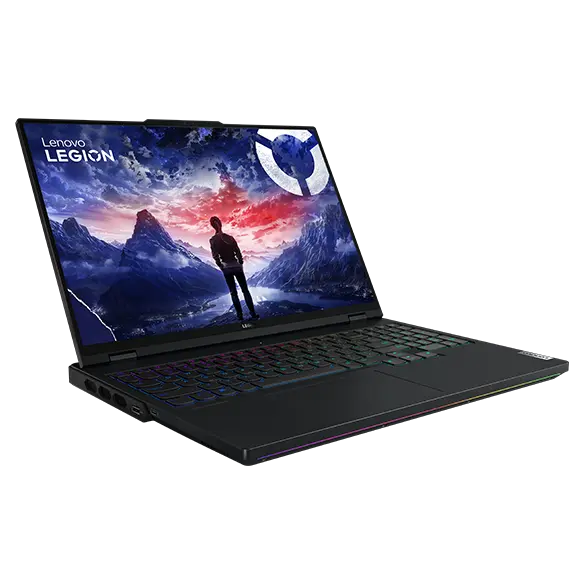
In demanding titles like Red Dead Redemption 2, the RTX 50-series laptops are consistently pushing past the 100-fps threshold at high settings, whereas 40-series machines, such as the Lenovo Legion Pro 7i, remain in the 90-100 fps range. This 10-15% performance delta is the primary differentiator for consumers deciding whether to upgrade to the latest generation.
Industry Implications and Future Outlook
The broader impact of these developments suggests that gaming laptops are shedding their reputation as "hot, heavy, and short-lived" devices. The push toward AI-assisted performance, represented by the AMD Ryzen AI series and Nvidia’s updated drivers, is allowing for smarter resource allocation.
However, there is a clear trade-off: heat. Even the most advanced cooling solutions in 2025 struggle to keep surface temperatures below the 100-degree Fahrenheit threshold during extended high-load gaming sessions. Prospective buyers should be aware that while internal performance has improved, the physical constraints of cooling a high-end GPU in a portable form factor remain a persistent engineering challenge.
Strategic Buying Advice for 2025
When choosing a gaming laptop this year, consumers should follow a structured evaluation process:
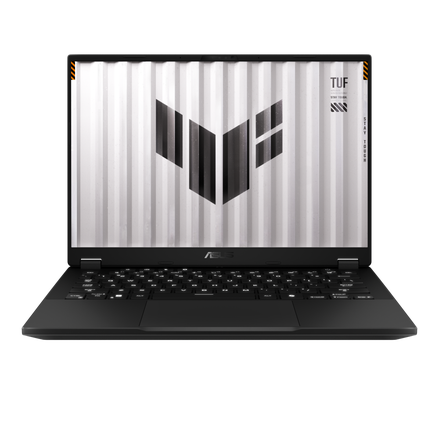
- Define the Use Case: If the laptop is intended to remain on a desk, an 18-inch, high-wattage machine like the MSI Raider provides the best experience. If mobility is paramount, the Razer Blade 16 or Asus TUF A14 are superior options.
- Prioritize the GPU: For most users, an RTX 4060 or 4070 is sufficient for 1080p and 1440p gaming. Only those looking for 4K output or extreme frame rates in competitive titles should justify the cost of an RTX 5080 or 5090.
- Display Quality: Do not overlook the display. A high-resolution screen with a high refresh rate (minimum 120Hz) is essential. If the budget allows, an OLED panel provides color accuracy and contrast ratios that significantly enhance the gaming experience.
- Thermal Management: Research the cooling capabilities of any model. High performance is meaningless if the system throttles due to heat after 20 minutes of play.
- Portability vs. Power: Understand that the most powerful laptops often have the shortest battery life. If you require a device for work or school, prioritize models with high-efficiency CPUs and longer endurance ratings.
As the industry moves through the remainder of 2025, the market is expected to see further price adjustments as manufacturers clear out remaining RTX 40-series inventory to make room for the wider adoption of 50-series silicon. By staying informed on current benchmarks and prioritizing essential features over marketing buzzwords, consumers can secure a machine that offers longevity and consistent performance for the years ahead.